Things to do in Bangkok: the honest planner
Bangkok: Grand Palace, Wat Pho, Wat Arun Sacred & Local Tour
What are the best things to do in Bangkok?
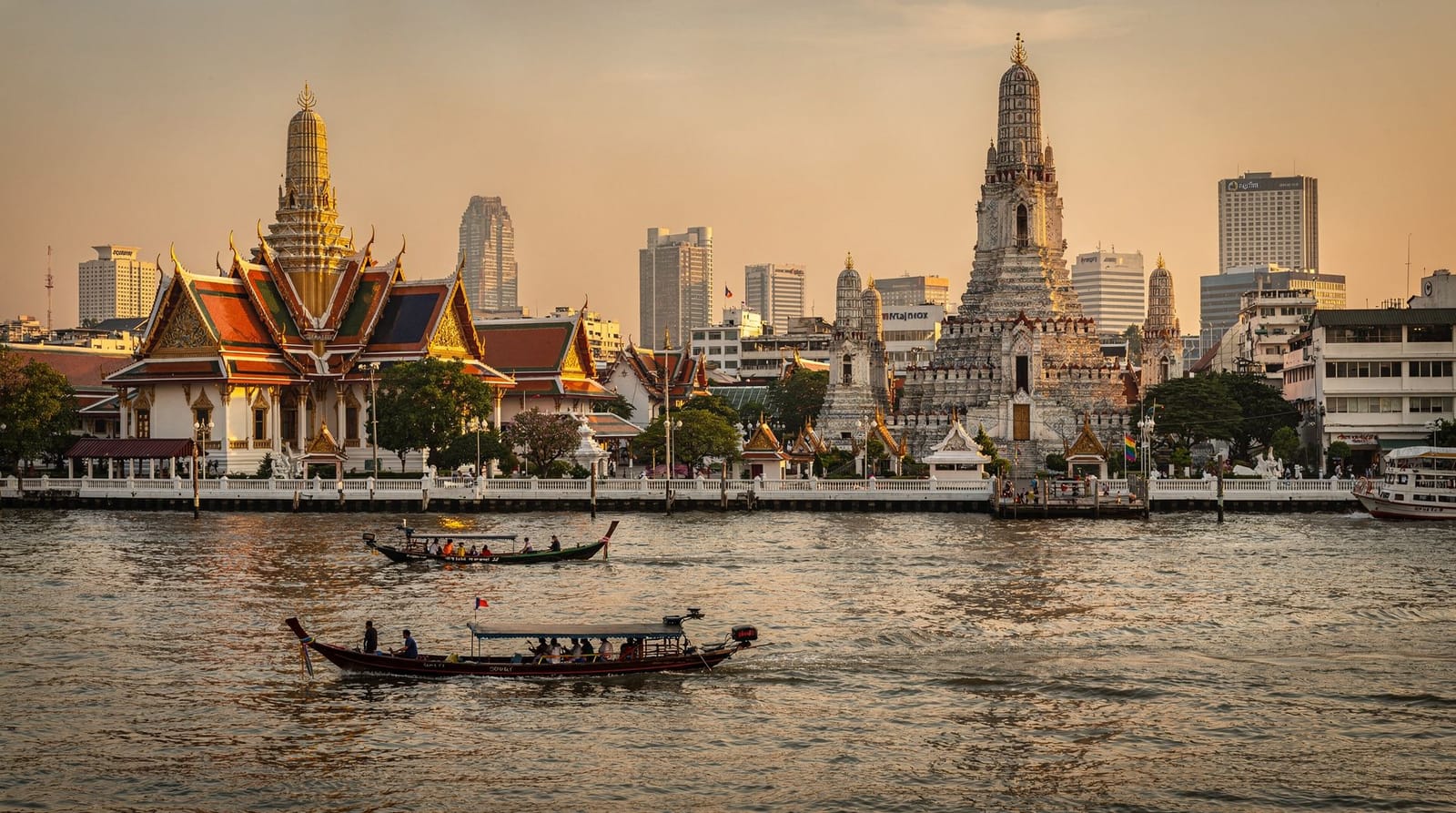
The essentials are the Grand Palace and Wat Phra Kaew, Wat Pho's Reclining Buddha and Wat Arun across the river, all in the Rattanakosin old city. Add a Chao Phraya river boat, a Yaowarat (Chinatown) street-food crawl, a sunset from the Mahanakhon SkyWalk, and a weekend at Chatuchak Market. Balance one temple-heavy morning with markets, food and the river — Bangkok rewards variety more than ticking off every landmark.
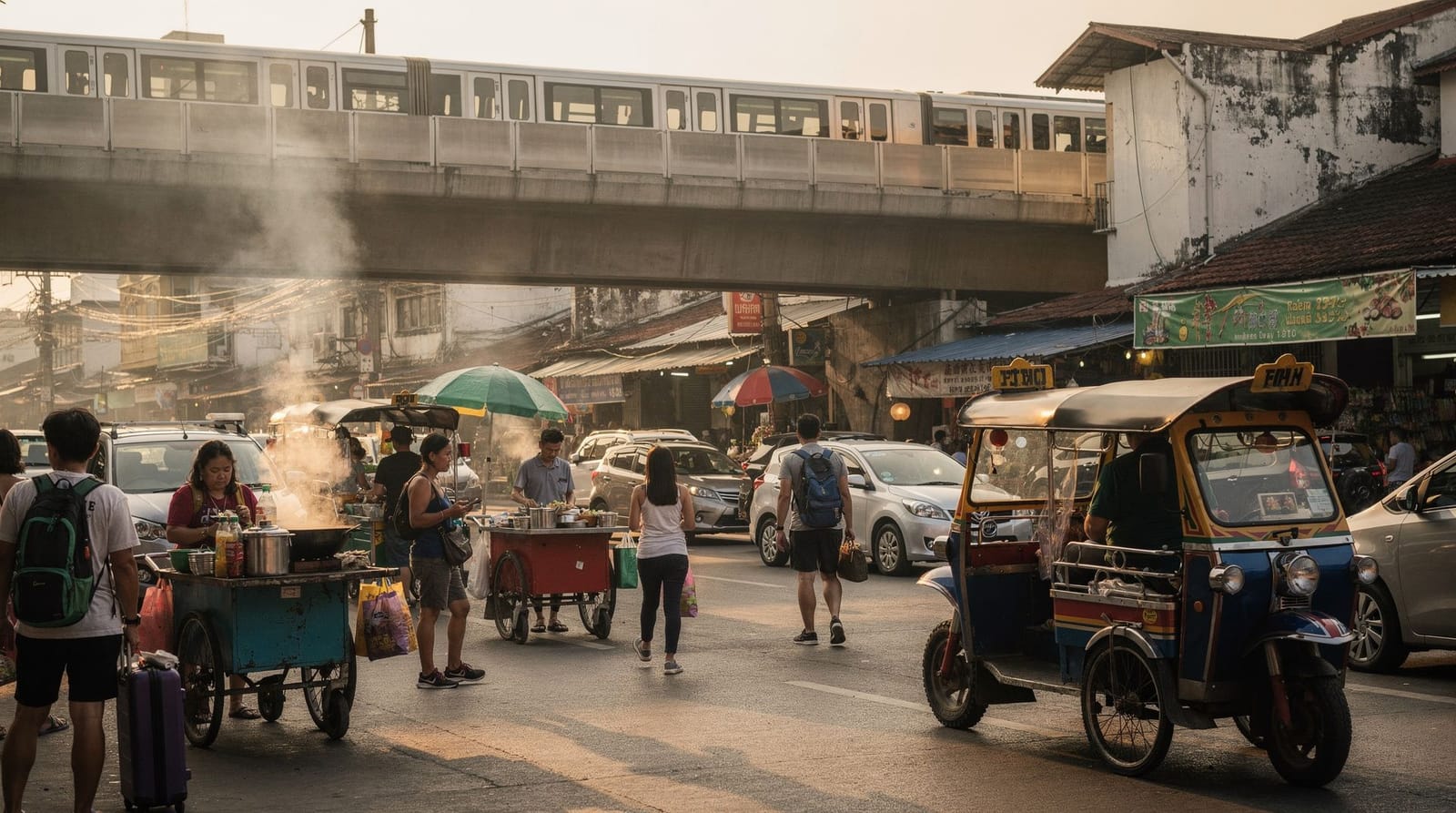
Bangkok throws more at you than any other city in Southeast Asia: gilded temples beside neon malls, canal markets beside glass skywalks, and some of the best street food on earth eaten on a plastic stool under a flyover. This guide is the honest version — what is genuinely worth your limited time, what is overhyped, real prices in Thai baht (roughly 33 THB to the US dollar), opening hours, and the BTS or river stops to reach each one. Use it to build a trip around what you actually enjoy rather than a checklist someone else wrote.
The single most useful piece of planning advice: do not try to do everything. Bangkok is huge and hot, and traffic can swallow an afternoon. Pick one temple-heavy morning, one river or Chinatown evening, and leave room to wander. The city rewards depth and spontaneity far more than a packed itinerary. Think of your days in halves — a cool morning for sightseeing, a slower afternoon out of the heat, and an evening that comes alive after dark — and you will leave with energy to spare rather than burnt out by day two.
| Best for | First-timers and repeat visitors alike |
| Time needed | 3 full days covers the essentials |
| Best season | November–February, cool and dry |
| Getting around | BTS, MRT, river boats, Grab |
| Budget | around 700–5,000+ THB/day depending on style |
Start with the old-city temple loop
Almost every first visit should open in Rattanakosin, the historic royal island, because the three headline sights sit within walking distance of each other. The Grand Palace and Wat Phra Kaew is the show-stopper: a dazzling complex of gilded spires and the revered Emerald Buddha. Entry is about 500 THB (~$15), it opens 08h30–15h30, and the dress code is enforced without exception — shoulders and knees covered for everyone. Arrive at opening from Tha Chang pier to beat the worst heat and tour buses, and read our dress-code guide before you go so you are not turned away or forced to rent a sarong.
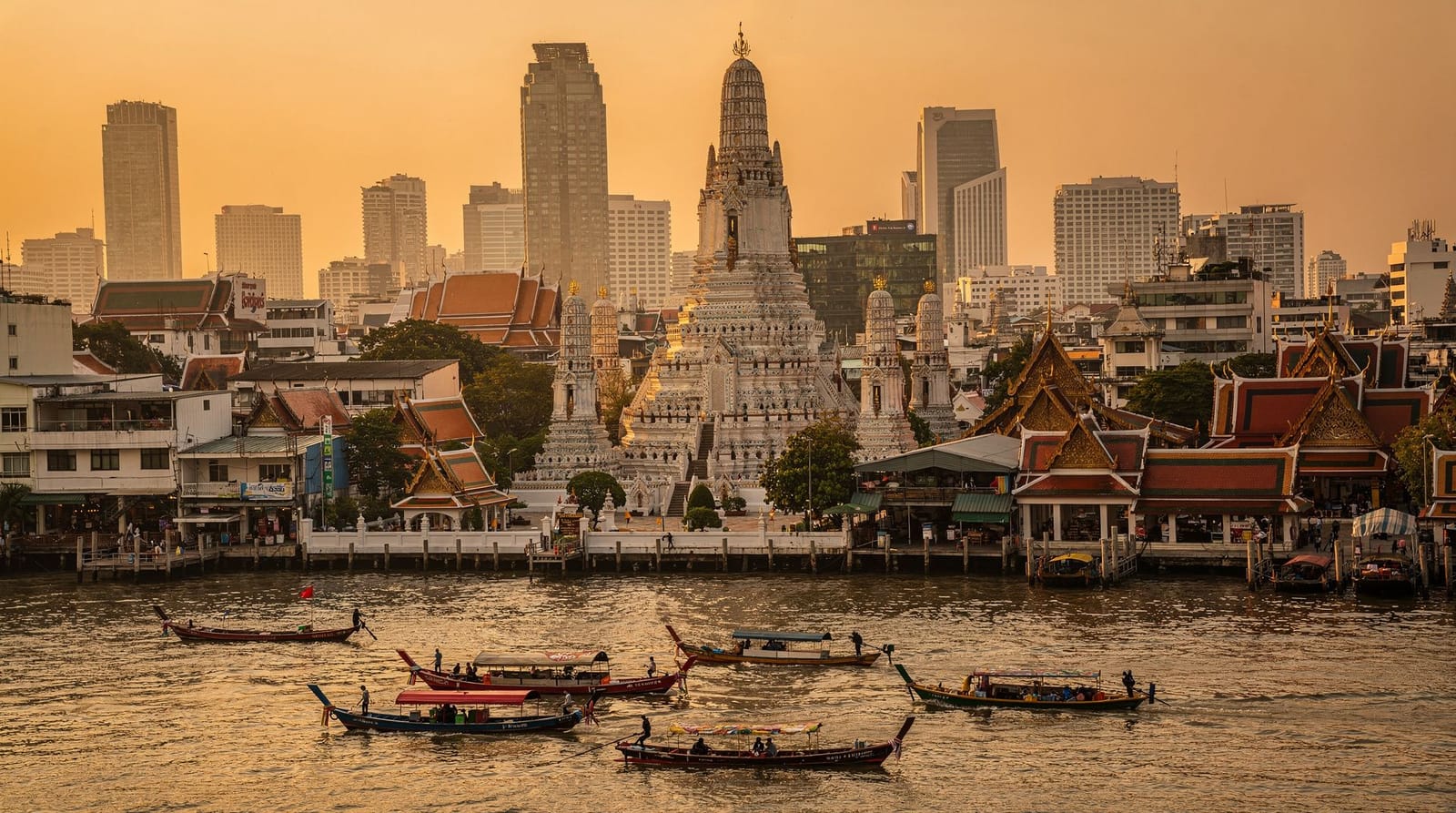
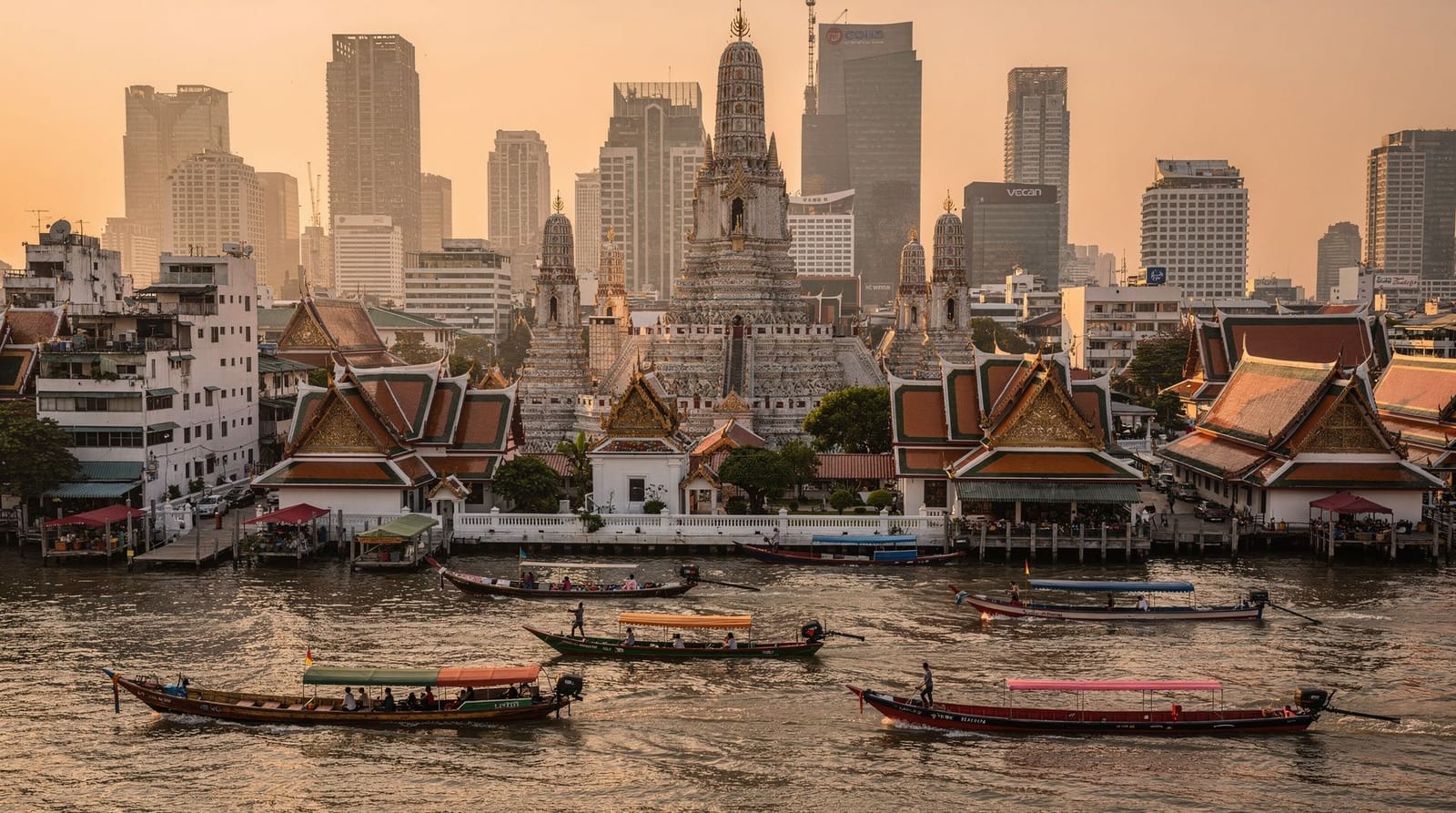
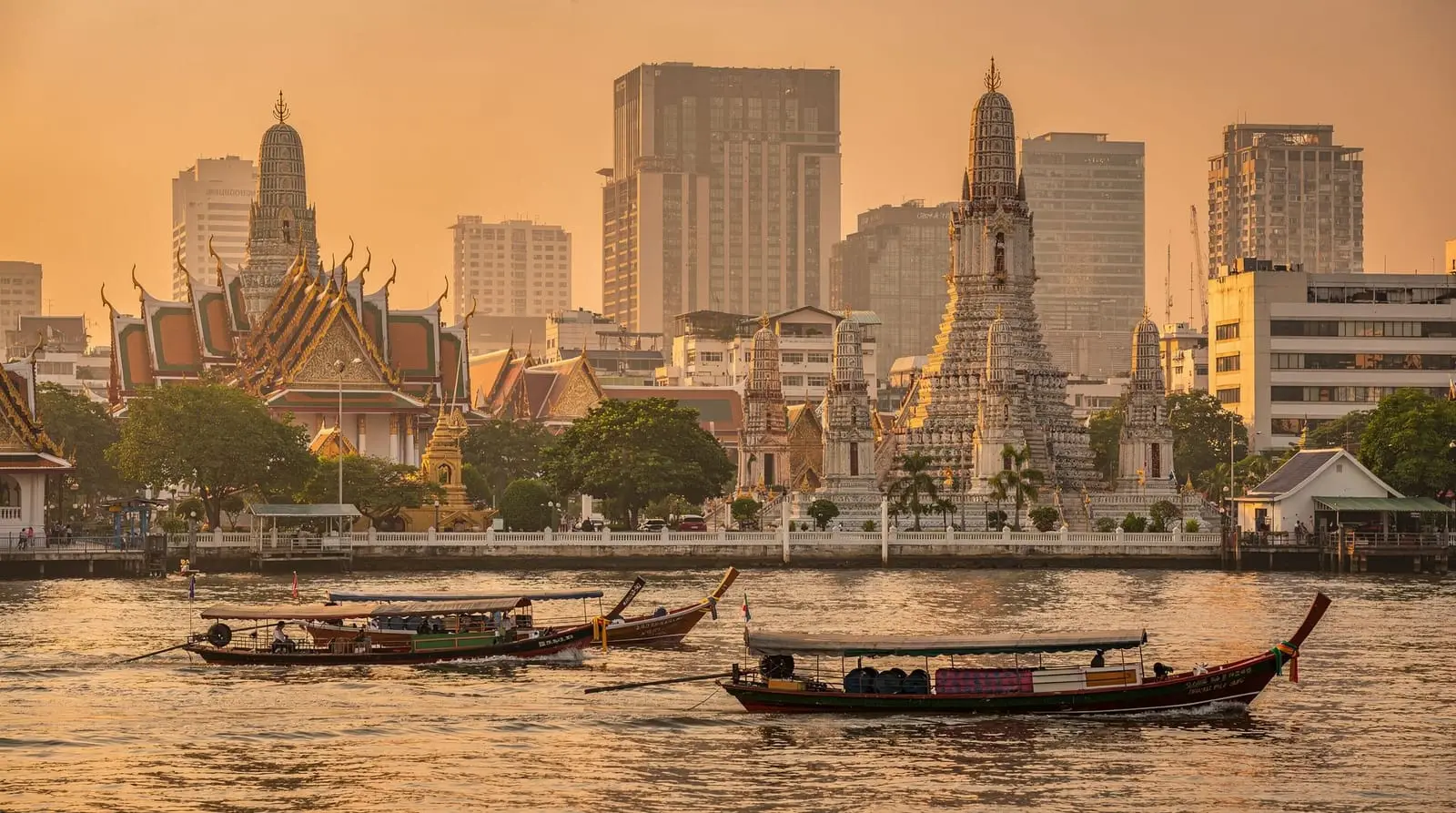
A 10-minute walk south brings you to Wat Pho and its 46-metre gold-leaf Reclining Buddha (entry ~300 THB, ~$9), home of Thailand’s most famous massage school — you can book a half-hour traditional massage on site for around 280 THB. From the adjacent Tha Tien pier, a 5 THB cross-river ferry deposits you at Wat Arun, the porcelain-studded Temple of Dawn, where ~200 THB lets you climb the steep central prang for a view back over the river. Doing all three in one morning is the most efficient sightseeing in the city; if you would rather hand off logistics and context, a guided small-group temple tour covering all three removes the queuing and the guesswork. For a fuller route, see our temple-hopping itinerary and the broader best temples guide. Beyond the big three, the Golden Mount at Wat Saket (~100 THB) and the dazzling marble Wat Benchamabophit reward those with extra temple appetite.
Get on the Chao Phraya river
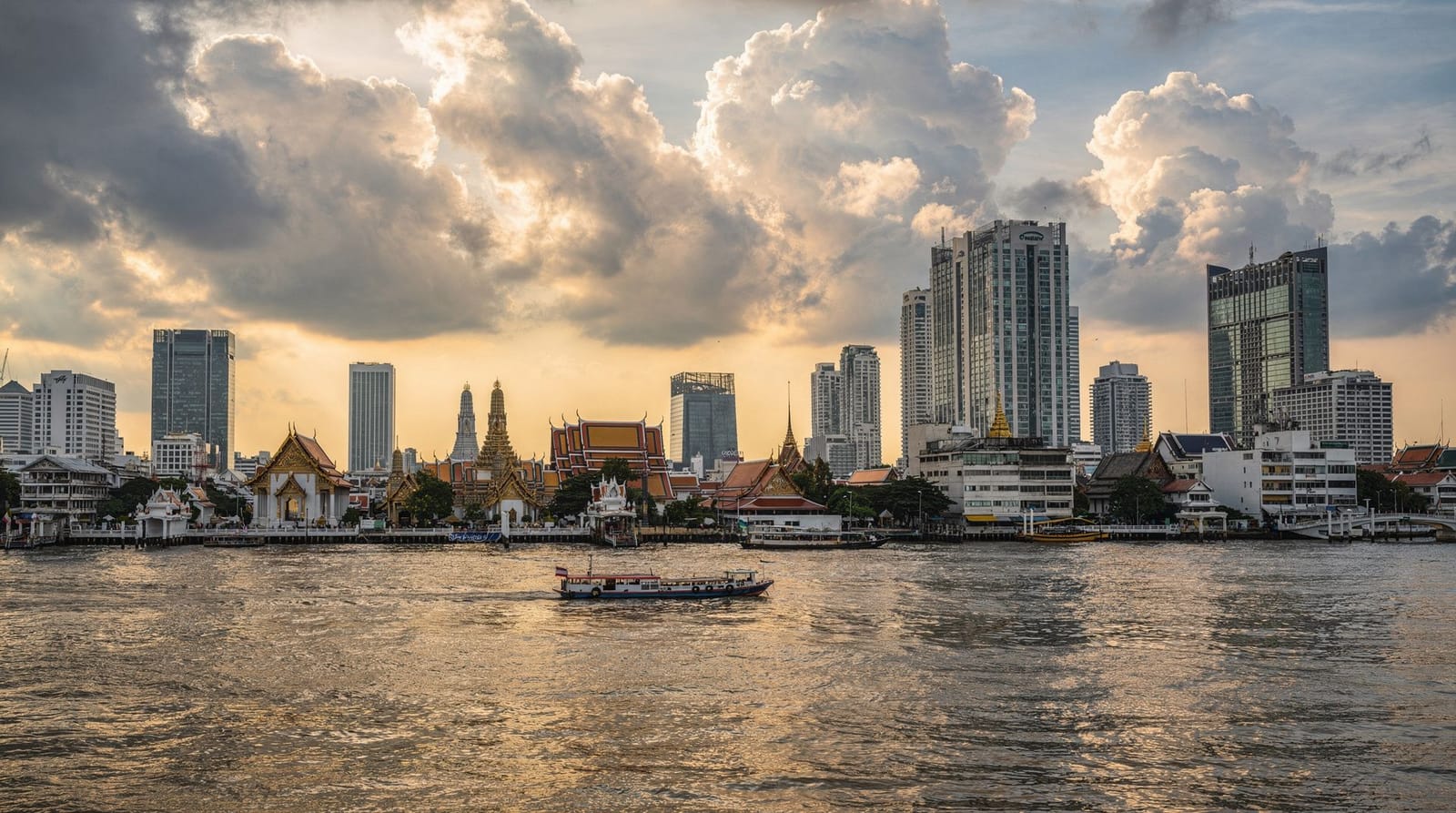
The river is Bangkok’s original highway and its best-value sightseeing. The orange-flag commuter boats run from Saphan Taksin pier (connected to BTS Saphan Taksin) for around 16 THB and stop near most old-city temples — far cheaper and more local than the blue-flag tourist boat. Spend a slow hour hopping piers, watching longtail boats and rice barges, and you will understand the city’s geography better than any map. Our Chao Phraya river-boats guide breaks down every flag colour and pier.
For evening, the river turns romantic. A dinner cruise glides past the floodlit Grand Palace and Wat Arun; the food is rarely spectacular but the views are, and an all-in river dinner cruise with hotel transfer spares you the pier logistics after dark. To go deeper into the old waterways, a longtail canal tour through the Thonburi khlongs reveals stilt houses, temple-side communities and a quieter Bangkok most visitors never see.
Eat your way through Chinatown and beyond
Street food is not a side activity in Bangkok — it is a main event, and Yaowarat, the Chinatown spine, is its loudest stage. From roughly 18h00 the street fills with woks, charcoal grills, oyster omelettes, grilled river prawns and bird’s-nest dessert stalls. Come hungry, eat in small bites across many stalls, and follow the locals to the longest queues. Our Yaowarat food guide maps the best stalls, and the wider street-food guide covers what to order citywide. If the choice is overwhelming, a guided evening street-food tasting tour walks you to vetted stalls with a local who orders for you.
Beyond Chinatown, chase a single great pad thai, graze the michelin street food stalls — yes, Bangkok has street stalls in the Michelin guide — or learn to make it yourself in a Thai cooking class, one of the best rainy-afternoon investments in the city. A filling plate of street food runs 50–80 THB, so eating well here costs almost nothing; the joy is in grazing widely rather than committing to one big meal. For the nervous, our street-food safety primer covers the simple rules — eat where it is busy, watch the food being cooked fresh, and trust the queues — that keep your stomach happy. For a fuller picture of what to order, the what to eat guide walks through the dishes worth seeking out.
See Bangkok from above
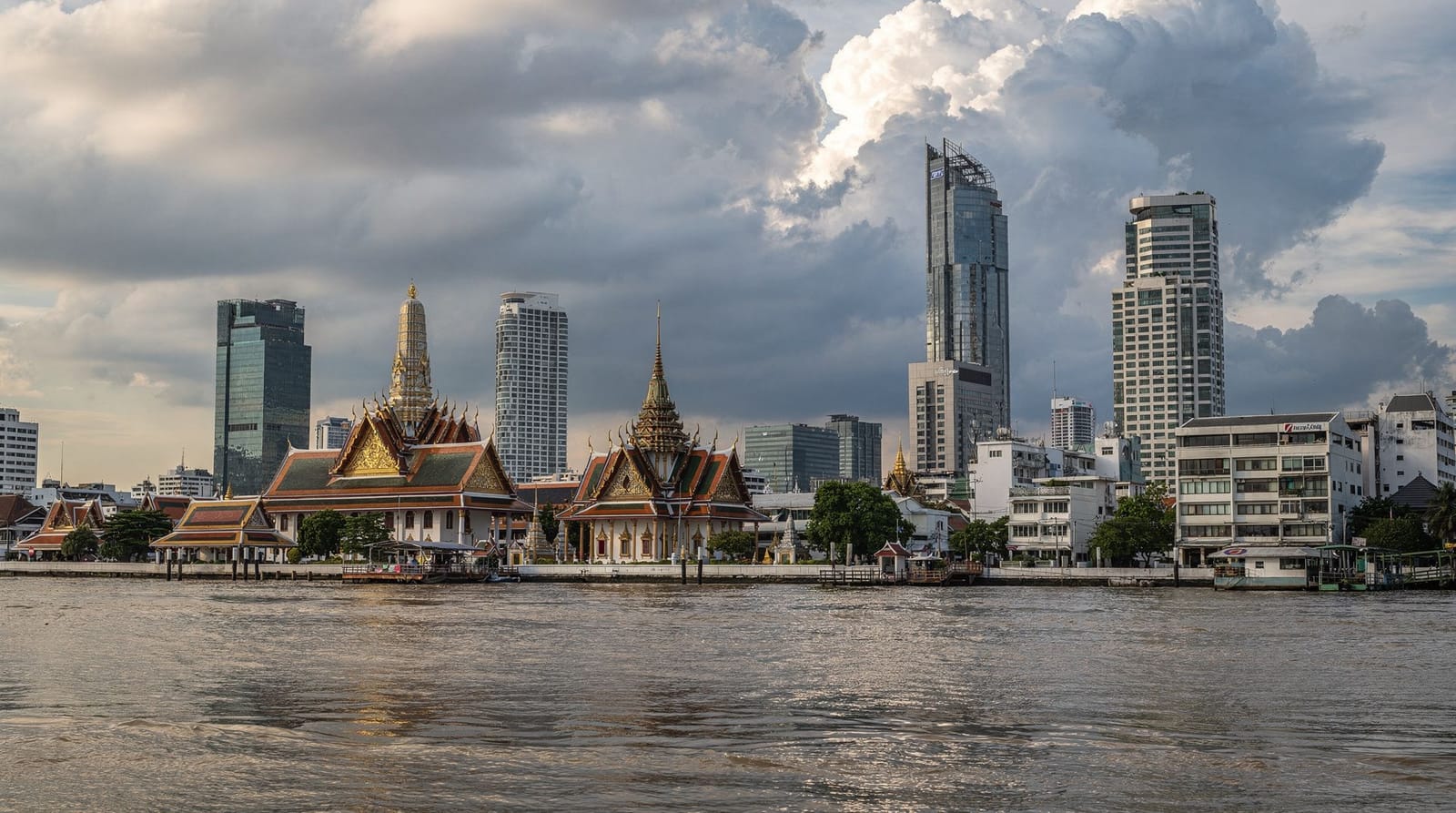
The skyline is genuinely spectacular, and the city has leaned into it. The Mahanakhon SkyWalk atop the King Power Mahanakhon tower (BTS Chong Nonsi) is the tallest open-air observation deck in Thailand, complete with a glass-floor tray that is not for the faint-hearted; entry runs about 880 THB (~$27). A timed SkyWalk ticket with sunset slot is the smart way to catch the golden hour without queuing. For a cheaper view, nurse a drink at one of the city’s famous rooftop bars — the price of a cocktail buys the same panorama. Our Bangkok with a view guide ranks every high-altitude option.
Spend a half-day at the markets
Markets are where Bangkok’s commercial soul shows itself. The vast Chatuchak Weekend Market (Saturdays and Sundays, free entry, MRT Kamphaeng Phet) packs 15,000 stalls of clothing, art, plants and food into a maze you could happily lose half a day in — go early before the heat peaks. For something more atmospheric, the Pak Khlong flower market runs 24 hours near the river and costs nothing to wander, busiest and most fragrant after dark. The Rod Fai train night market is the best for vintage stalls and craft-beer bars. Skip the much-hyped Damnoen Saduak floating market unless you commit to arriving before 09h00 — by mid-morning it is a slow-moving traffic jam of tourist boats and inflated prices.
Slow down in the green spaces
Bangkok is not all concrete. Lumphini Park (free, MRT Lumphini or Silom) is the city’s central lung, a place of dawn tai chi, paddle boats and resident water monitor lizards that look prehistoric and are entirely harmless. Across the river, the Bang Krachao green lung — an artificial-island jungle reachable by a short ferry — is best explored by bicycle on raised concrete paths through palm groves and stilt villages; our Bang Krachao bike tour guide explains the crossing. These are the antidote to temple fatigue and traffic noise. For something more active, the Bang Krachao bike tours wind through this jungle island at a gentle pace, and the city’s other parks — from riverside promenades to pocket gardens — offer free, shaded refuge whenever the sightseeing starts to wear you down. A morning in the green and a market in the cool of evening is a far smarter rhythm than back-to-back temples in the midday sun.
Experience Bangkok after dark
The city does not slow down at sunset — it changes gear. Beyond the rooftops, the nightlife ranges from polished cocktail dens to the hidden Chinatown speakeasies tucked behind unmarked shophouse doors. For a uniquely Thai night out, watch a Muay Thai bout at one of the historic stadiums — the energy in the ringside seats, the live music and the betting crowd are an experience in themselves. The Asiatique riverside night bazaar pairs shopping with a Ferris wheel and cabaret, and the Rod Fai markets keep going late with vintage stalls and food trucks. Our Bangkok at night guide maps an evening that suits your pace, whether that is a quiet riverside dinner or a long crawl through the bars.
See a different Thailand on a day trip
If your stay stretches past three days, the surrounding region rewards a break from the city. Ayutthaya, the former capital’s UNESCO temple ruins, is the standout — 80km north and reachable by train or tour in under two hours; our Ayutthaya day trip guide covers the logistics. The moving Kanchanaburi and the Death Railway makes a longer but profound day, and the Maeklong railway market, where stalls fold away as a train rumbles through, pairs well with a dawn floating-market visit. The full day trips from Bangkok guide ranks them honestly so you do not waste a precious day on the wrong one.
Time your visit and budget realistically
When you come matters as much as what you do. The cool, dry months of November to February are the most comfortable but the busiest; the hot season from March to May climbs to 35–40°C with April the peak; and the June–October rainy season trades short afternoon downpours for hotel rates 30–50 percent lower. Our best time to visit and month-by-month weather guides go deeper. On money, plan for roughly 700–1,200 THB a day as a backpacker, 2,500–5,000 THB mid-range, and 8,000 THB and up for luxury; the travel costs breakdown turns that into a realistic daily figure, and the budget guide helps stretch it. Carry cash for street food and markets, where cards are rarely accepted.
Choose your neighbourhood base
Where you sleep shapes your trip. Sukhumvit is the modern, BTS-connected heart with malls, nightlife and the best transport links; Silom and Sathorn suit business and rooftop bars; the Riverside is atmospheric and luxurious; and Khao San Road remains backpacker central, close to the old city but loud. Our full neighbourhoods guide and where to stay breakdown help you match a district to your trip style.
Build it into a day-by-day plan
Once you know what appeals, structure it. A tight Bangkok in 3 days itinerary covers the essentials without burning out; the first-timer route sequences the classics logically; and if time is short, the layover itinerary squeezes the highlights into a few hours. Pair this pillar with our top attractions ranking and the must-see for first-timers shortlist to lock in your final list.
For a fast mental model before you dive into a full itinerary, here is how the guide above maps onto three days:
| Day | Focus | From this guide |
|---|---|---|
| Day 1 | Old-city temple loop, river boat | Grand Palace, Wat Pho, Wat Arun, Chao Phraya |
| Day 2 | Chinatown, markets, a view | Yaowarat food, Chatuchak or Rod Fai, Mahanakhon SkyWalk |
| Day 3 | Green space or a day trip | Lumphini/Bang Krachao, or Ayutthaya/Kanchanaburi |
What needs booking ahead, and what does not
Most of Bangkok rewards spontaneity, but a few things are worth locking in before you land. Book ahead: any dinner cruise or sunset SkyWalk slot, a table at a popular restaurant on a weekend, and — if your trip is short — a guided temple tour so you are not queuing for tickets on a tight schedule. No need to book ahead: street food, Chatuchak Market, most temples on a weekday, river boats, and casual bars — these run on turn-up-and-go logic and overbooking them just adds rigidity to a trip that rewards flexibility. The exception is anything tied to a fixed time slot, like a sunset view or a cooking class with limited seats, where advance booking is the only way to guarantee the experience you actually want.
If the heat or rain derails your plan
Bangkok’s climate will occasionally rewrite your day, and it helps to have a backup ready rather than losing an afternoon to indecision. On a scorching midday, retreat to an air-conditioned mall, the Jim Thompson House, a cooking class, or a spa session — see the Thai massage guide for real prices. On a sudden downpour, most rain passes within an hour, so a covered market, a mall food court, or a riverside café with a roof is usually enough to wait it out; our Bangkok in the rain guide has the fuller playbook. The lesson either way is the same: build slack into the middle of the day rather than a wall-to-wall schedule, so weather becomes an inconvenience rather than a wrecked afternoon.
Master the transport before you arrive
Half of enjoying Bangkok is moving through it without stress, and the city’s transport is far better than its traffic reputation suggests. The BTS Skytrain runs two elevated lines (Sukhumvit and Silom) above the worst gridlock — buy a Rabbit Card on arrival to tap through quickly. The MRT subway covers the Blue and Purple lines and interchanges with the BTS at several points, while the Chao Phraya river boats handle the old city. For door-to-door trips the Grab and Bolt apps give fair fixed fares with no haggling; metered taxis are fine if the driver agrees to the meter, which our Grab, taxi and tuk-tuk guide explains how to insist on. From the airport, the Suvarnabhumi rail link reaches the centre in about 30 minutes for ~45 THB. Read the full getting around guide and you will navigate the city like a regular within a day.
Avoid the classic Bangkok traps
A little caution saves a lot of grief. The most persistent scam is the “Grand Palace is closed today” line, delivered by a friendly stranger near the gates who steers you to a gem shop or a 20-baht tuk-tuk tour that exists only to earn commissions — the palace is open daily; walk on. Always insist on the taxi meter or use Grab, never ride elephants (ethical guidance here), and read our full common scams and what to skip guides before you arrive. None of this should make you anxious — Bangkok is friendly and safe — but knowing the playbook lets you say no with a smile.
Frequently asked questions about Things to do in Bangkok: the honest planner
How many days do you need in Bangkok?
What is the single best thing to do in Bangkok?
Is Bangkok worth visiting in the rainy season?
How do you get around Bangkok as a tourist?
What should you not do in Bangkok?
What free things can you do in Bangkok?
What is the best time of year to visit Bangkok?
Top experiences
Bookable activities with verified prices and instant confirmation on GetYourGuide.