Ethical elephant tourism near Bangkok
From Bangkok: Pattaya Ethical Elephant Sanctuary Day Trip
How do I find an ethical elephant experience near Bangkok?
Choose a genuine sanctuary that offers observation and feeding only, with no riding, no shows, no bullhooks or chains, good veterinary care and small groups. Never ride elephants or watch them paint or do tricks. Many places call themselves a sanctuary while still offering rides, so verify the no-riding policy before you book.
Seeing elephants is on almost every Thailand list, and it is one of the easiest things to get badly wrong. The industry is full of places that use the word sanctuary while still offering rides, shows and the cruelty those depend on. This guide is the honest version: why you must never ride an elephant or watch one perform, how to tell a genuine sanctuary from a rebranded camp, where the real no-riding options near Bangkok are, and how to book one with a clear conscience.
| Where | Kanchanaburi (2–3hrs W) or Pattaya (2hrs SE) |
| Cost | A deliberate splurge — expect more than a roadside ride |
| Non-negotiables | No riding, no shows, no bullhooks, no chains |
| Time needed | Full day, including travel |
| Best for | Families and anyone who wants a genuine wildlife encounter |
The rule that matters most
Never ride elephants, and never watch them paint, play football or do circus tricks. That single rule rules out the majority of elephant attractions in Thailand, and it should. Everything else in this guide is about choosing well among the genuinely ethical options that remain. The same uncompromising stance appears in our what to skip in Bangkok and Bangkok tourist traps guides, because elephant riding belongs firmly on the skip list.
Why riding and shows are cruel
The reason is not sentiment, it is biology and training. An elephant’s spine is not built to carry weight on its back, and riding, especially with a heavy seat, causes lasting spinal damage. Worse is how the animals are made rideable in the first place. The traditional training process, often called the crush, takes a young elephant from its mother and breaks its will through confinement, pain, food deprivation and the bullhook, a metal-tipped tool used to control it through fear. The same training underlies painting, football and trick shows. A ride or a show may look gentle in the moment, but the docility you are watching was manufactured through cruelty, which is why there is no ethical version of either.
What a genuine sanctuary looks like
A real sanctuary puts the elephant’s welfare above your photo. The markers are concrete: observation and feeding only, no riding, no performances, no chains or bullhooks in everyday use, proper veterinary care, room to roam, and small visitor groups so the animals are not crowded. The language matters too; honest sanctuaries describe rescue, rehabilitation and natural behaviour rather than entertainment. Be skeptical, because plenty of places have simply added the word sanctuary to a riding camp. Our ethical elephant sanctuary near Bangkok guide goes deeper on vetting individual operators.
The bathing debate
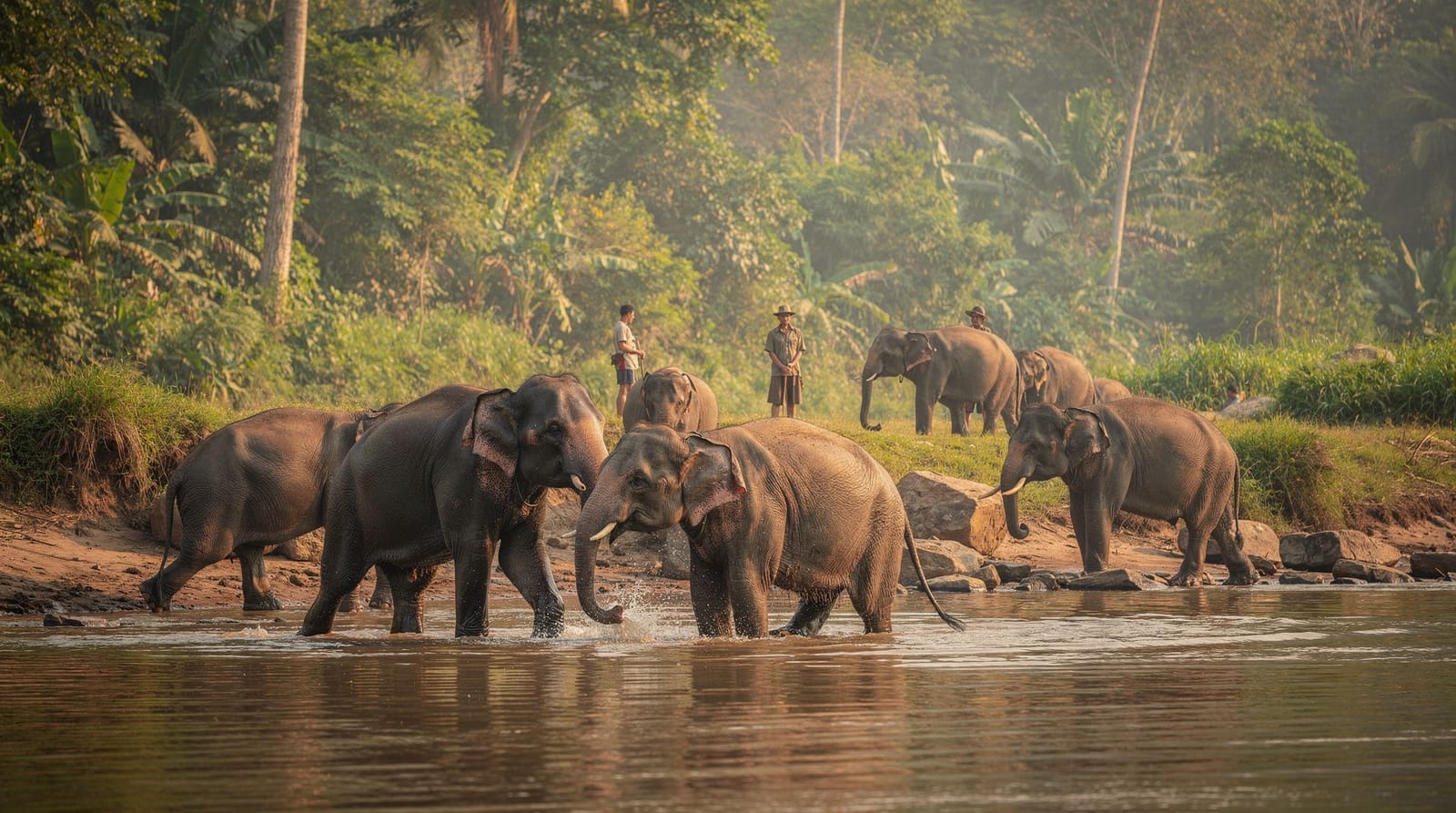
One nuance worth knowing: elephant bathing, long marketed as the ethical alternative to riding, is now increasingly questioned. Many welfare advocates argue that bathing sessions, especially busy ones with lots of tourists climbing in, are stressful for the animals and still revolve around human handling rather than the elephant’s needs. The current best practice is observation only, watching the elephants bathe themselves in their own time rather than scrubbing them for a photo. If a place offers bathing, it should be calm, optional and limited; an observation-focused sanctuary is the safest ethical choice.
The real options near Bangkok
The genuinely ethical, no-riding sanctuaries reachable from Bangkok are mostly day trips of two to three hours each way. To the west, the Kanchanaburi area, also home to the Death Railway, has several rescue-focused sanctuaries set in forest and riverside settings. To the southeast, near Pattaya, there are observation-led parks within easy day-trip reach. Both regions pair naturally with other sights, so they slot into the Bangkok with day trips itinerary. A reputable Pattaya-area sanctuary that focuses on feeding and observation is a clean, well-run choice:
Visit an ethical no-riding sanctuary near PattayaThe Kanchanaburi sanctuaries are equally strong and combine beautifully with a day exploring the river and the historic railway:
Spend a day at a Kanchanaburi elephant sanctuaryThe greenwashing problem
The biggest obstacle to ethical elephant tourism is language. Over the past decade the word sanctuary has been so heavily co-opted by marketing that it now means almost nothing on its own. Riding camps have rebranded as sanctuaries while still offering rides; venues with painting shows describe themselves as rescue centres; places that chain elephants overnight advertise ethical encounters by day. This greenwashing is deliberate, because it captures exactly the well-meaning tourist who wanted to do the right thing. The defence is to ignore the name entirely and judge only the activities. A place that offers riding is a riding camp no matter what it calls itself; a place built around shows is a circus no matter how green its website looks. Read past the branding to the actual itinerary, every time, and the marketing loses its power. Our what to skip in Bangkok guide treats elephant riding as a non-negotiable skip for exactly this reason.
What a good visit actually looks like
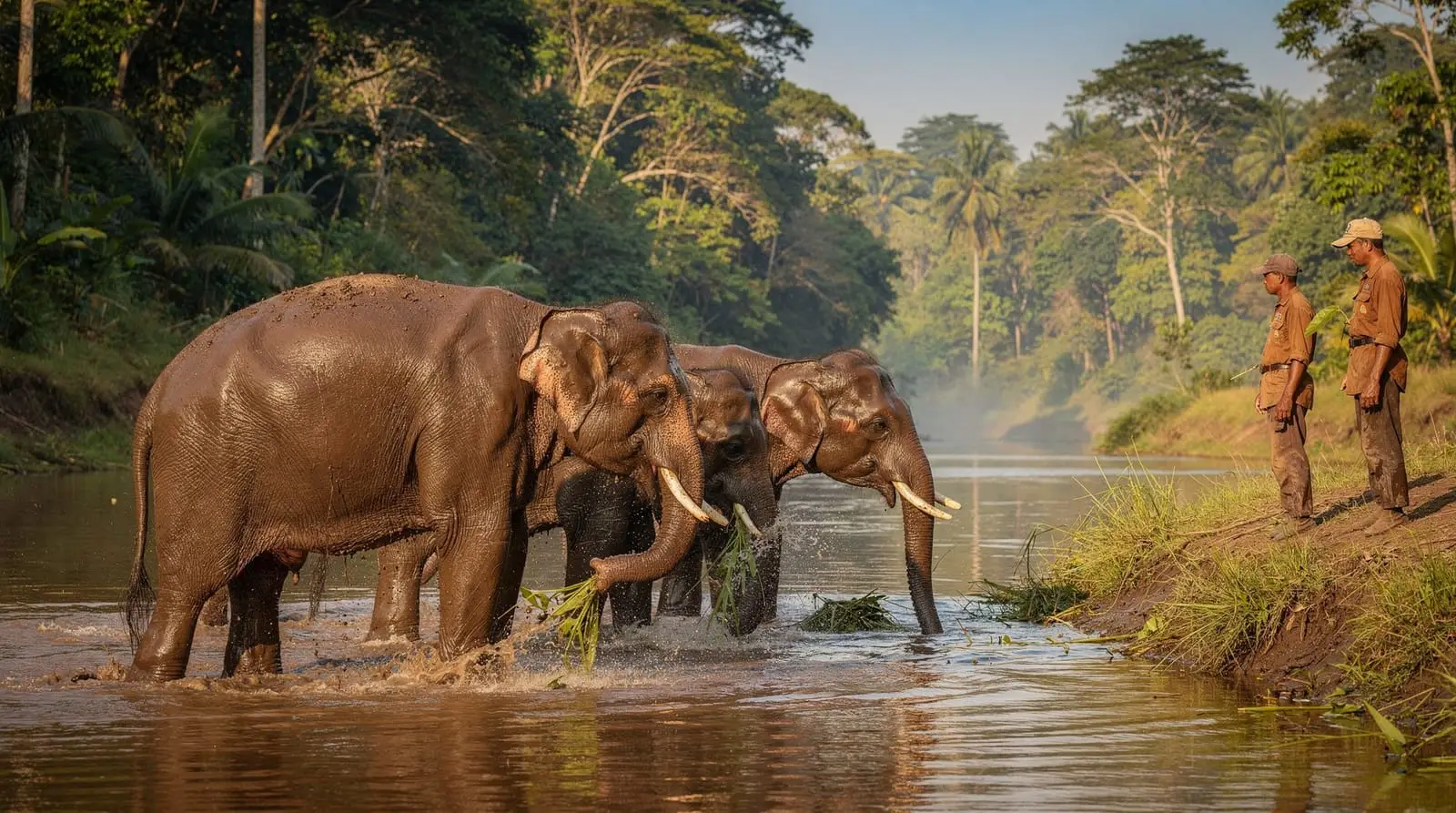
It helps to picture the ethical version so you know it when you see it. At a genuine sanctuary, you typically arrive to a briefing about the resident elephants, many of them rescued from logging, riding camps or street begging, and learn their individual histories. You prepare food and feed them, watch them roam and forage in a large natural space, and observe natural behaviour rather than performances. There are no seats on their backs, no painting easels, no footballs, no bullhooks in the mahouts’ hands, and no chains beyond what is genuinely needed for safety and welfare. Group sizes are kept small so the animals are not crowded. You leave having been close to elephants on their terms, with photographs of animals being elephants rather than props. That is the experience worth paying for, and it is genuinely moving in a way no ride could match.
The cost and what you are paying for
Ethical sanctuaries are not the cheapest elephant option, and that is part of the point. A well-run day trip with transfers, a meal and a half or full day at the sanctuary costs more than a quick roadside ride, because proper veterinary care, large land, rescued animals and limited group sizes are expensive to maintain. When you pay that price, you are funding the welfare model rather than the cruelty model, which is exactly the choice this guide is asking you to make. Budget for it as a deliberate splurge within your trip; the Bangkok travel costs guide helps you plan where the money goes, and the Bangkok with day trips itinerary slots the day in. A cheap elephant experience almost always means someone, or something, is paying a hidden cost.
Kanchanaburi as a fuller day
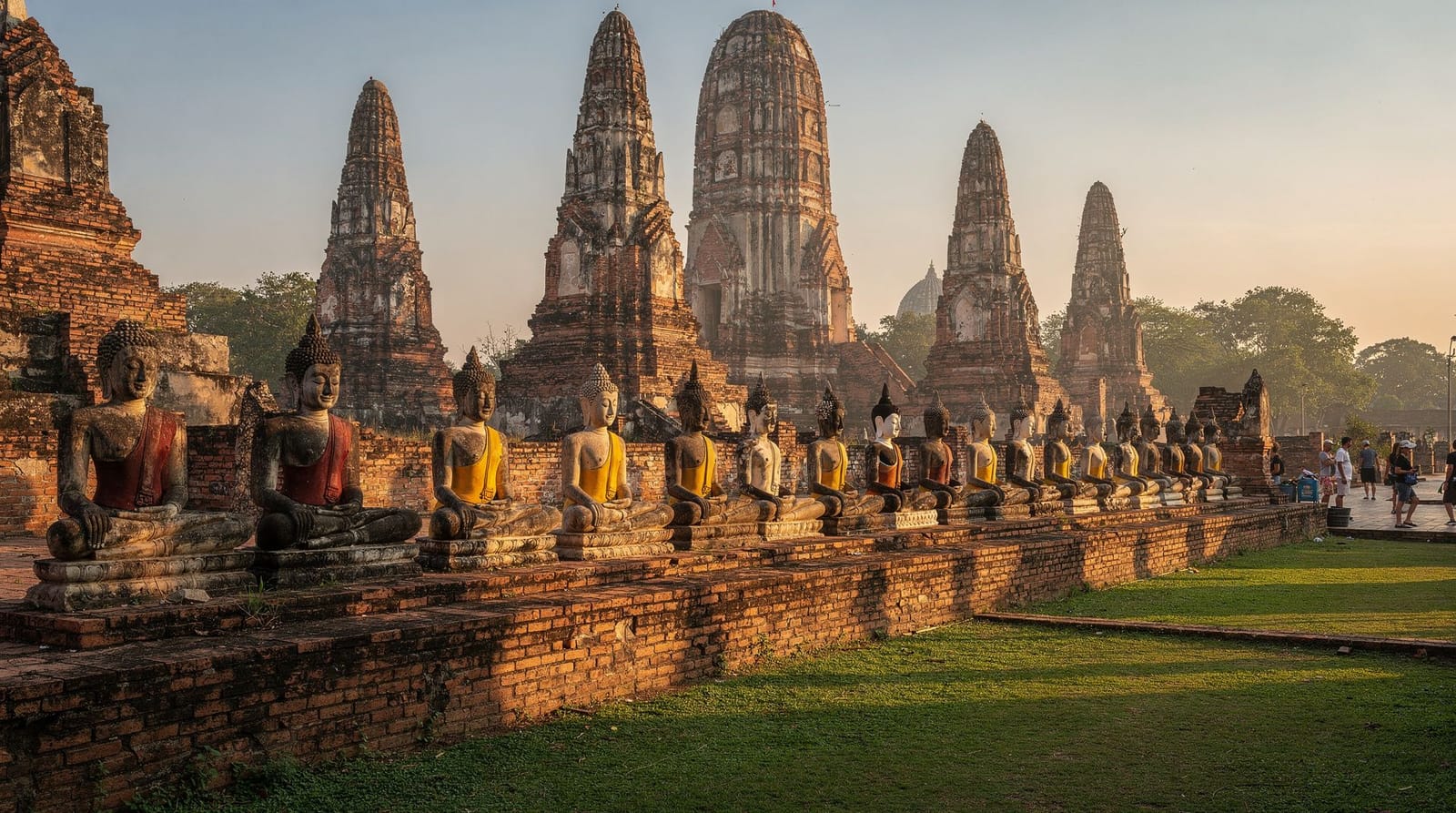
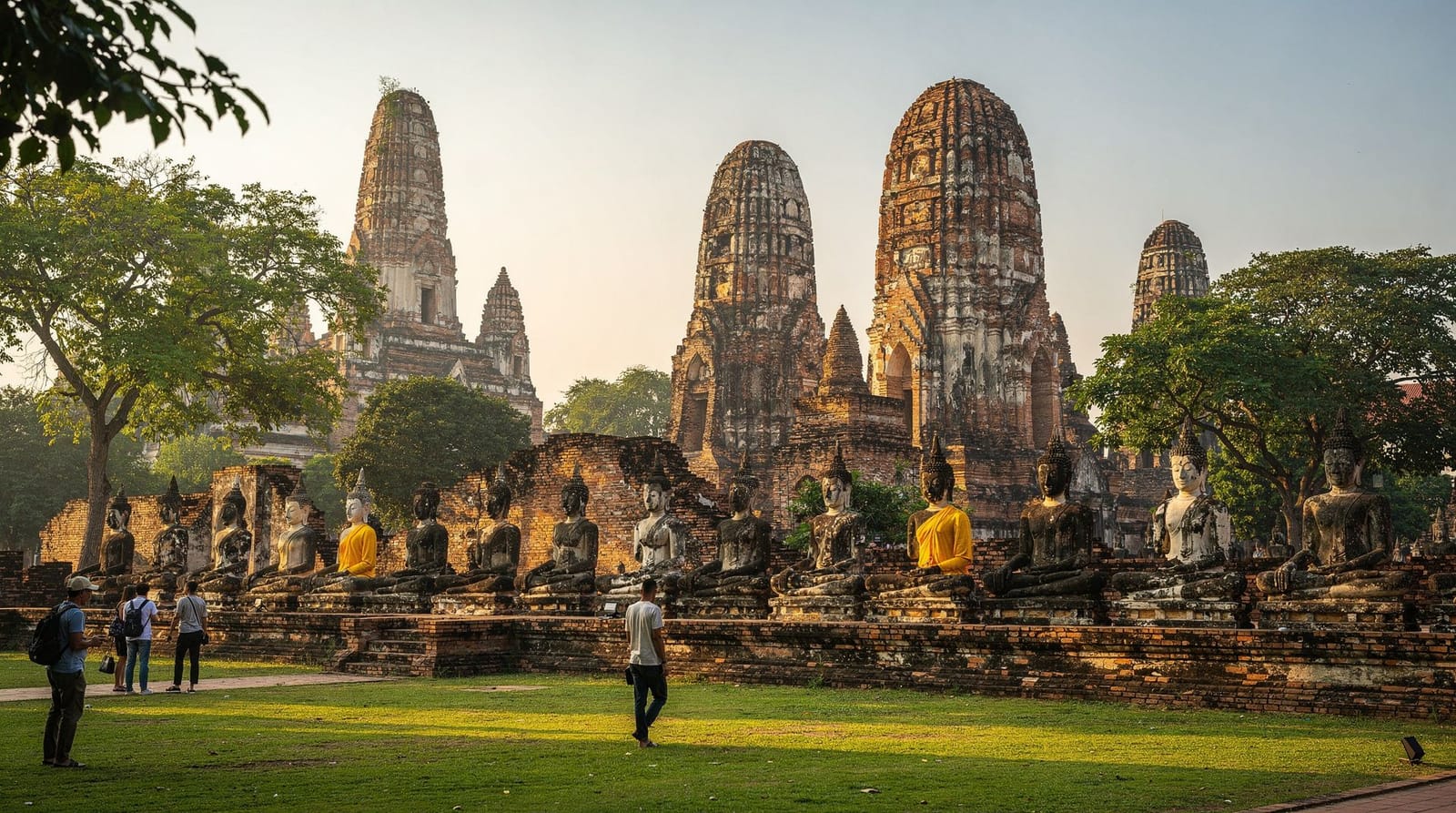
If you want the elephant visit to be part of a richer day, Kanchanaburi is the standout base. Beyond its rescue sanctuaries, the area holds the sobering history of the Death Railway and the River Kwai, set in genuinely beautiful countryside a couple of hours west of the city. A trip here can pair an ethical, no-riding sanctuary with the historic railway and river scenery, making the long drive clearly worthwhile. The Kanchanaburi destination page covers what else to see, and a combined sanctuary-and-Erawan day is a strong, ethical option:
See elephants ethically on a Kanchanaburi and Erawan dayHow to verify before you book
Do not take marketing on trust. Read the actual activity list on any booking before you pay. If it includes riding, shows, painting, football or circus tricks anywhere, skip it entirely, even if the rest sounds ethical. Look for an explicit no-riding, no-hook policy, small group sizes, and detailed descriptions of feeding, walking alongside and observation rather than performance. Reviews that mention chains, hooks or tired-looking street-corner photos are red flags. The ethical elephant sanctuary near Bangkok guide lists the specific questions to ask, and Bangkok for first-timers folds the wider ethical-travel mindset into trip planning.
Making a day of it
Because these sanctuaries are full-day trips, plan around them. A Kanchanaburi visit can combine the sanctuary with the Death Railway and the River Kwai; a Pattaya trip can add the coast. Use the getting around Bangkok guide for transfers and the Bangkok with day trips plan to fit it into your week. Families travelling with children will find ethical sanctuaries genuinely rewarding and educational, and the Bangkok with kids guide helps tailor the day; it is a far better lesson than a ride could ever be.
The questions to ask before booking
If you want a single checklist, ask these questions of any operator before you pay, and treat a vague or evasive answer as a no. Do you offer riding at any point in the visit? Are there any shows, painting, or tricks? Do mahouts carry or use bullhooks? Are elephants chained during the day, and how much space do they have to roam? How many guests are in a group? What is the elephants’ history, and who provides veterinary care? A genuine sanctuary answers all of these clearly and proudly, because the answers are its whole reason for existing. An operator that dodges them, or buries riding in the small print, has told you what you need to know. The ethical elephant sanctuary near Bangkok guide expands each question, and the same scrutiny applies to any animal attraction you consider in Thailand.
The honest bottom line
Elephants are one of the best reasons to leave Bangkok for a day, and one of the easiest things to do unethically. Hold the line, never ride, never watch shows, choose observation over bathing, verify the no-riding policy before you book, and pick a genuine rescue sanctuary in Kanchanaburi or near Pattaya. Do that and you get a moving, memorable encounter with these animals without funding their mistreatment. Read this alongside what to skip in Bangkok, and let the elephants be the highlight they deserve to be.
Frequently asked questions about Ethical elephant tourism near Bangkok
Why should I never ride elephants?
What makes a real elephant sanctuary?
Is elephant bathing ethical?
Are elephant painting and shows cruel?
How far are ethical sanctuaries from Bangkok?
How do I check a place is genuinely ethical?
Can children visit elephant sanctuaries?
Top experiences
Bookable activities with verified prices and instant confirmation on GetYourGuide.