Chinatown speakeasies: Bangkok's hidden cocktail bars
Bangkok: The Speakeasy, Rooftop & Iconic Venues Pub Crawl
Where are the best hidden cocktail bars in Bangkok's Chinatown?
The standouts are Teens of Thailand (a tiny gin bar behind an unmarked door on Soi Nana), Tep Bar (Thai spirits and live Thai music), Ba Hao (Chinese-inspired cocktails in a red-lit shophouse), Asia Today, Pijiu Bar and Soul Bar. They cluster around Soi Nana — the Chinatown lane, not the Sukhumvit one — and Talat Noi, a short walk from Wat Mangkon MRT. Cocktails run 280–400 THB, most open from around 19h00, and you find them by looking for discreet doorways rather than signs.
A decade ago, Bangkok’s Chinatown emptied out after the gold shops closed and the last street-food stalls packed up. Today it is one of the city’s most exciting nightlife districts — not for clubs or rooftops, but for a dense cluster of hidden cocktail bars tucked behind unmarked doors in the old Sino-Thai shophouses of Yaowarat and Talat Noi. This is Bangkok’s speakeasy heartland: tiny, design-led, drink-serious bars where a cocktail costs a third of a rooftop’s and the craft is genuinely world-class. This guide names the best of them, tells you how to find them, what they cost, and how to pair a night of cocktails with the street food just outside the door.
| Where | Soi Nana (Chinatown) and Talat Noi, off Charoen Krung Road |
| Cost | Cocktails ~280–400 THB, beers ~120–280 THB |
| Time needed | A full evening — 2–3 bars plus street food beforehand |
| Getting there | MRT Wat Mangkon (Blue Line) |
| Best time | From 19h00, weeknights are calmer, weekends need patience |
The bars, side by side
| Bar | Location | Price | Best for |
|---|---|---|---|
| Teens of Thailand | Soi Nana | 300–380 THB | The original gin den, tiny |
| Tep Bar | Soi Nana | 280–360 THB | Thai spirits and live music |
| Ba Hao | Soi Nana | 300–400 THB | Photogenic entry point, food too |
| Asia Today | near Soi Nana | 300–380 THB | Serious, uncrowded cocktails |
| Pijiu Bar | Soi Nana | 180–280 THB (beer) | Craft-beer break between cocktails |
| Soul Bar | Talat Noi | varies | Live music, quieter lanes |
The Chinatown nightlife renaissance
To understand why these bars matter, you have to understand what they revived. Chinatown — Yaowarat — has always been Bangkok’s street-food engine, covered in the Yaowarat street-food guide and the Chinatown Bangkok guide. But for decades it had almost no bar culture; the area shut down at night beyond the food.
That changed when a wave of young bartenders and designers began opening intimate cocktail bars in the district’s crumbling, characterful shophouses, drawn by cheap rent and incredible atmosphere. The opening of Wat Mangkon MRT station on the Blue Line made the area suddenly accessible, and the cluster around Soi Nana — the narrow Chinatown lane, emphatically not the Sukhumvit red-light Nana — became a genuine nightlife destination. Several of these bars now appear on Asia’s 50 Best Bars lists. The whole transformation is part of why Chinatown is one of the best evening neighbourhoods in the city, as the broader Bangkok nightlife guide explains.
A guided crawl is the easiest way to find several hidden doors in one night without getting lost.
Bangkok speakeasy and rooftop pub crawl — guided hop through the hidden barsTeens of Thailand — the gin den that started it
Location: Soi Nana, off Charoen Krung Road; nearest MRT Wat Mangkon (Blue Line)
If one bar lit the fuse for the Chinatown scene, it is Teens of Thailand. Behind a battered, graffiti-marked wooden door on Soi Nana — easy to walk straight past — is a tiny, candle-lit room built around gin. The bar makes its own gin infusions and builds cocktails on a base of botanicals, with Thai ingredients woven through. It seats only a handful of people, so it fills fast and spills onto the lane.
Cocktails run 300–380 THB. Honest take: the original and still one of the best, but genuinely tiny — come early or expect to wait, and treat it as one stop on a crawl rather than a settle-in spot. It anchors the Soi Nana cluster, so the next bar is always a few steps away.
Tep Bar — Thai spirits and live music
Location: Soi Nana, off Charoen Krung Road; nearest MRT Wat Mangkon (Blue Line)
Tep Bar is the most distinctly Thai of the Chinatown bars and many visitors’ favourite. Set in a high-ceilinged shophouse decorated in deep reds and golds, it builds cocktails on Thai spirits — including ya dong, the traditional herbal infusions — alongside Thai craft beers and a strong food menu. The signature is a shared welcome shot served in a ceramic set.
The draw beyond the drinks is the live Thai music several nights a week — traditional instruments given a contemporary energy, often turning the room into a buzzing, hand-clapping session by late evening. Cocktails are 280–360 THB. Honest take: the most atmospheric and the most fun of the cluster, especially on a live-music night; reserve at weekends because it packs out. The surrounding lanes are mapped in the Chinatown-Yaowarat destination page.
Ba Hao — the red-lit shophouse on Soi Nana
Location: Soi Nana, off Charoen Krung Road; nearest MRT Wat Mangkon (Blue Line)
Ba Hao occupies a beautifully restored three-storey Chinese shophouse, glowing red from the street and impossible to miss once you know the lane. The cocktails lean into Chinese flavours and heritage — think Chinese herbs, baijiu and tea infusions — and the food menu of Chinese-Thai small plates is good enough to make this a dinner-and-drinks stop.
Cocktails run 300–400 THB. There is even a small guesthouse above. Honest take: the most photogenic and the most accessible entry point to the scene for newcomers — it has an actual visible frontage, unlike the truly hidden bars — without sacrificing drink quality. A natural first or last stop on a Soi Nana crawl.
Asia Today — the bartender’s bar
Location: near Soi Nana, Charoen Krung area; nearest MRT Wat Mangkon (Blue Line)
Asia Today is a small, focused cocktail bar that the local bartending community rates highly — a place for serious, well-built drinks in an unfussy room. It trades on craft rather than gimmick, with a rotating menu that rewards regulars and a relaxed, knowledgeable crew behind the bar.
Cocktails are 300–380 THB. Honest take: less of a scene than Tep or Ba Hao, more of a place to actually sit and drink well — the one to choose when you want quality over spectacle.
Pijiu Bar — Chinatown’s craft-beer corner
Location: Soi Nana, off Charoen Krung Road; nearest MRT Wat Mangkon (Blue Line)
Not every good Chinatown night is cocktails. Pijiu — Mandarin for “beer” — is a tiny craft-beer bar on Soi Nana pouring a rotating, international and Thai craft selection, with a few stools and a friendly, low-key feel. It is the place to break up a run of cocktails with a cold, interesting beer.
Beers run 180–280 THB depending on the pour. Honest take: small, unpretentious and a useful palate-cleanser between the cocktail dens; pairs perfectly with a street-food break.
Soul Bar and the wider scene
Location: Talat Noi / Charoen Krung area; nearest MRT Wat Mangkon (Blue Line)
Beyond the Soi Nana core, the scene spreads into Talat Noi, the atmospheric old Teochew quarter of narrow lanes, vintage car-part workshops and street art covered in the Talat Noi guide and the Talat Noi destination page. Soul Bar is a long-running live-music and cocktail spot in this direction, and new bars open regularly as the renaissance spreads. Wandering the lanes between Soi Nana and Talat Noi, bar to bar, is the essence of a Chinatown night.
How to do a Chinatown speakeasy night
The ideal evening combines the food and the bars, which sit within a few minutes’ walk of each other. The classic plan:
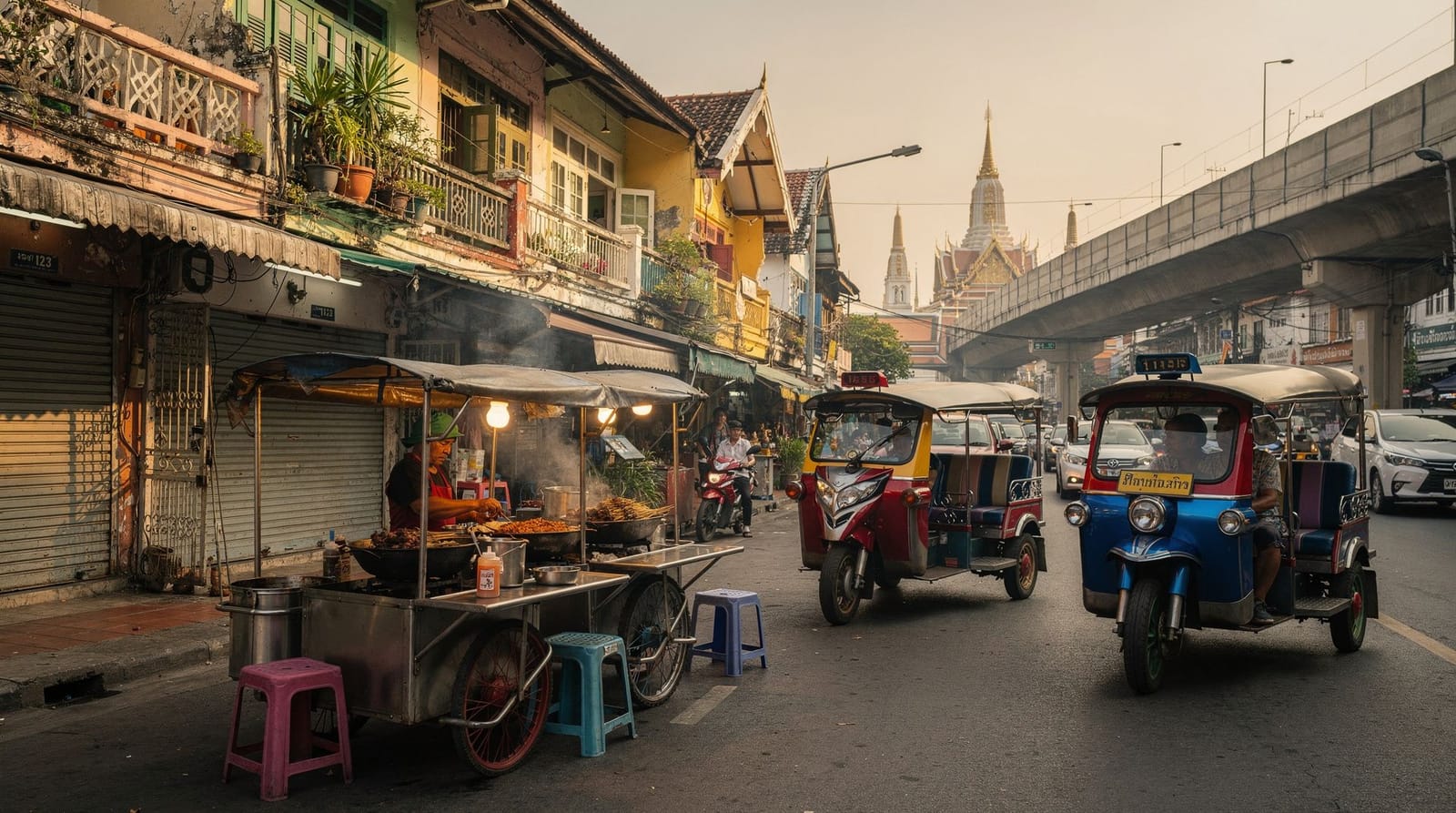
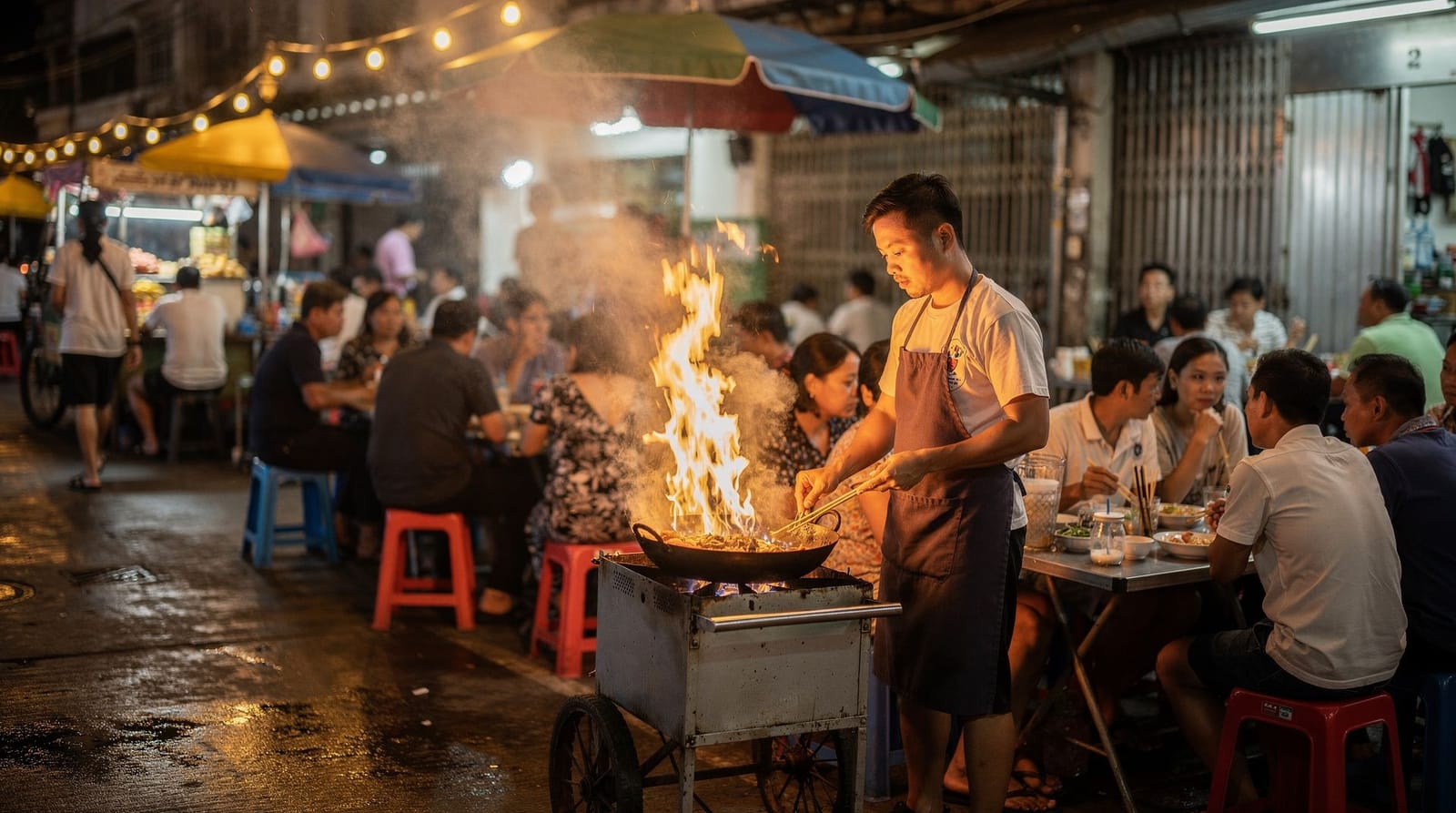
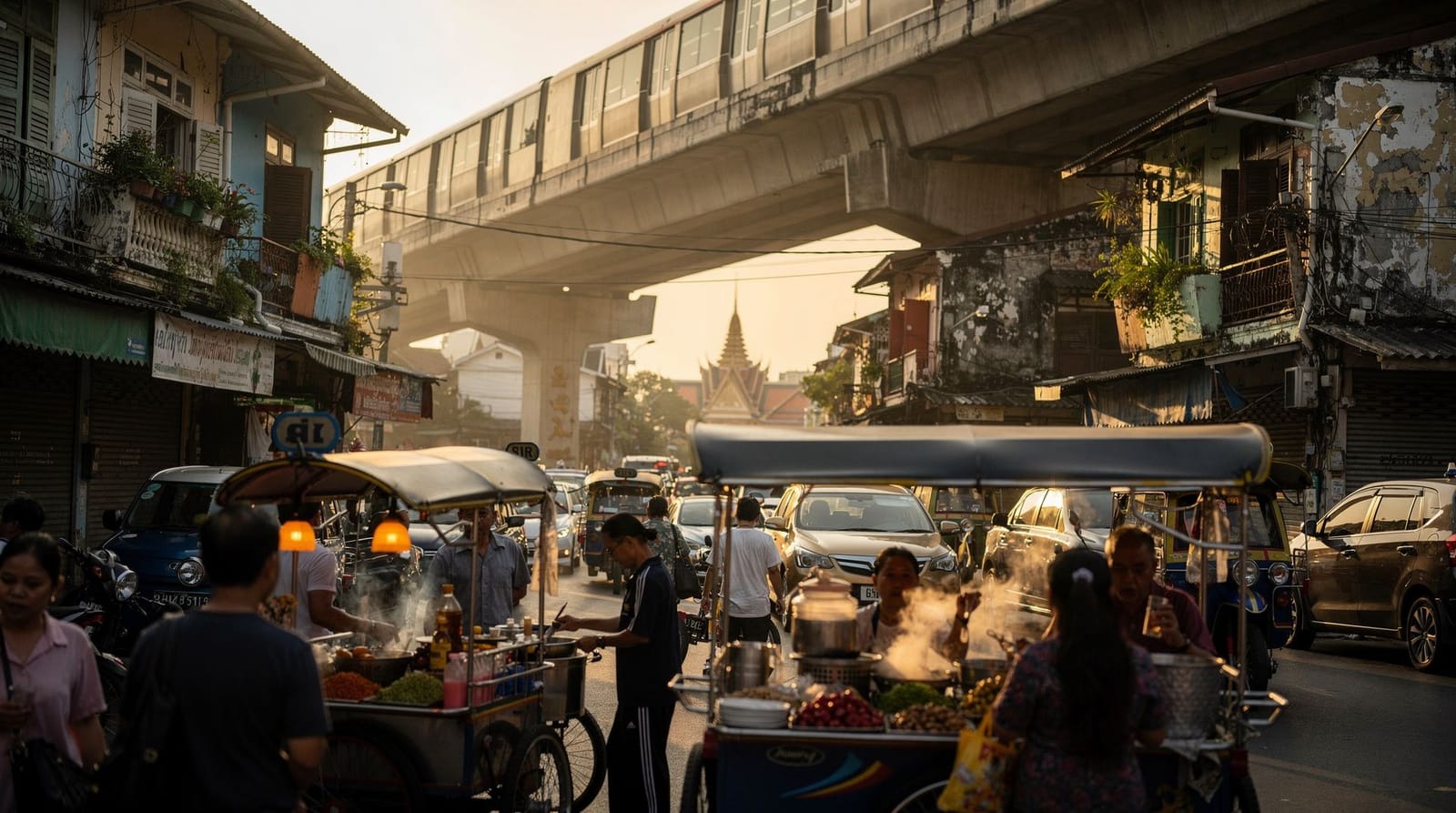
- Eat first. Arrive at Yaowarat around 18h00–19h00 and graze the street-food stalls — the legendary charcoal grills, seafood and noodle carts. The full crawl is in the Yaowarat street-food guide, and a private Chinatown street-food experience takes the guesswork out.
- Start the bars around 20h00 on Soi Nana — Ba Hao or Tep Bar as an easy opener, then the smaller dens.
- Wander into Talat Noi for a later, quieter drink among the shophouses.
This pairs naturally with a broader exploration of the area; the Chinatown Bangkok guide and a Chinatown by night experience cover the wider neighbourhood after dark.
How to find these hidden bars
The defining challenge — and charm — of Chinatown’s speakeasies is that most have no sign, or only a tiny one. Some practical advice:
- Use a maps app to navigate to the pinned door, then look for a discreet entrance: an old wooden door, a curtain, a single red light. The address gets you to the right few metres; your eyes do the rest.
- Soi Nana is the anchor. Once you are on the lane, several bars are within 50 metres of each other. Find one and the rest are easy.
- Ask. Locals, food-stall vendors and bar staff are used to pointing visitors to the hidden doors.
- Allow time to get lost. Part of the experience is wandering the atmospheric lanes — build that in rather than treating it as a problem.
Practical notes
Prices: cocktails 280–400 THB; beers 120–280 THB. Cash is useful at the smallest bars, though most take cards.
Hours: most open 18h00–19h00 and close around midnight, some later at weekends. Chinatown keeps slightly earlier hours than Sukhumvit.
Getting there and home: Wat Mangkon MRT on the Blue Line is the gateway, minutes from the bars. But the MRT stops around midnight, so plan a Grab for a later night — see the getting around Bangkok guide and the MRT subway guide.
Dress: relaxed. These are unpretentious bars with no real dress code — come as you are, though the crowd skews stylish.
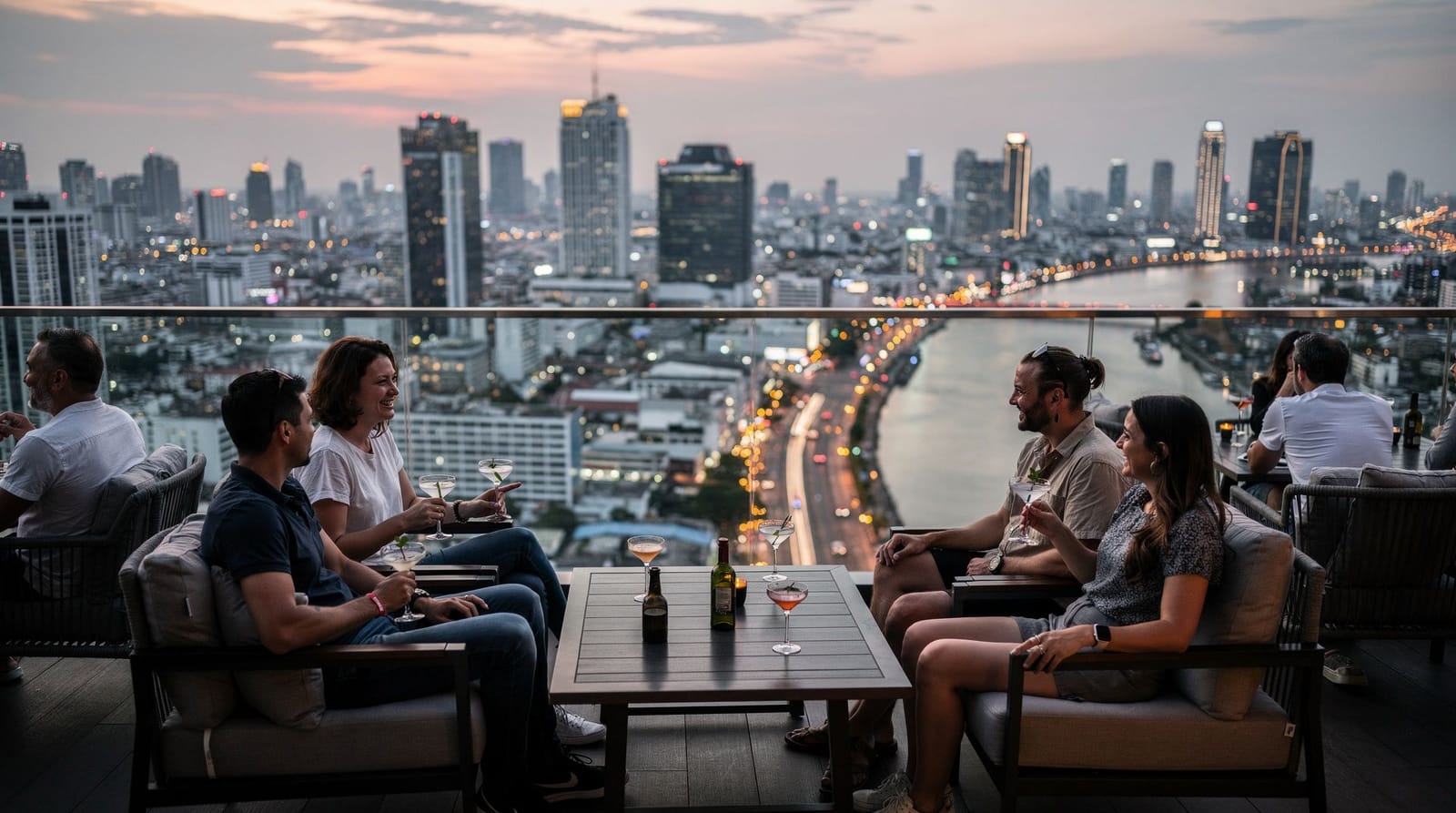
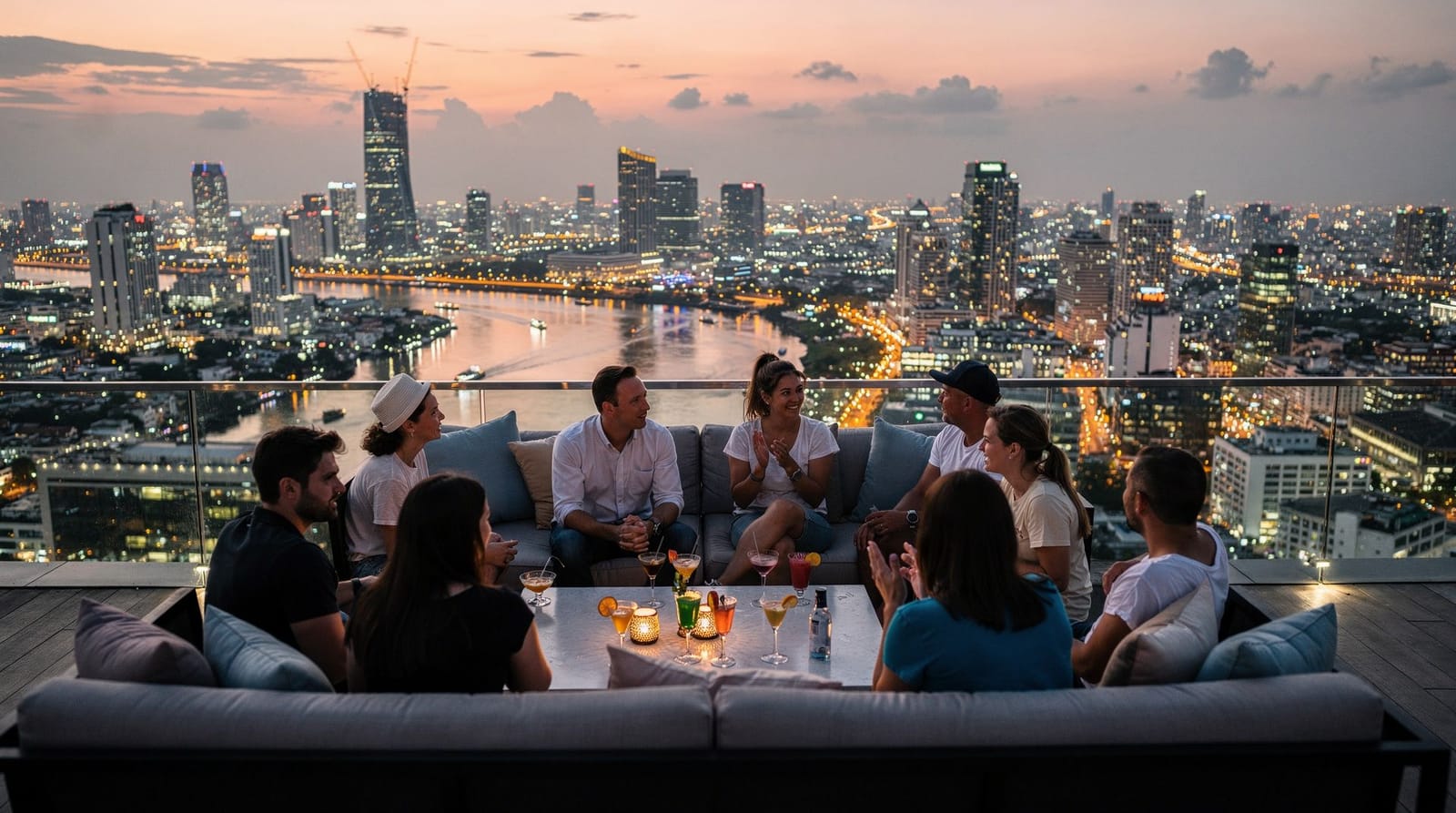
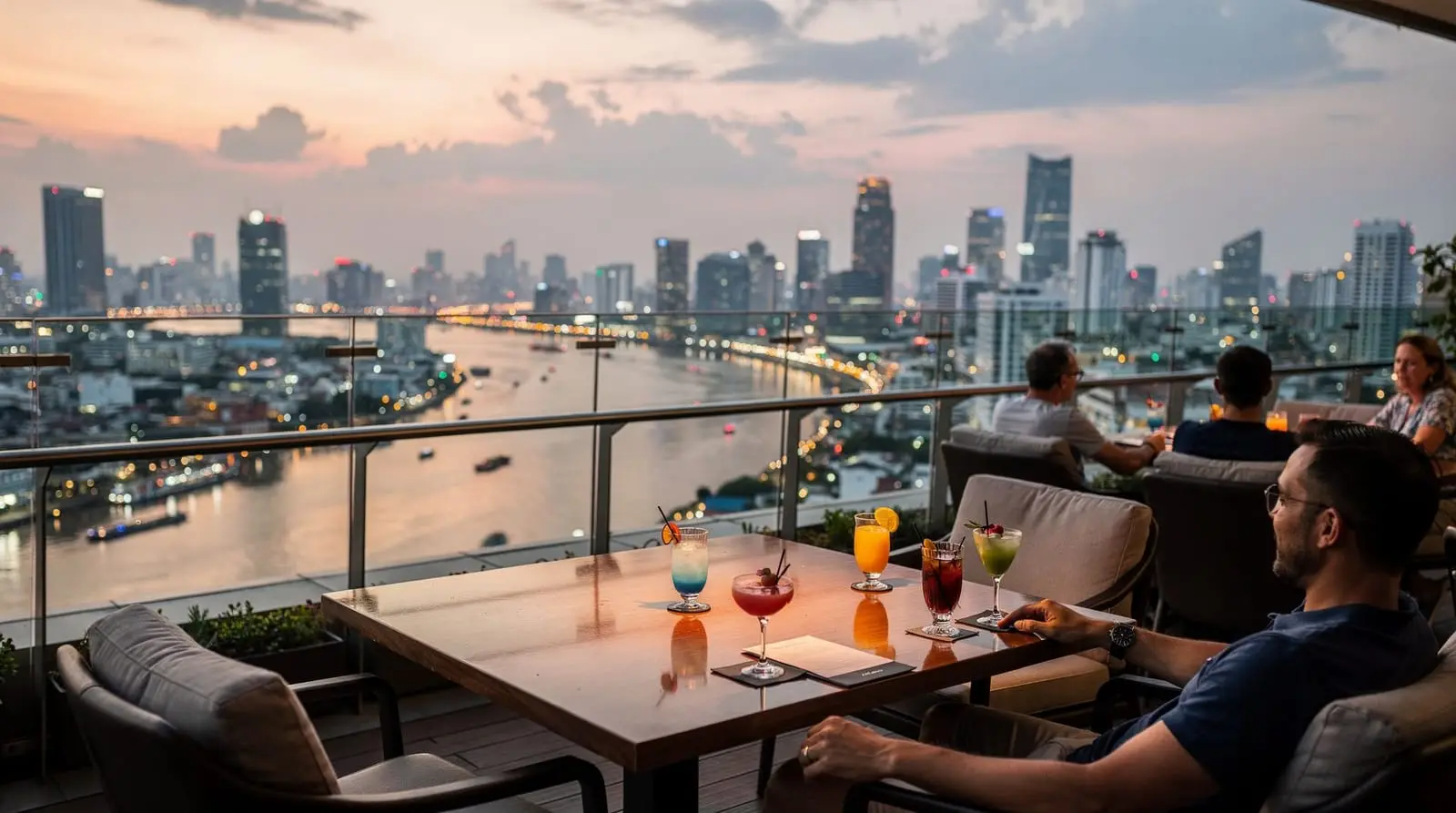
The contrast with the city’s other cocktail scene — the high-priced, view-driven rooftops — is stark and worth experiencing both. The best rooftop bars in Bangkok guide covers the other end of the spectrum.
Why Chinatown is the cocktail scene that matters
It is worth being clear about why this small cluster of bars deserves a night of your trip over the more famous options. Bangkok’s rooftops sell a view; the go-go strips sell spectacle; Khao San sells cheap chaos. The Chinatown speakeasies sell something rarer — genuinely excellent, inventive cocktails in settings that could not exist anywhere else, built into hundred-year-old shophouses by bartenders who treat the craft seriously. Several have earned international recognition not for novelty but for the quality of what is in the glass.
The setting is half the appeal. You are drinking in the heart of one of the world’s great Chinatowns, surrounded by the smells of charcoal grills and the glow of gold shops and shrines, in lanes that have barely changed in generations. The bars work with that fabric rather than against it: Tep Bar’s Thai herbal spirits, Ba Hao’s Chinese-medicine cocktails, the gin botanicals at Teens of Thailand all draw on the neighbourhood’s own ingredients and history. That sense of place is what makes a Chinatown cocktail night feel like Bangkok in a way a generic hotel bar never could.
It also remains, for now, a relatively local and uncommercialised scene. The bars are small, the crowd is a genuine mix of in-the-know Thais, expats and travellers who did their homework, and the whole thing has the energy of a neighbourhood reinventing itself rather than a tourist product. That will not last forever — get there while it still feels like a discovery. Pair it with the area’s daytime draws in the Chinatown Bangkok guide for a full picture of the district.
How Chinatown compares to Bangkok’s other bar scenes
Every part of Bangkok’s nightlife has a different personality, and it’s worth knowing where Chinatown sits. Thonglor and Ekkamai is the polished, expensive end — sleek cocktail lounges and a younger, moneyed crowd. Khao San Road is loud, cheap and backpacker-driven, built for volume rather than craft. Chinatown sits between the two: serious drinks at a fair price, in a setting neither polished nor rowdy, closer in spirit to a well-kept secret than either extreme. If your Bangkok trip only allows one cocktail-focused night out, Chinatown is the one that feels most unrepeatable elsewhere.
Going solo, and getting home safely
Chinatown’s bars work well for solo travellers — the small rooms make striking up a conversation easy, and bartenders are used to visitors arriving alone. The solo travel in Bangkok guide has wider tips on staying comfortable and safe out alone. The one planning point worth building in: MRT Wat Mangkon stops running around midnight, so a later night means a Grab home rather than the train. Confirm your pickup point in advance, since Soi Nana’s narrow lanes can be tricky for a driver to find — walking out to Charoen Krung Road usually gets a faster match. The Grab, taxi and tuk-tuk guide and MRT subway guide cover the practicalities.
Frequently asked questions about Chinatown speakeasies: Bangkok's hidden cocktail bars
Where exactly are Bangkok's Chinatown speakeasies?
How much do cocktails cost in Chinatown's speakeasies?
Do I need a reservation for Chinatown speakeasies?
How do I find an unmarked speakeasy in Chinatown?
Can I combine Chinatown speakeasies with street food?
Are Chinatown speakeasies safe and easy to get to?
What time do Chinatown's hidden bars open and close?
Top experiences
Bookable activities with verified prices and instant confirmation on GetYourGuide.