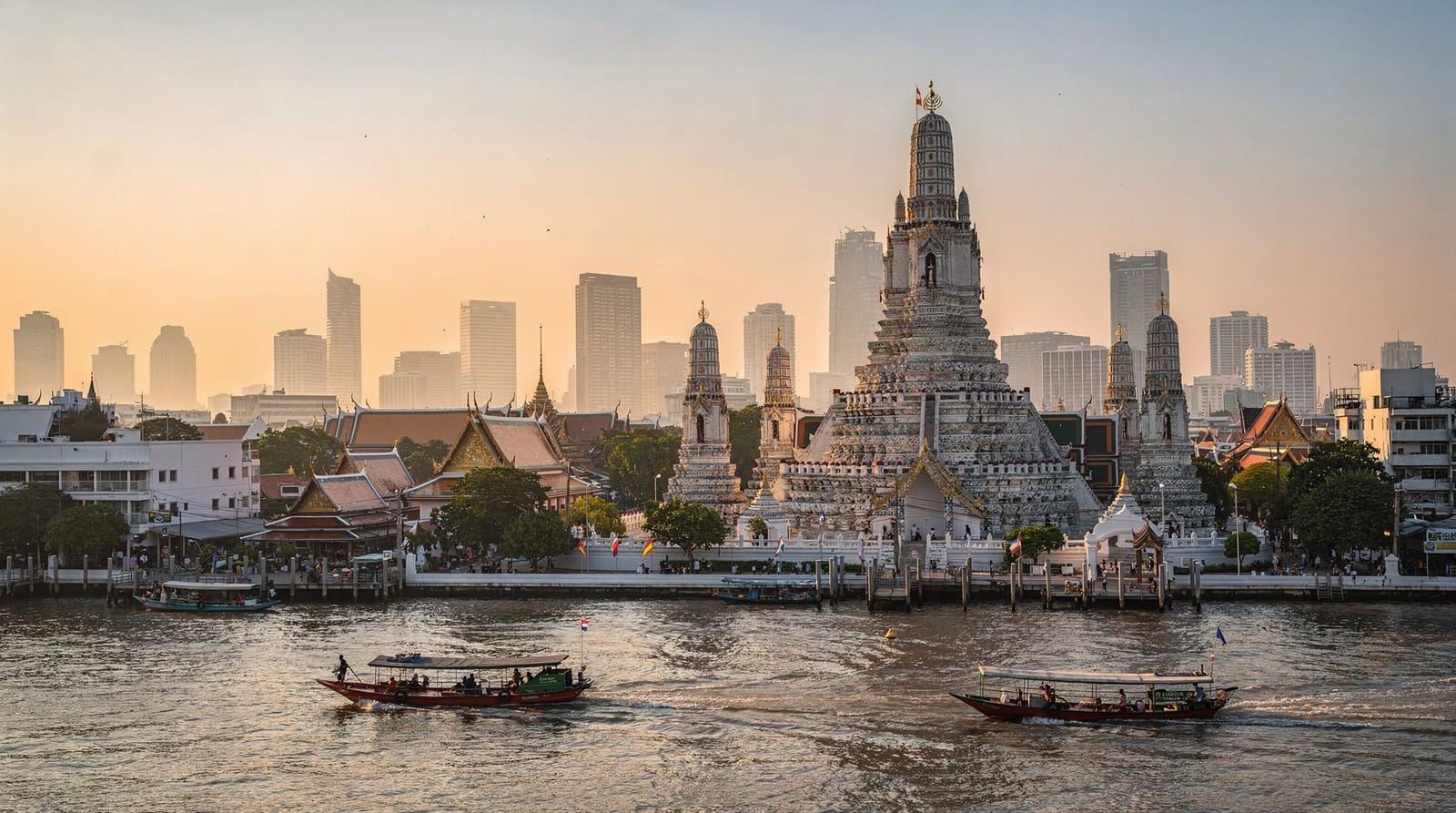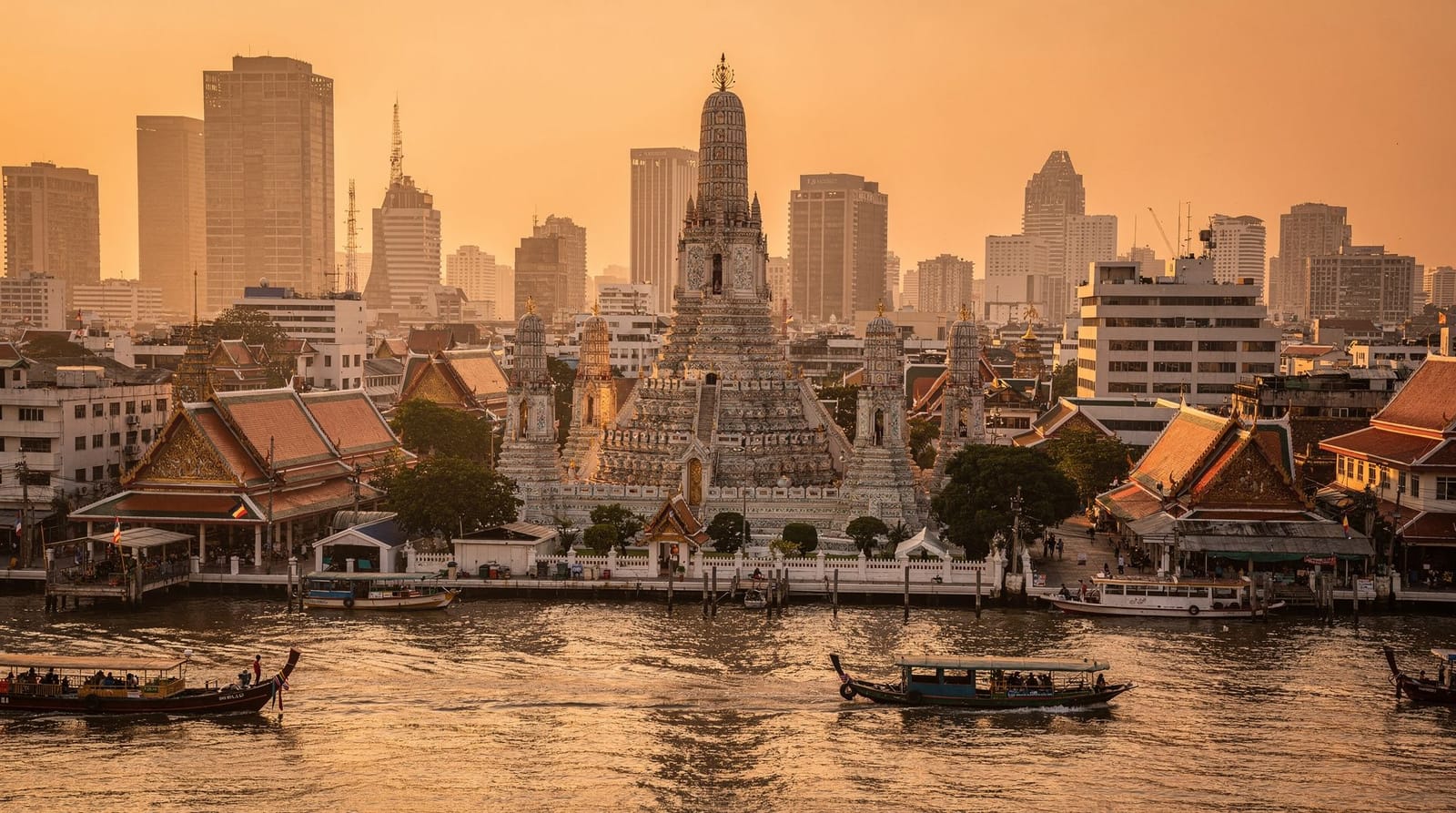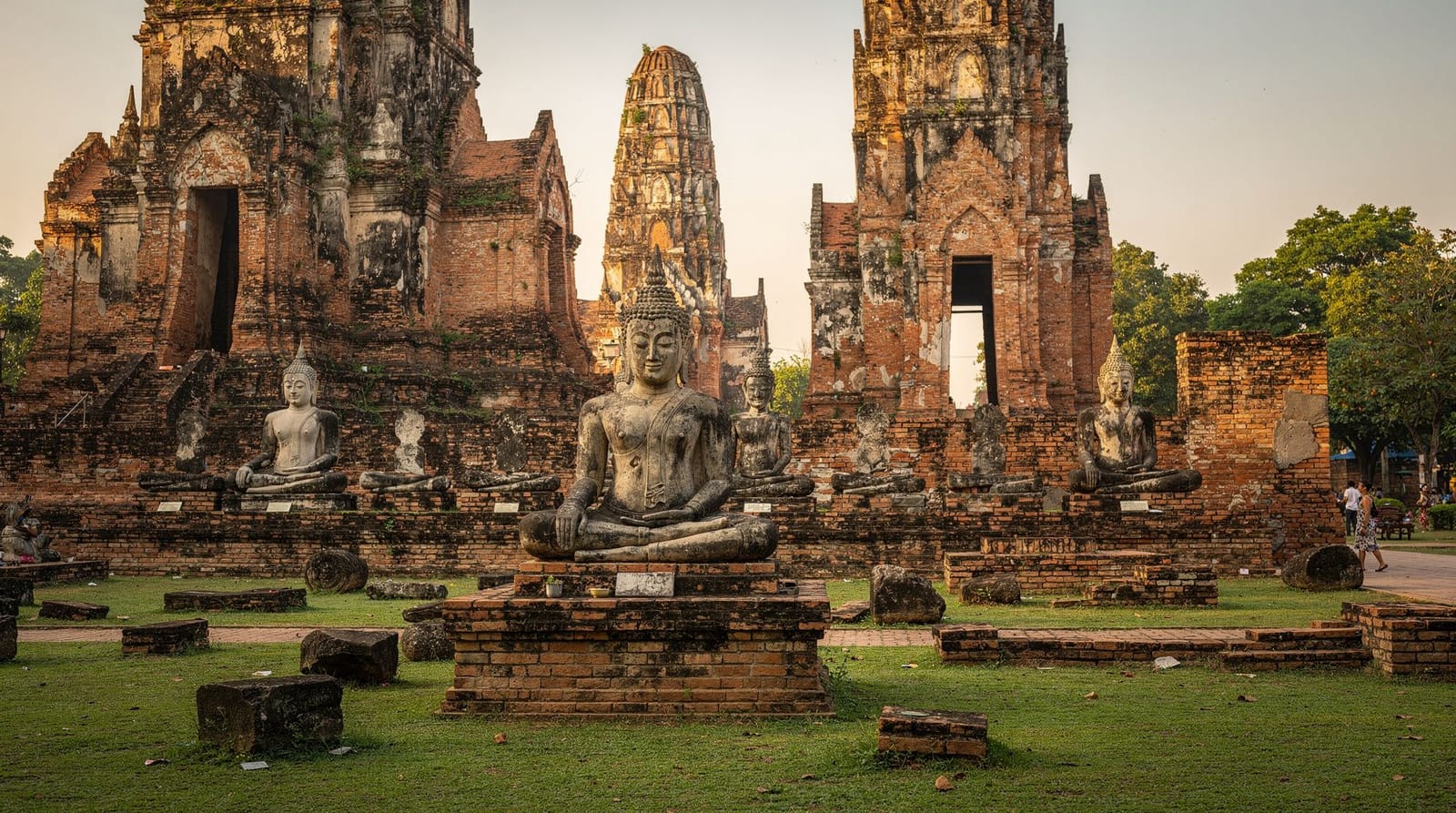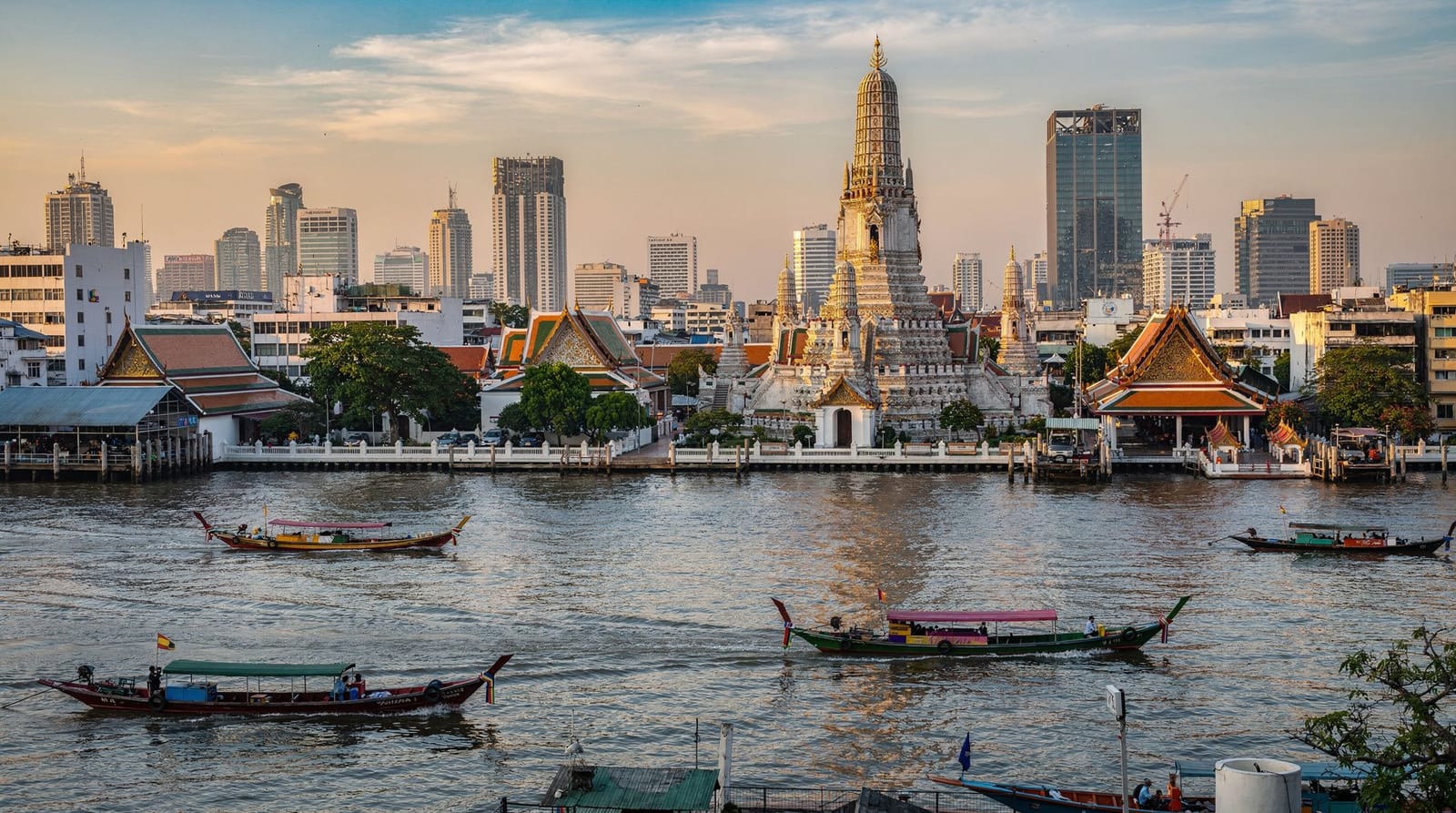
How many days in Bangkok? An honest length-of-stay guide
Bangkok: Half-Day Guided City Tour with Temples
How many days do you need in Bangkok?
Three to four days is the sweet spot for first-time visitors — enough for the Grand Palace, Wat Pho, Wat Arun, Chinatown, a market, a river cruise and the street-food scene without rushing. Add two to three more days if you want day trips to Ayutthaya, Kanchanaburi or the floating markets, or a slower pace. Two days is a tight but workable minimum for the essentials; a full week suits those who want the city plus several day trips.
“How many days in Bangkok?” is the first real planning question, and the honest answer is more nuanced than a single number. Bangkok has far more depth than its reputation as a stopover city suggests — temples, markets, neighbourhoods, a world-class food scene, and a ring of brilliant day trips. This guide gives an honest, day-by-day breakdown of what each length of stay actually buys you, what you’ll have to cut, and when adding days genuinely pays off, so you can match your trip to your time and interests.
| Minimum | 2 days — icons only, fast pace |
| Sweet spot | 3–4 days — city comfortably |
| With day trips | 5 days — city plus 1–2 day trips |
| Best for depth | A week or more — city plus several day trips |
| Season effect | Cool season fits more per day; hot season needs downtime |
It pairs with the broader plan a trip to Bangkok guide and the ready-made itineraries linked throughout.
The short answer
- 2 days: the bare essentials, fast-paced — a stopover length.
- 3–4 days: the sweet spot for the city; comfortable and satisfying.
- 5 days: the city plus one or two day trips — the ideal first-visit length.
- A week: city in depth plus several day trips and a relaxed pace.
Most first-timers are happiest with 4 to 5 days. Below that you’re rushing; above that you’re either taking day trips or slowing right down — both perfectly valid.
1 day: a highlights sampler
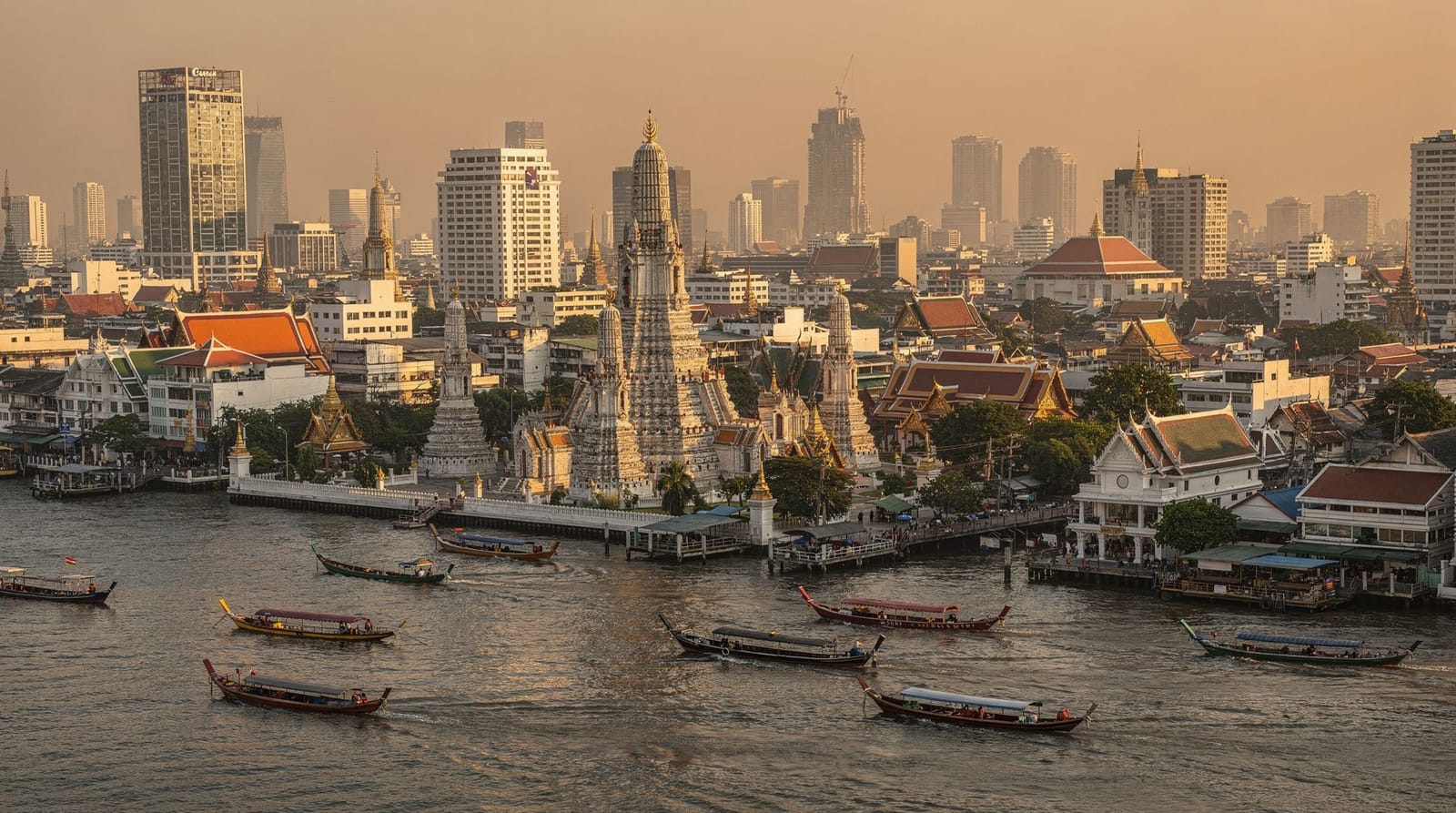
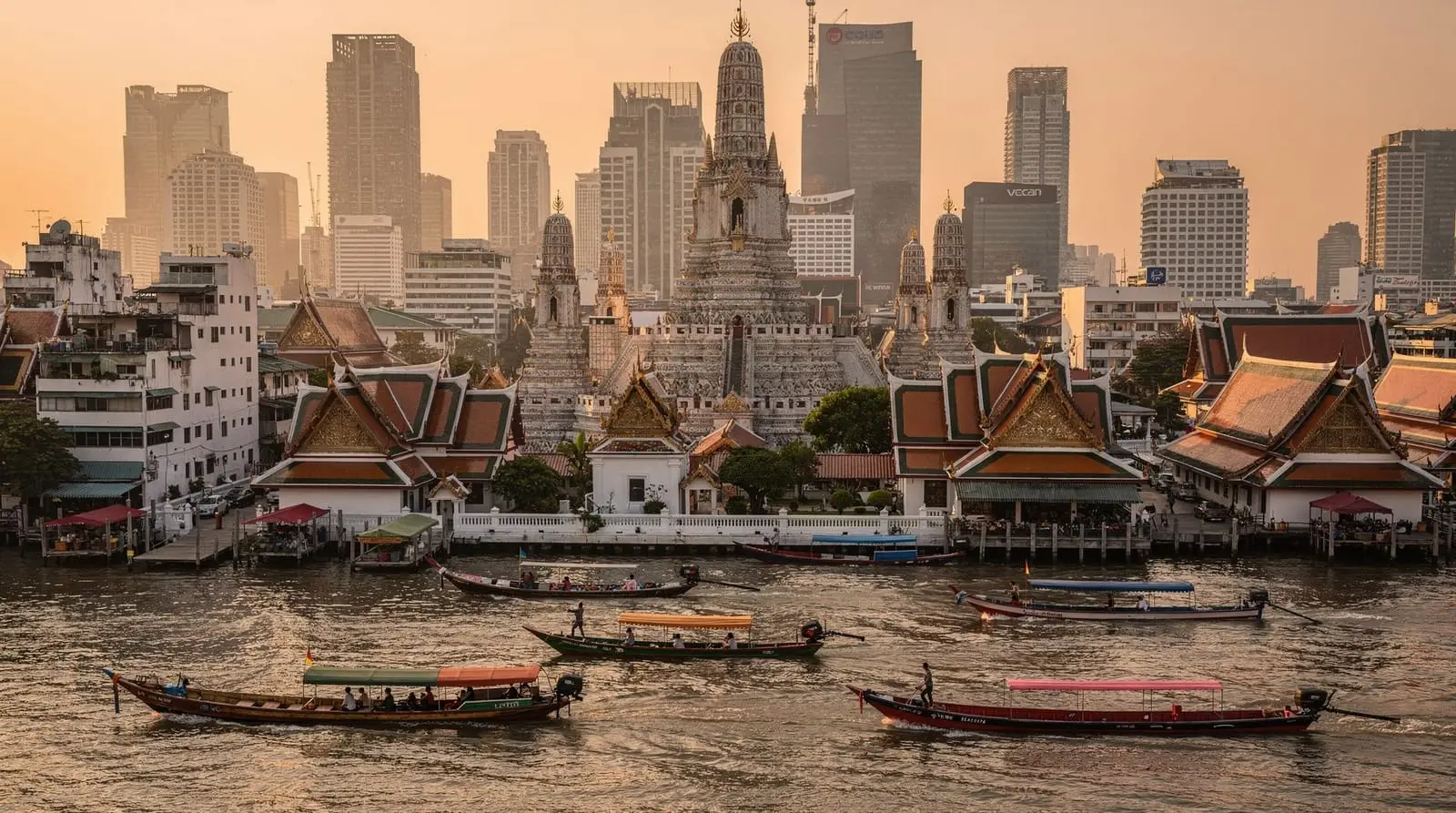
One day is layover territory. The efficient version: Old City temples in the morning — the Grand Palace, Wat Pho and a cross-river hop to Wat Arun — then Chinatown street food in the evening. You’ll see the icons and eat brilliantly, but miss the markets, the river at leisure, the neighbourhoods and any downtime.
To make a single day work, start early to beat the heat and crowds at the Grand Palace, and consider a guided morning to remove the logistics. A half-day guided city and temples tour packs the key sights efficiently. The full single-day plan is in the 1-day itinerary, and stopover travellers should see the layover itinerary.
2 days: the tight essentials
Two days lets you split the load: Day 1 the Old City temples and a sunset rooftop bar; Day 2 Chinatown by day, a market, and a river experience or dinner cruise. It’s a workable minimum that hits the headlines, but it’s brisk, with no day trips and little room to linger.
This length suits travellers extending a layover or passing through. If two days is all you have, pre-book the Grand Palace to skip the queue. A Grand Palace skip-the-line ticket saves precious time on a tight schedule. The 2-day itinerary sequences it efficiently.
3–4 days: the city sweet spot
This is where Bangkok opens up properly. Three days comfortably covers the Old City temples, Chinatown, a major market like Chatuchak, a river cruise, and the street-food scene, with breathing room. Four days adds a neighbourhood wander — Thonglor, Ari or the riverside — plus a cooking class or a spa afternoon.
For most first-time visitors, 3 to 4 days in the city is genuinely satisfying — enough to see the icons, eat extraordinarily well, and get a feel for the place without exhaustion. The 3-day itinerary is the template most people should start from.
5 days: city plus day trips — the ideal
Five days is, for many, the perfect Bangkok trip. Spend three to four days on the city as above, then dedicate one or two full days to day trips. The standout is Ayutthaya, the ancient capital, easy and rewarding. A guided Ayutthaya temples day trip with lunch handles the logistics of the scattered ruins.
Other day-trip options include Kanchanaburi and the WWII Death Railway, the floating markets, or Pattaya for the coast. Each consumes a whole day with travel, so don’t over-stack them. The 5-day itinerary shows how to balance city and day trips, and the day trips overview helps you choose.
A week or more: depth and downtime
A week lets you do the city thoroughly, take two or three day trips, explore neighbourhoods beyond the tourist core, and weave in nightlife, shopping, spas and cooking classes without watching the clock. It also absorbs the hot season’s need for midday air-conditioned breaks, or the rainy season’s afternoon showers, without derailing the plan.
The risk of a week is only if you intend to stay solely in the city core with no day trips — then it can feel slow by day five or six. The fix is easy: add a day trip, or use the slower days for the green lung of Bang Krachao, a bike tour, or simply lingering over markets and food. Few visitors regret extra time in a city this deep and good value. See the 1-week itinerary for a full template.
How to decide for your trip
Match the length to your priorities:
- Icons only, short on time? 2 days.
- A proper first visit to the city? 3–4 days.
- City plus the must-do day trips? 5 days.
- Everything, unhurried, with the beach or multiple day trips? A week or more.
And remember the season affects pacing more than the day-count: the hot season slows you down and rewards more downtime, the cool season lets you pack more in. The best time to visit Bangkok guide covers this, and the first-timers guide helps shape the days themselves.
Days at a glance: what fits, what to cut
| Days | What fits | What to cut |
|---|---|---|
| 2 | Old City temples, one market, one river experience | Day trips, neighbourhood wandering, downtime |
| 3–4 | Temples, Chinatown, Chatuchak, river cruise, street food | Day trips, most nightlife, spa afternoons |
| 5 | All of the above plus 1–2 day trips (Ayutthaya, Kanchanaburi) | A second day trip, slow mornings |
| 7 | City in depth, 2–3 day trips, nightlife, spas, cooking class | Nothing essential — this is the comfortable range |
Budgeting by length of stay
Your day count also shapes your budget, since accommodation, food and transport scale roughly linearly while one-off costs (a cooking class, a day-trip tour, a spa visit) get spread differently depending on how long you stay. A tight 2–3 day trip concentrates spending on entry tickets and transport with less room for extras; a 5-day-plus trip lets you absorb a couple of bigger-ticket experiences like Ayutthaya or Kanchanaburi without them dominating the budget. See the Bangkok travel costs guide for a full daily breakdown by travel style.
Frequently asked questions about How many days in Bangkok? An honest length-of-stay
Is 2 days enough for Bangkok?
Is 3 days enough for Bangkok?
How many days do I need for Bangkok with day trips?
Can I see Bangkok in one day?
Is a week too long in Bangkok?
How long should I stay to do Bangkok and the beaches?
Does the best length of stay change by season?
Top experiences
Bookable activities with verified prices and instant confirmation on GetYourGuide.