Must-see Bangkok for first-time visitors
Bangkok: Grand Palace, Wat Pho, Wat Arun Sacred & Local Tour
What must a first-time visitor see in Bangkok?
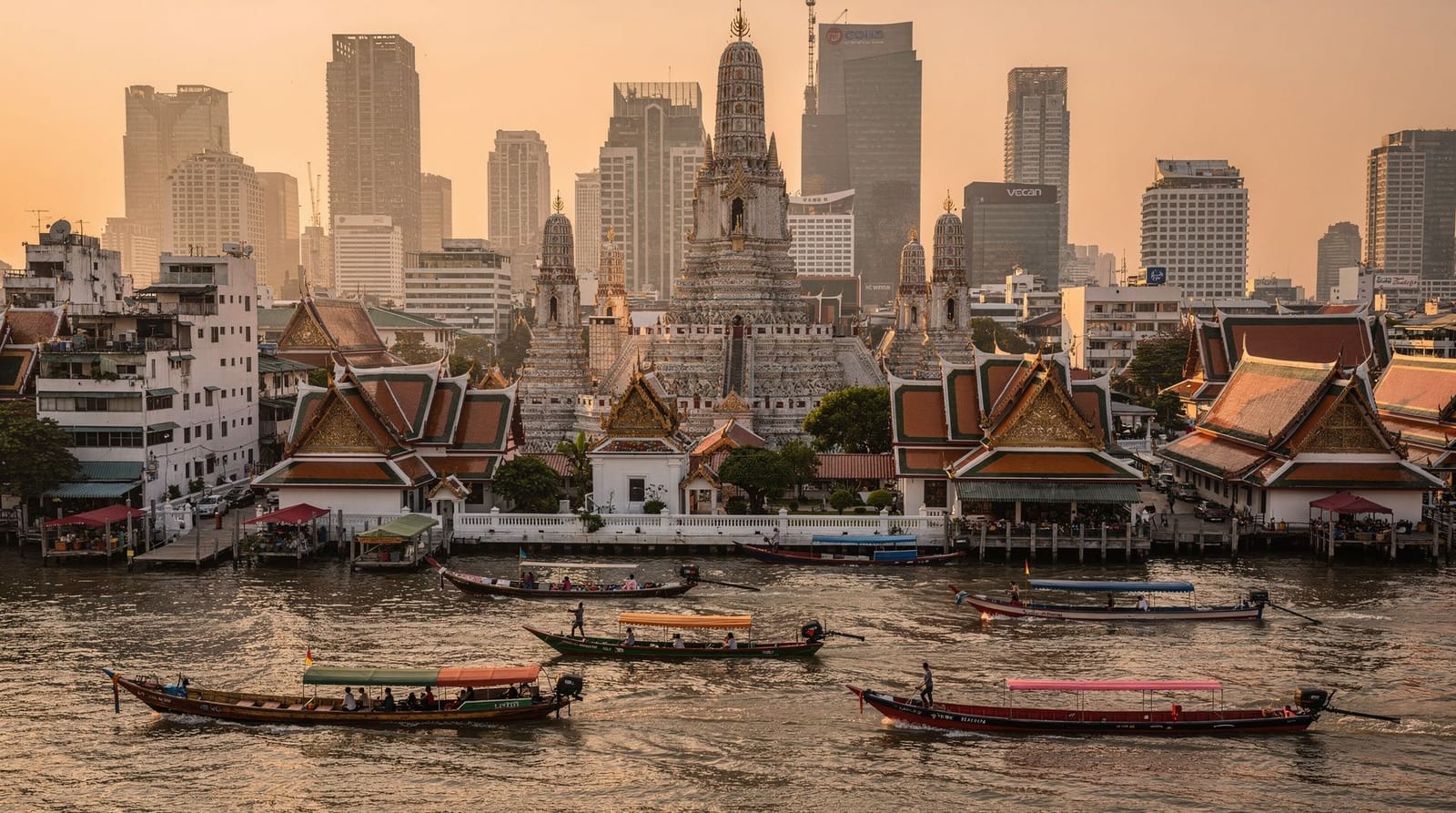
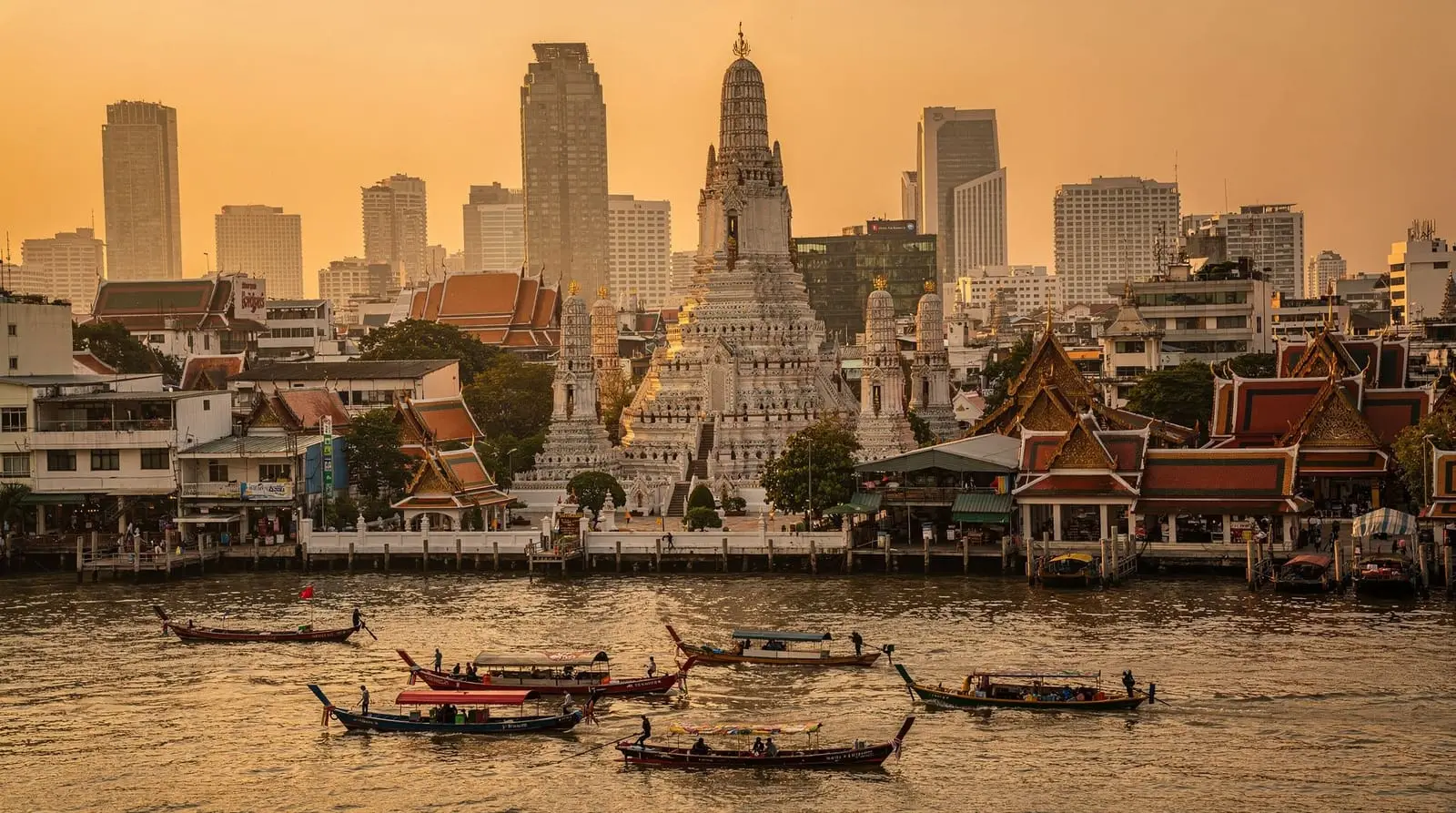
First-timers should not miss the Grand Palace and Wat Phra Kaew, Wat Pho's Reclining Buddha and Wat Arun across the river — the old-city temple trio done in one morning. Add a Chao Phraya river boat, a Yaowarat street-food evening, a sunset view, and a half-day at a market. Three days covers it comfortably; this shortlist sequences the essentials and flags the scams aimed at newcomers.
A first visit to Bangkok is overwhelming in the best way, and the temptation is to chase everything at once. This shortlist does the opposite: it names only the sights a newcomer should genuinely not miss, sequences them so you are not crisscrossing the city in the heat, and tells you the real prices, hours and transport. It also flags the handful of scams that target first-timers specifically — knowledge that turns a stressful arrival into a confident one.
The goal here is a memorable first trip, not a complete one. Three relaxed days covers every must-see below. If you only have two, you can still do it by trimming the day trip; our first-timers guide and how many days breakdown help you decide.
| Time needed | 3 relaxed days for everything below; 2 if disciplined |
| Cost/day | ~2,500–5,000 THB mid-range per person |
| Getting around | BTS, MRT and river boats; Grab for the rest |
| Best season | November–February for comfort; rainy season for value |
| Don’t miss | Grand Palace, Wat Pho, Wat Arun, a Yaowarat food night |
Day one: the old-city temple trio
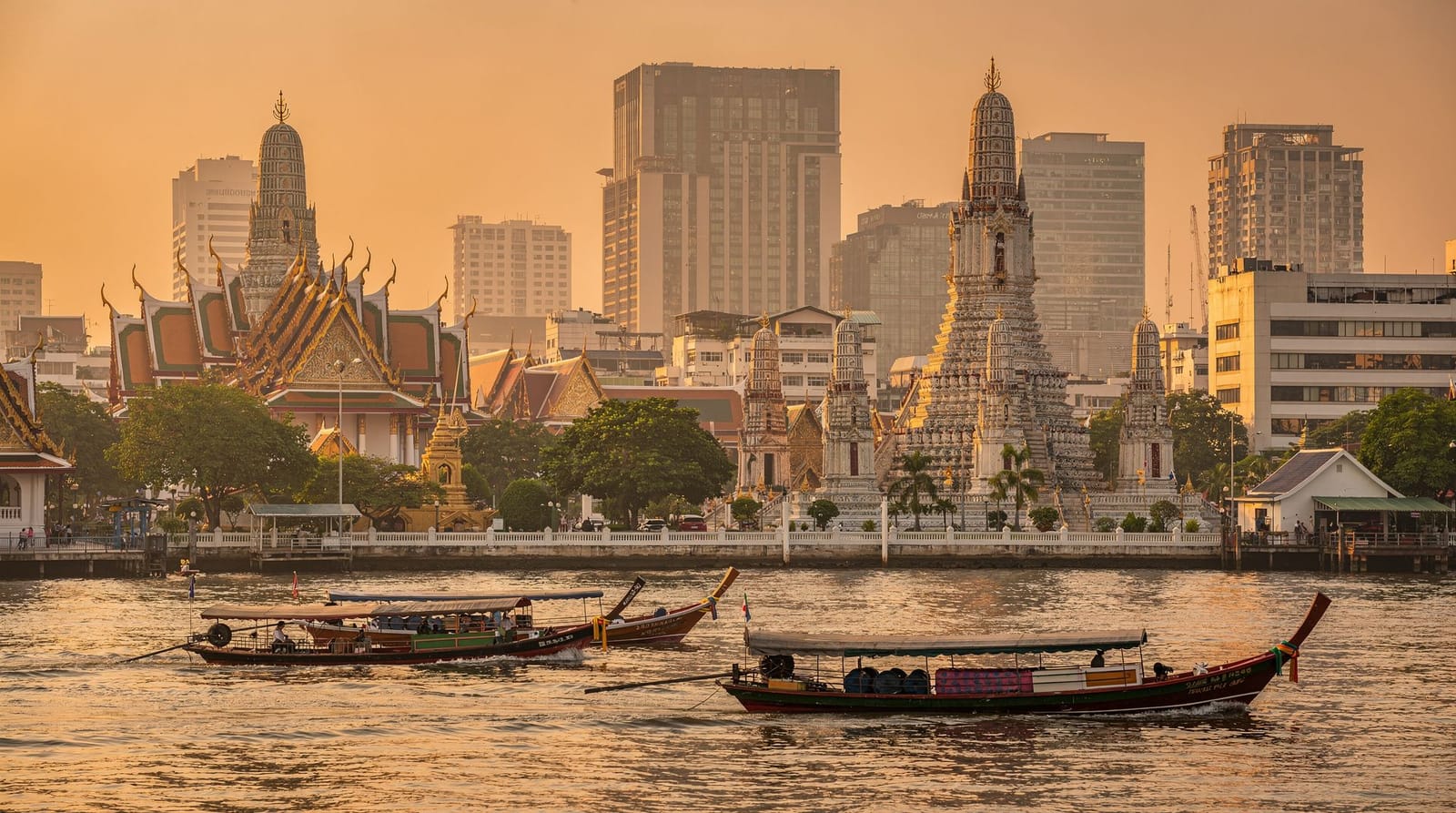
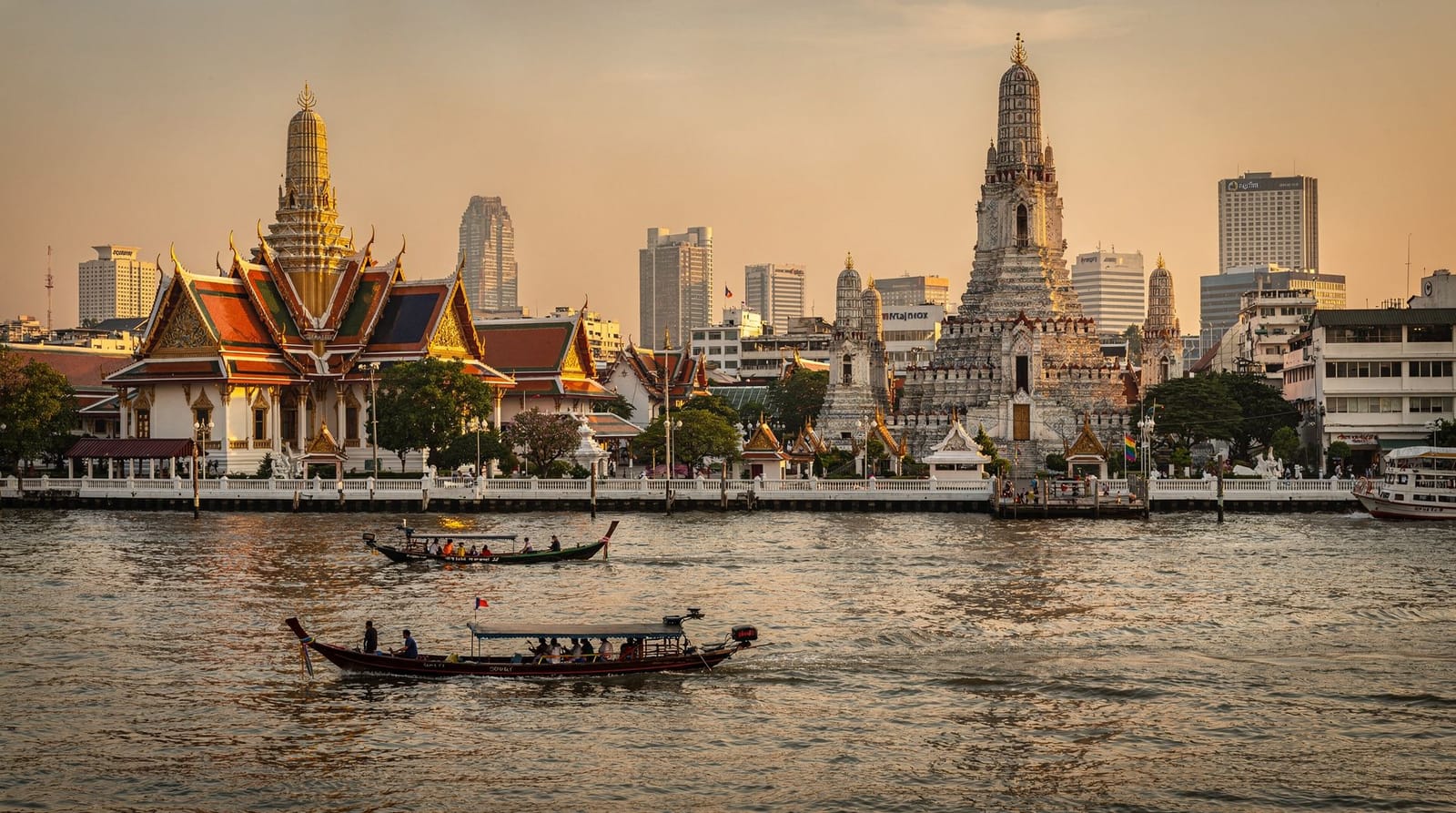
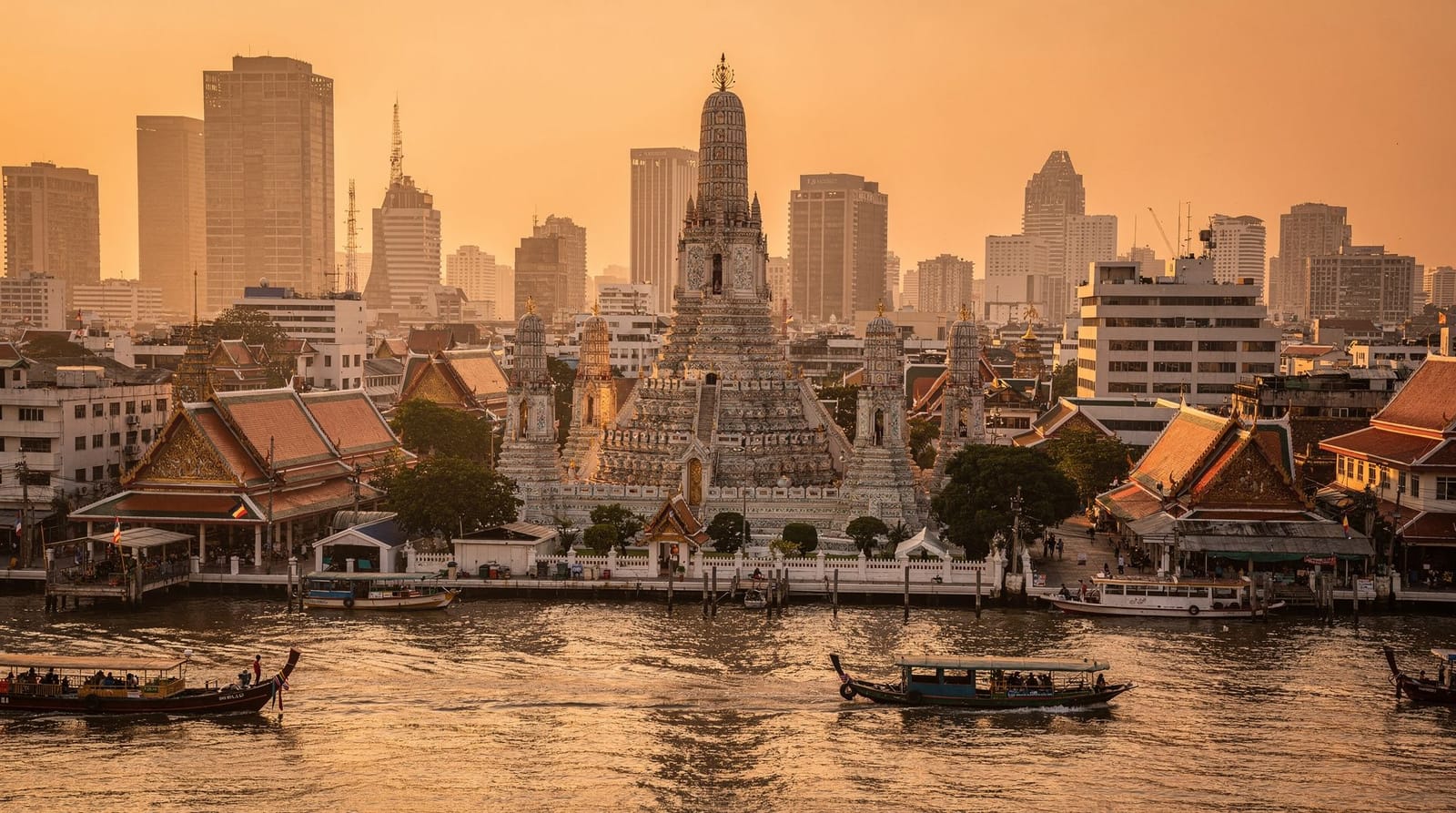
This is the non-negotiable core of any first visit, and the three sights sit close together in Rattanakosin. Start at the Grand Palace and Wat Phra Kaew at 08h30 opening — entry 500 THB ($15), shoulders and knees covered, no exceptions. From there it is a 10-minute walk to Wat Pho and the gold-leaf Reclining Buddha (~300 THB), then the 5 THB cross-river ferry from Tha Tien to Wat Arun (~200 THB) on the Thonburi side. Because the symbolism and history are easy to miss on your own, a guided half-day temple tour is a smart first-day choice — it handles the tickets, the ferry and the dress code while a local explains what you are looking at. If you would rather have all three sacred sites covered in one unhurried, fully guided sweep, a Grand Palace, Wat Pho and Wat Arun sacred sites tour does exactly that. See our temple etiquette primer before you go.
In the late afternoon, take an orange-flag river boat (~16 THB) back down the Chao Phraya from a nearby pier — the city’s best-value sightseeing — and end the day with a sundowner at a rooftop bar, where the price of one drink buys a skyline view.
Day two: food, culture and a city park
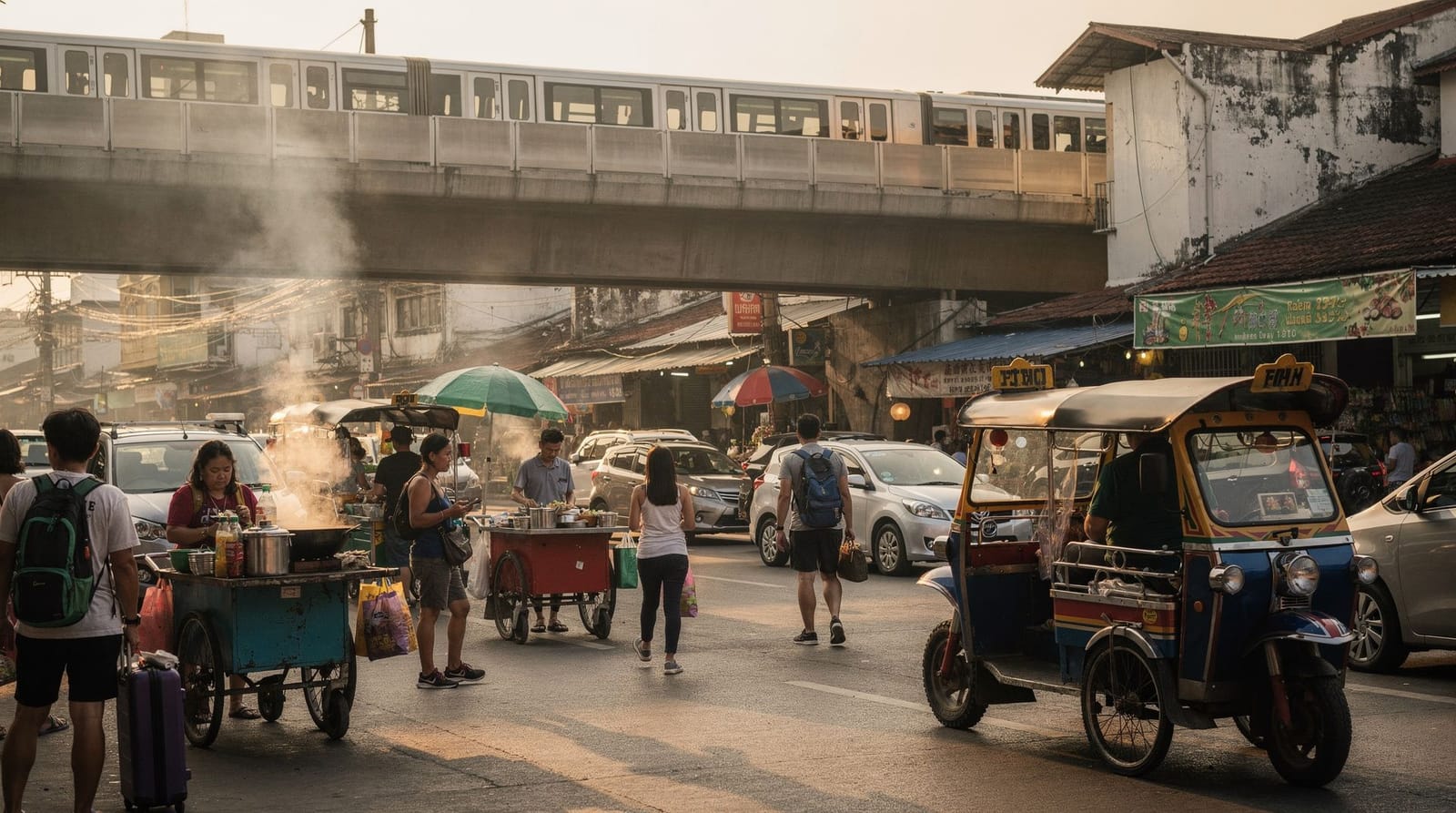
Bangkok’s street food is a must-see in its own right. Spend the evening grazing Yaowarat, the Chinatown food street that fires up around 18h00 with grilled prawns, oyster omelettes and dessert stalls — our Yaowarat food guide names the queues worth joining. If choosing feels daunting, a guided evening street-food tasting tour walks you between vetted stalls with someone who orders for you. By day, the air-conditioned Jim Thompson House (~200 THB, BTS National Stadium) tells the story of Thai silk in a beautiful teak compound, and a Thai cooking class is the most rewarding way to spend a hot or rainy afternoon.
For a breather, Lumphini Park (free, MRT Lumphini) offers shaded paths, paddle boats and the famous resident monitor lizards — a calm, photogenic pause between sights. It is at its best in the early morning, when tai chi groups and joggers fill the lawns, or in the cool of late afternoon before the evening rush. A short walk away, the modern Benjakitti forest park extends the green with an elevated walkway, making an easy hour of escape from the heat and the crowds.
Day three: a market or a day trip
On your last full day, choose the experience that excites you most. If it is a weekend, the colossal Chatuchak market (free entry, MRT Kamphaeng Phet) is a must — go early before the heat fills the covered alleys, and bring cash. Any day, the riverside IconSiam mega-mall and the 24-hour Pak Khlong flower market reward a wander, as does the atmospheric Talat Noi street-art quarter beside Chinatown. If you would rather escape the city, Ayutthaya — the UNESCO temple ruins 80km north — is the best first-timer day trip, doable by train or tour in under two hours; our day trips guide ranks the alternatives if temple ruins are not your thing.
The three days at a glance
| Day | Focus | Highlights |
|---|---|---|
| Day 1 | Old-city temples | Grand Palace, Wat Pho, Wat Arun, river boat, rooftop sunset |
| Day 2 | Food and culture | Yaowarat street food, Jim Thompson House, Lumphini Park |
| Day 3 | Market or day trip | Chatuchak, IconSiam, Pak Khlong, or Ayutthaya |
Trim Day 3 to a half-day market visit if you only have two days total, or extend into a fourth for Ayutthaya at a relaxed pace instead of rushing it onto Day 3.
What first-timers can safely skip
Not every “attraction” earns its place on a short first trip. Several heavily marketed sights are overpriced, watered-down versions of something better done elsewhere, and skipping them frees up time for the essentials above. The overpriced attractions in Bangkok guide and the dedicated what to skip in Bangkok guide name names, but the short version: avoid any elephant venue that offers riding, skip souvenir-only “cultural shows” bundled with a mediocre dinner, and do not let a tuk-tuk driver design your day. None of this shortens the trip meaningfully; it just protects your time and money for the things on this list.
If it rains on your first day
Bangkok’s rainy season (June–October) brings short, heavy afternoon downpours rather than all-day washouts, so a shower rarely derails a whole day — shelter for 30–60 minutes and continue. If a full day looks wet, swap the outdoor temple morning for an indoor-heavy plan: malls, the air-conditioned Jim Thompson House, a cooking class, or a spa afternoon all work well soaked or dry. The Bangkok in the rain guide has a full backup itinerary for exactly this scenario, and it is worth skimming before you travel if you are visiting outside the cool season.
See it from above and on the water
Two experiences turn a good first trip into a memorable one. For the view, the Mahanakhon SkyWalk (BTS Chong Nonsi, ~880 THB) gives a 360-degree panorama with a glass-floor tray, best at sunset. For atmosphere, an evening dinner cruise glides past the floodlit Grand Palace and Wat Arun. Neither is essential, but both are first-trip highlights — pick whichever suits your budget and mood.
A taste of local culture you should not miss
Beyond the headline sights, a first visit is richer for one or two genuinely local experiences. Watching a Muay Thai bout at a historic stadium — the live music, the ritual wai khru dance, the roaring betting crowd — is a window into Thai culture that no temple can give. A traditional Thai massage, abundant and affordable at 300–500 THB an hour, is both a cultural ritual and the perfect cure for tired sightseeing legs. And simply sharing a plastic-stool meal on a street corner, watching the city flow past, is the kind of small moment first-timers remember longest. Our Bangkok culture and Thai customs and etiquette guides explain the gentle courtesies — the wai greeting, removing shoes, respect for images of the King and the monarchy — that help you fit in.
How long you really need
Most first-timers underestimate how much Bangkok offers and overestimate how fast they can move through the heat and traffic. Two days covers the absolute essentials if you are disciplined; three days is the comfortable sweet spot that adds a market, a park and breathing room; four or five days lets you fold in a day trip to Ayutthaya or the floating markets without rushing the city itself. If you have only a long layover, the layover itinerary shows what is realistic in a few hours. Our how many days guide breaks down each option so you can match your trip length to your appetite.
Getting around without stress
Bangkok’s transport is easier than it looks. The BTS Skytrain and MRT subway are fast, cheap and air-conditioned — buy a Rabbit Card for the BTS on arrival. The river boats link the old-city sights. For door-to-door trips, use the Grab or Bolt apps rather than haggling; our Grab, taxi and tuk-tuk guide explains when to use each. From the airport, the rail link reaches the centre cheaply — see Suvarnabhumi to the city.
What it costs and how to pay
First-timers worry about money, but Bangkok is forgiving. A comfortable mid-range day — hotel, a couple of attraction entries, transport, street food and a sit-down dinner — runs about 2,500–5,000 THB per person; backpackers manage 700–1,200 THB, and luxury travellers spend 8,000 THB and up. The currency is the Thai baht (roughly 33 to the US dollar, 38 to the euro). Carry cash for street food, markets and the river boats, none of which take cards, and be aware that ATMs charge foreign cards a flat ~220 THB fee — so withdraw larger amounts less often. Cards work fine in malls, hotels and mid-range restaurants. Our travel costs and budget guide turn this into a daily figure you can plan around.
When to come for the best first trip
Timing shapes the experience. The cool, dry season from November to February is the most comfortable for a first visit — pleasant temperatures, low humidity, and November the sweet spot before peak crowds and prices arrive. The hot season, March to May, climbs to 35–40°C with April the fiercest, though it brings the joyous chaos of Songkran, the 13–15 April water-fight new year. The June–October rainy season means short, heavy afternoon downpours rather than all-day rain, plus hotel rates 30–50 percent lower and far thinner crowds — a smart choice for budget-minded first-timers who plan indoor backups. Loy Krathong, the lantern festival on the river, falls around 25 November 2026. Our best time to visit guide weighs the trade-offs in full.
What to pack and how to dress
Pack light, breathable clothing for the heat and humidity, but bring at least one outfit that covers shoulders and knees for the temples — long, loose trousers and a sleeved top work and stay cool. A compact umbrella or a cheap local poncho handles the rainy season, comfortable walking shoes handle the long temple mornings, and a small day bag with sunscreen, a refillable water bottle and hand sanitiser covers the rest. You can buy almost anything you forget cheaply on arrival, so do not over-pack; our what to pack guide has the full list. Also check the simple Thailand entry and TDAC requirements before you fly.
The scams every first-timer should know
A friendly stranger near the Grand Palace telling you it is “closed today for a Buddhist holiday” is running the city’s most common con — the closed-palace scam — designed to steer you into a gem shop or a 20-baht tuk-tuk commission tour. The palace is open daily; keep walking. Insist on the taxi meter or use Grab, never ride elephants, and read our common scams guide once before you fly. None of this makes Bangkok dangerous — it is friendly and safe — but a forewarned first-timer enjoys the city far more.
Pull it together
Map these must-sees onto our 3-day itinerary or the dedicated first-timer route, and use the things to do pillar plus the top attractions ranking when you want to go beyond the essentials. If budget matters more than ticking off headline sights, the free things to do in Bangkok guide and the broader Bangkok markets guide show how much of the city’s best character costs nothing more than a BTS fare.
Frequently asked questions about Must-see Bangkok for first-time visitors
What is a realistic first-time Bangkok itinerary?
How much should a first-timer budget per day in Bangkok?
What is the biggest mistake first-timers make in Bangkok?
Do I need to dress conservatively for Bangkok temples?
How do first-timers get from the airport into Bangkok?
Is Bangkok safe for first-time travellers?
Should first-timers book tours or explore independently?
Top experiences
Bookable activities with verified prices and instant confirmation on GetYourGuide.