Thonburi & the khlongs
Thonburi is Bangkok's old west bank — a maze of canals (khlongs) explored by longtail boat, with stilt houses, riverside temples and a vanishing water world.
Bangkok: Canal Longtail Boat Sightseeing Cruise
Quick facts
- Nearest transit
- BTS Silom Line to Wongwian Yai/Krung Thon Buri; longtail boats from Wat Arun-side piers
- Character
- Old west-bank Bangkok of canals, stilt houses and temples; local and water-bound
- Key food
- Canal-side stalls, the floating Khlong Lat Mayom and Taling Chan weekend markets
- Key sight
- Longtail-boat canal tours; Royal Barges Museum; Wat Arun and riverside temples
- Best time
- Morning for canal tours and floating markets (weekends); cooler, calmer water early
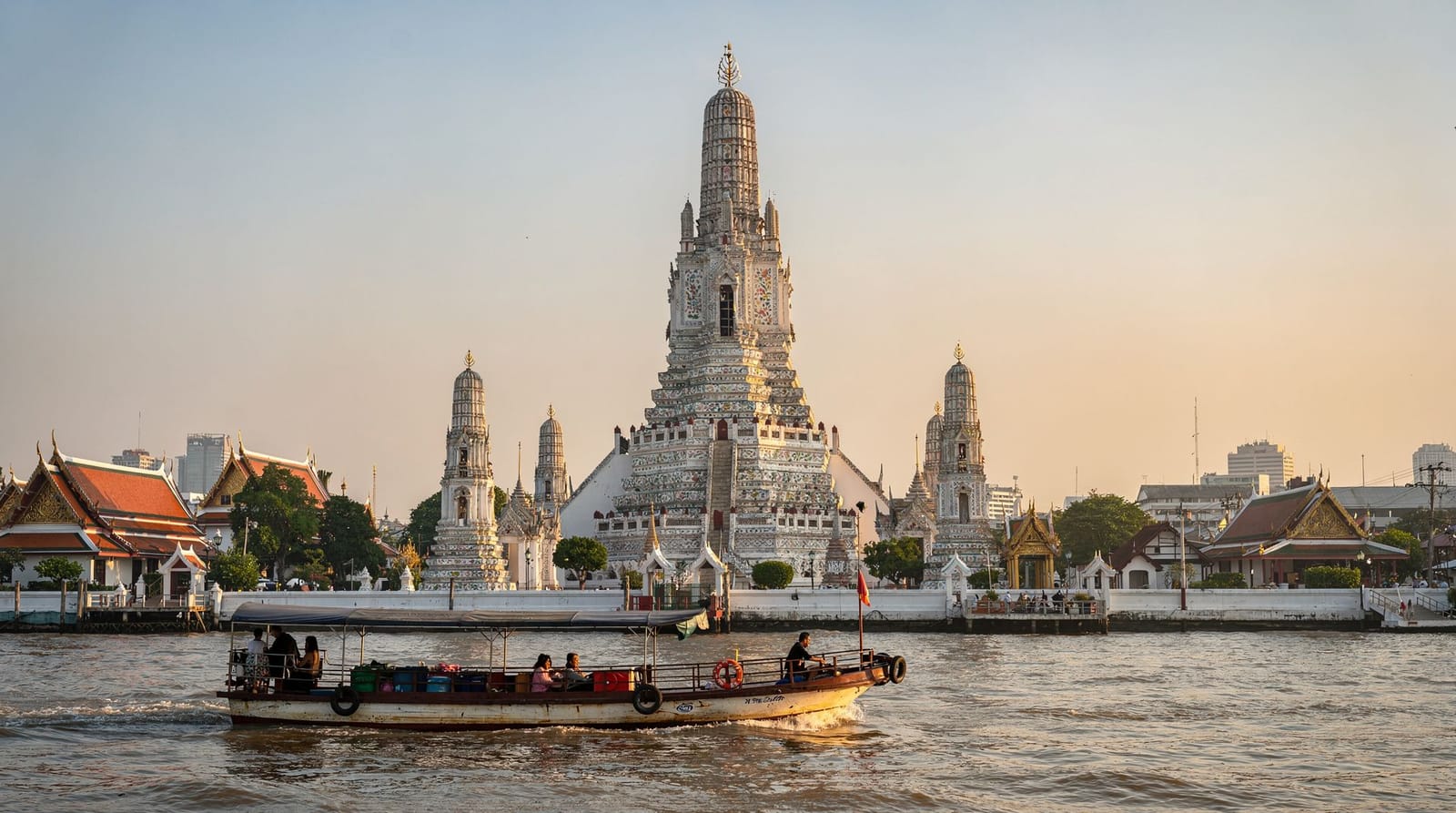
Cross the Chao Phraya to its western bank and you enter Thonburi — the older, slower, water-bound Bangkok that the modern city has largely left behind. For 15 years in the late 18th century, before Rama I moved the capital across the river, Thonburi was the capital of Thailand, and it still feels like a different, gentler place: a maze of khlongs (canals) lined with stilt houses, riverside temples, orchid nurseries and homes that open straight onto the water. This is the “Venice of the East” that Bangkok was once famous for, and the best way to experience it is the way locals always have — by boat. A longtail-boat tour through the Thonburi canals is one of the most rewarding half-days in the whole city.
The khlongs and the longtail boats
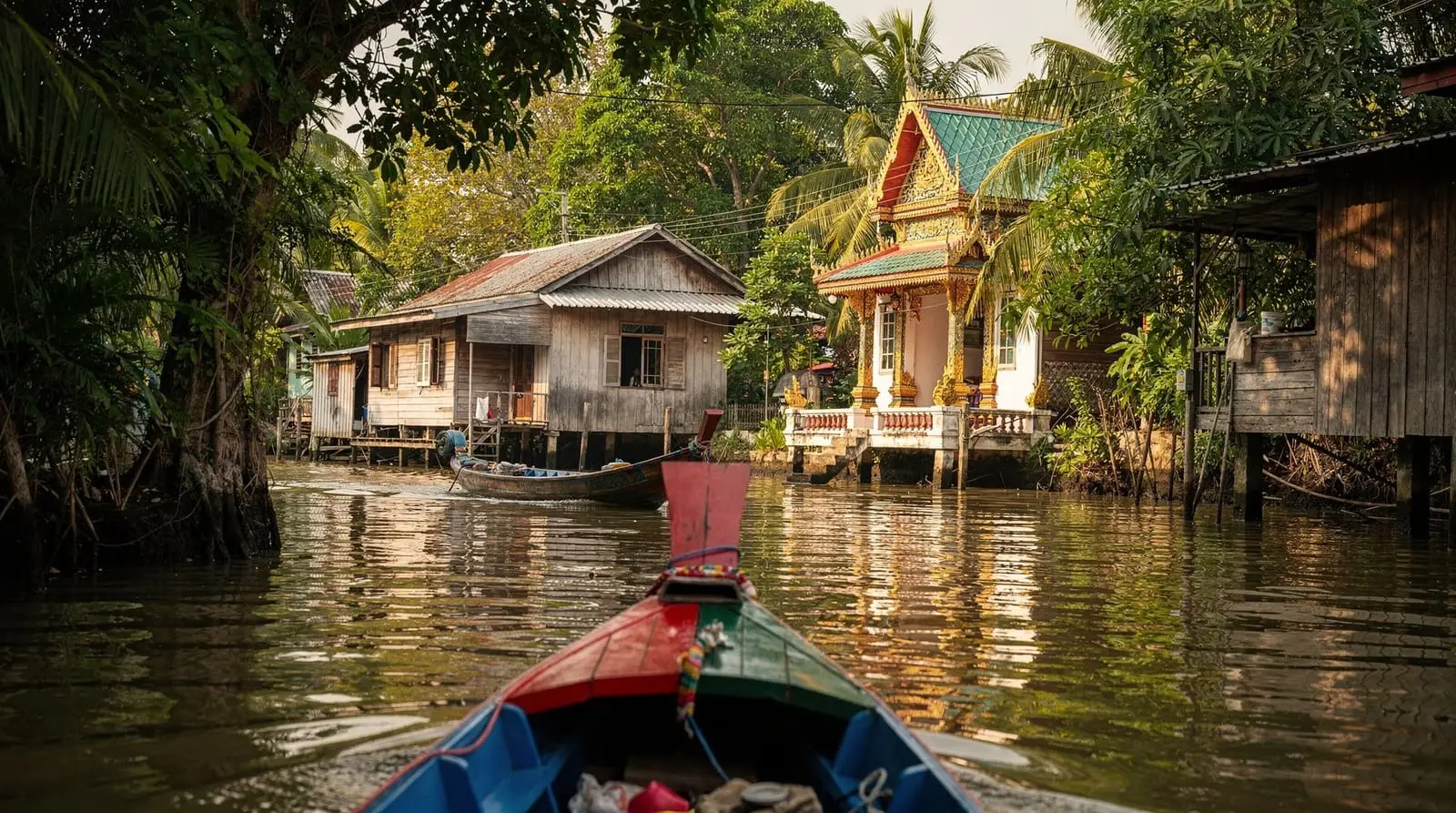
The defining Thonburi experience is a longtail-boat canal tour. Longtails — long, narrow wooden boats powered by loud, exposed engines on a pivoting pole — set off from piers near Wat Arun and along the river, then turn off the main Chao Phraya into the network of canals. Gliding down the khlongs, you pass wooden stilt houses with families bathing and washing at the water’s edge, riverside temples (wat), monitor lizards, fish that locals feed for merit, orchid and plant nurseries, and the occasional boat vendor selling food and drinks from the water. It’s a window onto a way of life that has nearly vanished from the eastern bank.
Plenty of tour options exist: the canal longtail sightseeing cruise covers the classic route, the longtail canal tour with Wat Arun pairs the canals with the Temple of Dawn, and the Bangkok Yai canal longtail tour focuses on the historic Bangkok Yai khlong. For a quieter, greener alternative, the hidden canal and artist-village electric-boat tour uses silent EV boats. See the canal boat tours guide and the longtail canal experience guide.
The temples and the Royal Barges
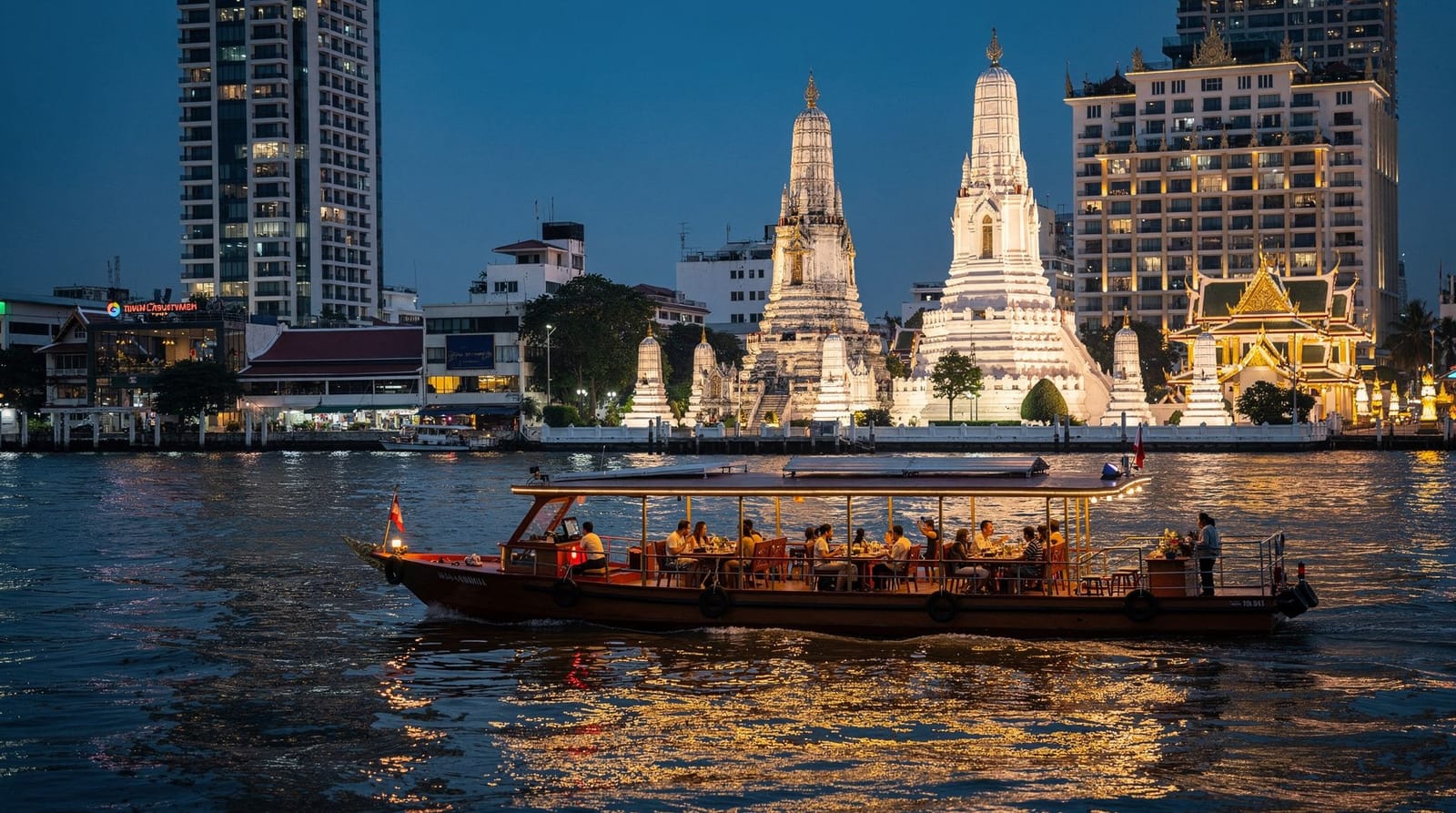
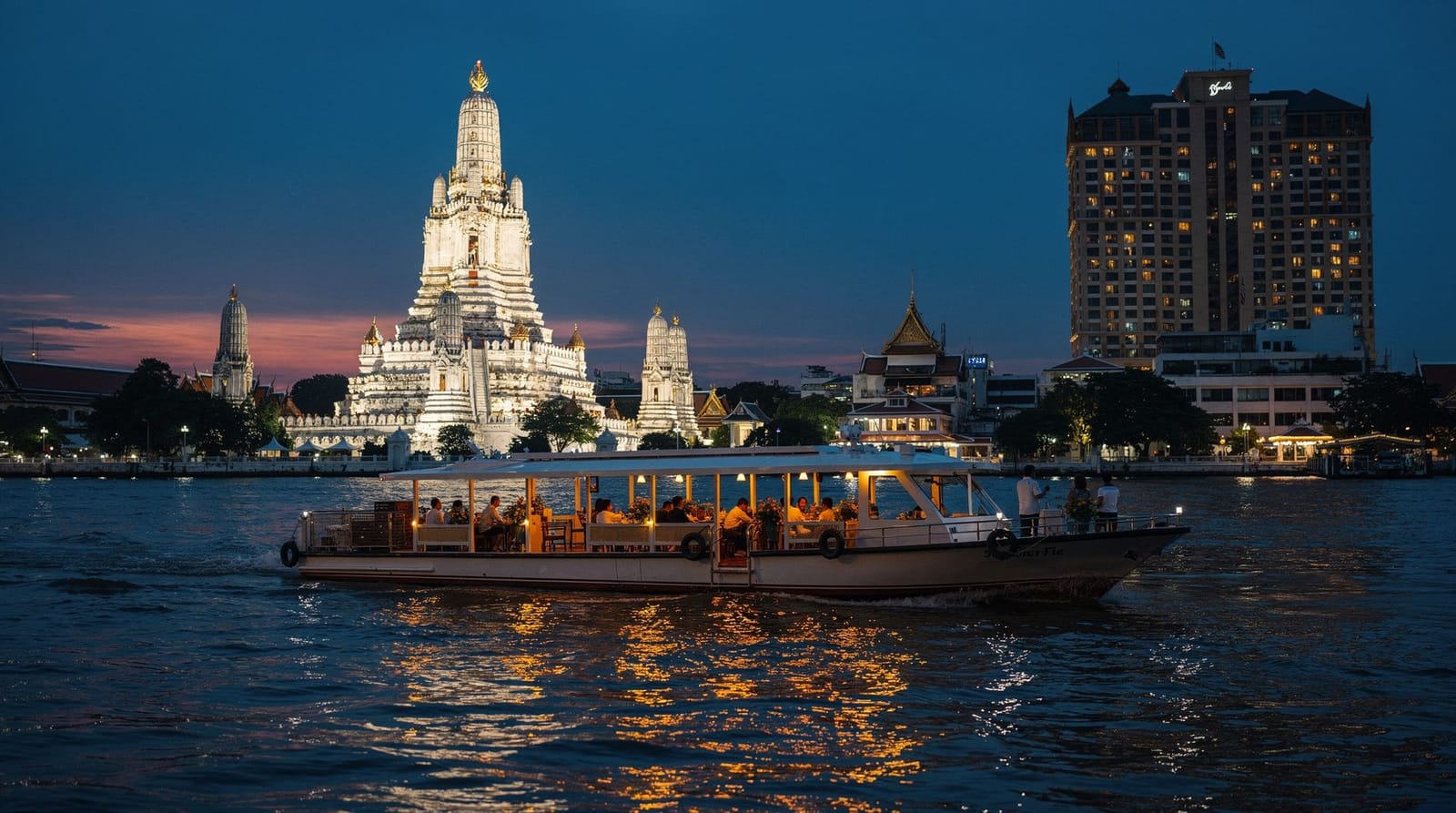
Thonburi’s canals are studded with temples, many of them old, atmospheric and barely touristed. The grandest sight, of course, is Wat Arun, the Temple of Dawn, on the riverside edge of Thonburi. Hidden up a side canal, the Royal Barges National Museum displays the magnificent, ornately carved and gilded royal barges used in rare ceremonial river processions — including the towering Suphannahong, the king’s personal barge shaped like a mythical swan. Many longtail tours pass or stop here. Other canal-side temples like Wat Kalayanamit and the riverside shrines add to the sense of an older, sacred Bangkok. See the hidden gems guide.
Why Thonburi was briefly the capital
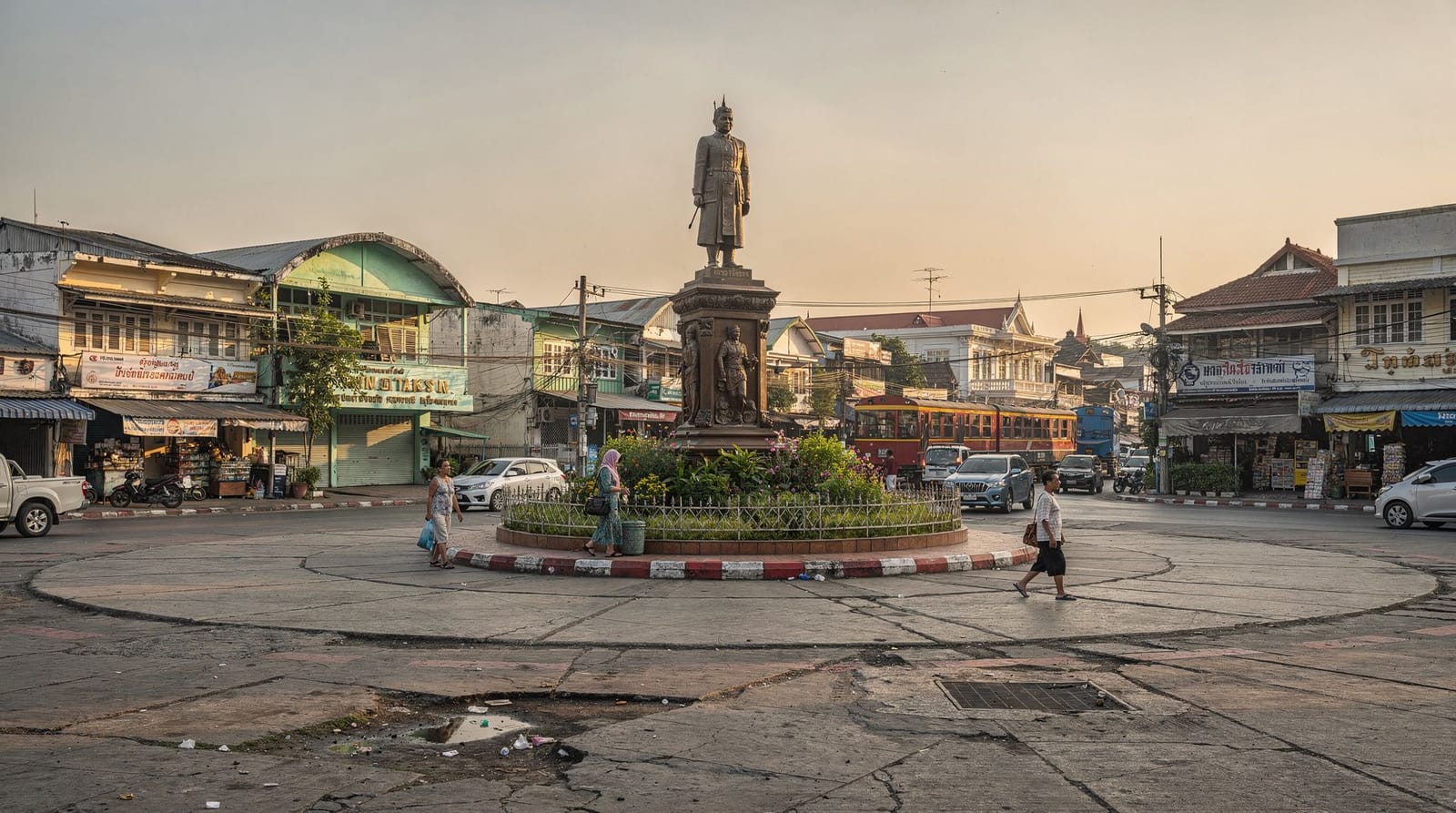
After Ayutthaya fell to Burmese invasion in 1767, General Taksin regrouped the shattered Thai forces and established a new capital at Thonburi, on the Chao Phraya’s western bank, where its canals offered natural defensive lines and the site sat closer to the sea for trade and resupply. Taksin ruled from here for 15 years before Rama I moved the court across the river in 1782 to found what is now Rattanakosin, but the canal network that made Thonburi defensible is the same one that makes it so atmospheric to explore today. For the fuller arc of that period, see the Ayutthaya page and the Buddhism in Bangkok guide; for the wider cultural picture, the culture guide.
Orchids, produce and local crafts
Beyond the floating markets, the nurseries that line Thonburi’s canals are worth a slower look. Bangkok’s climate and canal-fed soil made this bank a centre for orchid cultivation and ornamental plants for generations, and several nurseries still welcome visitors passing by boat or bike, selling cut flowers and potted plants at a fraction of city prices. Combined with the produce stalls at the weekend markets, it’s a good spot to pick up edible or plant-based souvenirs that feel genuinely local — see the best souvenirs guide and, for the city’s markets more broadly, the markets guide.
The weekend floating markets
Thonburi and its western fringes are home to Bangkok’s most authentic floating and canal-side markets — far more local than the famous tourist-heavy Damnoen Saduak further out. The Khlong Lat Mayom and Taling Chan floating markets, on the city’s western edge, operate mainly at weekends: boats and canal-side stalls sell grilled river fish, noodles, sweets and produce, with food cooked on boats and platforms over the water. They’re relaxed, delicious and refreshingly real. See the Khlong Lat Mayom guide and the floating markets guide. Many are best reached by combining a canal tour or a Grab with the market visit.
Bikes, ferries and the slow Thonburi pace
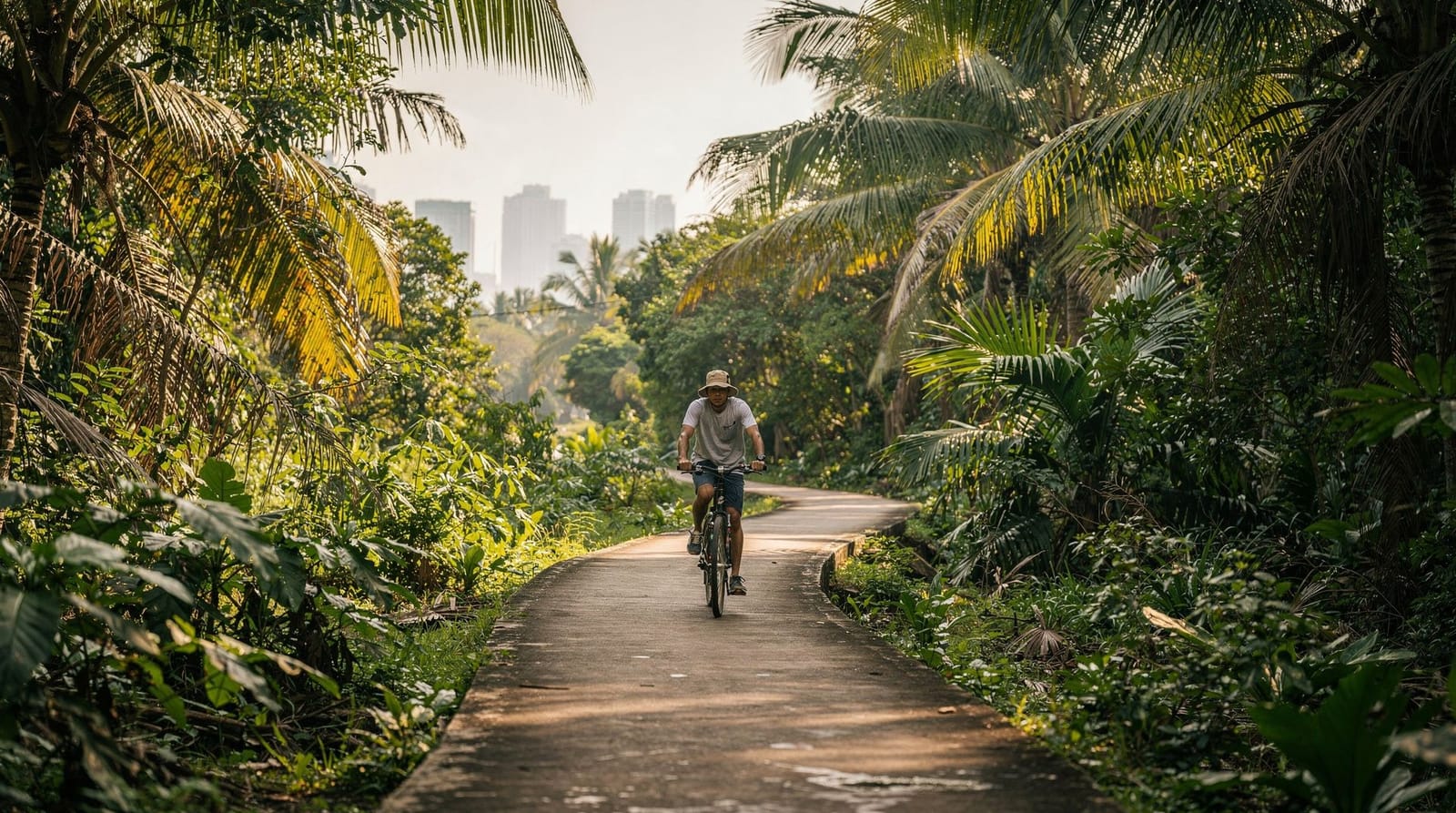
Beyond the boats, Thonburi rewards slow exploration. A morning bike tour is a wonderful way to see canal-side communities, temples and local life along the quiet lanes and paths between the khlongs — the morning bike tour with ferry crossing combines cycling with river ferries for a genuinely local half-day. Thonburi connects directly to the green oasis of Bang Krachao downriver and the old market district of Wongwian Yai inland, both of which share its slower, more local character. This whole quieter west bank features in the 2-day itinerary.
Eating in Thonburi
Thonburi eats local and cheap. Canal-side stalls and the weekend floating markets serve grilled fish, boat noodles, papaya salad and Thai sweets cooked over the water; old shophouse eateries dot the lanes; and there’s none of the tourist mark-up of the eastern bank. The floating markets in particular are a delicious, atmospheric way to eat — perched at a canal-side table with food passed up from the boats. For the wider food context see the street food guide and what to eat in Bangkok.
Practical tips and honest notes
A few honest pointers. Negotiate longtail-boat prices firmly if hiring privately at a pier, or book a set-price tour to avoid haggling — drivers at the piers can quote high. Go in the morning for cooler air, calmer water and the weekend markets at their liveliest. The boats are loud and open, so bring sun protection and secure your belongings. Floating markets like Khlong Lat Mayom and Taling Chan mostly run at weekends only, so plan accordingly. And remember Thonburi is a working residential area, not a theme park — engage respectfully with the communities you pass.
Weekday vs weekend: what you’ll actually see
| Weekday visit | Weekend visit | |
|---|---|---|
| Canal tour | Available, quieter | Available, busier at popular piers |
| Floating markets | Mostly closed | Khlong Lat Mayom and Taling Chan in full swing |
| Crowds | Light | Heavier at the markets |
| Best for | A pure canal-and-temple focus | Combining canals with market food and atmosphere |
If a floating market is the priority, plan around a weekend; if you just want the canals and temples at their calmest, a weekday works just as well.
Getting there and around
By boat: The classic and best way — longtail and tour boats depart from piers near Wat Arun and along the Chao Phraya. Cross-river ferries (a few baht) link the eastern bank to Thonburi.
By BTS: The Silom Line crosses to Thonburi at Krung Thon Buri and Wongwian Yai stations; the Gold Line serves ICONSIAM and Charoen Nakhon on this bank. See the BTS Skytrain guide.
By bike: Lovely for the canal-side lanes; several tours combine cycling and ferries.
By Grab or taxi: Useful for reaching the western floating markets, which are far out; the river is best for the canal tours and central temples. See the Grab and taxi guide.
Frequently asked questions about Thonburi & the khlongs
What are the Thonburi khlongs?
Khlongs are the canals that lace Bangkok’s old western bank, Thonburi — once so central to city life that Bangkok was called the “Venice of the East.” Lined with stilt houses, riverside temples and orchid nurseries, they preserve a water-bound way of life that has largely vanished across the river. The best way to see them is by longtail boat.
Is a longtail-boat canal tour worth it?
Yes — it’s one of the most rewarding half-days in Bangkok. Gliding through the canals, you pass wooden stilt houses, riverside temples, boat vendors and monitor lizards, glimpsing a slower, older Bangkok. Book a set-price tour or negotiate firmly at the pier, and go in the morning for cooler air and calmer water.
Where are the best floating markets near Thonburi?
The Khlong Lat Mayom and Taling Chan floating markets on Bangkok’s western edge are the most authentic and local — far less touristy than the famous Damnoen Saduak further out. They run mainly at weekends, with food cooked on boats and canal-side stalls. Many visitors combine them with a canal tour or reach them by Grab.
How do I get to the Thonburi canals?
By boat is best — longtail and tour boats depart from piers near Wat Arun and along the Chao Phraya, and cross-river ferries link the eastern bank for a few baht. The BTS Silom Line also crosses to Thonburi at Krung Thon Buri and Wongwian Yai stations, and the Gold Line serves ICONSIAM on this bank.
What’s the best time to explore Thonburi?
Mornings — cooler, calmer water for boat tours and the weekend floating markets at their liveliest. The cool season (November to February) is the most pleasant on the open longtail boats. Avoid the midday heat, and remember the floating markets mostly operate only at weekends.
What else is there to see in Thonburi besides the canals?
Plenty: Wat Arun (the Temple of Dawn) on the riverside, the Royal Barges National Museum up a side canal (displaying the king’s ceremonial barges), numerous quiet canal-side temples, and the weekend floating markets. Thonburi also links to the green island of Bang Krachao and the old market district of Wongwian Yai, both sharing its slower pace.
Top experiences
Bookable activities with verified prices and instant confirmation on GetYourGuide.