Loy Krathong in Bangkok: the festival of lights guide
Bangkok: Chinatown and Talat Noi Guided Walking Tour
What is Loy Krathong and when is it in Bangkok in 2026?
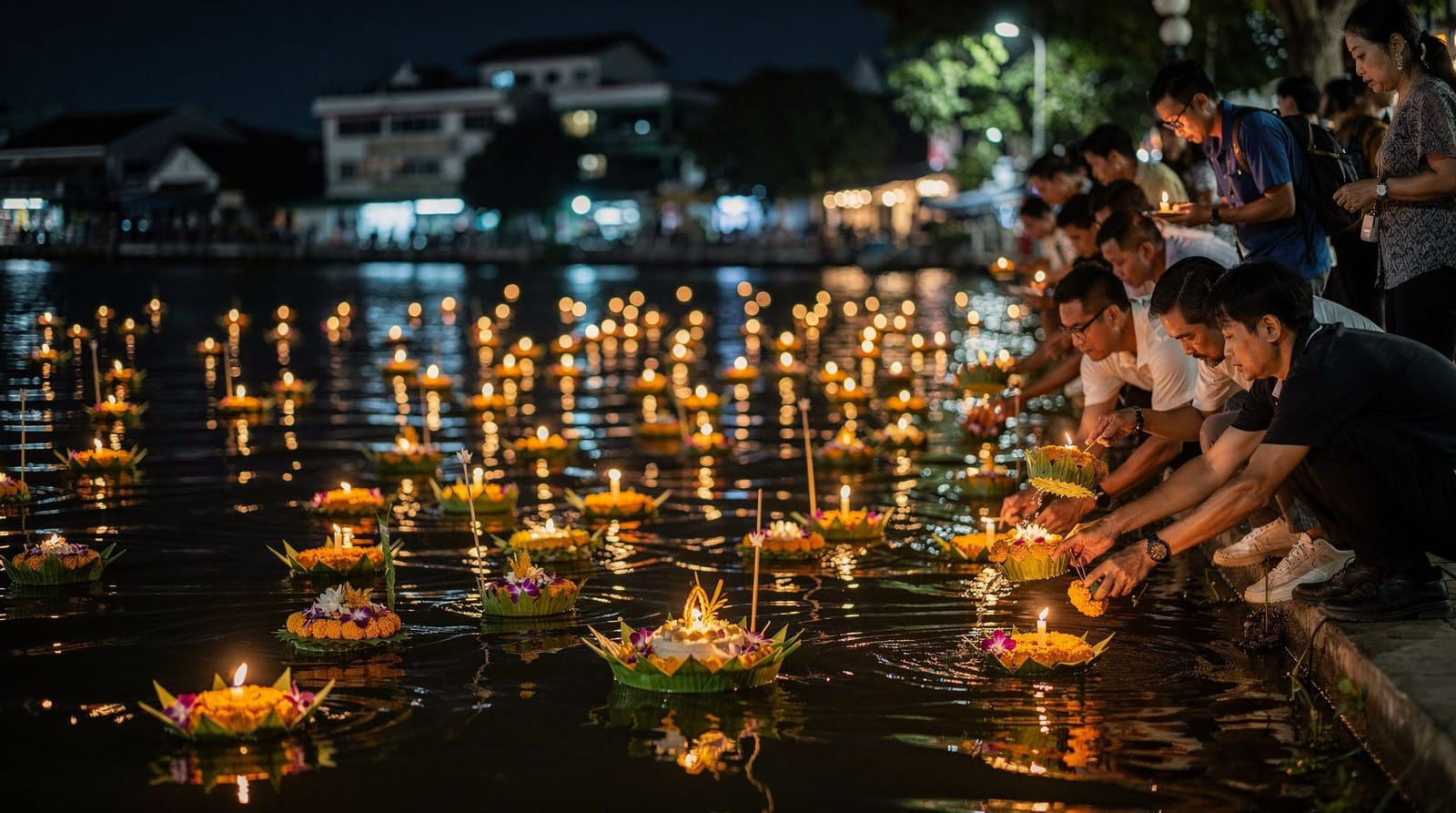
Loy Krathong is Thailand's festival of lights, held on the full moon of the twelfth lunar month — in 2026 it falls on 25 November. People release small decorated baskets (krathong) made of banana leaves, flowers, candles and incense onto rivers and canals to float away bad luck and give thanks to the water goddess. In Bangkok the Chao Phraya River and the city's canals are the heart of it. Note that the mass sky-lantern release seen in photos is Yi Peng, a Chiang Mai tradition, not a Bangkok event.
| When | 25 November 2026, celebrations after dark |
| Cost | Krathong 30-100 THB from riverside and park vendors |
| Where | Chao Phraya riverfront, Lumphini/Benjakitti parks, local canals |
| Origin | Believed to have begun in Sukhothai, 700 years ago |
| Not to confuse with | Yi Peng sky lanterns — a separate, Chiang Mai tradition |
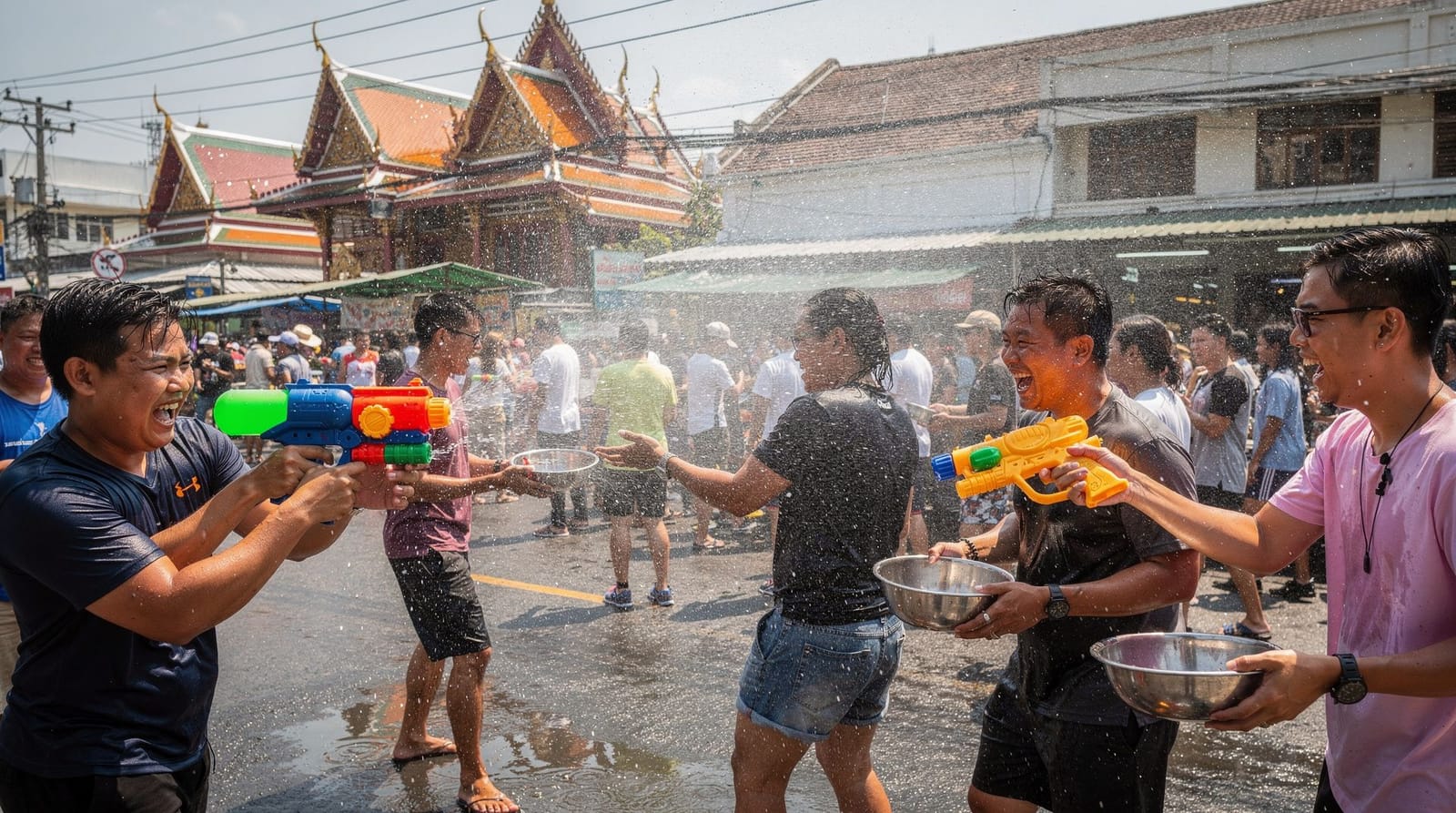
If Songkran is Thailand’s loud, soaking exuberance, Loy Krathong is its quiet, luminous opposite — the festival of lights, when thousands of candlelit baskets drift across the rivers and canals on the November full moon. People float a krathong to let go of the past year’s misfortunes and give thanks to the goddess of water, and the result is one of the most beautiful evenings of the Thai calendar. In 2026 it falls on 25 November. This guide explains the tradition, where to experience it in Bangkok, how to take part responsibly, and why the famous sky lanterns you may have seen in photos belong to Chiang Mai, not the capital.
When Loy Krathong happens in 2026
Loy Krathong follows the lunar calendar, falling on the full moon of the twelfth Thai lunar month. In 2026 that lands on 25 November. Because it is lunar, the date shifts each year between late October and November. The action centres on the evening: as darkness falls, people gather at the nearest body of water — river, canal, lake or even a hotel pool — to float their krathong by candlelight.
The timing is a gift for visitors, because November is arguably the best month to be in Bangkok. The monsoon has ended, the air is fresher and cooler than the punishing hot season, and the peak-season crowds and prices have not fully arrived. The best time to visit Bangkok guide explains why November tops the list, and the Bangkok weather month-by-month guide confirms the pleasant conditions. Unlike Songkran, Loy Krathong does not disrupt ordinary sightseeing, so you get the festival and a full, comfortable trip.
What Loy Krathong means
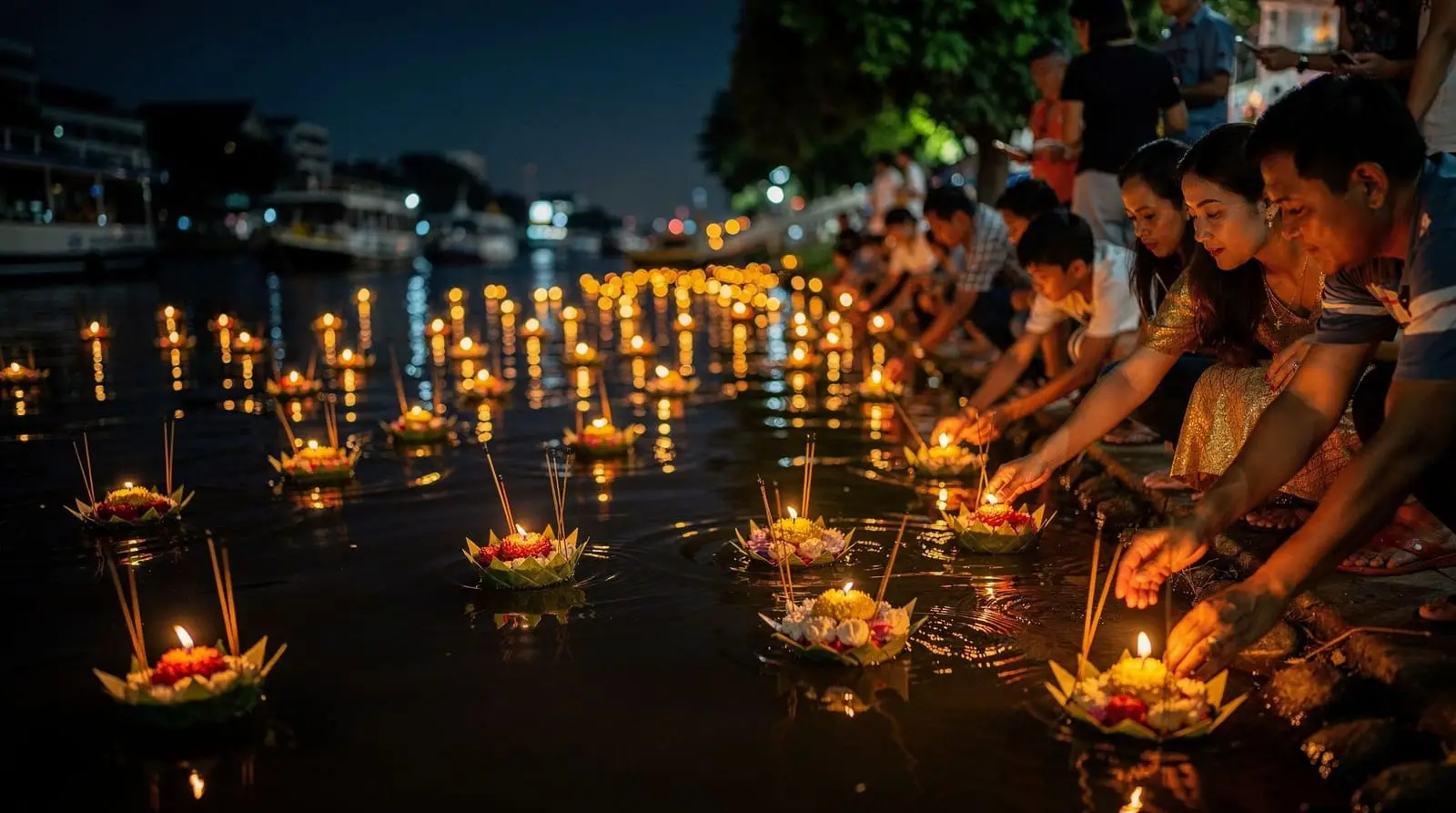
The name says it: loy means to float, and krathong is the little decorated vessel. Floating a krathong is an act of letting go — releasing the negativity, mistakes and bad luck of the past year onto the water so it can drift away. It is also an act of gratitude and respect toward Phra Mae Khongkha, the goddess of water, thanking her for the year’s water and apologising for having polluted it. Many people make a wish as they release their krathong, and watching the candle stay lit as it floats away is considered a good omen.
A traditional krathong is a small disc cut from a banana tree trunk, dressed with intricately folded banana leaves and fresh flowers (often marigolds and orchids), topped with a candle and three sticks of incense. Some people add a coin as an offering, or a strand of hair or a nail clipping to symbolise releasing the old self. The craft of making a beautiful krathong is itself a cherished part of the festival. This gentle, thankful spirit sits within the wider framework of Thai Buddhist and animist belief explained in the Bangkok culture guide and the Buddhism in Bangkok guide.
The Yi Peng confusion: lanterns are Chiang Mai
Here is the single most important clarification for anyone planning around the photos they have seen: the breathtaking images of thousands of glowing paper lanterns rising into the night sky are Yi Peng, a northern Lanna tradition centred on Chiang Mai, which happens to coincide with Loy Krathong. That is the sky-lantern festival.
In Bangkok, Loy Krathong is about floating krathong on water, not releasing lanterns into the sky. You will not find the mass sky-lantern release in the capital — for fire-safety and air-traffic reasons it is restricted, and it simply is not the Bangkok tradition. If your dream is the floating-lantern sky, you need to plan a trip to Chiang Mai, not Bangkok. What Bangkok offers instead is the river: candlelit krathong drifting on the broad Chao Phraya beneath illuminated temples, which is magical in its own right. Setting expectations correctly here saves real disappointment.
Loy Krathong vs Songkran at a glance
| Loy Krathong | Songkran | |
|---|---|---|
| When | 25 November 2026 | 13-15 April |
| Mood | Gentle, romantic, contemplative | Loud, soaking, chaotic |
| Main activity | Floating candlelit krathong on water | City-wide water fights |
| Disrupts sightseeing? | No — normal daytime activities continue | Yes — much of the city grinds to a wet halt |
| Weather | Cool, dry season, comfortable | Hottest month of the year |
Where to go in Bangkok
Bangkok gives you several distinct ways to experience the night.
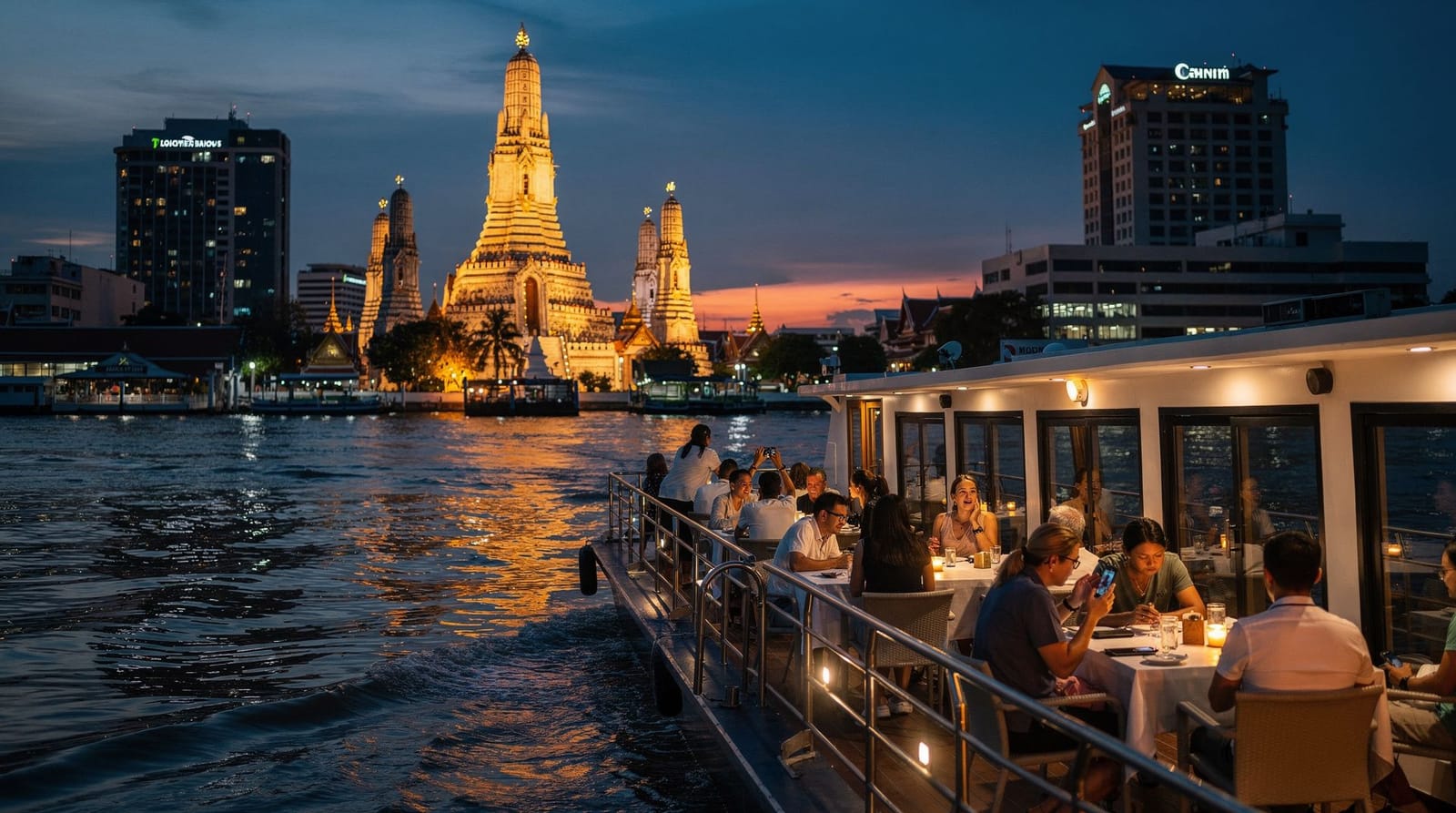
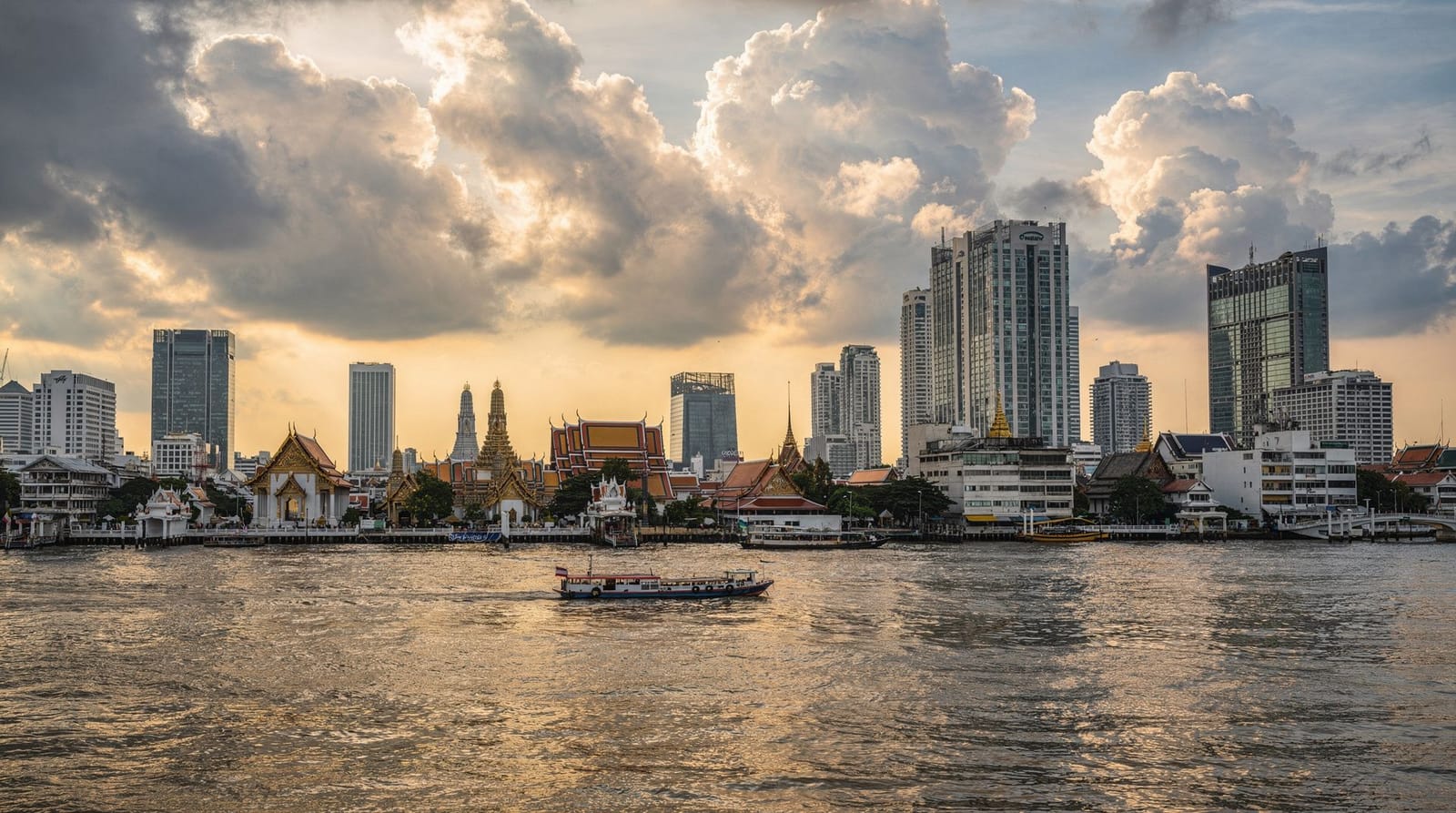
The Chao Phraya riverfront is the headline location. The riverside around Asiatique, the piers, and the stretches near the great river temples fill with people floating krathong, food stalls, and lights reflecting on the water. The riverside district hotels and restaurants run special evenings, and the illuminated spires of Wat Arun make a spectacular backdrop — the Wat Arun area is worth planning around for the view alone, and rooftop bars overlooking the river covered in the Bangkok with a view guide book out fastest of all on the night. A river dinner cruise is one of the most comfortable and atmospheric ways to mark the occasion, gliding past the lit-up temples while you float your krathong from the deck — the options are compared in the Chao Phraya dinner cruise guide and the best dinner cruises in Bangkok guide.
For a calmer, family-friendly celebration, the city’s lake parks are excellent. Lumphini Park and Benjakitti Park host floating on their lakes alongside food stalls, cultural performances and a gentler crowd than the riverfront. For something quieter and more local, the smaller canals (khlongs) of Thonburi and the old city offer intimate, less-touristed floating. The seasonal page with venue specifics and timing is the Loy Krathong in Bangkok guide.
A relaxed evening river cruise is also a lovely way to see the temples lit up on any November night, festival or not.
Chinatown and Talat Noi evening walking tour — heritage lanes by nightHow to take part responsibly
Visitors are warmly welcome to join in, and it is a genuinely moving experience. On the night, vendors line the riverbanks and park edges selling ready-made krathong, typically for 30 to 100 THB. Buy one, light the candle and incense, take a moment to make your wish or simply to give thanks, and gently set it on the water at the edge. Be careful with the open flame and watch your footing — the banks and pier edges get crowded and slippery.
The honest environmental note matters here. Traditional krathong of banana leaf and flowers are biodegradable and broadly fine, but the sheer volume floated in one night strains the waterways, and city crews scoop thousands out the next morning. Styrofoam krathong are a real pollution problem and are increasingly banned or discouraged — never buy one. Choose a natural, biodegradable krathong (some are now made from bread that fish eat, or even from ice), share one krathong between a group rather than floating many, or simply enjoy watching the spectacle without adding to it. Responsible participation keeps the festival beautiful for the future.
Making a night of it
Loy Krathong pairs naturally with a riverside dinner or a cruise, turning the evening into a full experience. Arrive at the river before sunset to find a spot, watch the light fade over the water, eat well, and float your krathong once it is properly dark. The prime riverfront locations get genuinely crowded, so either arrive early to claim your place, book a cruise or riverside restaurant in advance, or choose a park or a quieter canal for a more relaxed evening.
Dress is casual but modest, as always in Bangkok. Combine the festival with daytime sightseeing across the riverside and old city — the temples by day, the krathong by night — for a perfect November day.
What to bring on the night
Small cash for a krathong (30-100 THB), a lighter or matches if you want to relight a candle that blows out, and a torch or your phone light for uneven pier steps and grassy park edges after dark. Insect repellent is worth carrying, since the parks and canal-side spots draw mosquitoes in the evening. If you plan to linger by the water for photos, a light layer helps once the evening breeze picks up off the river — November nights are pleasant but not warm compared with the rest of the year. Wet wipes are handy after handling a candle and incense.
If you can’t be there on the exact date
Some riverside hotels and restaurants extend Loy Krathong-themed evenings across the surrounding weekend, especially when the 25th falls midweek, so it is worth asking a hotel concierge or checking a specific venue if your dates do not line up exactly with the full moon. That said, the true festival night is the one that draws the crowds, the vendors and the citywide atmosphere, so treat any extended celebration as a bonus rather than a substitute for being there on 25 November itself. For everything else happening across the Thai year, see the Bangkok festivals calendar, and for the festival’s loud counterpart in April, the Songkran guide and the Songkran in Bangkok guide. Its romantic, unhurried mood makes it a natural fit for the Bangkok for couples itinerary too.
Why it’s worth timing a trip around
Of Thailand’s two great festivals, Loy Krathong is the easier one to recommend to most visitors. It is gentle rather than chaotic, romantic rather than rowdy, and it lands in the best weather window of the year without disrupting your sightseeing. You get fresh cool-season air, comfortable temple-hopping, manageable crowds, and a luminous candlelit evening on the river that ranks among the most atmospheric experiences in Southeast Asia. If you can choose your dates, late November 2026 around the 25th is close to the ideal time to see Bangkok — Loy Krathong simply adds magic to an already excellent month. The full first-timer planning picture is in the plan a trip to Bangkok guide and the things to do in Bangkok guide.