Talat Noi
Talat Noi is Bangkok's most photogenic old quarter — engine-part workshops, street murals, hidden riverside cafes and Instagram-famous alleys beside Chinatown.
Bangkok: Chinatown and Talat Noi Guided Walking Tour
Quick facts
- Nearest transit
- MRT Hua Lamphong (Blue Line) ~10 min walk; or river boat to Marine Department pier
- Character
- Atmospheric old Sino-Portuguese riverside lanes; car-part workshops, art and cafes
- Key food
- Hidden riverside cafes, old-school Thai-Chinese eateries, dessert shophouses
- Key sight
- So Heng Tai mansion, Holy Rosary Church, the street-art alleys and Chao Phraya views
- Best time
- Late afternoon for golden light and cafes; weekends are busier with photographers
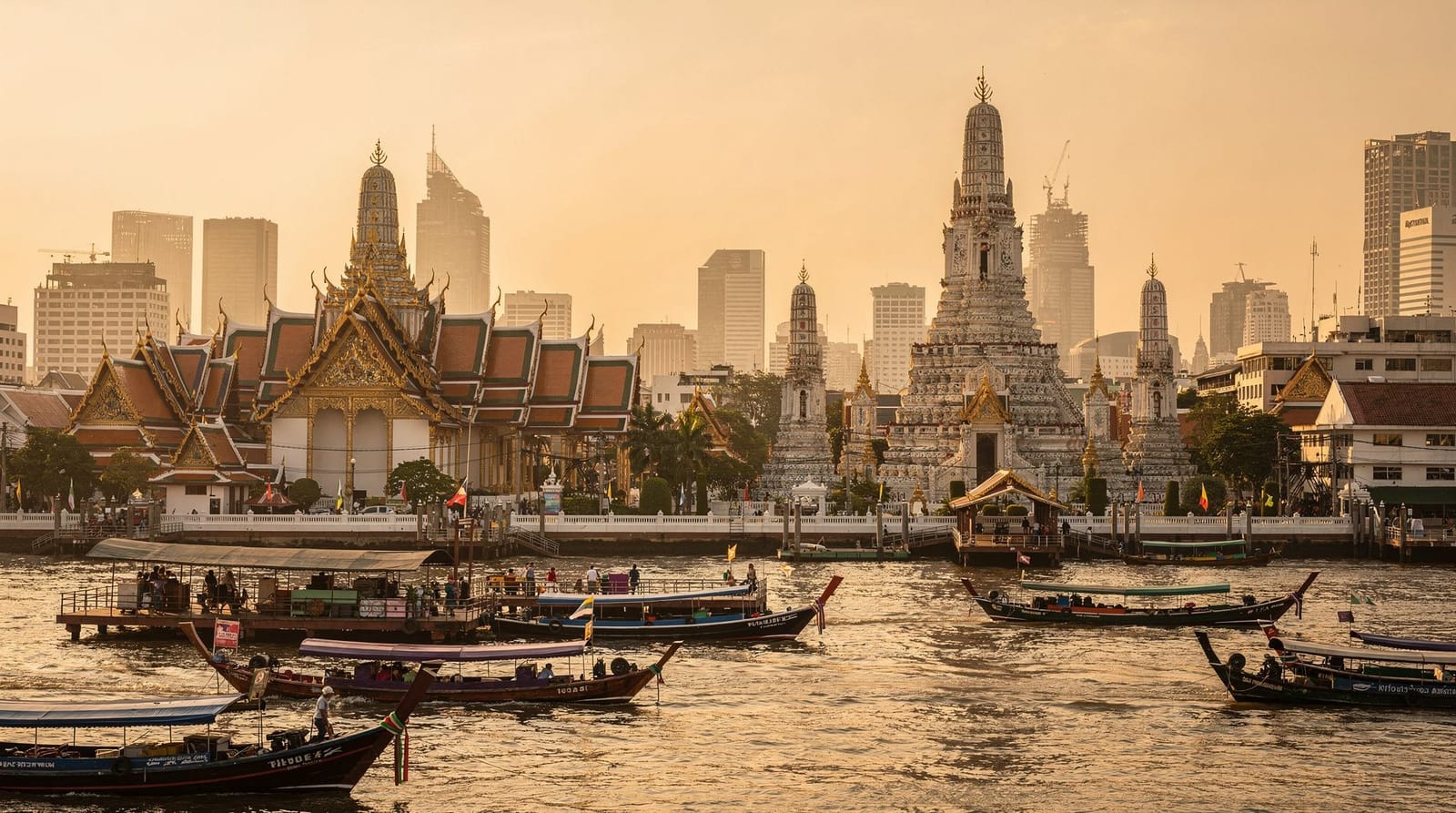
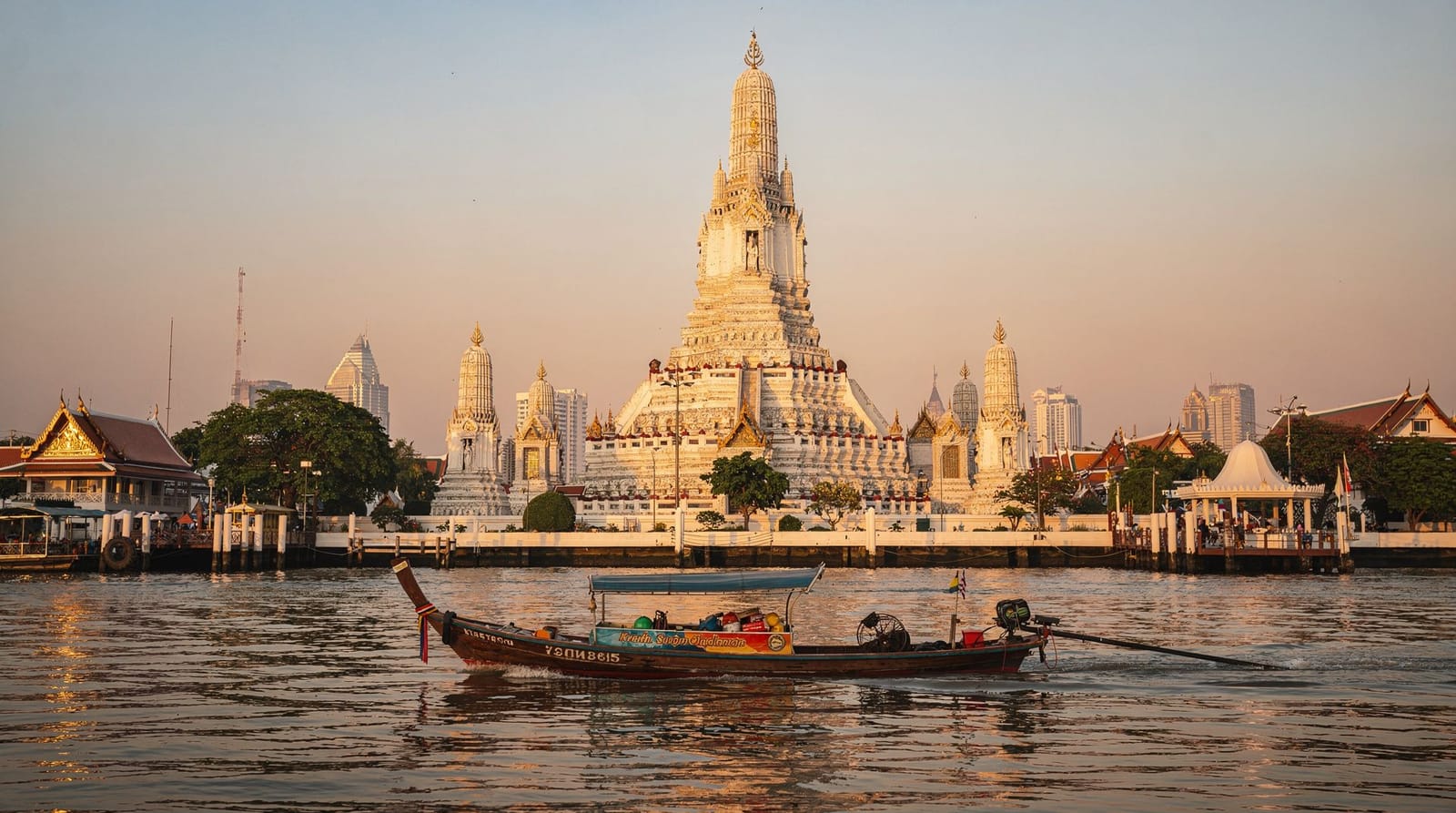
Talat Noi is the quarter you go to when you want Chinatown’s history without its sensory overload. Wedged between Yaowarat and the Chao Phraya River, this tangle of narrow lanes is one of Bangkok’s oldest neighbourhoods — a Teochew Chinese and Sino-Portuguese enclave where, improbably, vintage car-engine workshops, century-old shrines, a 200-year-old riverside mansion and a wave of street art and third-wave cafes all share the same crumbling shophouse alleys. It has become Bangkok’s most photographed old district, and while that means it is no longer a secret, it remains genuinely atmospheric — especially in the soft light of late afternoon, before you slip next door for a Chinatown street-food dinner.
What Talat Noi actually is
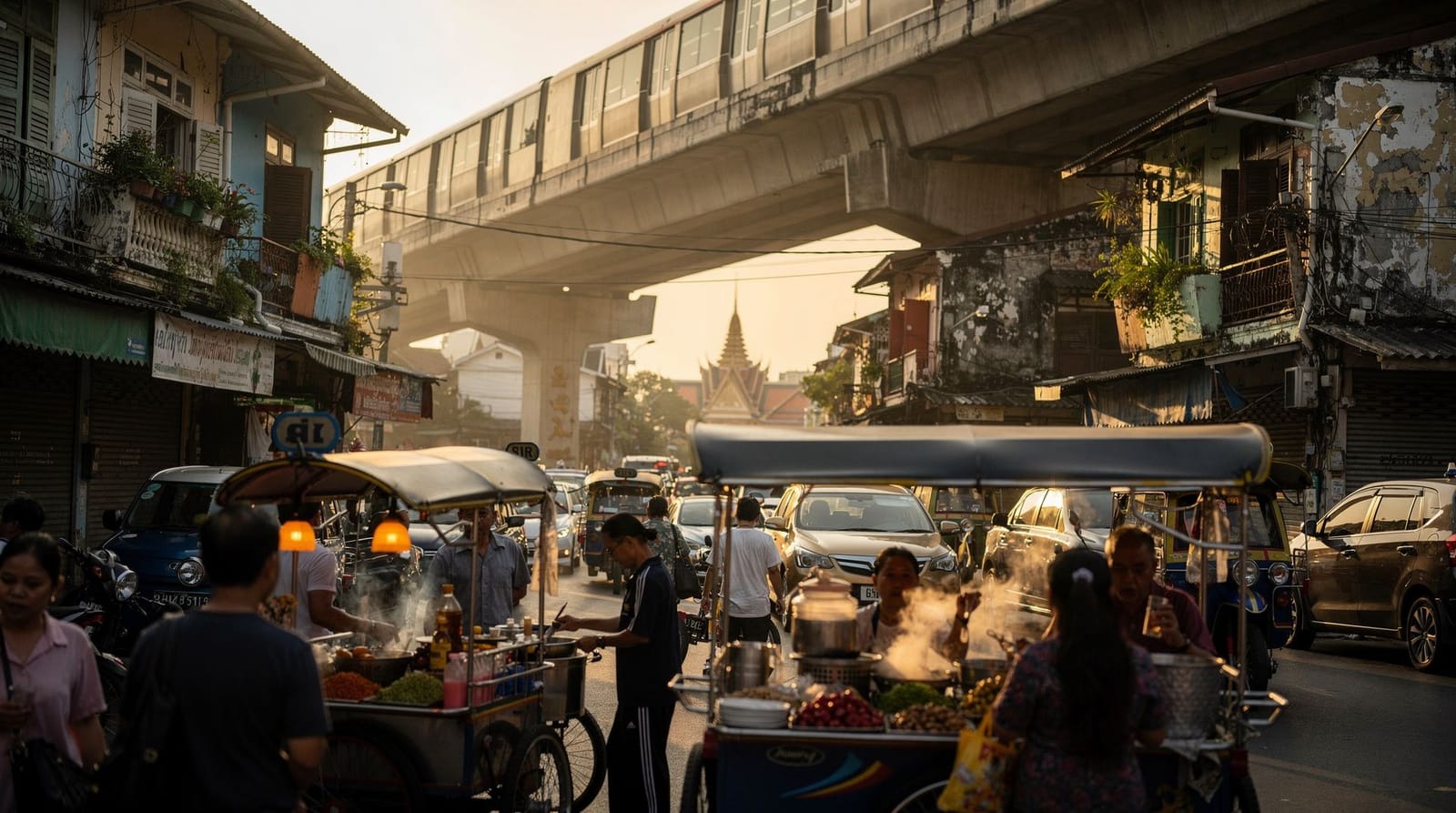
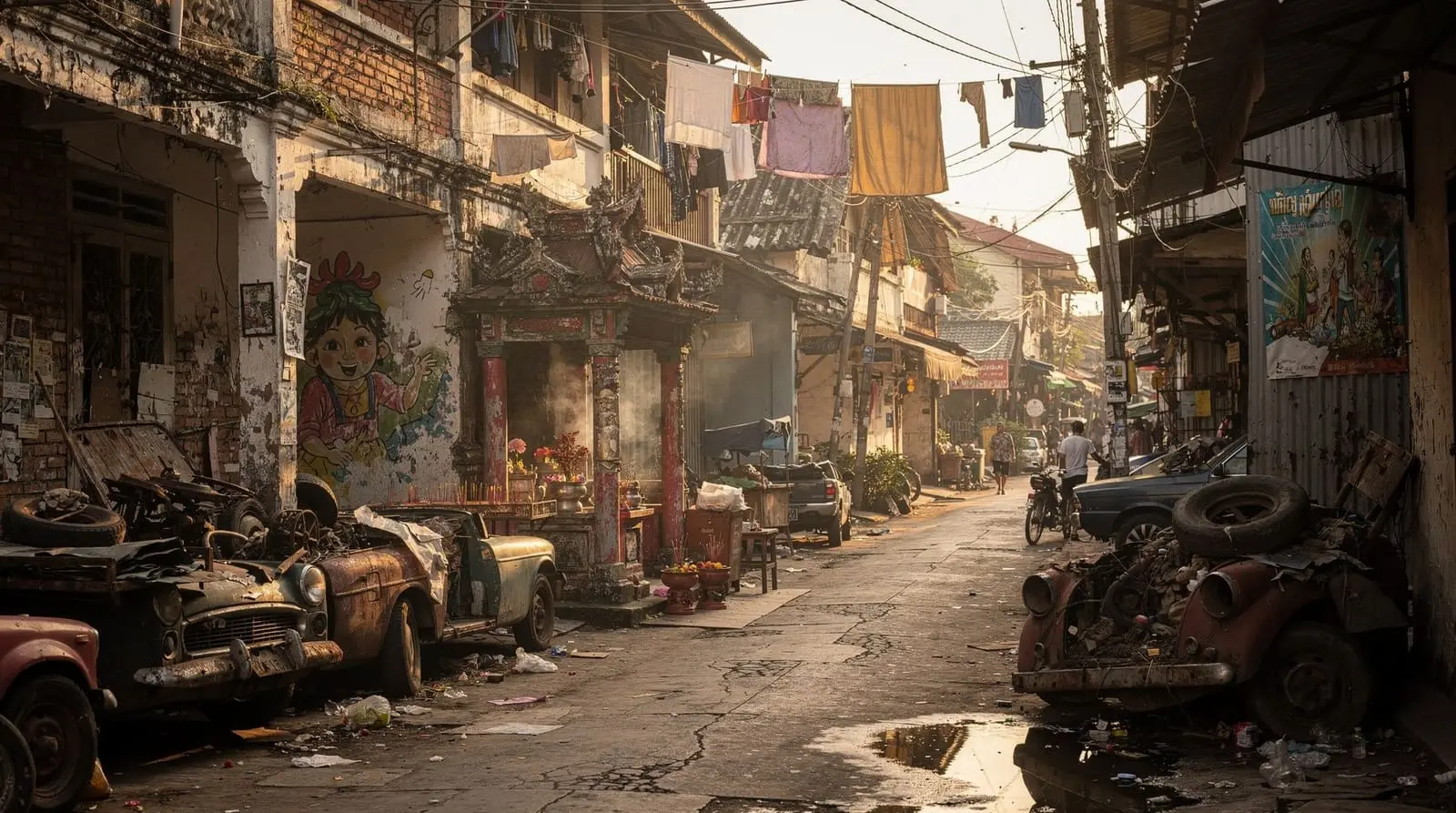
The name means “little market.” For generations this was a working riverside community of Teochew traders and, later, a hub for salvaged car and engine parts — and that industry never left. Walking the lanes, you pass open-fronted workshops stacked with gearboxes, pistons and rusting machinery, their walls and shutters now covered in street murals. The juxtaposition of grease-stained mechanics and Instagrammers framing the perfect shot is the essence of modern Talat Noi. The textures are extraordinary: peeling pastel shophouses, tangles of wires, hand-painted Chinese signage, potted plants, sleeping cats, and the river glimpsed at the end of dead-end sois.
The honest framing: Talat Noi is small, and its fame has brought crowds and a slightly self-conscious cafe scene on weekends. But it is still a working neighbourhood, not a theme park — be respectful of residents and the workshops, which are real businesses, not photo backdrops. For the full walking route see the Talat Noi guide.
The landmarks worth finding
- So Heng Tai mansion — a roughly 200-year-old Hokkien-Chinese courtyard house, one of the few surviving examples of its kind in Bangkok, with a scuba-diving school improbably operating in its central courtyard pool. There is usually a small entry/drink fee.
- Holy Rosary Church (Wat Kalawar) — a beautiful Catholic church founded by Portuguese descendants, reflecting the area’s Sino-Portuguese roots, with neo-Gothic interiors and stained glass.
- Chinese shrines — small, incense-thick shrines like the riverside Chow Sue Kong shrine punctuate the lanes.
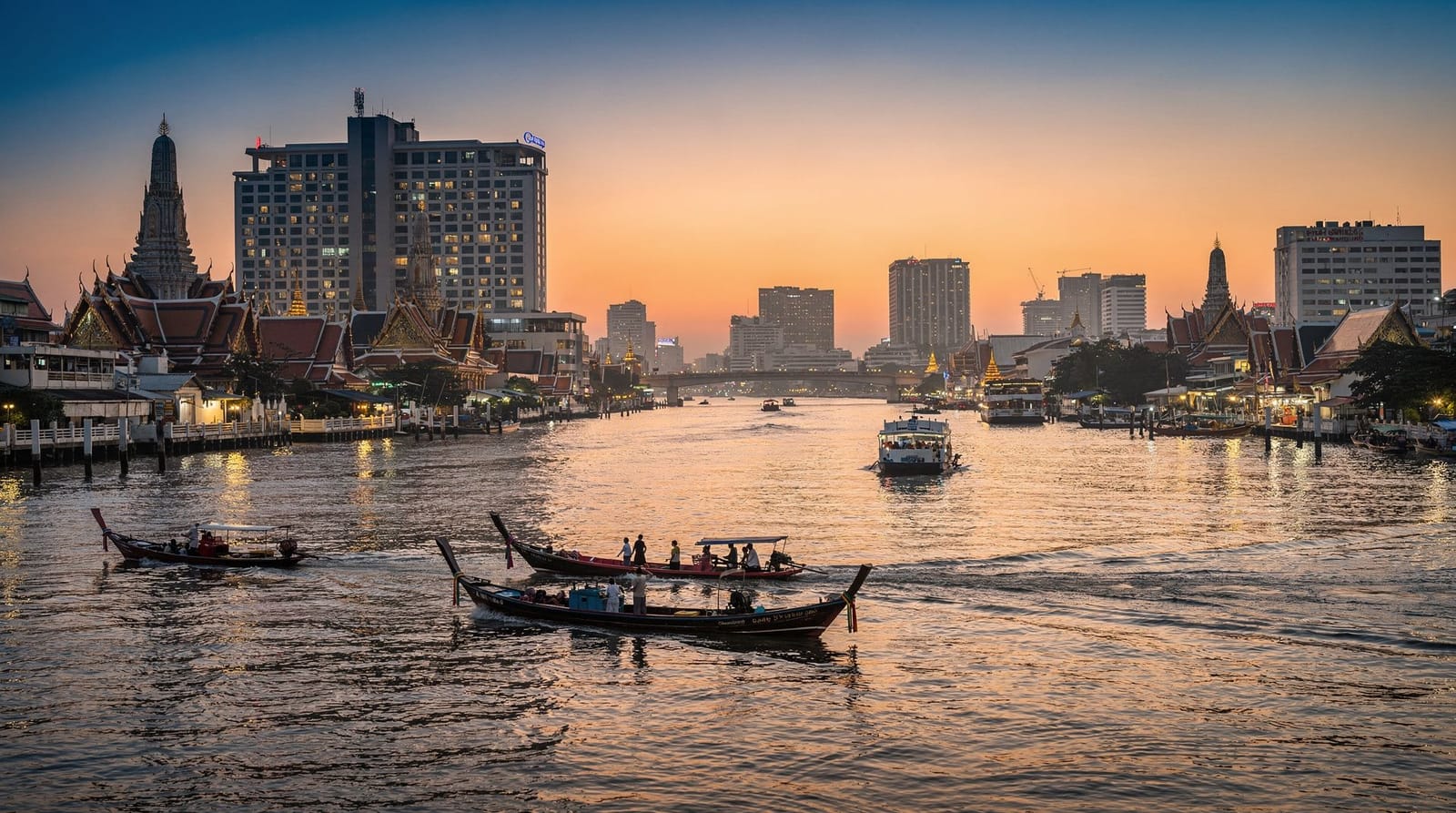
- The riverside — several sois open onto the Chao Phraya with cafes and viewpoints looking across to Thonburi.
A guided walk untangles the maze and the history efficiently — the Chinatown and Talat Noi walking tour and the explore the back alleys of Chinatown tour both wind through these landmarks with local context.
The Sino-Portuguese connection
Talat Noi’s mixed heritage isn’t decorative — it’s the result of genuine 18th- and 19th-century trade patterns. Portuguese traders and missionaries were among the earliest Europeans to settle on the Chao Phraya, and the Teochew Chinese community that built the district’s shophouses and workshops arrived alongside them, drawn by the same riverside trade that shaped Chinatown next door. Holy Rosary Church stands as the clearest physical trace of that Portuguese-Catholic presence, while the shrines and family associations reflect the Teochew side. Few Bangkok neighbourhoods show this layering of communities so compactly. See the culture guide for how this pattern repeats across the old riverside districts.
Photographing a working neighbourhood respectfully
Talat Noi’s popularity as a photo location creates real friction with the residents and mechanics who actually live and work there. A few honest rules help: ask before photographing individuals up close, don’t block workshop entrances or doorways for a shot, and be aware that some of the “photogenic” alleys are also people’s front steps. The Thai customs and etiquette guide covers the wider principle — a friendly, unhurried manner goes a long way in a neighbourhood that has grown a little weary of tripods.
The cafe and art scene
Talat Noi has become one of Bangkok’s most beloved cafe-hopping neighbourhoods. Hidden behind unassuming shophouse fronts and down riverside alleys, you will find specialty-coffee spots, design-led cafes built into old warehouses, and dessert shophouses serving traditional Thai-Chinese sweets. Many have riverside seating or rooftop perches. The pleasure here is the hunt — half the cafes have no obvious sign, and finding them is part of the experience. Pair the cafes with old-school Thai-Chinese eateries and you have a perfect slow afternoon. For more, see the hidden gems guide and the neighbourhoods guide.
A photographer’s playground
If you came to Bangkok with a camera, Talat Noi is essential. The murals, the workshop tableaux, the vintage signage and the river light make it one of the city’s top photo zones — see the Instagram spots guide and the best photo spots guide. For a curated shoot with someone who knows the best angles and timing, the Instagram tour with a photographer works well here. An unusual alternative: the hidden canal and artist-village electric-boat tour reaches similarly atmospheric, art-filled riverside pockets by quiet EV longtail.
Combining Talat Noi with Chinatown
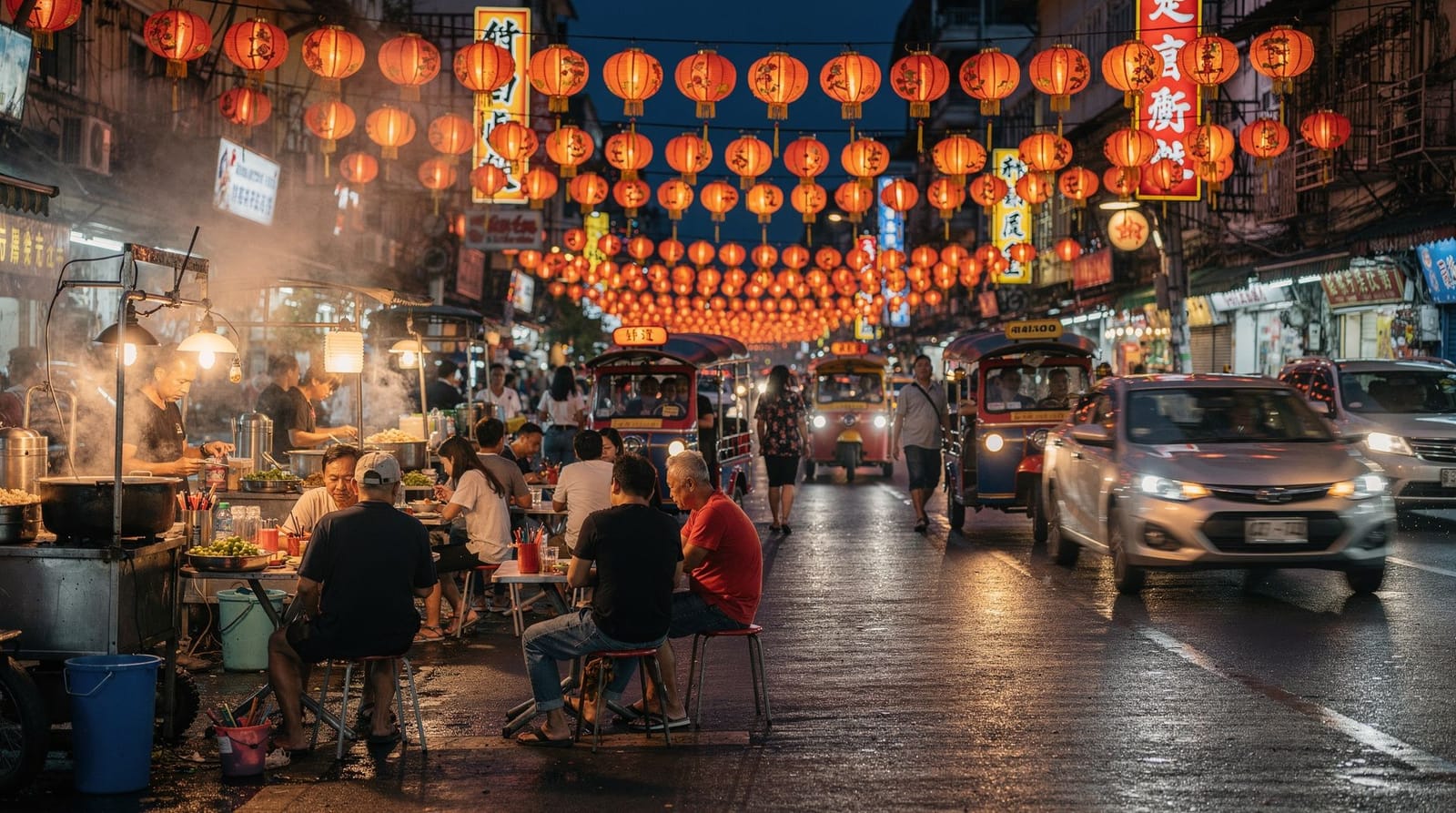
The ideal plan treats Talat Noi as the calm before the storm. Spend the late afternoon wandering its lanes and cafes, catch the golden light and the river views, then walk five minutes north into Chinatown and Yaowarat as the food stalls fire up for the evening. The two districts are physically continuous and tonally opposite, which makes them a brilliant pairing. The secret food tour of Chinatown threads the quieter lanes into the food trail. Westward lies Phahurat (Little India) and the riverside sits just across the water — this whole cluster is covered in the 2-day itinerary.
Talat Noi vs Chinatown: two moods, one walk
| Talat Noi | Chinatown (Yaowarat) | |
|---|---|---|
| Best time | Late afternoon | Evening/night |
| Pace | Slow, wandering | Fast, dense, crowded |
| Draw | Murals, cafes, history | Street food, neon, shrines |
| Noise level | Quiet | Loud, energetic |
They’re a five-minute walk apart and designed to be seen back-to-back — see the Chinatown guide for the full Yaowarat picture, and for an evening cocktail after the walk, several hidden bars nearby feature in the Chinatown speakeasies guide.
Eating in Talat Noi
Beyond the cafes, Talat Noi has genuinely good, old-fashioned Thai-Chinese food. Look for shophouse noodle shops, congee (rice porridge) stalls, braised-pork-and-rice spots, and traditional dessert makers selling things like black-sesame dumplings and grass jelly. Prices are local and cash-only. Because the district is small, you can graze here and still arrive hungry for Yaowarat’s stalls. For the wider food picture see the street food guide and what to eat in Bangkok.
Getting there and around
By MRT: Hua Lamphong station (Blue Line) is about a 10-minute walk to the edge of Talat Noi — the easiest rail arrival. Wat Mangkon station serves the Chinatown side if you are combining the two.
By river boat: The Marine Department pier and nearby Chao Phraya stops put you right at Talat Noi’s riverside edge — a lovely way to arrive; see the Chao Phraya boats guide.
On foot: This is a walking neighbourhood; the lanes are too narrow and tangled for anything else. Wear comfortable shoes, expect uneven surfaces, and simply get a little lost.
By Grab or taxi: Drop-offs are easy at the edges, but cars cannot enter the narrowest sois. Avoid arriving in peak traffic. See the Grab and taxi guide.
Frequently asked questions about Talat Noi
What is Talat Noi famous for?
Its atmosphere: a tangle of old shophouse lanes where vintage car-engine workshops, century-old Chinese shrines, a 200-year-old mansion and a riverside church coexist with vivid street art and hidden cafes. It has become Bangkok’s most photographed old quarter while remaining a real working neighbourhood beside Chinatown.
Is Talat Noi worth visiting, or is it just for photos?
It is worth it beyond the photos — there is real history (Teochew and Sino-Portuguese heritage), genuine landmarks like the So Heng Tai mansion and Holy Rosary Church, excellent old-school Thai-Chinese food, and a charming cafe scene. The photogenic murals are a bonus, not the whole story.
How do I get to Talat Noi?
The MRT Blue Line’s Hua Lamphong station is about a 10-minute walk away — the easiest option. You can also arrive by Chao Phraya river boat to the Marine Department pier, which drops you at the riverside edge. Once there, explore entirely on foot, as the lanes are too narrow for vehicles.
Can I combine Talat Noi with Chinatown in one visit?
Yes — they are physically continuous and make an ideal pairing. Spend a calm late afternoon wandering Talat Noi’s lanes and cafes for the golden light, then walk five minutes north into Yaowarat as Chinatown’s street-food stalls open for the evening.
When is the best time to visit Talat Noi?
Late afternoon, when low sun lights the lanes and the cafes are open, leading naturally into a Chinatown dinner. The cool season (November to February) makes wandering the unshaded alleys comfortable. Weekends are busier with photographers and cafe crowds; weekday afternoons are calmer.
Is Talat Noi suitable for cafe-hopping?
Very much so — it is one of Bangkok’s best cafe neighbourhoods, with specialty-coffee spots and design-led cafes hidden behind shophouse fronts and along the riverside. Many have no obvious sign, so part of the fun is hunting them down. Several have river or rooftop views.
Top experiences
Bookable activities with verified prices and instant confirmation on GetYourGuide.