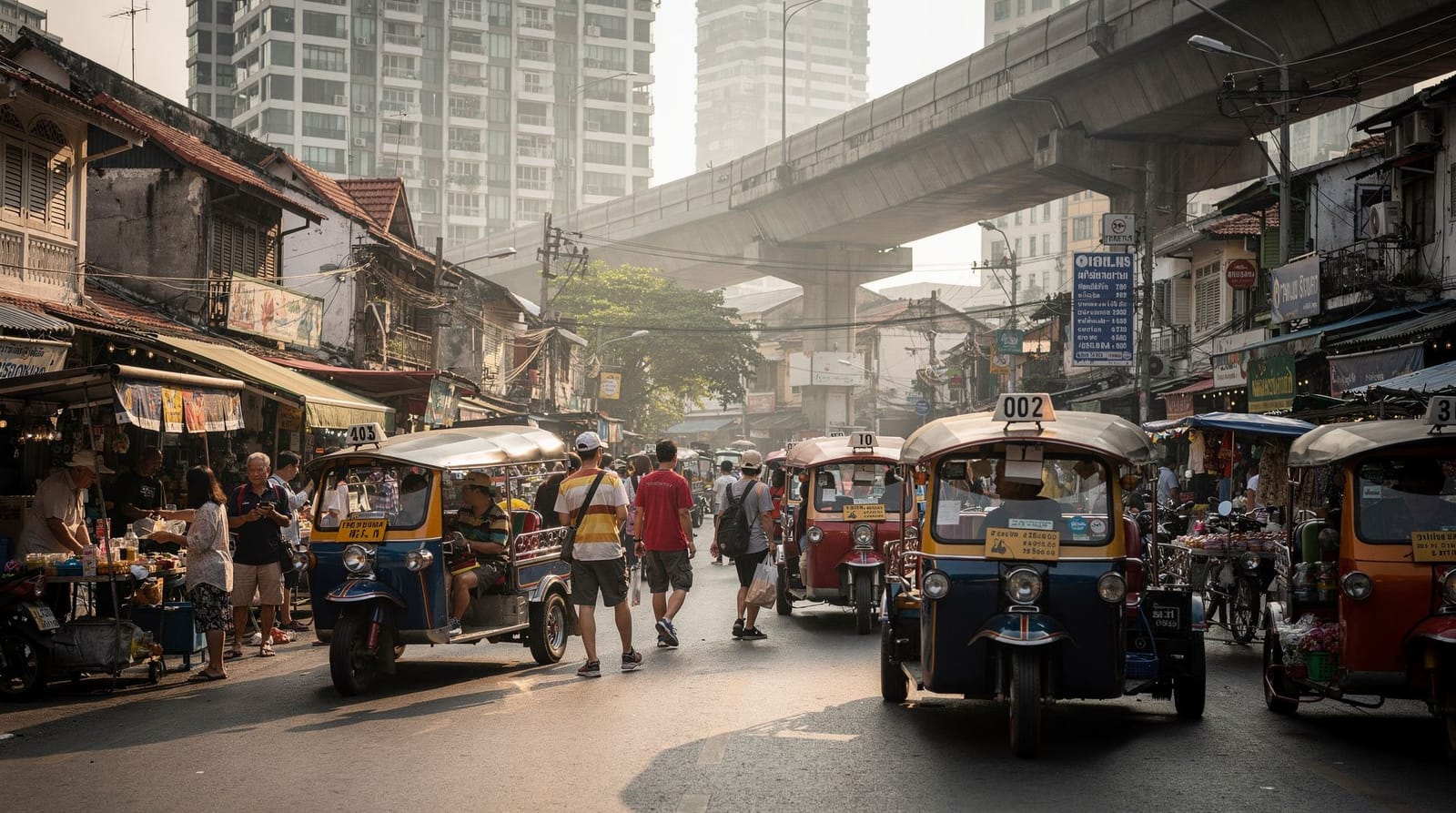
Bangkok shopping guide: malls, markets and where to bargain
Bangkok: Chatuchak Weekend Market & Floating Market Tour
Where is the best shopping in Bangkok?
It depends what you're after. For markets and bargains, Chatuchak Weekend Market and the Pratunam wholesale zone are unbeatable. For malls — from luxury to mid-range — the Siam district (Siam Paragon, Siam Center, MBK) and the Sukhumvit malls (EmQuartier, Terminal 21) lead. For tech, Pantip and MBK. For handicrafts and souvenirs, Chatuchak and the markets. Bangkok caters to every budget; this guide maps the districts, what to buy, and how to bargain.
Bangkok is one of Asia’s great shopping cities — a place where a single day can take you from a 15,000-stall weekend market to a marble-floored luxury mall, from a wholesale fashion warren to a street stall selling silk scarves for a few baht. It caters to every budget and taste, and the value at the lower end is exceptional. But the sheer scale and variety can overwhelm, and a few traps (the gem scam chief among them) catch unwary visitors. This guide maps the city’s shopping districts, explains what to buy where, how and where to bargain, how to claim your VAT refund, and what to avoid — so you shop smart.
The honest headline: Bangkok rewards the market shopper and the bargain hunter most of all. The malls are excellent and comfortable, but the real magic — and the real savings — lie in Chatuchak, Pratunam, and the street markets. Match your shopping to the right venue and you’ll do brilliantly.
| Best for bargains | Chatuchak Weekend Market, Pratunam |
| Best for brands/tech | Siam Paragon, MBK, Pantip Plaza |
| Typical spend | 100–500 THB (market finds) to 2,000+ THB (mall brands) |
| Getting there | BTS Chatuchak Park/Mo Chit, BTS Siam, MRT Kamphaeng Phet |
| Best time | Weekday mornings for malls, Sat–Sun for Chatuchak |
The shopping districts at a glance
Bangkok’s shopping clusters into distinct zones, each with a character:
- Siam (Siam Paragon, Siam Center, Siam Discovery, MBK): the city’s shopping heart, spanning luxury (Paragon), trendy fashion (Center, Discovery), and budget tech-and-everything (MBK). All linked by BTS Siam. See the best malls guide.
- Sukhumvit (EmQuartier, Emporium, Terminal 21): upscale and mid-range malls along the BTS, with Terminal 21’s themed floors a fun, affordable highlight.
- Chatuchak (north): the legendary weekend market — handicrafts, vintage, fashion, plants, and more across 27 sections. See the Chatuchak shopping guide.
- Pratunam: the wholesale fashion district — cheap clothing in bulk, the Platinum Fashion Mall, and bustling street stalls. See the Pratunam and Platinum market guide.
- Old City and Chinatown: markets, gold shops (Yaowarat), the flower market, and traditional goods — see the Chinatown Bangkok guide for the layout.
Reach them all via the BTS and MRT — see the BTS Skytrain guide and MRT subway guide, or the wider getting around Bangkok guide for how the pieces connect.
| District | Character | Bargaining | Best for |
|---|---|---|---|
| Siam | Malls, luxury to budget tech | Fixed prices | Brands, electronics, first stop |
| Sukhumvit | Upscale malls, themed floors | Fixed prices | Comfort, department stores |
| Chatuchak | 27-section weekend market | Bargain | Handicrafts, vintage, plants |
| Pratunam | Wholesale fashion district | Bargain | Cheap clothing in bulk |
| Old City / Chinatown | Gold shops, flower market, traditional goods | Mixed | Gold, silk, atmosphere |
| Riverside (ICONSIAM) | Riverside luxury mall | Fixed prices | Views, brands, evening light show |
Markets: where the value is
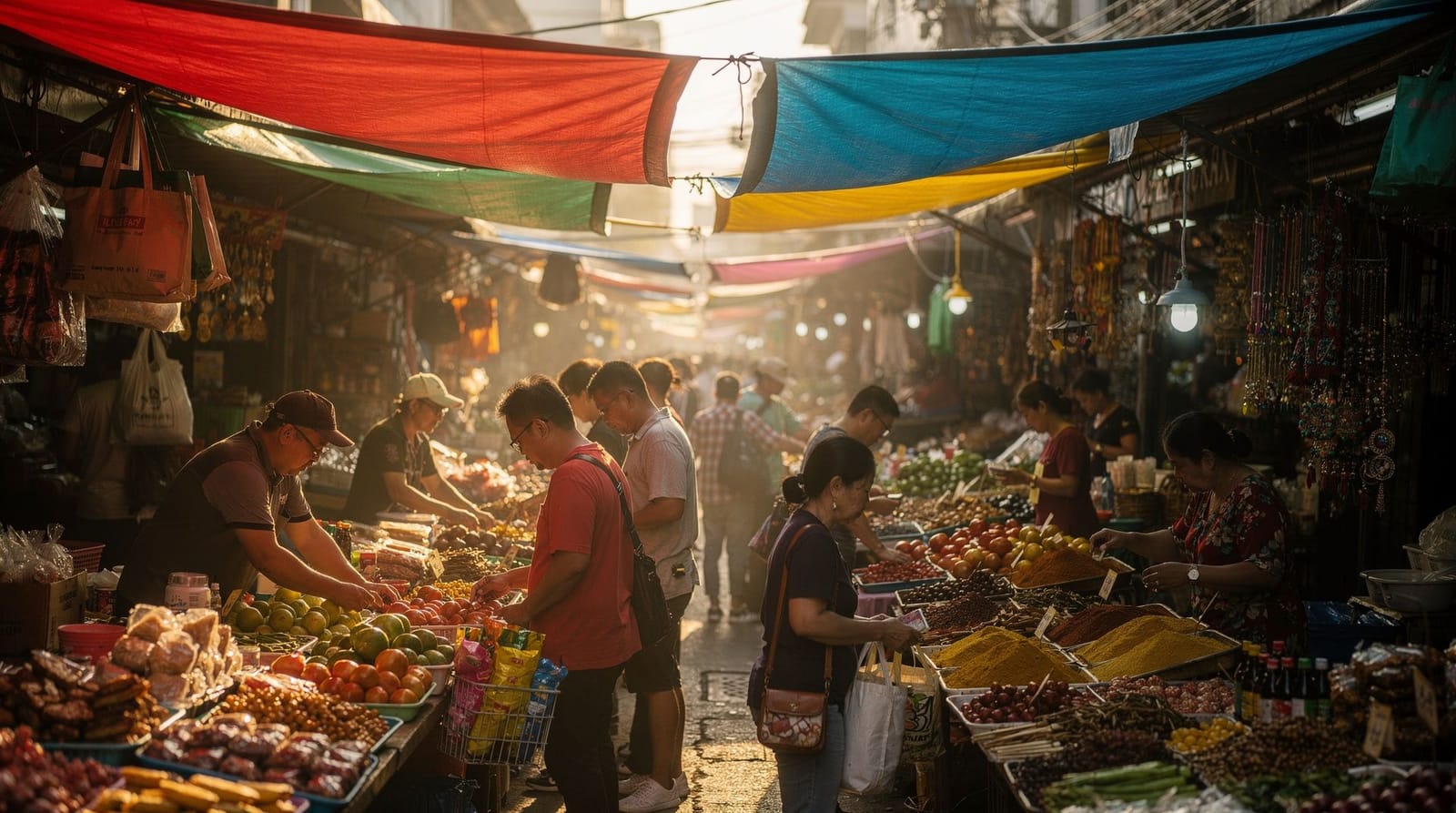
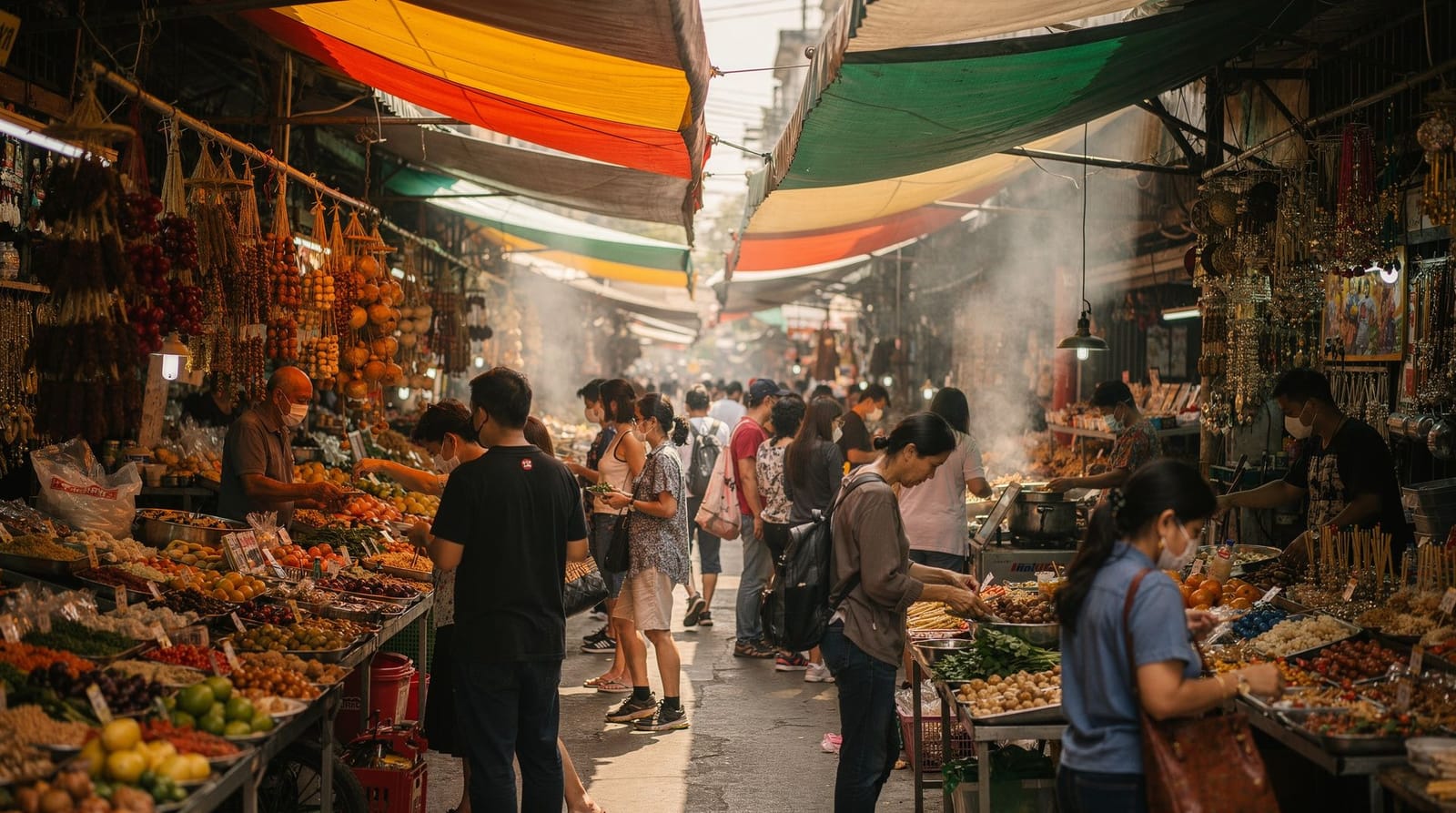
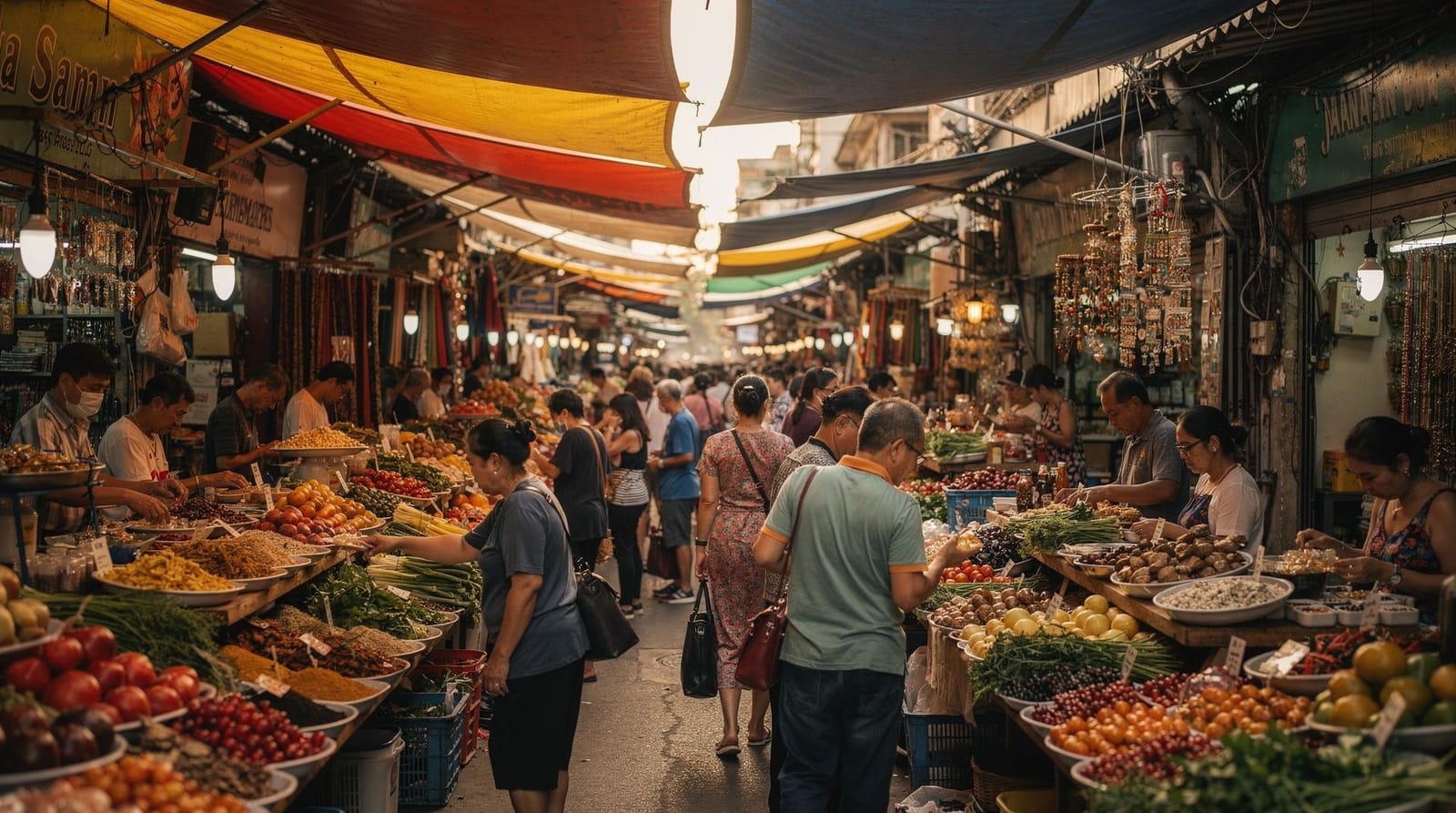
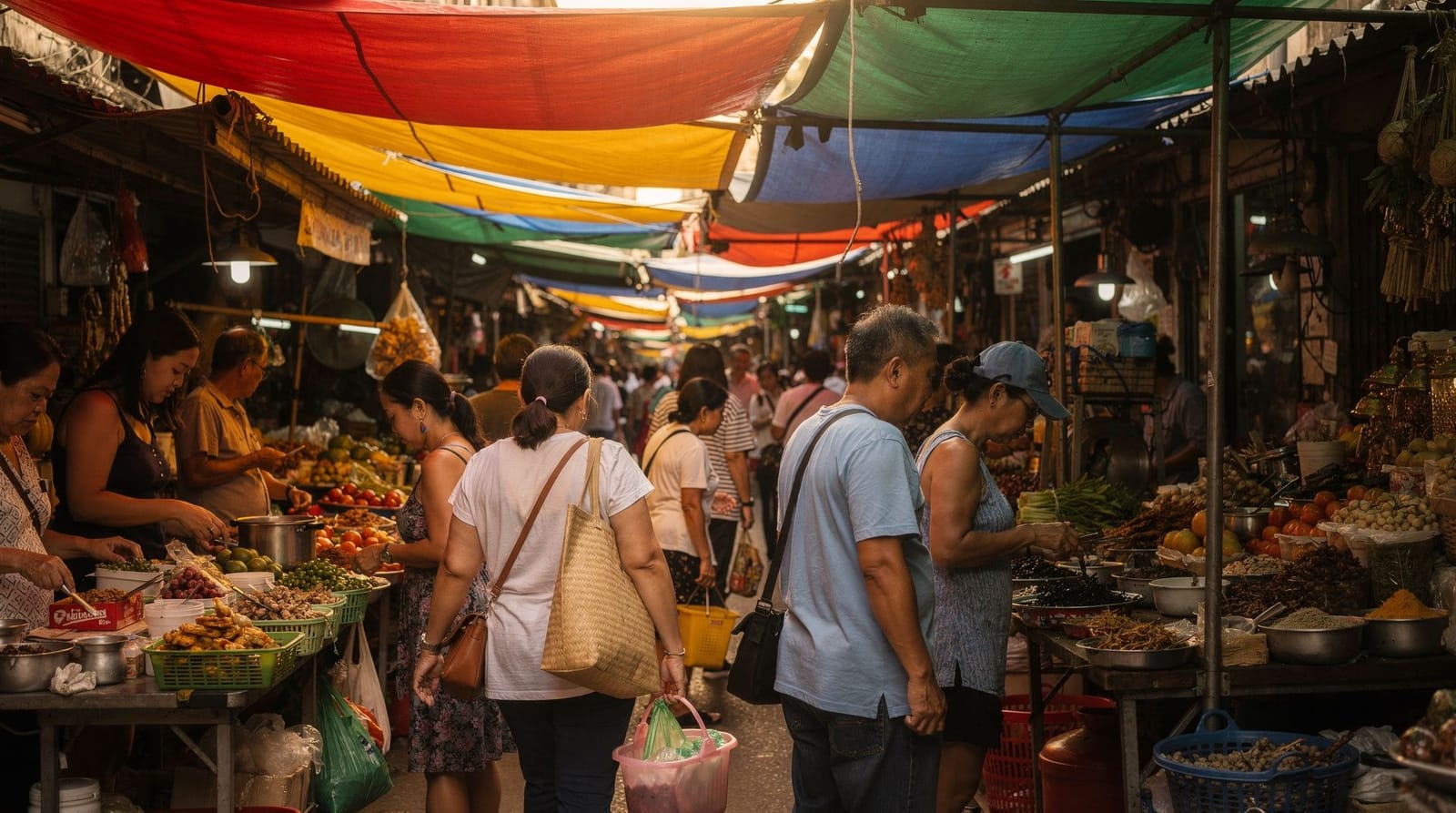
The markets are Bangkok shopping at its best, and where bargaining applies.
Chatuchak Weekend Market is the giant — roughly 15,000 stalls selling handicrafts, vintage clothing, art, homeware, plants, antiques, and almost everything else, at market prices with room to haggle. It’s a destination in itself; the Chatuchak Weekend Market guide covers navigation, and the Chatuchak shopping guide the buying strategy. A gentle guided introduction such as the local weekend markets tour helps first-timers find the best stalls.
Pratunam is the wholesale fashion zone — buy cheap clothing in bulk from the Platinum Fashion Mall and surrounding stalls, ideal for resellers and bargain hunters alike.
Street and night markets (Rod Fai, the night markets) add vintage, food, and atmosphere — see the Bangkok markets guide and best night markets guide. For something atmospheric and free, the flower market is a delight; the flower market and Little India tour pairs it with the Phahurat fabric district.
Malls: comfort, brands, and tech
When the heat is brutal, Bangkok’s air-conditioned malls are a refuge as much as a shopping destination. The range runs from the luxury of Siam Paragon and ICONSIAM to the trend-led Siam Center and EmQuartier, the playful themed floors of Terminal 21, and the budget tech-and-fashion sprawl of MBK. Prices are fixed, brands are international, and the food courts are excellent. For tech specifically, Pantip Plaza and MBK are the go-to. The best malls guide ranks them all. ICONSIAM’s riverside setting also makes it an easy pairing with an evening on the Asiatique riverfront night market, which mixes stalls with sit-down dining.
What to buy
Bangkok’s standout buys:
- Thai silk and cotton: scarves, fabric, and clothing — Jim Thompson for premium silk (see Jim Thompson Thai silk).
- Handicrafts and homeware: carved wood, ceramics, lacquerware, textiles — best at Chatuchak.
- Fashion: from a few baht at Pratunam to designer in the malls.
- Tailored suits: Bangkok’s tailors are famous, though quality varies — research before committing.
- Leather goods, jewellery, and accessories.
- Vintage and unusual finds: Chatuchak and Rod Fai.
- Snacks, spices, and beauty products as gifts.
For curated souvenir ideas, see the best souvenirs guide.
How and where to bargain
Bargaining is a core part of Bangkok shopping — but only in the right places:
- Bargain at: markets, street stalls, and independent vendors, where prices are quoted verbally and have margin built in.
- Fixed prices at: malls, department stores, branded boutiques, and most restaurants.
The rule of thumb: a price tag and a register means fixed; a verbal quote means negotiable. When bargaining, ask the price, counter at around 60–70%, and settle in between, staying friendly and smiling throughout. Buying multiple items strengthens your hand. Don’t grind hard on cheap items — the savings are small and goodwill matters.
VAT refunds for tourists
Tourists can reclaim the 7% VAT on purchases from shops displaying the “VAT Refund for Tourists” sign, subject to minimum-spend thresholds per shop per day and an overall trip minimum. Request a VAT refund form (PP10) at the shop with your passport, then claim at the airport on departure — show the goods and forms at the VAT refund counter before check-in. Keep all receipts and allow extra airport time. For budgeting, see the Bangkok travel costs guide.
What to avoid: the gem scam and others
The most important warning concerns the gem and jewellery scam: strangers or tuk-tuk drivers steering you to a shop selling “investment” gems at wildly inflated prices, sometimes after claiming an attraction is closed. Never buy gems or jade as an investment, and ignore unsolicited shopping tips and “special deals.” Be wary of tuk-tuk “tours” that stop at commission shops. For valuables, buy only from reputable, fixed-price retailers. The full warning is in the gem scam guide and common Bangkok scams.
Opening hours and planning
- Malls: roughly 10h00–22h00 daily.
- Chatuchak: Saturday and Sunday (about 09h00–18h00) plus Friday-night wholesale.
- Street and night markets: many run late afternoon to midnight.
- Pratunam wholesale: liveliest early morning and daytime.
Plan markets around their specific days and hours; rely on the malls for reliable all-week, late-evening, air-conditioned shopping.
Tailoring: what to realistically expect
Bespoke tailoring is one of Bangkok’s most tempting buys, and it can be genuinely excellent — but only with real time built in. A proper suit needs at least two fittings over two to three days minimum, not the “24-hour suit” pitched by pressure-selling shops. Expect to pay from around 4,000–8,000 THB for a decent made-to-measure suit at an honest mid-range tailor, rising well beyond that for premium cloth. Bring or research a specific tailor rather than accepting a street recommendation, insist on a second fitting before final payment, and be sceptical of anyone offering a same-day finish — quality tailoring simply takes longer than that.
Shipping and taking purchases home
Chatuchak and the malls both offer shipping for bulkier buys — furniture, large artwork, ceramics — which saves wrestling an oversized box through the airport. Vendors at the market can usually arrange a courier quote on the spot; expect it to take one to three weeks to arrive. For carry-on purchases, keep silk, spices and snacks in their original sealed packaging to clear customs smoothly at home, and check your home country’s import limits on food items and any restrictions on ivory-look or wood carvings before you buy. Budgeting for shopping is easiest alongside your overall trip costs — see the Bangkok travel costs guide for how a shopping day fits a daily budget.
Building a shopping day that works
The easiest way to waste a shopping trip is to mix venues that don’t fit together. Markets and malls reward different rhythms, so give each its own half-day. Start with the outdoor or semi-outdoor venue while your energy is fresh, then retreat to an air-conditioned mall for the hottest part of the afternoon. If you are visiting in the wetter months, the Bangkok in the rain guide and the rainy season guide explain how to shift plans, and malls make an excellent fallback. The best time to visit Bangkok page helps if you are still choosing dates.
A sensible pattern is to pair a market morning with a mall afternoon, then finish with food. Bangkok’s shopping areas sit next to some of its best eating, so the Bangkok street food guide and the best food markets guide are natural companions when hunger strikes between stalls. Keep small notes in your pocket, wear shoes you can walk in all day, and carry a light tote bag so you are not collecting plastic bags you will have to juggle.
Shopping with a purpose
Rather than wandering, decide what you want before you leave the hotel. A short list stops impulse purchases and makes bargaining easier, because you already know what a fair price feels like.
- Gifts for people at home: the best souvenirs guide covers ideas that travel well, and the markets are the best place to buy several small items at once, which also improves your bargaining position.
- Silk and homeware: compare a fixed-price specialist with market stalls before you commit, and visit the Jim Thompson House if you want to understand what quality silk looks like before you start comparing.
- Fabric and tailoring: the Phahurat area is known for cloth, and the Phahurat and Little India destination page explains the neighbourhood. Seeing fabric first often helps when you later talk to a tailor.
- Food gifts: snacks and sweets from markets and food courts are easy to pack, and the Bangkok food guide will tell you what to look for.
- Souvenirs with a story: buy from the maker where possible, and ask where an item came from before you pay.
Reading a stall before you buy
At markets, a few quick checks save money and regret. Look at stitching, zips and seams on clothing, and handle ceramics and carved wood to feel for cracks or rough finishing. Compare the same item at two or three stalls before buying, since identical goods are often sold across a market and the first quote is rarely the best one. If a seller will not let you inspect something, walk on. Politeness goes a long way: a greeting, a smile and a calm tone usually produce a better price than hard negotiation, and walking away gently is often the strongest move you have.
Be realistic about “designer” goods at street level. Anything claiming to be a luxury brand at a stall price is almost certainly not authentic, and buying copies can create problems at customs when you travel home. Keep your spending on genuine local products, where Bangkok is strongest.
Comfort, heat and pacing
Shopping in Bangkok is physical. Markets are hot and crowded, and the walking adds up quickly. Drink water regularly, take breaks in cafés, and use the BTS rather than a taxi when roads are busy; the Rabbit card guide explains how to keep fares simple. For rides that need a car, the Grab, taxi and tuk-tuk guide shows how to avoid detours, and the tuk-tuk scams guide is worth reading before you accept any “special shopping stop.” If you are travelling with children, the Bangkok with kids guide has ideas for keeping everyone happy, and shopping days go better when the mall break includes something the family enjoys.
Combining shopping with sightseeing
Many shopping areas sit close to major sights, so a combined day makes sense. The Old City’s temples and markets sit near each other, and the Bangkok neighbourhoods guide shows how districts connect. If you are planning a longer stay, the how many days in Bangkok guide and the things to do in Bangkok guide can help you slot a shopping day around the sights you most want to see. On a tight budget, the Bangkok on a budget guide shows where shopping spending fits alongside everything else.
The honest verdict
Bangkok is a shopper’s city for every budget, but its real magic lies in the markets and wholesale zones — Chatuchak for handicrafts and vintage, Pratunam for cheap fashion, the street and night markets for atmosphere and finds. The malls are superb for comfort, brands, and tech, but the savings are at the markets, where bargaining applies. Buy silk, handicrafts, and fashion; claim your VAT refund at the airport; and steer well clear of the gem scam. Match your shopping to the right venue and Bangkok delivers some of the best, best-value shopping in Asia. Continue to the best malls guide, Chatuchak shopping guide, and Bangkok markets guide to go deeper.
Frequently asked questions about Bangkok shopping guide: malls, markets and where to bargain
Is Bangkok good for shopping?
Where do you bargain in Bangkok and where are prices fixed?
What should I buy in Bangkok?
Can tourists claim a VAT refund in Bangkok?
Is shopping in Bangkok cheap?
How do I avoid shopping scams in Bangkok?
When are Bangkok malls and markets open?
Top experiences
Bookable activities with verified prices and instant confirmation on GetYourGuide.