Bang Krachao: Bangkok's green lung, an honest visitor guide
Bangkok: Classical Bicycle Tour
What is Bang Krachao and why visit it?
Bang Krachao is a teardrop-shaped peninsula in a tight loop of the Chao Phraya River, just across the water from Bangkok, that has stayed deliberately jungly and undeveloped — locals call it the city's green lung. You reach it by a short cross-river ferry, then explore a maze of raised concrete bike paths winding through palm groves and mangrove, a weekend floating market at Bang Nam Pheung, and the Sri Nakhon Khuean Khan botanical park. It is Bangkok's best half-day escape into nature, and best experienced by bicycle.
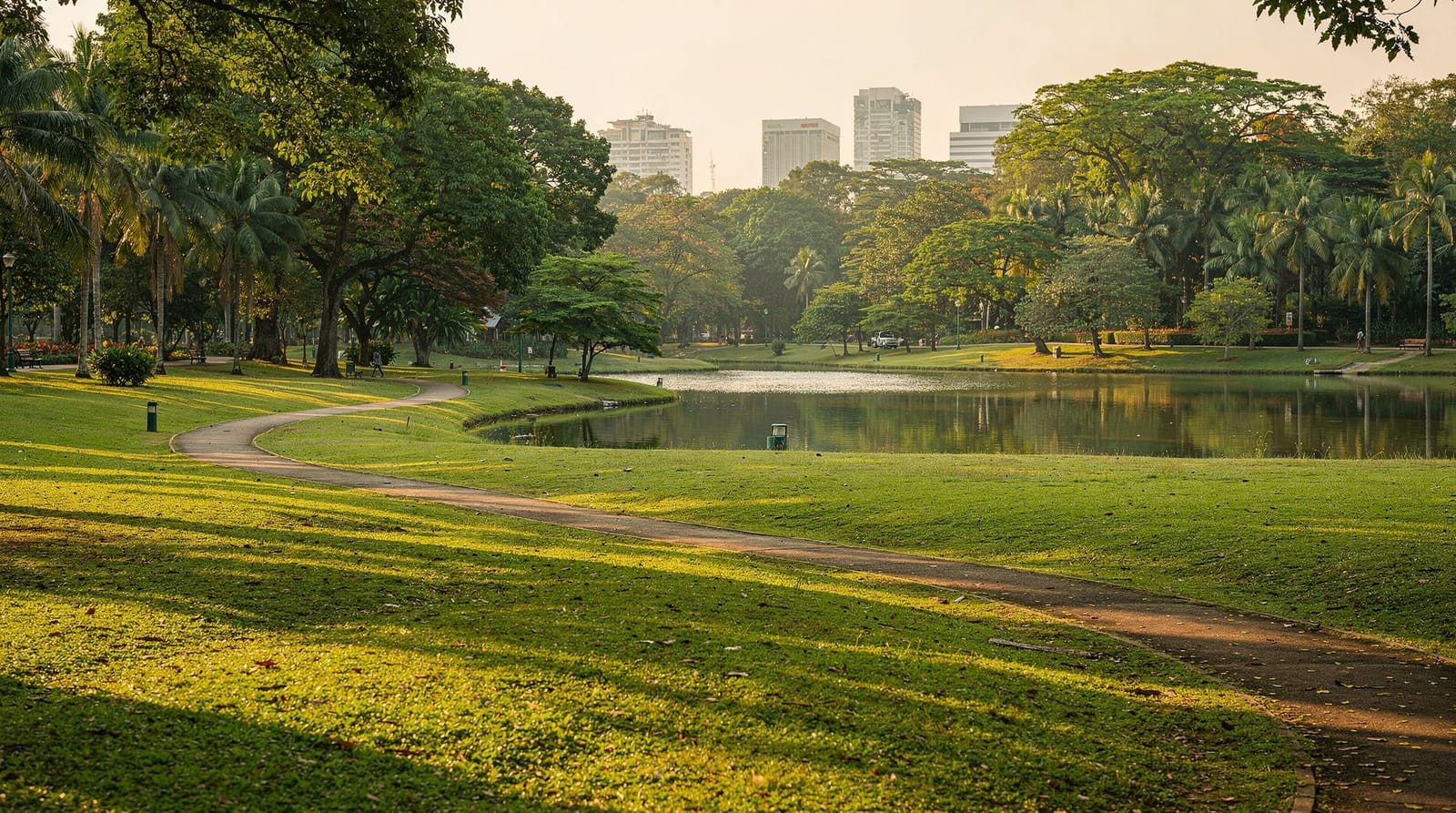
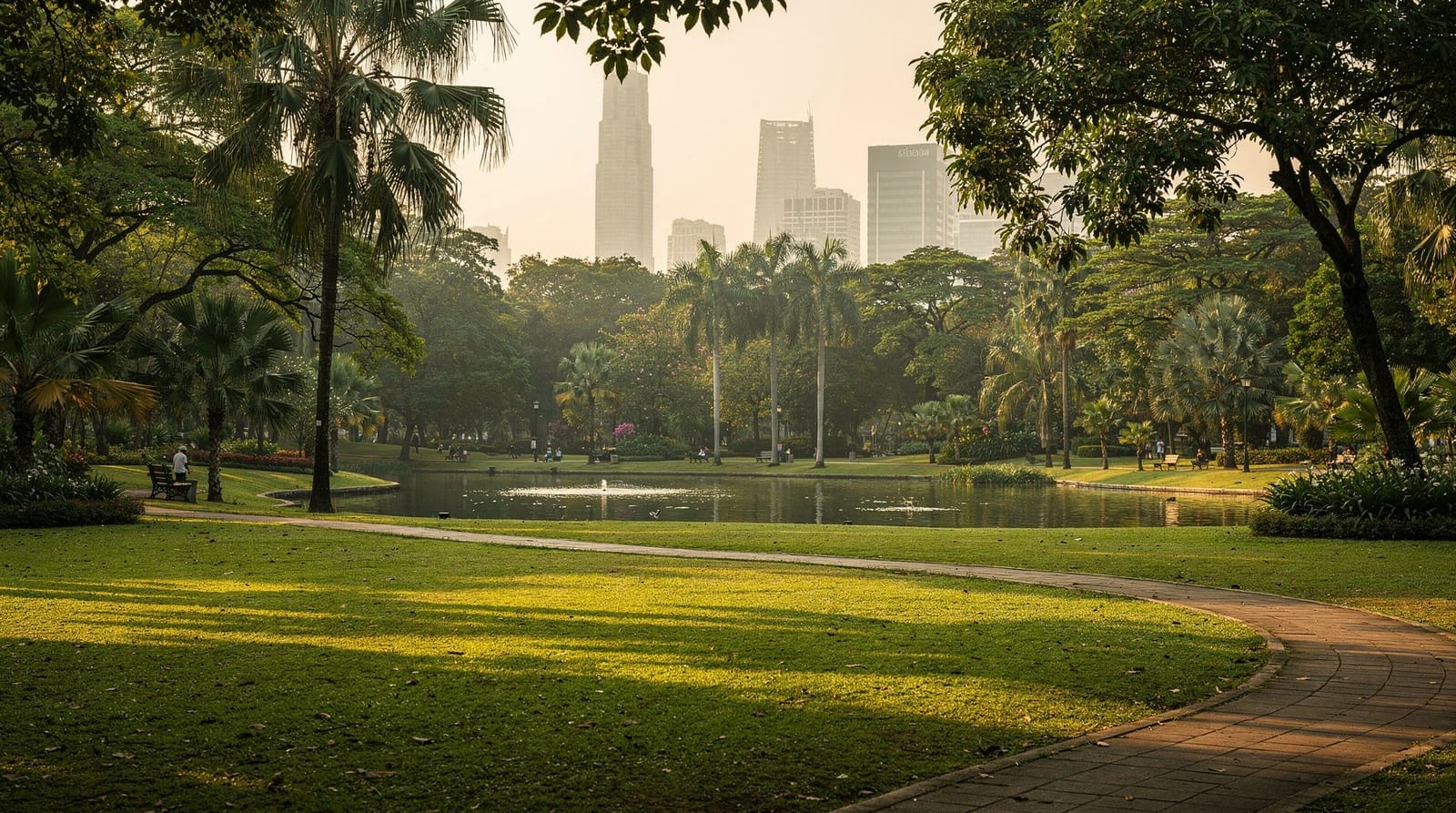
Bang Krachao is the closest thing Bangkok has to a magic trick: a teardrop of dense green jungle, mangrove and palm grove sitting in a tight loop of the Chao Phraya River, a short ferry ride from one of the most concrete-heavy megacities on earth. Locals call it the city’s green lung, and the name is earned — cross the water and the traffic, heat-radiating pavement and skyscrapers vanish, replaced by birdsong, shade and the whir of bicycle tyres on raised paths. It is Bangkok’s best half-day escape into nature, and it is best experienced exactly one way: by bicycle.
| Where | Samut Prakan, across the river from central Bangkok |
| Cost | Ferry ~10–15 THB, bike rental ~80–100 THB/day |
| Time needed | Half a day (3–5 hours) |
| Getting there | BTS to Bang Na, then taxi/Grab to the ferry pier |
| Best time | Cool-season mornings; weekends for the floating market |
What Bang Krachao actually is
Bang Krachao is a peninsula — almost an island — formed where the Chao Phraya makes a hairpin loop just south of central Bangkok, in Samut Prakan province on the river’s far bank. Though it lies a stone’s throw from the city, it has been deliberately protected from development for decades, designated as a conservation green zone. The result is a roughly 16-square-kilometre pocket of jungle, orchards, mangrove and small village communities, threaded by a famous network of narrow, raised concrete bike paths that wind through the trees on stilts above the marshy ground.
That elevated path system is the heart of the experience. Too tight and tangled for cars, it lets cyclists glide through dense greenery, past stilt houses, temples, fruit gardens and water channels, in a landscape that feels a world away from the city humming just across the river. The Bang Krachao destination page maps it, and the Bangkok neighbourhoods guide places it among the city’s escapes.
Getting there: the ferry crossing
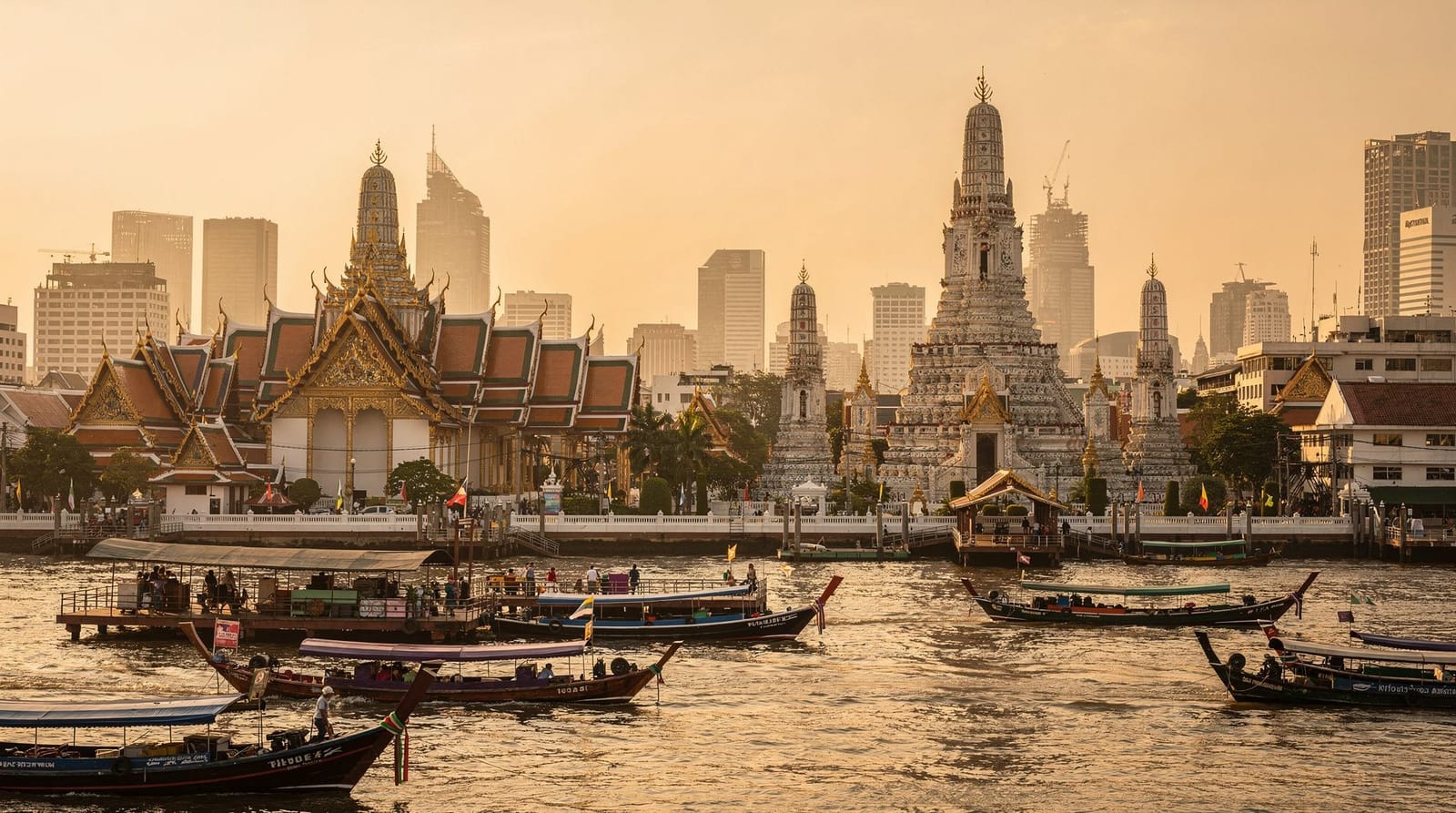
Reaching Bang Krachao is part of the adventure, because there is no bridge for the casual visitor — you cross by boat. The most common route from central Bangkok is to take the BTS Skytrain to Bang Na, then a short taxi or Grab (around 60–100 THB) to Wat Klong Toey Nok pier (sometimes called Bang Krachao pier). From there, small wooden longtail ferries shuttle across the narrow river for about 10–15 THB, taking you and your bicycle in a couple of minutes. There is also a southern entry via the Phra Pradaeng side to the Bang Nam Pheung pier.
The ferry crossing is short but does the symbolic work of the visit: you leave the city on one bank and arrive in the jungle on the other. The getting around Bangkok guide and the BTS Skytrain guide cover the rail leg, and the Chao Phraya boats guide explains how river transport works more broadly. If the logistics sound fiddly, joining a tour that handles every transfer is a popular shortcut.
Cycling the green lung
Once across, rent a bicycle near the pier — around 80–100 THB (roughly 3 USD) for the day — and set off onto the raised paths. This is the main event. The narrow elevated tracks weave through palm groves and mangrove, over little bridges, past wooden stilt houses, small wats and gardens heavy with fruit. The riding is flat and gentle, the shade is constant, and the contrast with Bangkok’s furnace-like streets is extraordinary.
A word of honesty: navigation is genuinely confusing. The paths form a near-mazelike network with few signs, and getting lost is almost guaranteed — usually harmlessly, since the peninsula is small and friendly, but frustrating if you are tight on time. Cycle carefully, because the concrete is narrow and turns slippery after rain, with the occasional drop into a canal for the careless. A downloaded offline map helps enormously; a guided bike tour removes the problem entirely and adds the local context that turns a pretty ride into a proper experience — a sensible choice for solo travellers who would rather not get lost alone. The Bangkok bike tours guide and the dedicated Bang Krachao bike tour guide cover the options.
Bangkok classical bicycle tour — guided cycling through the city’s green backroadsWhy the green lung exists
Bang Krachao’s survival as jungle is a deliberate act of policy, and the story is worth knowing because it explains the place. By the late 20th century, with Bangkok’s concrete spreading relentlessly, planners recognised the value of this loop of riverside land as a natural air filter and flood buffer for the metropolis — a “green lung” that helps clean the city’s notoriously heavy air and absorb monsoon water. Royal initiative and conservation designation protected the peninsula from the development that would otherwise have swallowed it, freezing it as orchard, mangrove and village while skyscrapers rose across the river.
That is why Bang Krachao feels frozen a generation back from the city beside it: not by neglect, but by design. The communities that live here still farm fruit, keep gardens and run small businesses among the trees, and visitors are guests in a working, protected landscape rather than tourists in a theme park. Understanding that shapes how you move through it — slowly, quietly, respectfully. For Bangkok’s other deliberate green spaces, the Bangkok parks guide and the Lumphini Park nature guide are good companions, and the free things to do guide gathers more low-cost escapes.
The Bang Nam Pheung floating market
Near the southern end of the peninsula, the Bang Nam Pheung floating market is Bang Krachao’s main organised attraction, operating only on weekends (Saturday and Sunday), roughly 08h00 to 14h00. It is a small, local, mostly land-based market among the trees, with some stalls along a waterway, selling Thai food, snacks, fresh juices, sweets and handicrafts to a largely Thai crowd.
Set your expectations honestly: this is nothing like the photogenic, heavily touristed floating markets of Damnoen Saduak or Amphawa. It is modest, low-key and genuinely local — which is exactly its charm. It makes a perfect food-and-rest stop on a weekend cycling loop, but it is not a reason in itself to come if you are visiting on a weekday. For the famous floating-market experience, the floating markets of Bangkok guide and the Damnoen Saduak guide cover those, with honest warnings about the crowds.
Sri Nakhon Khuean Khan botanical park
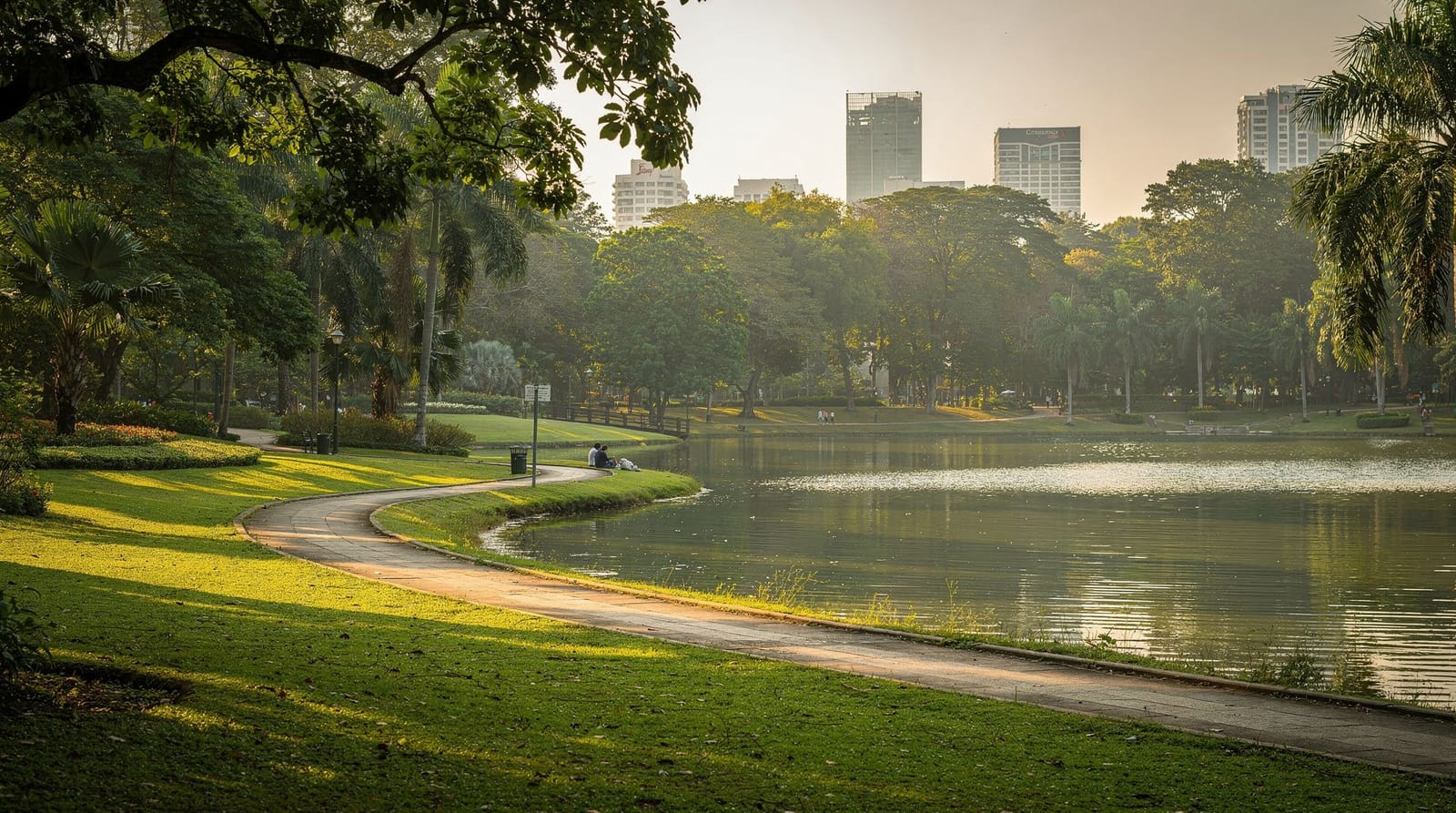
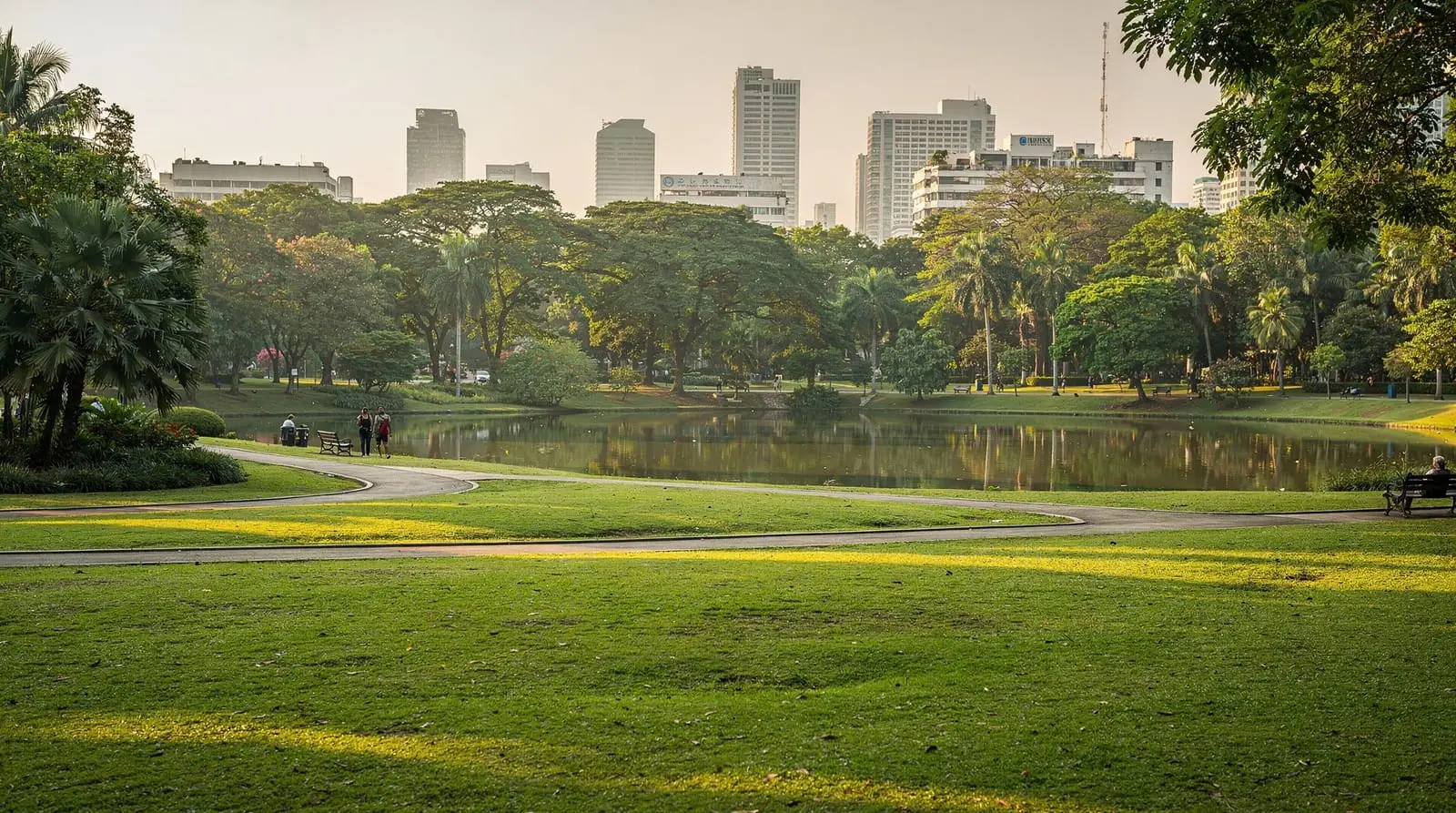
Roughly in the centre of the peninsula, the Sri Nakhon Khuean Khan park is a free public botanical garden and the natural rest point on any cycling loop. Landscaped gardens surround a lake, shaded paths wind through the greenery, birdlife is abundant, and a tall observation tower gives a view back across the jungle toward the distant Bangkok skyline — a striking image of the green lung against the towers it relieves.
It is a peaceful place to pause, picnic, escape the sun and let the bike rest. Together with the cycling and the ferry, the park rounds out a half-day that is as much about breathing and slowing down as about seeing specific things. For the city’s other green spaces, the Lumphini Park guide is a good companion, and the hidden gems guide gathers more of Bangkok’s quiet corners.
Best time of year to go
Bang Krachao is a year-round destination, but the season changes the experience noticeably.
| Season | What to expect |
|---|---|
| Cool season (Nov–Feb) | Most comfortable cycling, clearest air, busiest weekends |
| Hot season (Mar–May) | Shade from the trees helps, but midday heat is still tough — go early |
| Rainy season (Jun–Oct) | Greenest and lushest, fewer visitors, but paths get slippery and afternoon storms are common |
Mornings work best in any season, both for the light and for beating both the heat and the crowds. If the floating market matters to your visit, remember it only runs on weekends regardless of season — see the Bangkok weather by month guide for planning around the rains in more detail, and the best time to visit Bangkok guide for how this fits the wider year.
Beyond the bike: temples, markets and slow corners
Cycling is the headline, but Bang Krachao rewards a few stops along the way. Small village wats dot the peninsula, modest working temples a world apart from the gilded grandeur of the Old City, where you can pause in the shade and watch local life. Family-run gardens sell fruit in season — the peninsula is known for its mango and other orchards — and tiny shops and stalls along the paths offer cold drinks and snacks to passing cyclists.
There is also a small herb-and-incense scene and various low-key community enterprises, the kind of cottage industry that survives in a protected rural pocket. None of this is a formal attraction; it is the texture of a living village that happens to sit minutes from a megacity. Slow down for it, and Bang Krachao becomes more than a bike ride — it becomes a glimpse of how riverside Bangkok lived before the towers. For travellers who want this quieter, more local Thailand without leaving the city, it pairs naturally with the experiences in the Bangkok unique experiences guide and the things to do in Bangkok guide.
A second guided-cycling option, a small-group ride through the city’s varied backroads and green corners, is a good fit for travellers who want company and local knowledge on the trip.
Colors of Bangkok small-group bike tour — green backroads and local life by bicycleA practical half-day plan
The ideal Bang Krachao visit runs as a relaxed half-day in the cooler morning. Aim to cross by ferry by around 08h30 to 09h00, rent a bike, and spend two to three hours cycling the paths, stopping at the Sri Nakhon Khuean Khan park and — if it is a weekend — the Bang Nam Pheung market for lunch. Plenty of small riverside cafes and coffee spots have opened among the trees for a cold drink in the shade. Aim to recross the river by early afternoon, ahead of both the heat and the typical rainy-season storm, and you are back in central Bangkok by mid-afternoon.
Bring water, sun protection and mosquito repellent (the mangrove has its insects), wear something you do not mind sweating in, and treat the village communities and temples you pass with the same respect you would anywhere in Thailand. To slot the trip into a wider plan, the day trips from Bangkok guide and the Bangkok in 5 days itinerary help with pacing — Bang Krachao works beautifully as a slower morning between busier sightseeing days.
Honest verdict: who it is for
Bang Krachao is one of Bangkok’s most rewarding experiences for travellers who want the opposite of the city — green, quiet, slow, cool and active. Cyclists, nature-lovers, families with older children (see the Bangkok with kids guide for age-appropriate pacing), and anyone craving a break from temples, traffic and heat will find it a small revelation, and the contrast of jungle against skyline stays with people.
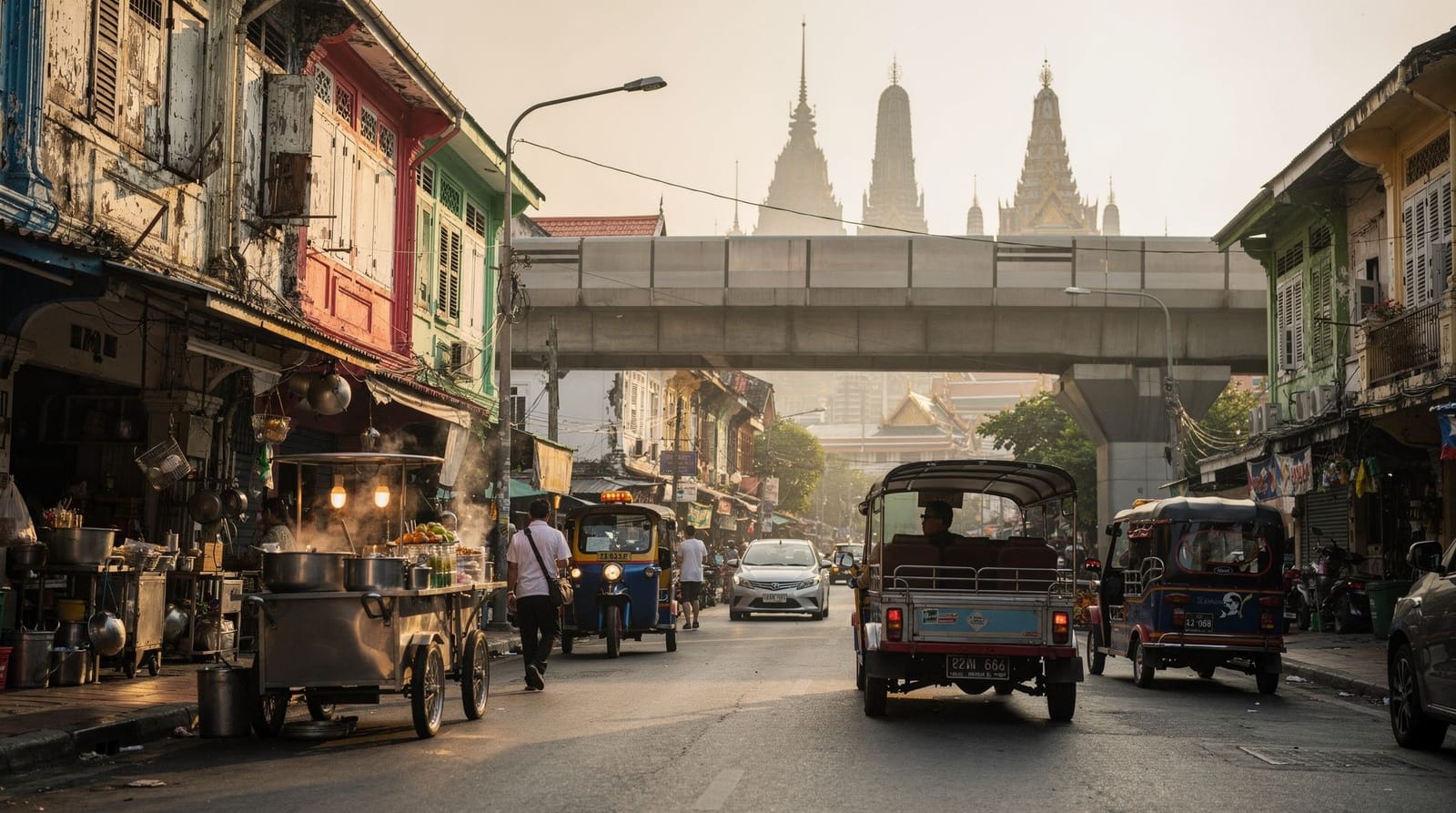
It is a poor fit for first-timers cramming the Grand Palace, Wat Pho and Wat Arun into a short stay — there are no monuments here, just atmosphere and air, and the logistics eat into limited time. If that is your trip, prioritise the Old City Rattanakosin guide and the best temples guide first, and save the green lung for a return visit or a longer stay. But for anyone with the time, an honest morning’s verdict is simple: cross the river, rent a bike, and breathe. It is one of the better entries in the free things to do in Bangkok guide once you have paid the token ferry and bike-hire cost, and pairs naturally with a slower Bangkok on a budget day.
Frequently asked questions about Bang Krachao: Bangkok's green lung, an honest visitor
How do I get to Bang Krachao from Bangkok?
Do I need a bicycle to visit Bang Krachao?
When is the Bang Nam Pheung floating market open?
Is Bang Krachao worth visiting?
How long do you need at Bang Krachao?
What is the Sri Nakhon Khuean Khan park?
Is Bang Krachao safe and easy to navigate?
Can I visit Bang Krachao in the rainy season?
Top experiences
Bookable activities with verified prices and instant confirmation on GetYourGuide.