Ari: Bangkok's leafy cafe enclave, an honest neighbourhood guide
Beyond the Trail: Bangkok's Hidden Gems Half-Day Tour
What is Ari known for in Bangkok?
Ari is a leafy, low-rise residential neighbourhood north of central Bangkok that has become the city's favourite enclave for speciality coffee, indie restaurants and a calm, local feel. It has almost no traditional sights — that is rather the point. Loved by digital nomads, creatives and repeat visitors, it is a place for slow mornings, cafe-hopping and good food away from the tourist crush. It sits directly on the BTS Sukhumvit line at Ari station, four stops north of Siam.
Ari is the Bangkok neighbourhood that most rewards travellers who have stopped trying to tick off sights. A leafy, low-rise residential pocket north of the city centre, it has quietly become the capital’s favourite enclave for speciality coffee, indie restaurants and a calm, genuinely local atmosphere — all without losing the old-Bangkok shophouse character underneath. There are no temples, palaces or must-see landmarks here, and that is precisely the appeal. This is a place for slow mornings, long brunches and good food away from the tourist crush.
| Where | Phaya Thai district, BTS Ari (N5) |
| Cost | Coffee 90–160 THB, local meals 40–90 THB, brunch 150–350 THB |
| Time needed | Half a day — morning or early afternoon |
| Getting there | Direct on the BTS Sukhumvit line, 4 stops north of Siam |
| Best time | Weekday or weekend morning into early afternoon |
Where Ari is, and why it is so easy to reach
Ari sits in the Phaya Thai district, north of the Victory Monument, directly on the BTS Sukhumvit line at Ari station (N5), four stops north of Siam. The neighbourhood’s character lives in the lanes that run west off Phahonyothin Road from the station — Soi Ari 1 to 4 and Soi Ari Samphan — a grid of quiet, tree-shaded residential streets lined with old houses, small offices, cafes and restaurants.
What makes Ari unusually accessible for an off-the-trail neighbourhood is that the Skytrain drops you right in its heart. There is no taxi gamble through Bangkok traffic, no long walk in the heat — you step off the BTS and you are there. The BTS Skytrain guide and the getting around Bangkok guide cover the network if you are finding your feet, and the Ari destination page maps the area on the ground.
The character: leafy, low-rise and lived-in
Ari’s defining quality is that it still feels like a neighbourhood rather than a destination. Where Thonglor is glossy and Sukhumvit is a working hotel-and-mall spine, Ari has held on to its low-rise residential calm: two-storey shophouses, garden walls draped in greenery, dogs asleep in doorways, and a pace that drops the moment you turn off the main road. Old wooden houses sit beside design-led cafes; a 40-year-old noodle shop shares a soi with a third-wave coffee roaster.
That blend of old and new — the longstanding Thai residential fabric layered with a wave of creative, design-conscious openings — is exactly what has made Ari a darling of Bangkok’s cafe culture without tipping it into theme-park territory. It draws a crowd of young Thais, creatives, digital nomads and repeat visitors who want the city’s softer, slower side. The Bangkok neighbourhoods guide places it among the city’s districts, and for travellers chasing this kind of low-key, local Bangkok, the hidden gems guide points to more of it.
Coffee culture: Ari’s main event
If Ari has a headline attraction, it is coffee. The neighbourhood is one of Bangkok’s densest concentrations of speciality cafes — small, independent, design-led rooms with serious espresso, single-origin filter, locally roasted Thai beans (including beans from the northern highlands around Chiang Rai and Chiang Mai), and the kind of slow, laptop-friendly atmosphere that has made it a digital-nomad favourite.
A flat white or pour-over runs 90–160 THB (3–5 USD), comparable to a good cafe anywhere and a small premium over standard Bangkok coffee. The pleasure here is the wandering: there is no single famous cafe to queue for, just a steady run of good ones tucked along the sois, many doubling as brunch spots or all-day kitchens. Cafe-hopping — a coffee here, a pastry there, a longer sit somewhere with wifi — is the natural way to spend a morning in Ari. For how this compares with the wider city’s coffee and dining scene, the Sukhumvit guide and the best Thai restaurants guide give context on Bangkok’s modern food map.
Eating in Ari: cheap-local meets new-wave
Ari’s food is a genuine highlight, and it works on two levels.
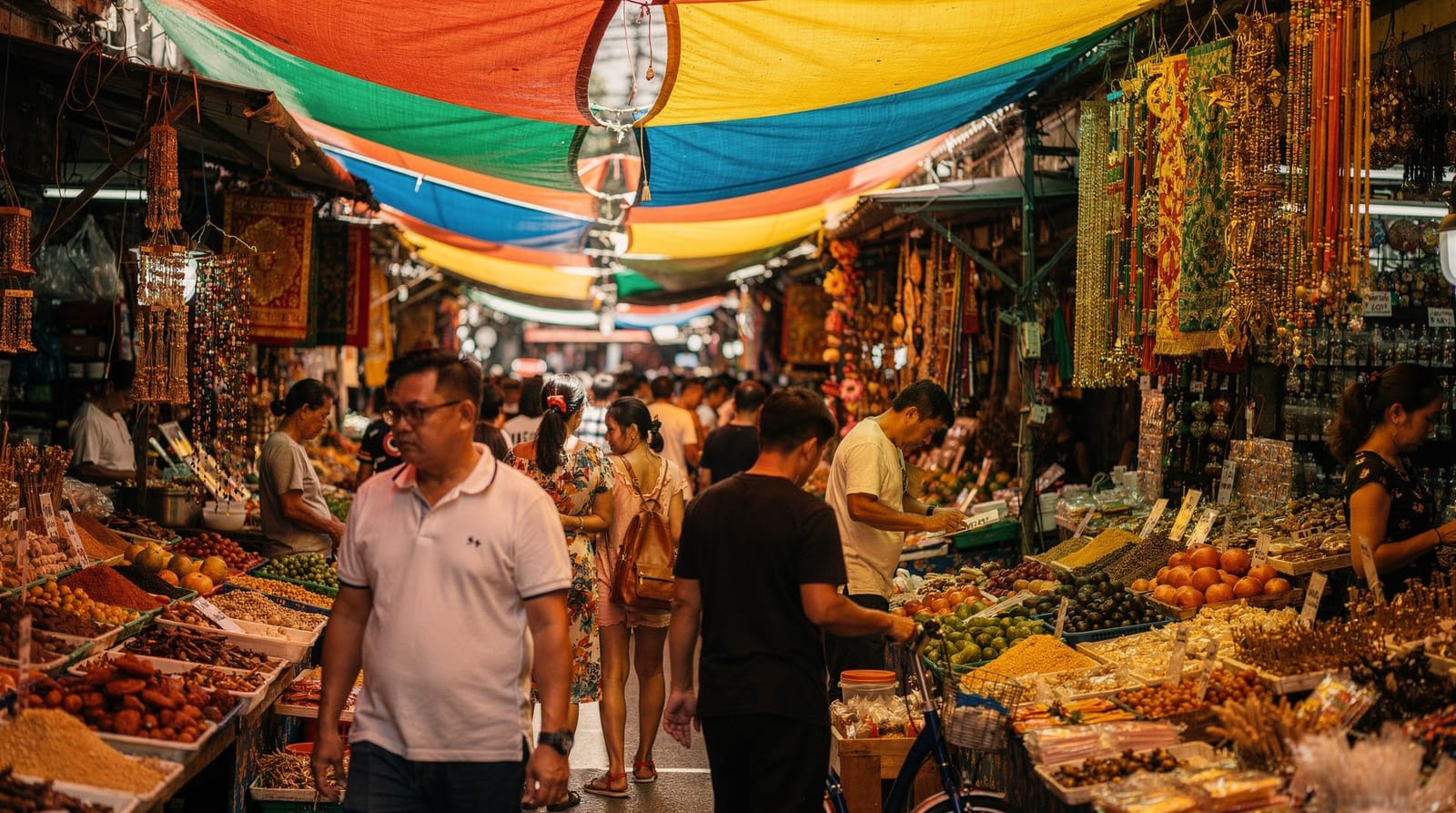
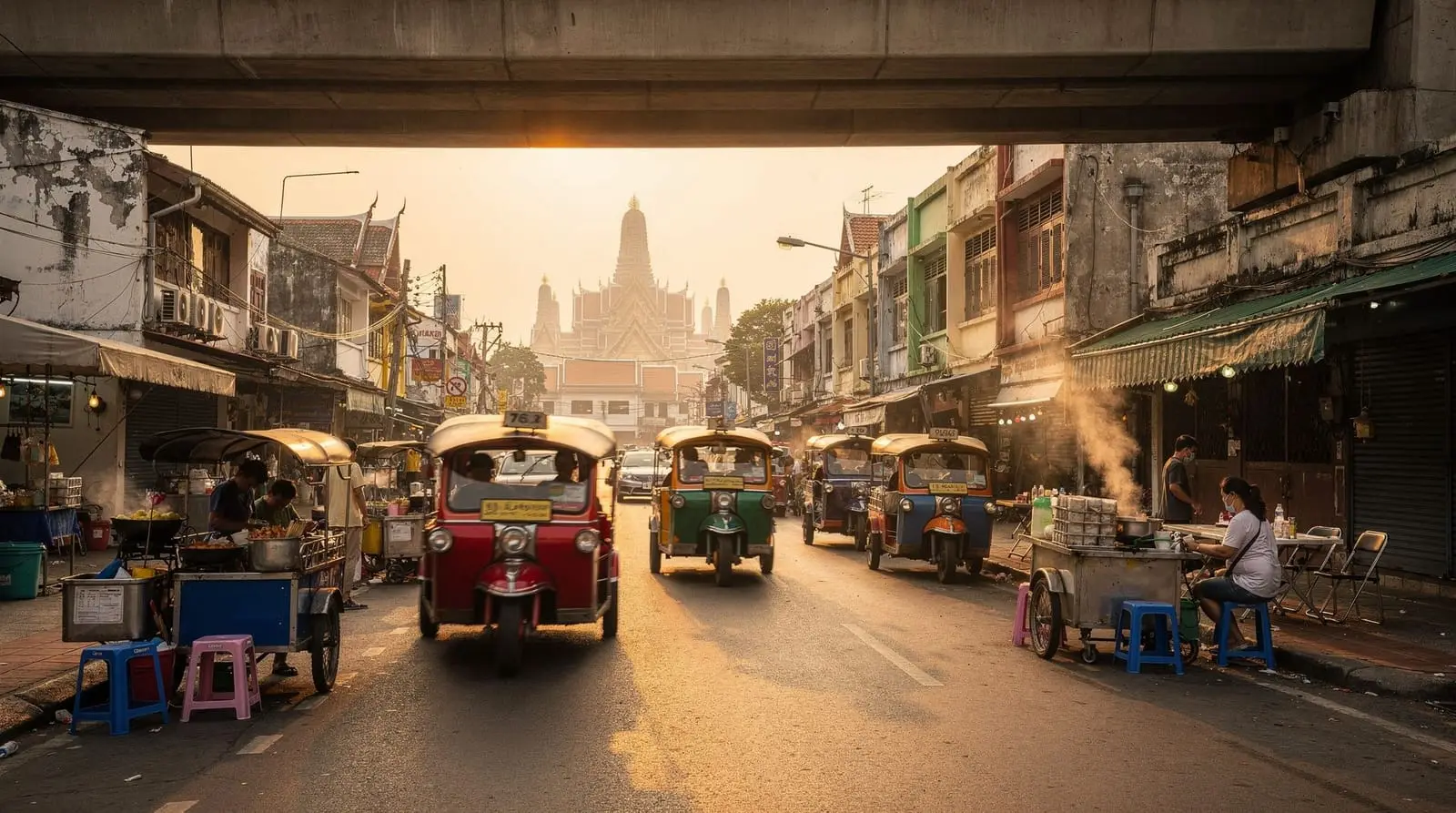
On the local side, the lanes hold long-running shophouse restaurants, a small wet market, and street stalls turning out boat noodles, grilled pork, khao man gai (chicken rice), and southern-Thai curries for 40–90 THB a dish. These are the kitchens that have fed Ari’s residents for decades, and they remain cheap and excellent — the kind of unpretentious local eating that gets buried under tourism in busier districts. If you want to chase specific dishes around the city, the what to eat in Bangkok guide, the boat noodles guide and the khao man gai guide are good companions, and Victory Monument’s boat-noodle alley is only a couple of BTS stops south.
On the new-wave side, a generation of indie restaurants and cafe-kitchens serve brunch, modern Thai, fusion and dessert at 150–350 THB. These are the spots that draw the weekend crowd and fill the neighbourhood’s Instagram feeds. The mix — a 40-baht bowl of noodles in one shophouse and a 280-baht brunch plate next door — is exactly Ari’s charm, and it lets you eat as cheaply or as stylishly as you like.
A useful local anchor is La Villa, a small open-air mall directly beside Ari BTS station with a supermarket, cafes and restaurants, handy as a meeting point and an air-conditioned escape from the heat. From there the food trail leads west into the sois, where the density of good kitchens only increases. Unlike Bangkok’s tourist food zones, almost nothing here is aimed at visitors — the customers are Ari residents, office workers from the nearby government and broadcast offices, and weekend Thais down from across the city, which keeps standards honest and prices fair.
Ari after dark: a low-key evening scene
Ari is principally a daytime and early-evening neighbourhood, but it has quietly grown a relaxed nightlife of its own that is worth knowing about. As the cafes wind down, a scattering of wine bars, craft-beer spots, cocktail rooms and casual izakaya-style eateries open along the sois, drawing a local after-work crowd rather than a party set. It is intimate and unflashy — closer to a neighbourhood night out than the spectacle of Thonglor or the rooftop circuit downtown.
This makes Ari a pleasant counterpoint to Bangkok’s louder going-out districts. If you want the contrast, the Thonglor-Ekkamai guide covers the city’s glossier nightlife, while the Bangkok nightlife guide maps the full range. Ari’s appeal is precisely that it does not try to compete: dinner and a couple of unhurried drinks among locals, then home, is the natural rhythm.
A little history under the surface
Part of what gives Ari its character is that it is genuinely old by the standards of the modern east. The neighbourhood took shape in the mid-20th century as a desirable residential district, and many of the houses you pass on the sois date from that era — solid mid-century Thai homes with gardens, set back from the lane. Government ministries, the Thai Public Broadcasting Service and other institutions nearby brought a stable, professional resident population that anchored the area long before the cafes arrived.
That layer of settled, lived-in history is why the cafe wave landed so gently here. Rather than bulldozing the old fabric, the new openings have largely slotted into existing shophouses and houses, preserving the leafy, low-rise feel. The result is a neighbourhood where the past and the trend coexist comfortably — an old garden home on one corner, a third-wave roaster in a converted shopfront on the next. For travellers drawn to this textured, unforced side of Bangkok, the hidden gems guide and the Bangkok culture guide point to more of it.
What to actually do in Ari
Ari is short on conventional sights, so the honest answer to “what is there to do” is: eat, drink coffee, and walk. Spend a morning cafe-hopping. Wander the residential sois to see the old houses and gardens. Browse the small wet market for a sensory hit of local life. Sit somewhere with good coffee and watch the neighbourhood go by.
A short walk or BTS hop also brings a few low-key add-ons: the Phaya Thai Palace (Phra Ramphan Phimuk) near Victory Monument is a little-visited royal residence, and the Saphan Khwai area just south has more old-Bangkok street life. But none of this is structured sightseeing, and trying to force Ari into a sightseeing itinerary misses the point. It is a half-day of pleasant drift, best enjoyed without an agenda. To weave it into a fuller trip, the Bangkok at night guide and the Bangkok for couples itinerary help with pacing — though Ari is more a daytime and early-evening place than a late-night one.
A sample half-day in Ari
There is no obligatory route, but a workable rhythm for a first visit runs like this: start with breakfast or a long coffee at one of the cafes near Soi Ari 4, wander the residential sois to see the old houses and gardens while the morning is still cool, browse the small wet market for a sensory hit of local life (see the Bangkok markets guide for how it compares with the city’s bigger markets), then have lunch at one of the shophouse restaurants — a bowl of noodles or khao man gai for well under 100 THB. Round it off with a second coffee or dessert somewhere design-led before the afternoon heat sets in. Budgeting for the day is easy: even a coffee-and-two-meals visit rarely runs past a few hundred baht per person, well inside the ranges in the Bangkok travel costs guide. If you are staying a while and need connectivity for laptop work in the cafes, sort a local SIM or eSIM before you arrive — see the Bangkok SIM and eSIM guide.
For a cheaper version of the same morning, several of Ari’s local shophouse kitchens make the best cheap eats in Bangkok guide worth cross-checking, and travellers counting every baht can do a full Ari morning — market, wander, lunch — for the price of one Sukhumvit brunch.
A natural pairing: Ari and Chatuchak
The most efficient way to slot Ari into a Bangkok trip is to pair it with Chatuchak Weekend Market, a few stops away on the BTS (Mo Chit) and MRT (Chatuchak Park / Kamphaeng Phet). Hit the vast market in the cooler morning hours, then retreat to Ari for a long, calm lunch and coffee as the heat builds — a perfect contrast between Bangkok’s overwhelming and its restful sides.
The Chatuchak Weekend Market guide and the Chatuchak shopping guide cover the market in detail. For travellers wanting a guided way into Bangkok’s quieter, more local corners beyond the headline sights, a hidden-gems tour is a good fit.
Beyond the trail: Bangkok hidden gems half-day tour — local neighbourhoods and lifeStaying in Ari: who it suits
For the right traveller, Ari is one of Bangkok’s best places to base yourself. Digital nomads, long-stayers and repeat visitors get a residential, leafy, food-rich neighbourhood with a direct BTS line, good wifi-friendly cafes and prices below Thonglor — a genuine community rather than a tourist strip. Condos and serviced apartments around the station make longer stays easy.
It is a weaker fit for first-timers on a short, temple-focused trip. Ari is a little far north of the headline sights, short on big hotels and tourist infrastructure, and the daily travel to the Old City eats into limited time. For those visitors, the where to stay in Bangkok guide steers towards Sukhumvit, Silom or the riverside, with Ari saved for a slower return trip. The how many days in Bangkok guide helps you judge whether you have the days to give it.
Honest verdict
Ari is not for everyone, and it does not pretend to be. It has no sights to photograph for the highlight reel, no temples, no spectacle. What it has is atmosphere — a calm, green, lived-in neighbourhood with some of Bangkok’s best coffee and a deeply pleasant mix of cheap local food and stylish new openings. If you measure a trip by landmarks ticked, skip it. If you measure it by hours well spent, a morning drifting through Ari is among the most quietly enjoyable things you can do in the city. It also earns a spot on the free things to do in Bangkok guide as a no-cost wander, coffee purchases aside.
Frequently asked questions about Ari: Bangkok's leafy cafe enclave, an honest neighbourhood
Where is Ari in Bangkok and how do I get there?
Is Ari worth visiting for a tourist?
Why is Ari popular with digital nomads and expats?
What is there to eat in Ari?
How much time should I spend in Ari?
Is Ari a good area to stay in Bangkok?
Is Ari expensive?
Top experiences
Bookable activities with verified prices and instant confirmation on GetYourGuide.