Songkran in Bangkok
Bangkok: Chao Phraya Princess Dinner Cruise Ticket
When and where is Songkran in Bangkok?
Songkran, the Thai New Year, runs 13 to 15 April 2026, the hottest week of the year. Bangkok's biggest water fights happen on Khao San Road in Banglamphu and along Silom Road in Sathorn, both closed to traffic for the festival. Expect huge, soaking-wet crowds, so book accommodation early and protect your phone and valuables.
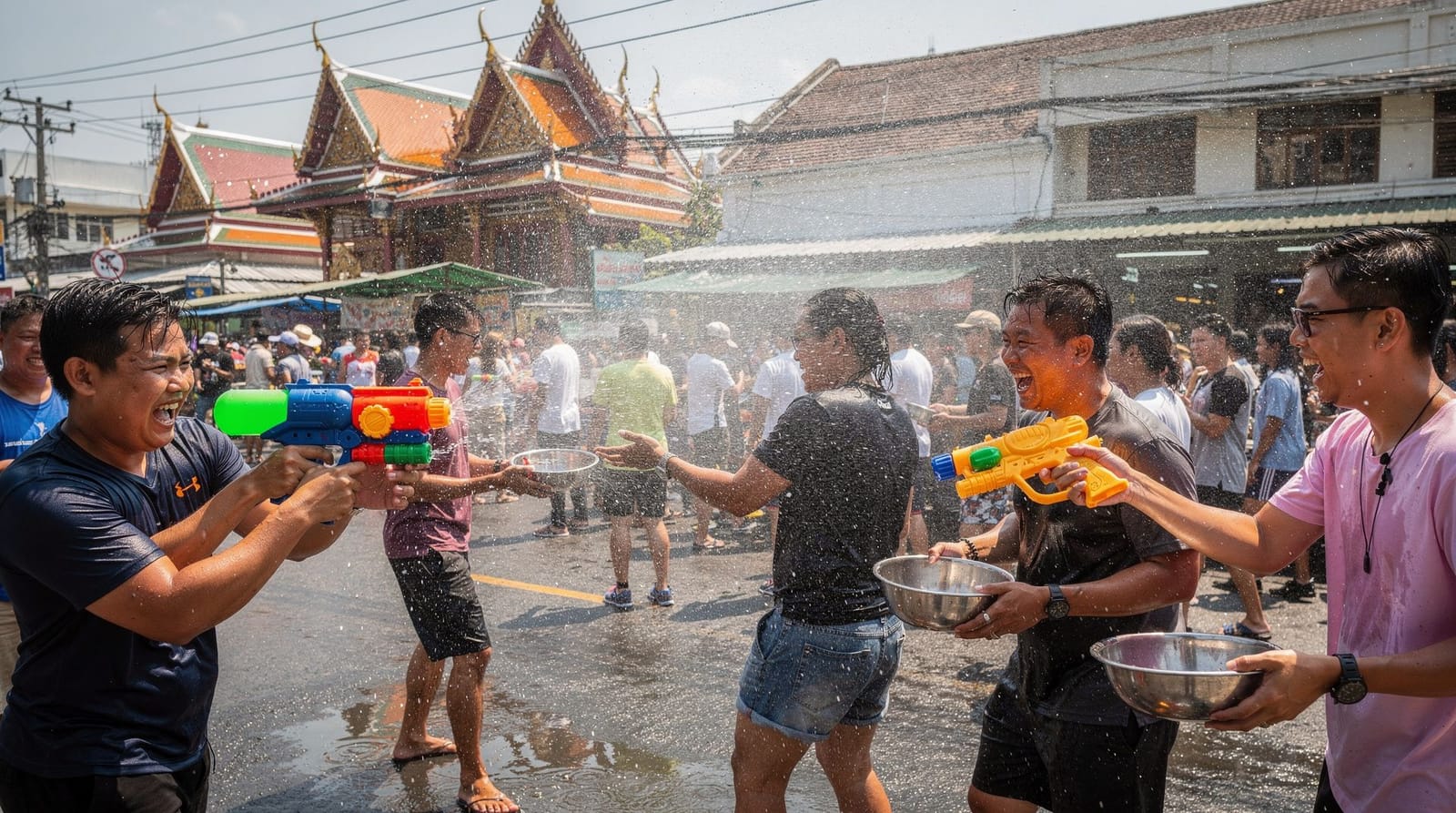
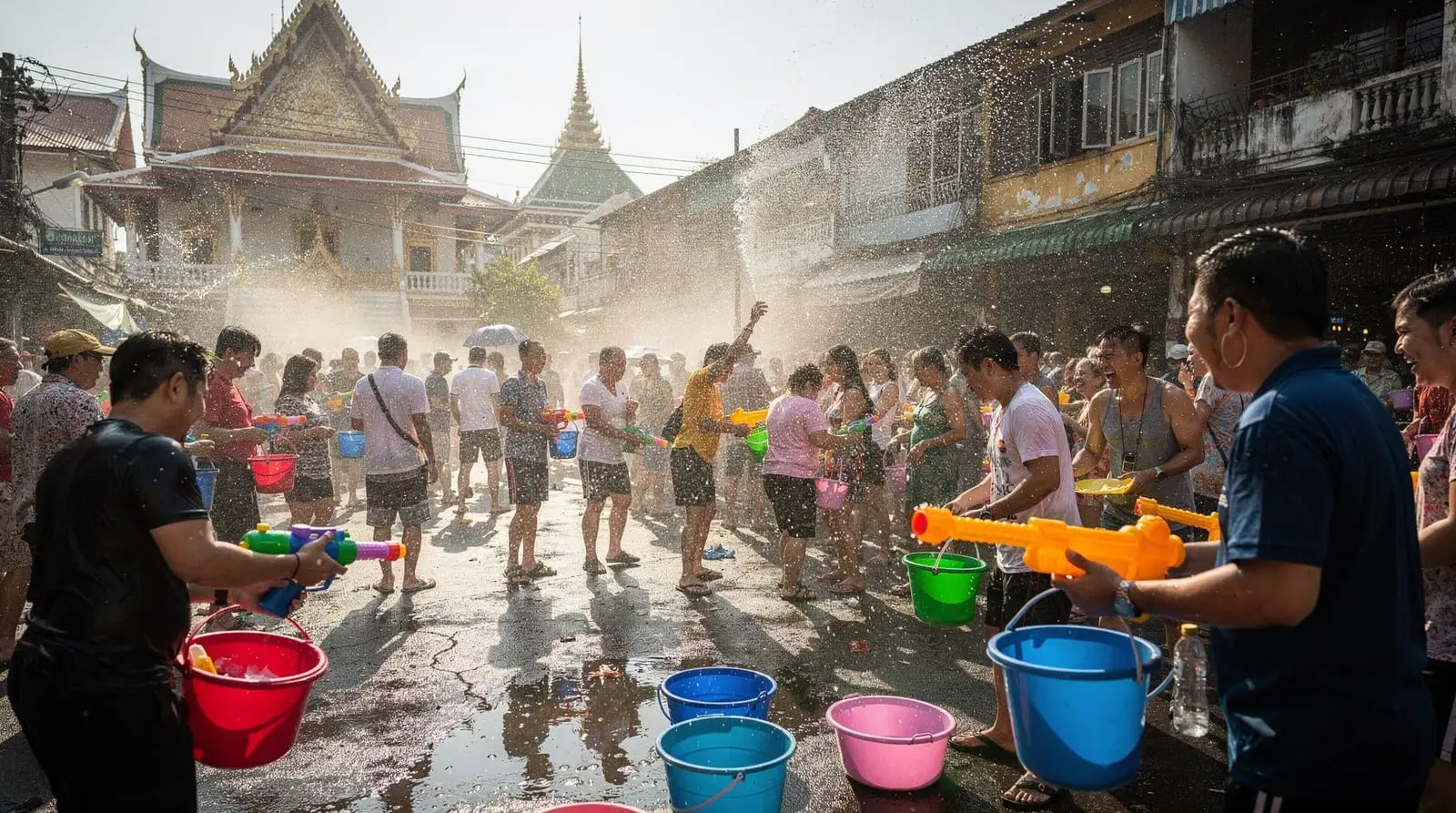
Songkran is the Thai New Year and Thailand’s most famous festival, a three-day water fight that takes over Bangkok during the hottest week of the year. In 2026 it runs from 13 to 15 April, with the wettest action concentrated on Khao San Road in Banglamphu and along Silom Road in Sathorn. It is exhilarating, soaking and completely unavoidable if you are in the city then, so this guide covers the real dates, the best and the calmest places to experience it, what to bring, how to stay safe, and the traditional meaning behind the water, so you can dive in or dodge it on your own terms.
| Where | Khao San Road (Banglamphu) and Silom Road (Sathorn) |
| Cost | Free to join; a cheap water gun and waterproof pouch cost under 300 THB |
| Time needed | An hour to a full day, however much soaking you want |
| Getting there | BTS/MRT to the edge, then walk in |
| Best time | Early-to-mid afternoon for peak water fights; mornings for temples |
What Songkran actually is
At its heart, Songkran marks the traditional Thai New Year and is rooted in ideas of cleansing and renewal. Water symbolises washing away the misfortune of the old year and starting the new one fresh. In its traditional form, people visit temples in the morning, pour scented water over Buddha images, and gently sprinkle water over the hands of elders as a sign of respect and blessing. The city-wide water fights you see on the news are the modern, joyful evolution of that ritual, supercharged by the fact that mid-April is the hottest, most uncomfortable stretch of the Bangkok year, when getting drenched is a genuine relief. For the deeper cultural background and customs across Thailand, the broader Songkran guide goes further.
The dates for 2026
The official public holidays are 13, 14 and 15 April 2026. In practice, the tourist hotspots stretch the celebration: Khao San Road often starts throwing water a day early and keeps going a day or two late, so the wet zone is effectively busy from around 12 to 16 April. Plan your accommodation and any must-do sightseeing with that wider window in mind. Because April is the hottest month, with highs of 35 to 40C, the heat is a real factor whether you join the water fights or not, so the what to pack for Bangkok guide and plenty of bottled water both matter, remembering the tap water is not drinkable.
Khao San Road: the epicentre
Khao San and Banglamphu is the beating heart of Songkran in Bangkok. The street closes to traffic, sound systems go up, and tens of thousands of people, locals and travellers alike, fill it with water guns, hoses and buckets from late morning until late at night. It is the wildest, most crowded and most chaotic place to be, and for many that is exactly the point. Expect to be soaked within seconds of arriving, expect ice water and coloured powder, and expect to inch through dense crowds. Go light, go waterproofed, and embrace it. If you are staying nearby, the convenience is unbeatable; if not, the BTS plus a short walk gets you to the edge of the zone.
Silom Road: the longest battlefield
Over in Silom and Sathorn, Silom Road closes a long stretch to traffic, creating one of the city’s biggest and longest water battlefields, often described as a kilometres-long water fight. It is reached easily by BTS Sala Daeng or MRT Si Lom, which keeps you out of the wet until you choose to join. Silom tends to be slightly more spacious than Khao San’s tight confines, with a big, festive, mixed crowd. The convenient transit access makes it easy to dip in for a few hours and then retreat somewhere dry.
The calmer, traditional side
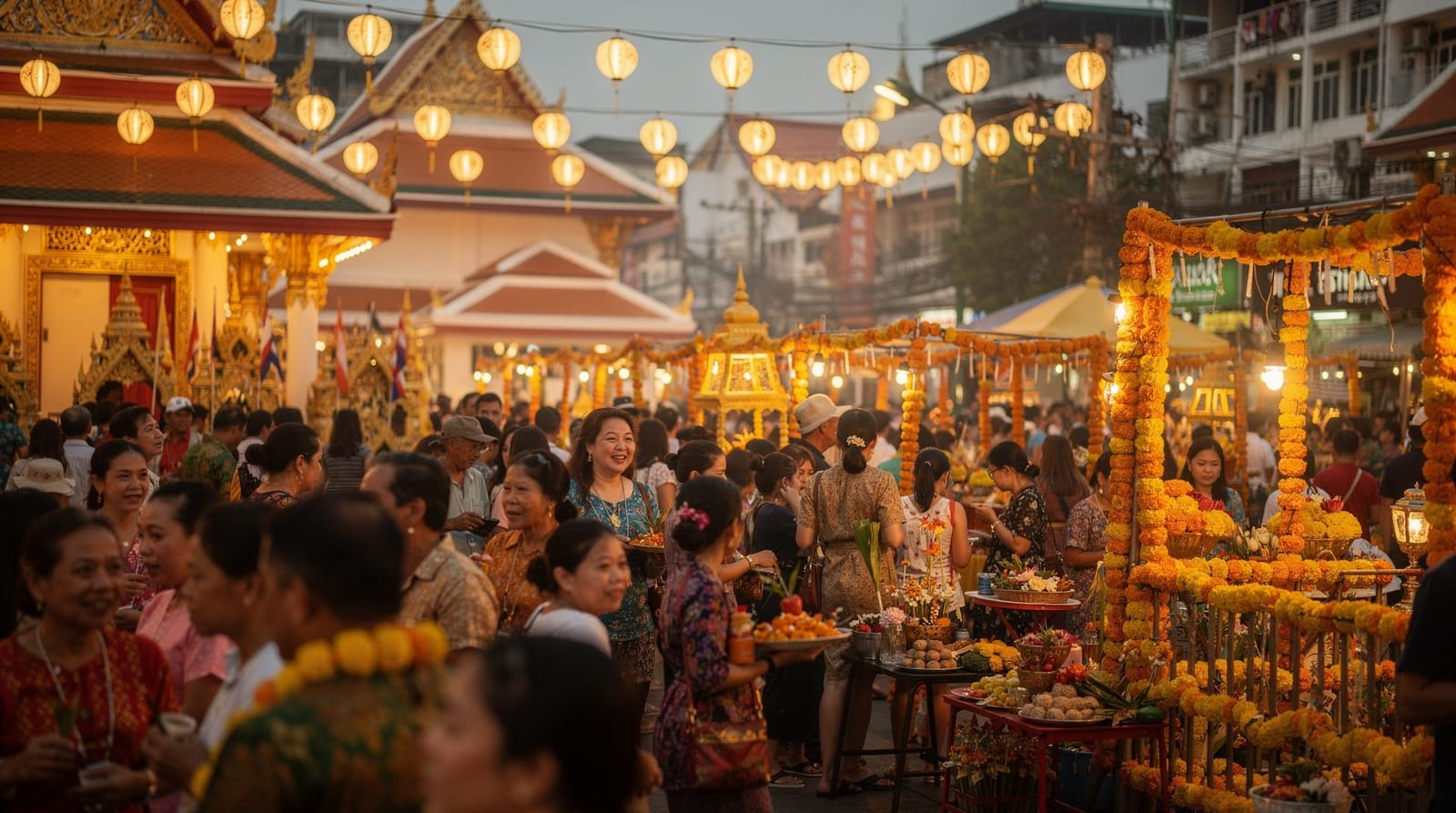
If the mass water fights are not for you, Songkran also has a gentler face. Visit a temple in the morning, before the streets get wet, to see the traditional water-pouring over Buddha images and the merit-making that opens the new year. The Rattanakosin old city temples and Wat Pho are atmospheric early in the day, though dress modestly per the temple etiquette and dress code guide. The Grand Palace keeps its usual hours and dress rules during the festival, and securing entry ahead saves time in the holiday crowds:
Skip-the-line Grand Palace entry is useful over the Songkran holiday, when the standard queue grows alongside the festival crowds.
Mornings everywhere are quieter than afternoons, so you can fit in dry sightseeing before the water starts in earnest.
What to bring and how to prepare
The single most important item is a waterproof phone pouch, the lanyard kind, available cheaply from street stalls everywhere in early April. Beyond that: a cheap water gun (buy locally, do not lug one from home), sunglasses or goggles to keep stinging powder out of your eyes, strong sunscreen, and clothes plus footwear you do not mind getting soaked, ideally sandals with grip rather than slip-off flip-flops. Leave your passport, bank cards, spare cash and anything non-waterproof locked in your hotel safe. Carry only what you can afford to lose or fully waterproof. A small dry bag for a hotel key card and a little cash is ideal.
Staying safe in the crowds
Songkran is overwhelmingly good-natured, but a few risks rise over the holiday. Wet roads and floors are slippery, so watch your footing, especially around hoses and ice buckets. Drink-driving increases nationally over the long weekend, so be extra careful crossing roads and avoid motorbike taxis if you can. Dense, wet crowds are easy hunting grounds for pickpockets, which is another reason to carry almost nothing. Be aware too that ice-cold water and powder may be thrown without warning, including in your face, so keep your mouth shut and your eyes protected. Stay hydrated in the heat, the combination of sun, exertion and alcohol catches people out.
If you would rather skip it
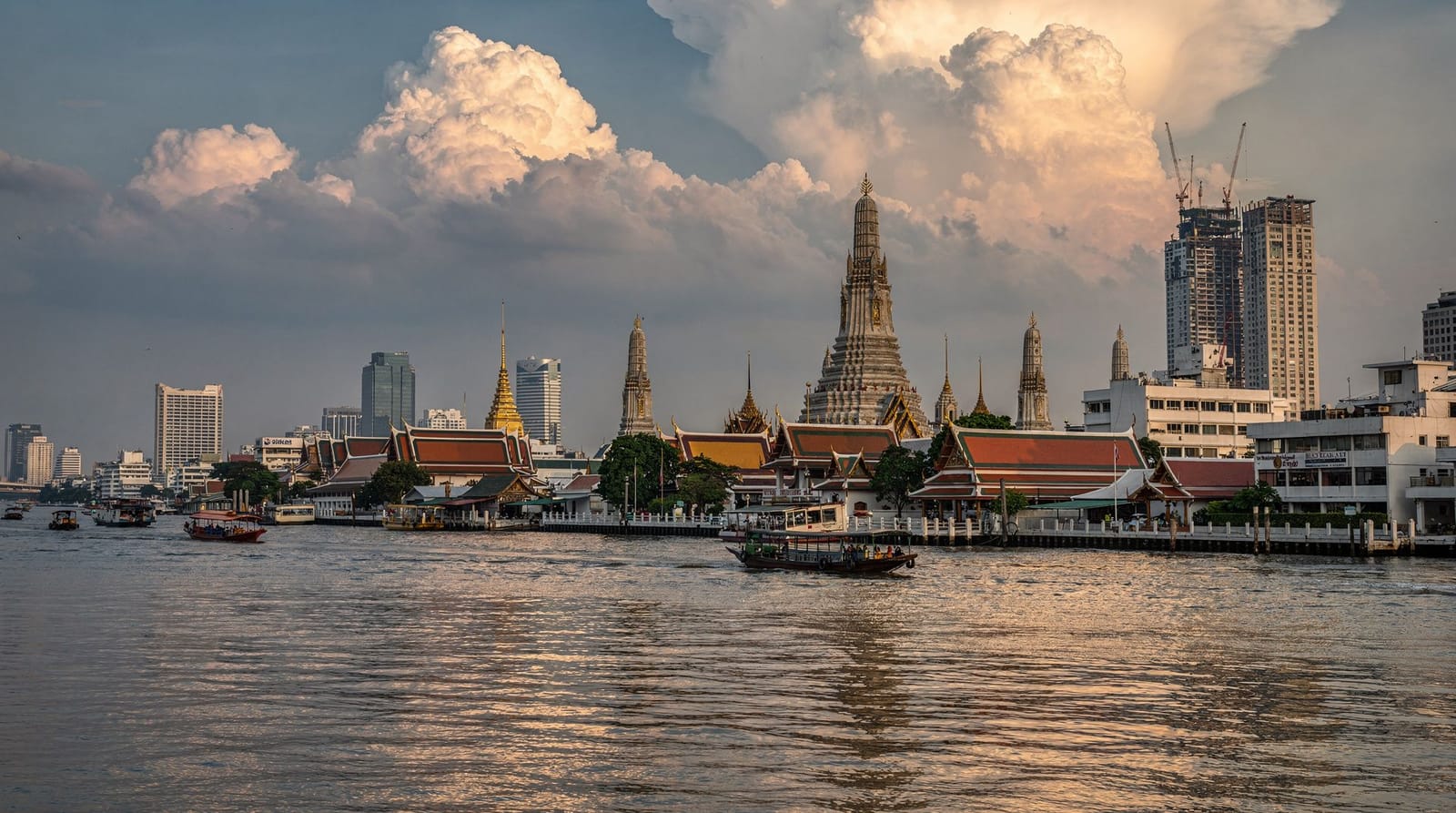
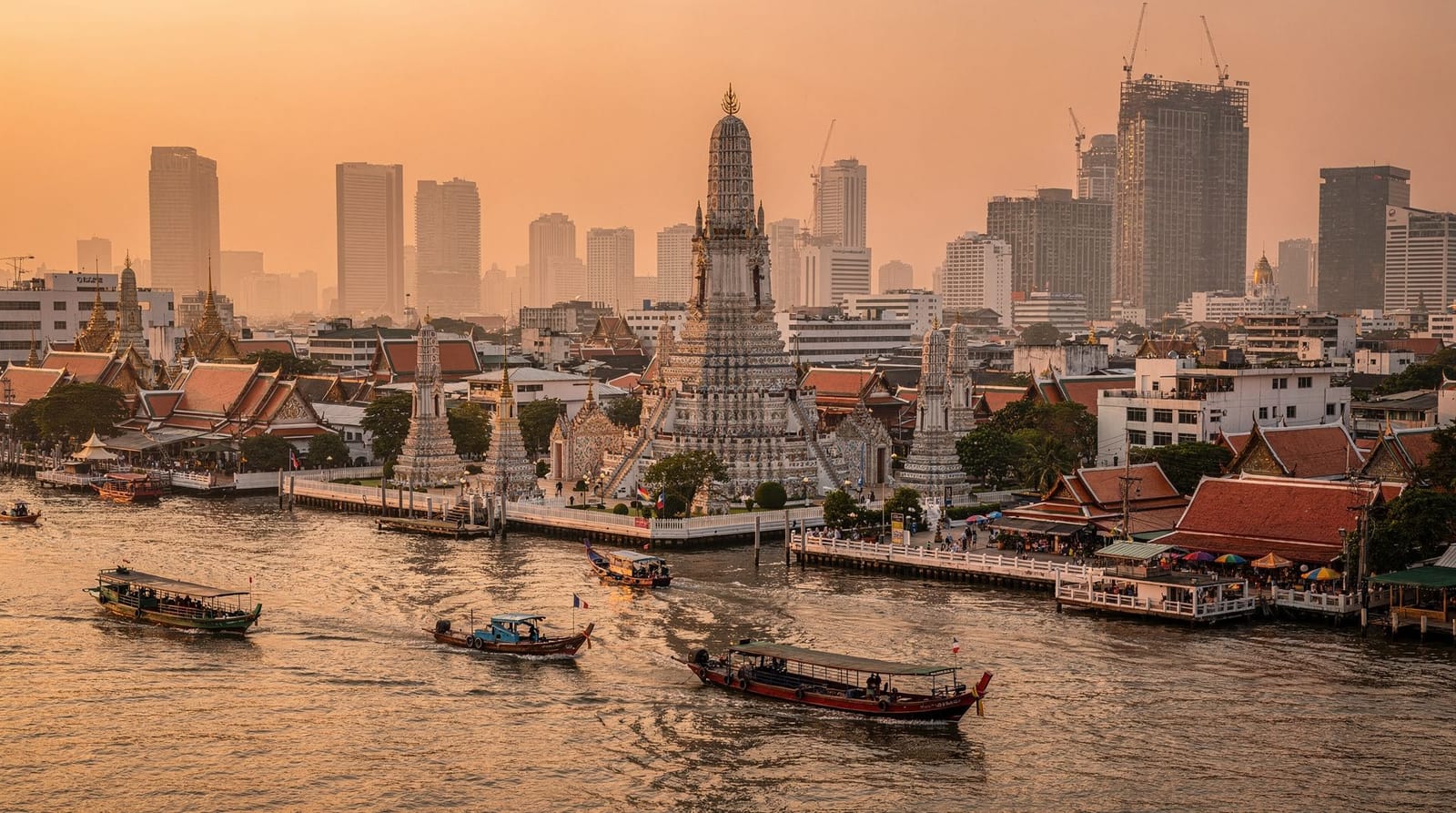
It is entirely possible to be in Bangkok during Songkran and stay dry. The water-throwing concentrates in specific zones, so simply avoid Khao San and Silom and stick to areas like Siam and Ratchaprasong, where the malls run normally. The BTS and MRT operate as usual and stay dry. Plan indoor days, museums, cinemas, shopping, and use mornings for any outdoor sightseeing. An evening river cruise is a particularly good way to celebrate the holiday without getting drenched:
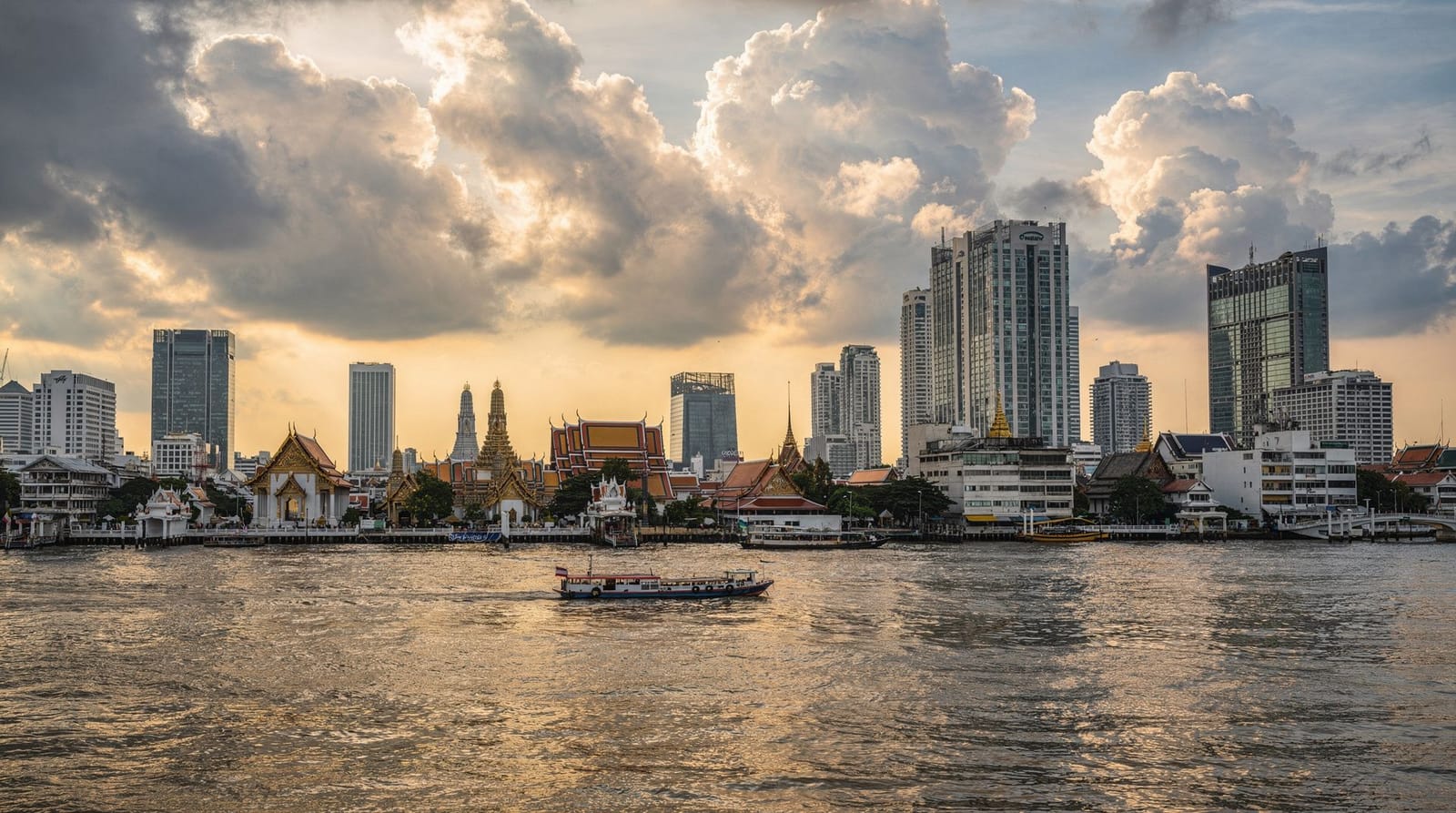
A Chao Phraya dinner cruise offers a dry, festive evening on the river during Songkran, away from the water-fight crowds.
Some travellers escape the busiest afternoons entirely with a day trip from Bangkok to Ayutthaya or Kanchanaburi, returning to the city in the evening.
A typical Songkran day, hour by hour
Knowing the rhythm of the festival helps you pace it. Mornings, before roughly 10:00 or 11:00, are the calmest, and this is when traditional merit-making happens at the temples, water-pouring over Buddha images and the quieter, respectful side of the holiday. It is the best window for any dry sightseeing you want to fit in. From late morning the water-throwing builds, and by early afternoon the hotspots are in full flow, peaking through the hottest part of the day when getting soaked is most welcome. The action runs into the evening, especially on Khao San, where it becomes as much a street party as a water fight after dark. If you want one full immersion, aim for early-to-mid afternoon; if you want to sample it without an all-day commitment, an hour or two is plenty to get the experience, and a soaking is guaranteed in minutes.
| Time | What’s happening |
|---|---|
| Before 10:00–11:00 | Calmest window; temple merit-making and Buddha-bathing |
| Late morning | Water-throwing builds in Khao San and Silom |
| Early afternoon | Hotspots in full flow; the hottest, wettest peak |
| Evening | Street-party atmosphere, especially Khao San, into the night |
Beyond Khao San and Silom
While Khao San and Silom grab the headlines, water-throwing happens across the whole city, including residential sois (lanes) where neighbours set up buckets and hoses, which can be a friendlier, more local experience than the tourist-packed hotspots. Shopping malls in Siam and Ratchaprasong often host their own organised, family-friendly Songkran events with foam parties and stage shows, drier and more controlled than the street battles. The RCA entertainment zone runs large ticketed events aimed at a younger crowd. If you are travelling with children, the mall events and quieter residential streets are gentler than the full-throttle Khao San crush, and the Bangkok with kids guide has more on family-friendly choices during the holiday.
The food and the heat
Songkran lands in the hottest week of the year, so the heat is a constant whether you are in the water or not. Between rounds, the Bangkok street food scene keeps going, and grabbing something cold and refreshing, a coconut, a fresh juice, mango sticky rice, is part of the experience. Stay properly hydrated, because the combination of sun, exertion and, for many, holiday drinking dehydrates people fast. The tap water is not drinkable, so stick to bottled water and the endless cold drinks sold from stalls and convenience stores. A waterproof phone pouch also lets you keep a little cash and a few hundred baht safe and dry for these between-round refuels. Electrolyte and rehydration sachets, sold cheaply at every 7-Eleven, are worth carrying alongside plain water if you are out for several hours, particularly during the hottest early-afternoon stretch — the same sachets recommended for street food safety upsets work just as well for heat exhaustion. Fresh coconut water from a street vendor is a Bangkok classic and one of the more genuinely refreshing things to drink in 38-degree heat while soaking wet.
Photographing Songkran
Songkran is one of the most photogenic events in Bangkok, but the water makes it also one of the trickiest to shoot. A cheap waterproof point-and-shoot or an action camera in a rugged case survives the crossfire far better than a phone, even sealed in a pouch — you will want to actually operate the camera mid-splash, not just protect it in a bag. Shoot from the edges of the crowd for a wider view of the chaos, or embrace getting soaked and shoot from within it for the immersive, close-up shots that read best. Either way, expect your gear to take a beating, and never bring anything you cannot afford to lose or ruin. The morning temple rituals offer a completely different, calmer photographic opportunity: soft light, quiet ceremony, and none of the risk to your gear. The best photo spots in Bangkok guide has more on shooting the city outside festival season, when equipment risk is lower.
Fitting Songkran into your trip
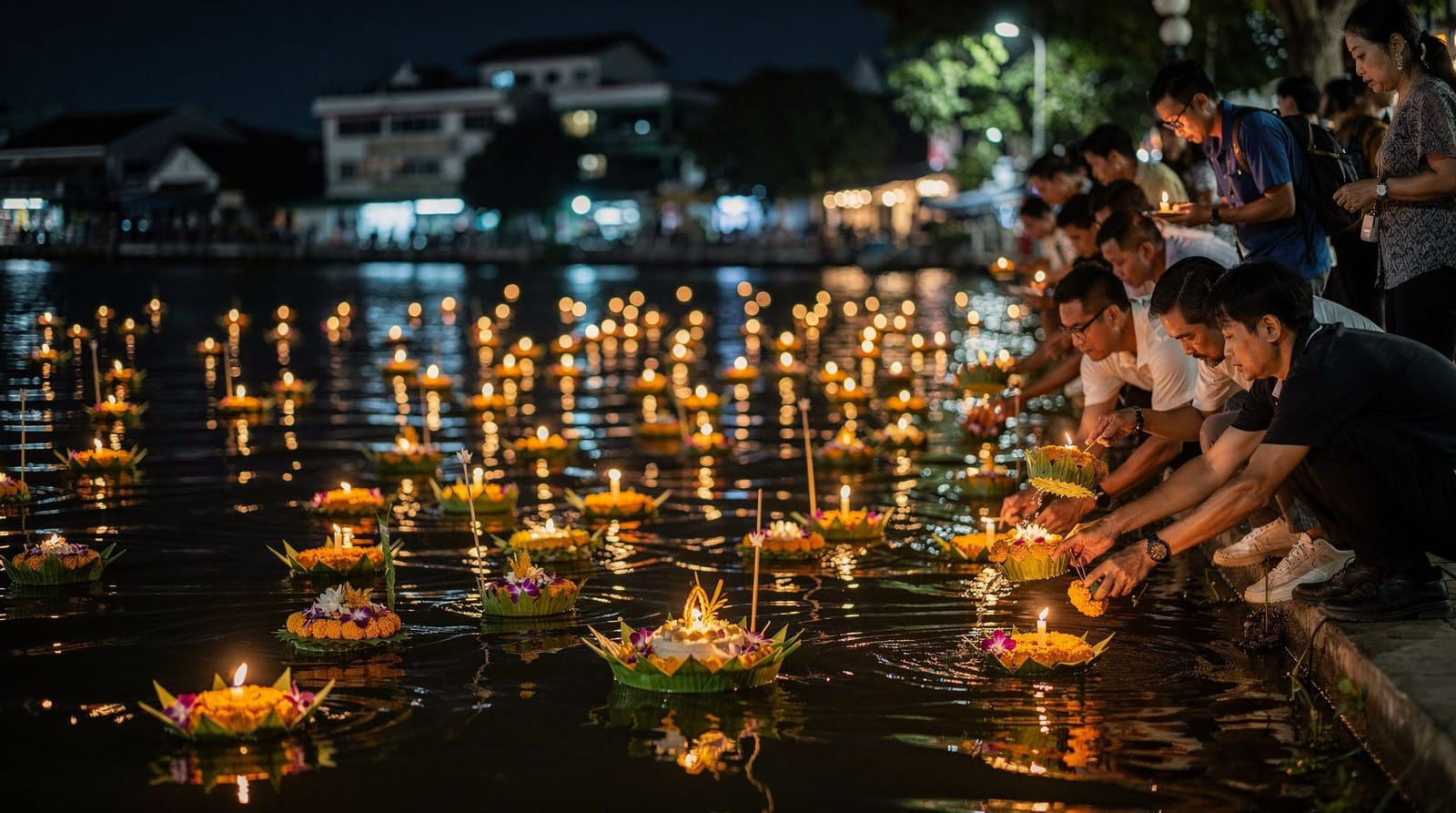
Whether you come for Songkran or simply find yourself in town for it, planning around the dates pays off. Book accommodation weeks ahead, since the 13 to 15 April window fills fast and prices rise. If Songkran is the reason for the trip, the best time to visit Bangkok guide explains how the heat of April compares with the rest of the year, and the Bangkok festivals calendar maps the other celebrations you might catch. For a contrasting, gentler festival experience, the Loy Krathong in Bangkok guide covers November’s festival of lights, the calm yin to Songkran’s exuberant yang.
Songkran etiquette and respect
For all its exuberance, Songkran sits on a foundation of respect, and a little awareness goes a long way. The water-throwing is meant in good fun, but there are unwritten rules: do not throw water at monks, the elderly, babies, or people clearly trying to stay dry, such as someone in office clothes on their way to work or a vendor with electronics. Avoid throwing ice-cold water or aiming for the face, which can hurt and is increasingly frowned upon. If you visit a temple in the morning for the traditional water-pouring, dress modestly and behave quietly, this is the sacred heart of the festival, not part of the street party. A genuine smile and a wai (the palms-together Thai greeting) when someone playfully douses you goes down well. Treating the festival with this mix of enthusiasm and respect is the difference between being a welcome guest and an obnoxious one.
Getting around during Songkran
Transport needs a little planning over the holiday. The BTS Skytrain and MRT subway run normally and stay dry, making them by far the best way to reach and leave the wet zones, though stations near Silom and other hotspots get very busy. Roads around Khao San and Silom close to traffic, so taxis and ride-hailing cannot reach the centre of the action and you will walk the last stretch. Traffic elsewhere can be heavy, and as noted, drink-driving rises over the long weekend, so be cautious as a pedestrian and wary of motorbike taxis. If you are arriving or departing during 13 to 15 April, allow extra time for airport transfers, and remember intercity trains and buses fill up as Thais travel home for the holiday. The getting around Bangkok guide covers the transit network that keeps you mobile and mostly dry, alongside the BTS Skytrain guide and MRT subway guide for the specific lines, and a Rabbit Card saves fumbling with wet cash at the ticket machines. If you do need a car once the trains stop, Grab is the safer choice over hailing a street taxi in the holiday crowds.
Where to stay for Songkran
Accommodation choice shapes the whole experience. Book inside Khao San/Banglamphu if you want to fall out of your hostel straight into the water fight; book a few sois away, or in Sukhumvit, if you want the option to retreat to a dry, air-conditioned room between rounds. Either way, prices rise and rooms sell out weeks ahead of 13 April — the where to stay in Bangkok guide and the Bangkok travel costs guide help with budgeting for the price spike.
Frequently asked questions about Songkran in Bangkok
What are the dates of Songkran 2026 in Bangkok?
Where are the best places for Songkran in Bangkok?
What should I bring to Songkran?
Is Songkran safe for tourists?
Is the whole city one big water fight during Songkran?
What is the cultural meaning of Songkran?
Can I avoid Songkran if I am in Bangkok then?
Top experiences
Bookable activities with verified prices and instant confirmation on GetYourGuide.