Bangkok festivals calendar
Bangkok: Chao Phraya Princess Dinner Cruise Ticket
What are the main festivals in Bangkok and when are they?
The headline events are Songkran, the water-fight new year, 13 to 15 April 2026, and Loy Krathong, the festival of lights, 25 November 2026. Other key dates include Chinese New Year in Chinatown, late January or February, the Vegetarian Festival in October, and Buddhist holy days like Makha Bucha and Visakha Bucha, when alcohol sales are banned citywide.
Bangkok’s festival calendar mixes two headline spectacles, the water-fight chaos of Songkran in April and the candlelit beauty of Loy Krathong in November, with a steady run of Chinese, Buddhist and royal observances through the year. Some are joyful and loud, some quiet and reflective, and a few carry practical consequences, like the nationwide alcohol ban on Buddhist holy days. This guide runs through the 2026 calendar month by month with real dates, where to be, and what each event means for your plans, so you can time your trip to catch a festival or steer clear of the busiest ones.
| Biggest festival | Songkran, 13–15 April (water fights citywide) |
| Most photogenic | Loy Krathong, 25 November (candlelit river) |
| Quietest months | June–August (fewer festivals, lower prices) |
| Dry days | Major Buddhist holy days — alcohol sales banned nationwide |
| Booking lead time | 2–4 weeks ahead for Songkran or Loy Krathong accommodation |
Bangkok’s 2026 festival calendar at a glance
| Month | Event | Approx. 2026 date | Type |
|---|---|---|---|
| Jan–Feb | Chinese New Year | Late Jan or Feb (lunar) | Cultural, Chinatown |
| Feb | Bangkok Design Week | Early-to-mid February | Contemporary arts |
| Feb–Mar | Makha Bucha | Full moon, Feb or Mar | Buddhist holy day (dry) |
| Apr | Songkran | 13–15 April | Water festival |
| May | Visakha Bucha | Full moon in May | Buddhist holy day (dry) |
| Jul | Asalha Bucha / Khao Phansa | July (lunar) | Buddhist holy day (dry) |
| Aug | Queen Mother’s Birthday | 12 August | Royal / Mother’s Day |
| Sep–Oct | Vegetarian Festival | Nine days, late Sep or Oct | Culinary, Chinatown |
| Oct | Chulalongkorn Day | 23 October | Royal remembrance |
| Nov | Loy Krathong | 25 November | Festival of lights |
| Dec | King’s Birthday / Father’s Day | 5 December | Royal / national holiday |
| Dec | New Year’s Eve | 31 December | Citywide celebration |
How festivals shape a Bangkok trip
Festivals affect your trip in three ways: atmosphere, crowds and logistics. The big ones can be the highlight of a visit, but they also push up prices and pack out the hotspots, so popular accommodation, dinner cruises and day trips should be booked ahead around the headline dates. A handful of Buddhist holy days are dry days, when alcohol is not sold anywhere, which catches out travellers expecting a normal night out. Many festivals follow the lunar calendar, so dates shift year to year, and the ones below are confirmed for 2026 where fixed and approximate where lunar. To decide whether a festival is reason enough to set your dates, pair this with the best time to visit Bangkok and Bangkok weather month-by-month guides.
January and February: Chinese New Year
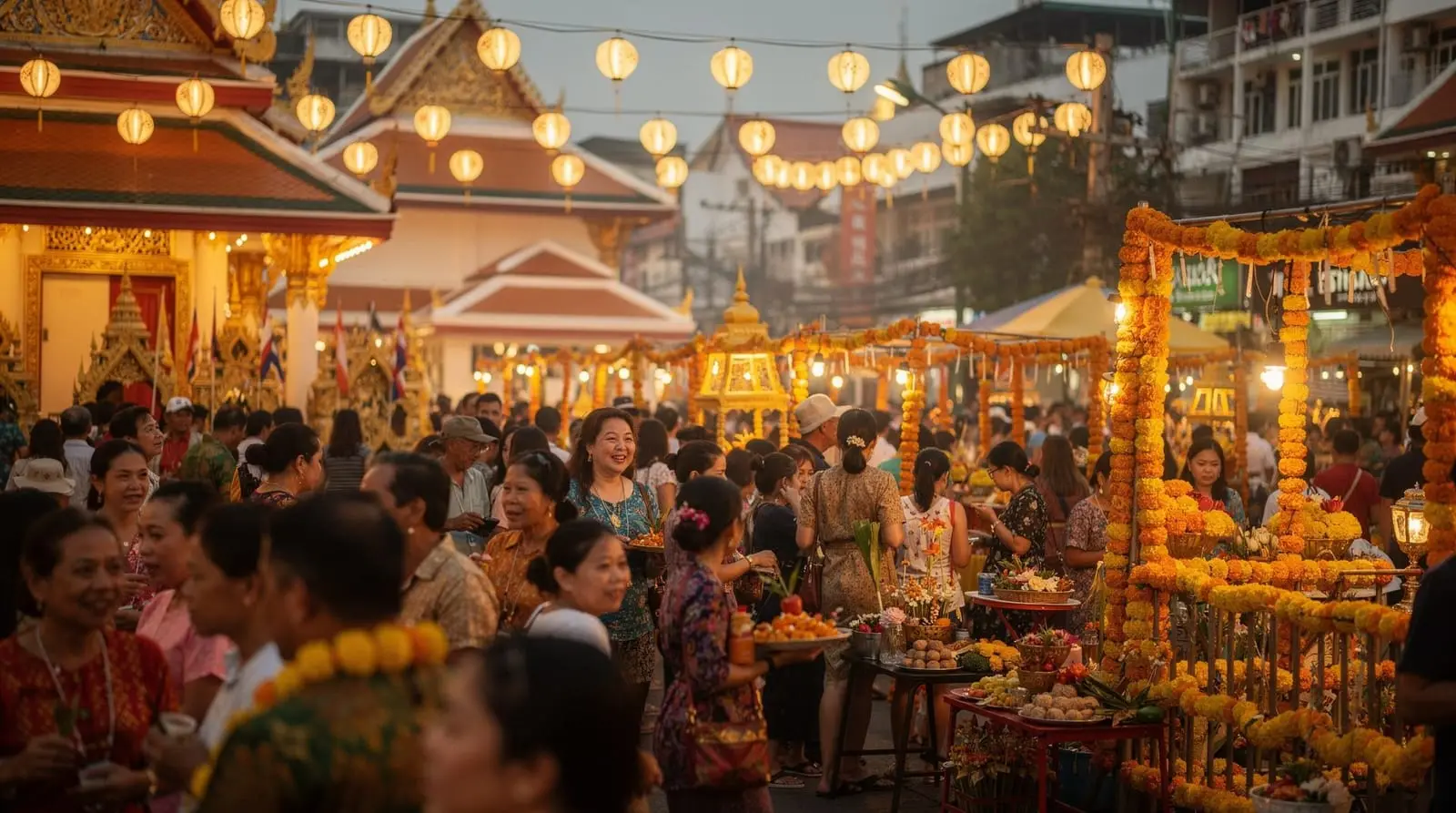
The year opens in the cool, dry peak season, and its standout event is Chinese New Year, which falls in late January or February by the lunar calendar. The heart of it is Chinatown around Yaowarat, where Yaowarat Road erupts with lion and dragon dances, red lanterns, firecrackers, street-food stalls and dense, festive crowds. It is one of the most vivid times to visit that district, though expect it to be packed. The Chinatown Bangkok guide covers the area in detail, and the cool weather makes it pleasant to be out among the celebrations.
March: Makha Bucha, a Buddhist holy day
Makha Bucha is one of the most important Buddhist holy days, usually falling in February or March on the full moon. It commemorates a spontaneous gathering of Buddha’s disciples, and in the evening Thais visit temples for candlelit processions, walking three times around the main hall holding flowers, incense and a candle. Practically, it is a dry day: the sale of alcohol is banned nationwide, so many bars close or stop serving. It is a beautiful, reflective evening to witness at a temple, with the buddhism in Bangkok and temple etiquette and dress code guides worth reading first, but plan a drink-free night or buy beforehand.
April: Songkran, the biggest of all
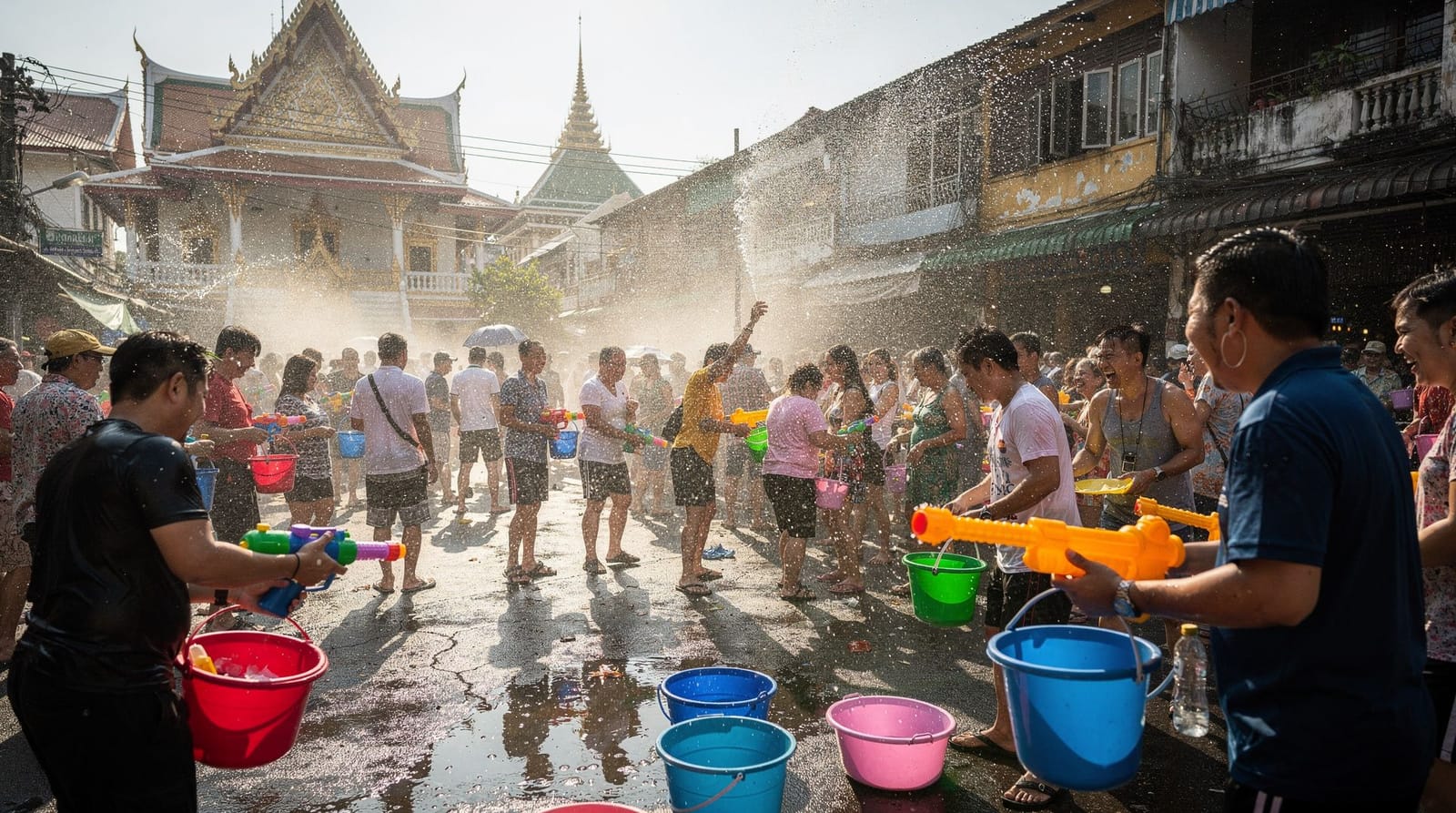
April brings the hottest weather of the year and the country’s biggest festival. Songkran, the Thai New Year, runs 13 to 15 April 2026, turning the city into a giant water fight, the perfect antidote to 35 to 40C heat. The wildest action is on Khao San Road in Banglamphu and along Silom Road in Sathorn, both closed to traffic and packed with soaking-wet crowds. It is spectacular but means booking accommodation early and protecting your valuables. The full breakdown, including the calmer traditional side and how to skip it if you prefer, is in the Songkran in Bangkok guide.
May: Visakha Bucha and the start of the rains
Visakha Bucha, usually in May, is the holiest day in the Buddhist calendar, marking the Buddha’s birth, enlightenment and passing on a single full-moon day. Like Makha Bucha, it brings evening candlelit temple processions and a nationwide alcohol ban, so it is another dry day. May also sees the southwest monsoon usually arrive, easing the heat a little while bringing the first proper downpours, the transition the rainy season in Bangkok guide covers in full.
June to August: quieter months, royal observances
The deep rainy-season months are light on major festivals, which suits travellers chasing value and space rather than spectacle. The notable fixed date is Her Majesty the Queen Mother’s birthday on 12 August, observed as Mother’s Day across Thailand, with official ceremonies, decorations and a national holiday, though daily life and the main attractions continue largely as normal. These months are when hotel rates sit at their lowest, as the Bangkok travel costs guide notes, so a festival-light trip here trades pageantry for savings.
September and October: the Vegetarian Festival
The wettest part of the year carries one of Bangkok’s most distinctive food events: the Vegetarian Festival, a nine-day Taoist observance in late September or October. Participants eat strictly vegetarian, or vegan, food, and Chinatown around Yaowarat fills with stalls flying yellow flags, marking pure veg cooking. Bangkok’s version is overwhelmingly culinary, a superb time to eat your way through the district, without the extreme piercing rituals associated with Phuket’s celebrations. For food lovers it is one of the best windows of the year, and the Bangkok street food guide helps you navigate the stalls.
November: Loy Krathong, the festival of lights
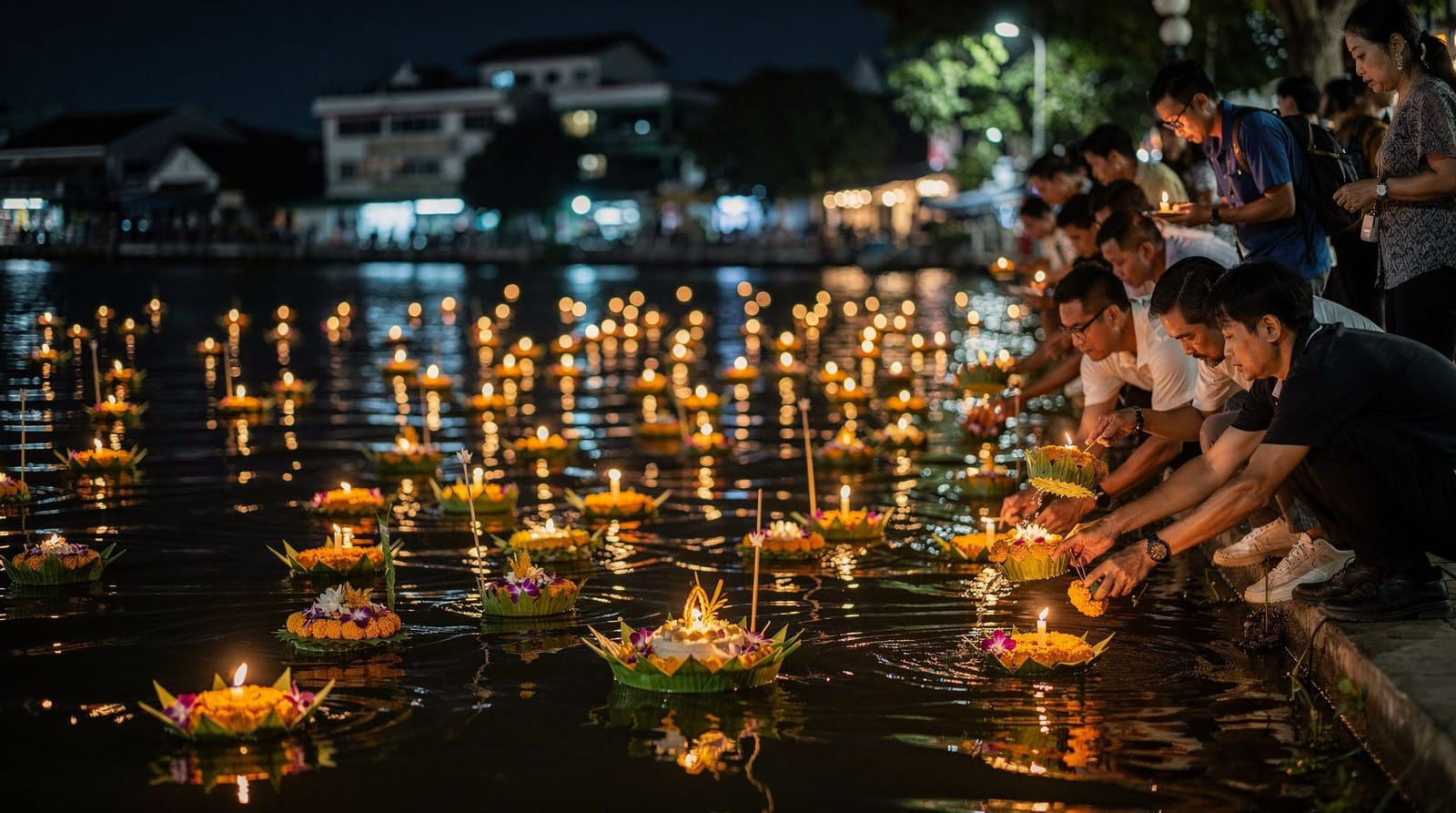
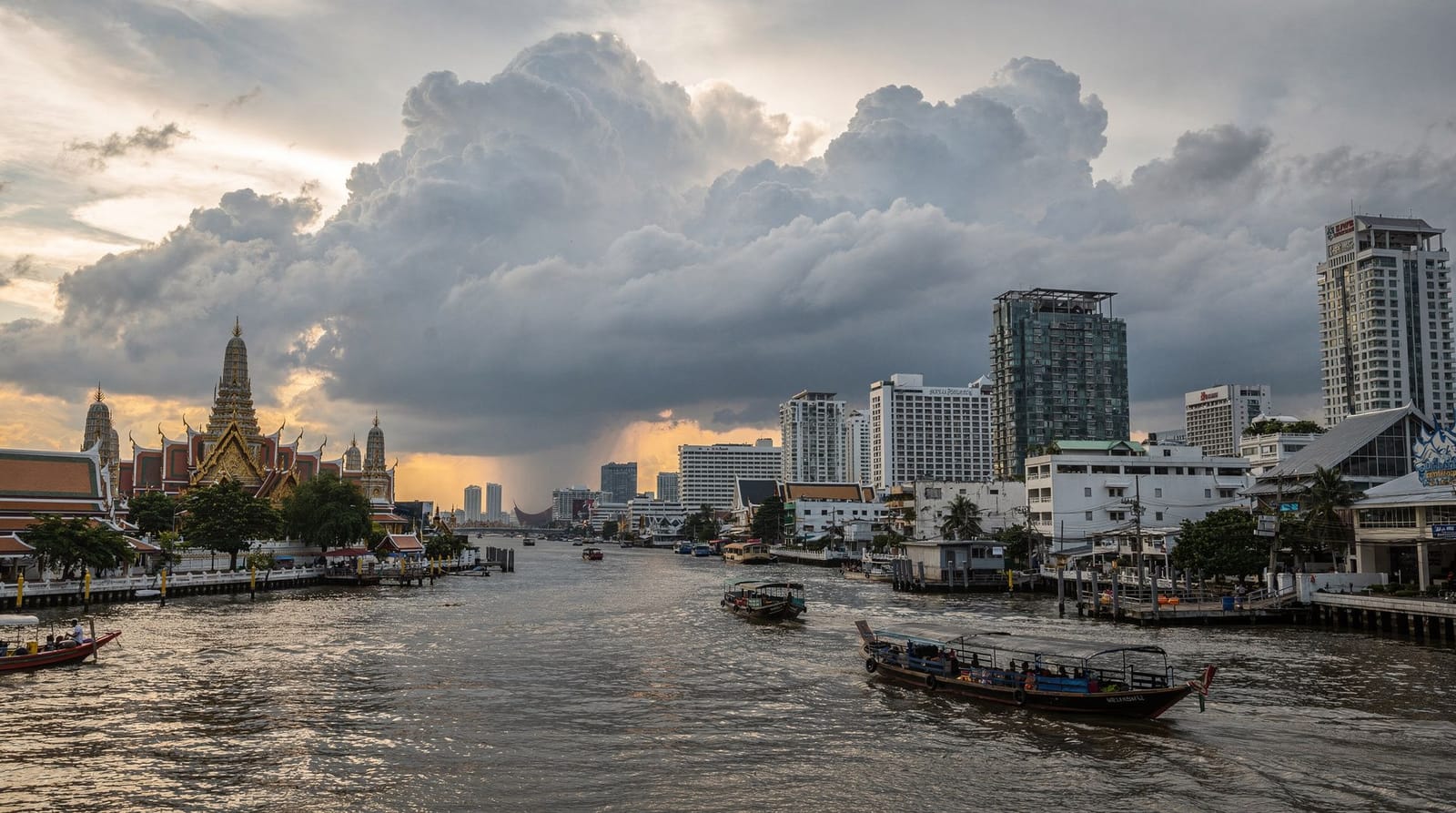
November is the sweet spot of the year, the monsoon usually broken and the weather at its comfortable best, and it carries Loy Krathong, the festival of lights, on 25 November 2026. After dark, people float small candlelit krathong rafts onto the Chao Phraya riverside and the city’s canals, giving thanks to the water and letting go of the past year. It is gentle, romantic and deeply atmospheric, the opposite of Songkran’s chaos. A dinner cruise among the floating lights is a memorable way to experience it, and the Loy Krathong in Bangkok guide covers the best spots and the honest truth about the Chiang Mai sky lanterns:
A Chao Phraya dinner cruise on the Loy Krathong evening places you among the river’s floating candles, though the festival night books out fast. For travellers who want to build a trip around the festival, a 2-day Bangkok and Sukhothai Loy Krathong tour pairs the Bangkok riverside celebrations with Sukhothai’s own, quieter version of the festival among its historic ruins.
December: the King’s birthday and peak season
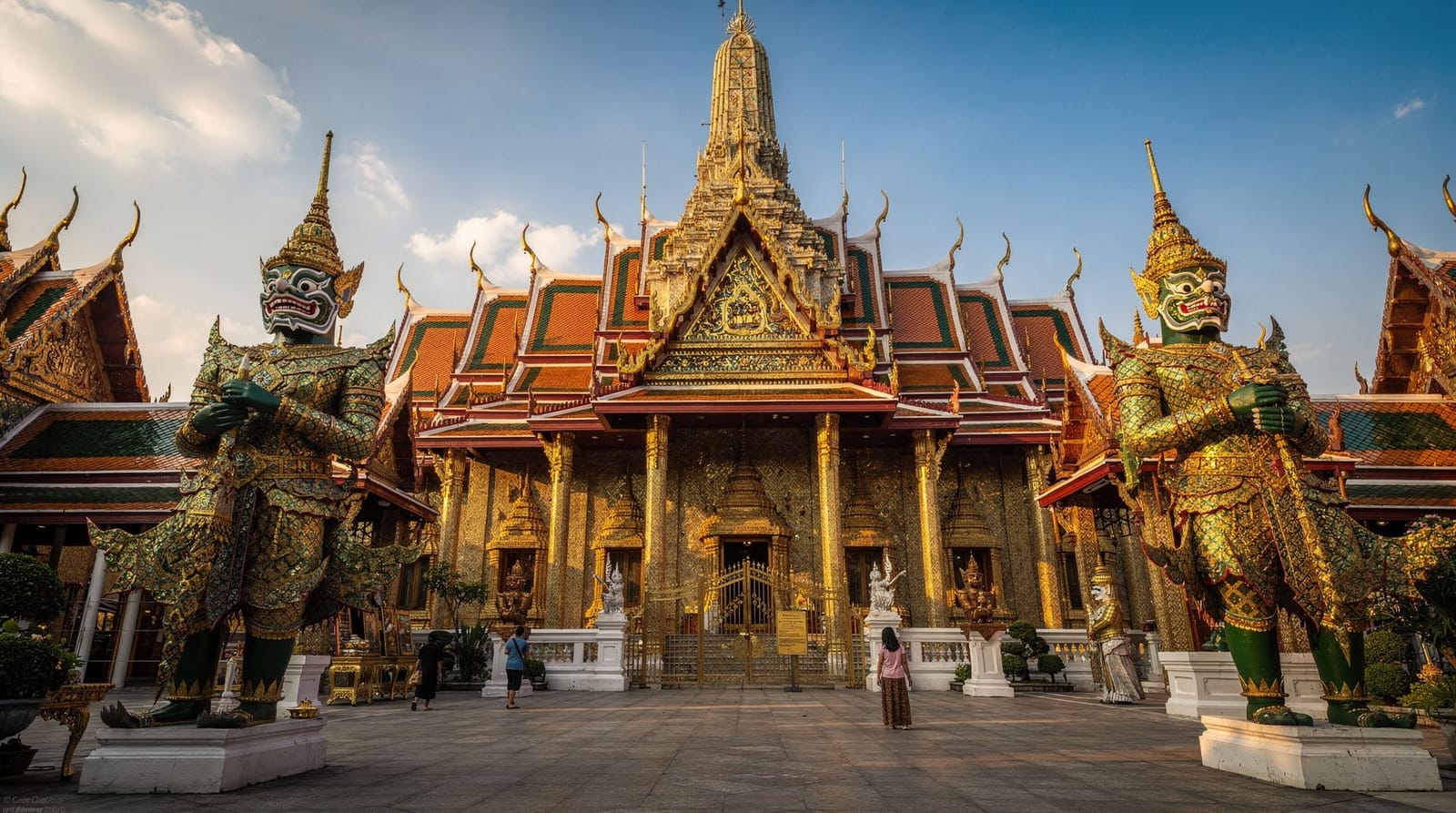
December marks the return of the cool, dry peak season and the year’s busiest tourist month. The late King Bhumibol Adulyadej’s birthday on 5 December is observed as Father’s Day and National Day, with the Grand Palace area and major boulevards decorated and beautifully lit in the evenings, a lovely time for a stroll. Government offices close and there are official ceremonies, but the city’s attractions run normally. With Christmas and New Year crowds layered on top, book ahead for anything popular.
Buddhist holy days and the alcohol ban
It is worth understanding the wan phra (Buddhist holy days) and the major Buddhist observances separately, because they carry a practical catch that surprises many visitors: on the principal holy days, the sale of alcohol is banned nationwide for the full day. The big ones are Makha Bucha (February or March), Visakha Bucha (May), and Asalha Bucha with the start of the Buddhist Lent, Wan Khao Phansa (July). On these days, shops, supermarkets and convenience stores will not sell beer, wine or spirits, and many bars close or simply stop serving, though hotel minibars and some venues catering to tourists can be inconsistent. If you have your heart set on a drink, buy it the day before. The upside is that these are among the most beautiful evenings to visit a temple, when locals gather for candlelit wian thian processions, circling the main hall three times with flowers, incense and a candle. The buddhism in Bangkok guide explains the customs, and the temple etiquette and dress code guide covers how to attend respectfully.
Royal occasions and national mood
Thailand observes several royal birthdays and remembrance days as national holidays, and they shape the look and feel of the city more than its opening hours. The late King Bhumibol’s birthday on 5 December (Father’s Day and National Day) and the day of his passing, 13 October, along with Chulalongkorn Day on 23 October, see official ceremonies, decorated boulevards and, in December, spectacular evening lighting around the Grand Palace and Ratchadamnoen Avenue. The Queen Mother’s birthday on 12 August is Mother’s Day. On these days government offices and banks close, but attractions, transport, restaurants and shops run normally. One sensitive point worth knowing: Thais hold the monarchy in deep respect, and lese-majeste laws are taken seriously, so it is wise to be respectful around royal imagery and ceremonies and to avoid disrespectful comments or behaviour.
Lunar dates and a planning note
Many of these festivals, Chinese New Year, Makha Bucha, Visakha Bucha, Loy Krathong and the Vegetarian Festival, follow lunar calendars, so their exact dates shift each year. Confirm the precise day closer to your trip, especially if a festival is the reason you are coming. Songkran (13 to 15 April) and the royal birthdays are fixed. For festivals worth building a whole trip around, the Loy Krathong in Bangkok and Songkran in Bangkok guides go deepest, and the planning a trip to Bangkok guide helps slot your chosen dates into a workable itinerary like Bangkok 5 days. As always, the tap water is not drinkable, festival crowds or not, so keep bottled water handy.
Design, art and music festivals beyond the traditional calendar
Alongside the religious and royal calendar, Bangkok has built a genuine contemporary festival scene worth knowing about. Bangkok Design Week, usually held in February, turns the old riverside shophouse districts of Bang Rak and Charoenkrung and nearby Talat Noi into pop-up galleries, installations and studio open-houses for around ten days — a completely different, quieter kind of festival than Songkran or Loy Krathong, and a good excuse to explore those neighbourhoods on foot. The city also hosts touring international music acts and homegrown club and rooftop events year-round, particularly in the cool season; the Bangkok nightlife guide is the better resource for what is on during your specific dates, since these events do not follow a fixed annual calendar the way the religious festivals do. None of this needs to be booked around — it simply adds texture if your dates happen to overlap.
Smaller events worth catching
Beyond the headline festivals, Bangkok’s calendar carries a steady stream of smaller events that can add colour to a trip without dictating your dates. International New Year on 31 December brings big fireworks displays along the Chao Phraya riverside and at venues like CentralWorld in Siam and Ratchaprasong, one of the city’s great party nights. Western Valentine’s Day in February is enthusiastically marked, with the flower market in Chinatown and beyond doing a roaring trade. Throughout the cool season, temple fairs (ngan wat) pop up around the city, with food stalls, games and local music, a charming, low-key slice of Thai community life. Bangkok also hosts food, art and music festivals year-round, so it is always worth checking what is on for your specific dates, the things to do in Bangkok guide is a useful companion for filling out an itinerary around whatever event you catch.
How festivals affect prices and booking
The calendar has a direct line to your budget. The cool-season festival cluster, from Loy Krathong in late November through Chinese New Year and into the December and New Year peak, overlaps with the most expensive and crowded months, so accommodation, dinner cruises and popular day trips should be booked well ahead and will cost more. Songkran in April is its own price spike, with hotels in and around Khao San and Silom filling fast. By contrast, the rainy-season Vegetarian Festival in October falls in the cheapest part of the year, so you get a vivid food event with low-season prices, an unusually good-value combination. If a festival is the reason for your trip, build the booking lead time into your planning, and the Bangkok travel costs guide shows how the seasonal price swings play out.
Frequently asked questions about Bangkok festivals calendar
What is the biggest festival in Bangkok?
When is Chinese New Year in Bangkok?
What is the Vegetarian Festival in Bangkok?
Are shops and bars closed on Buddhist holy days?
What festival has the floating lanterns?
When are the King's and Queen's birthdays in Thailand?
Is it better to visit Bangkok during a festival or avoid them?
Top experiences
Bookable activities with verified prices and instant confirmation on GetYourGuide.