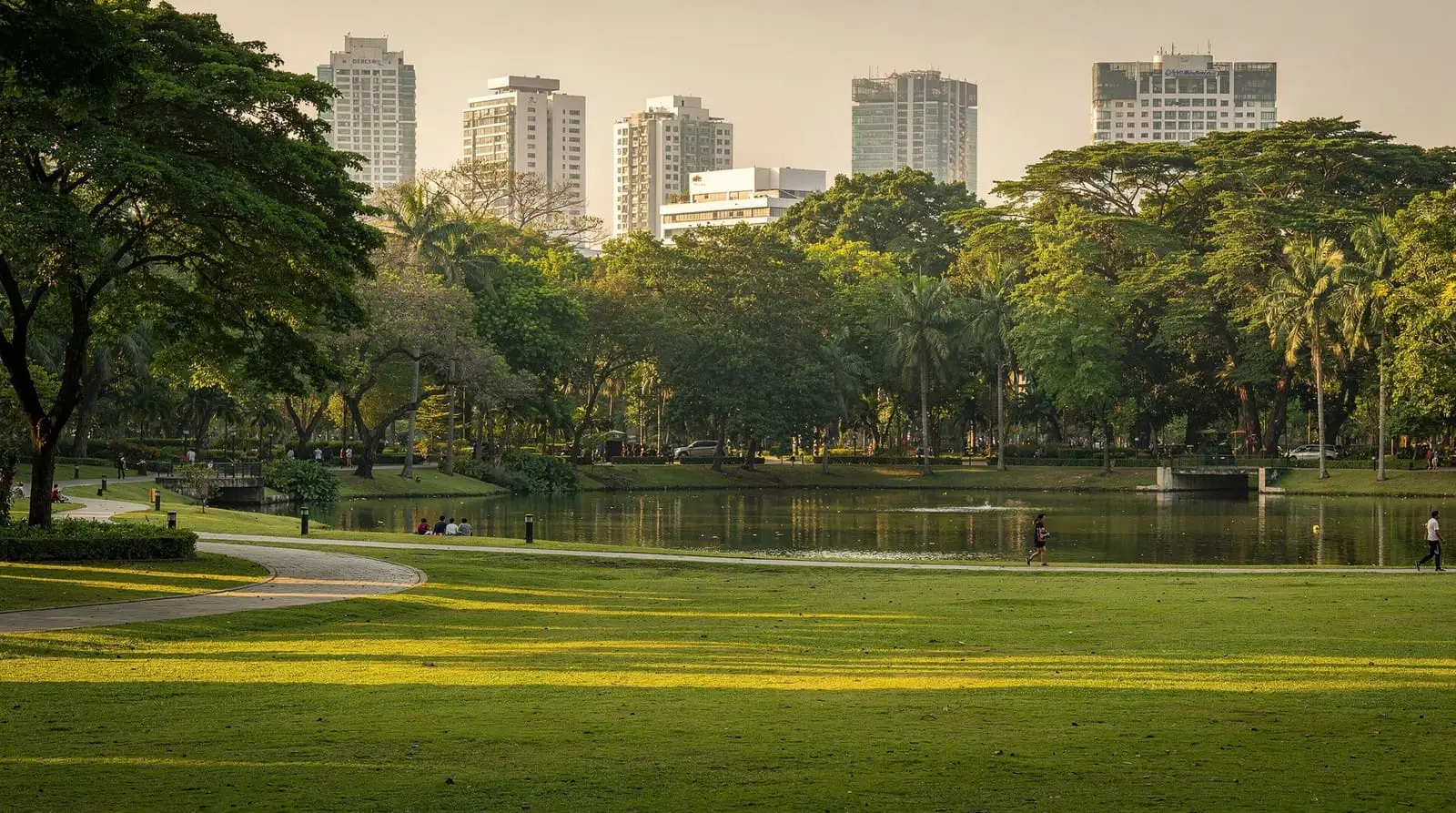
Lumphini Park nature guide: Bangkok's green heart
What is there to see and do in Lumphini Park, Bangkok?
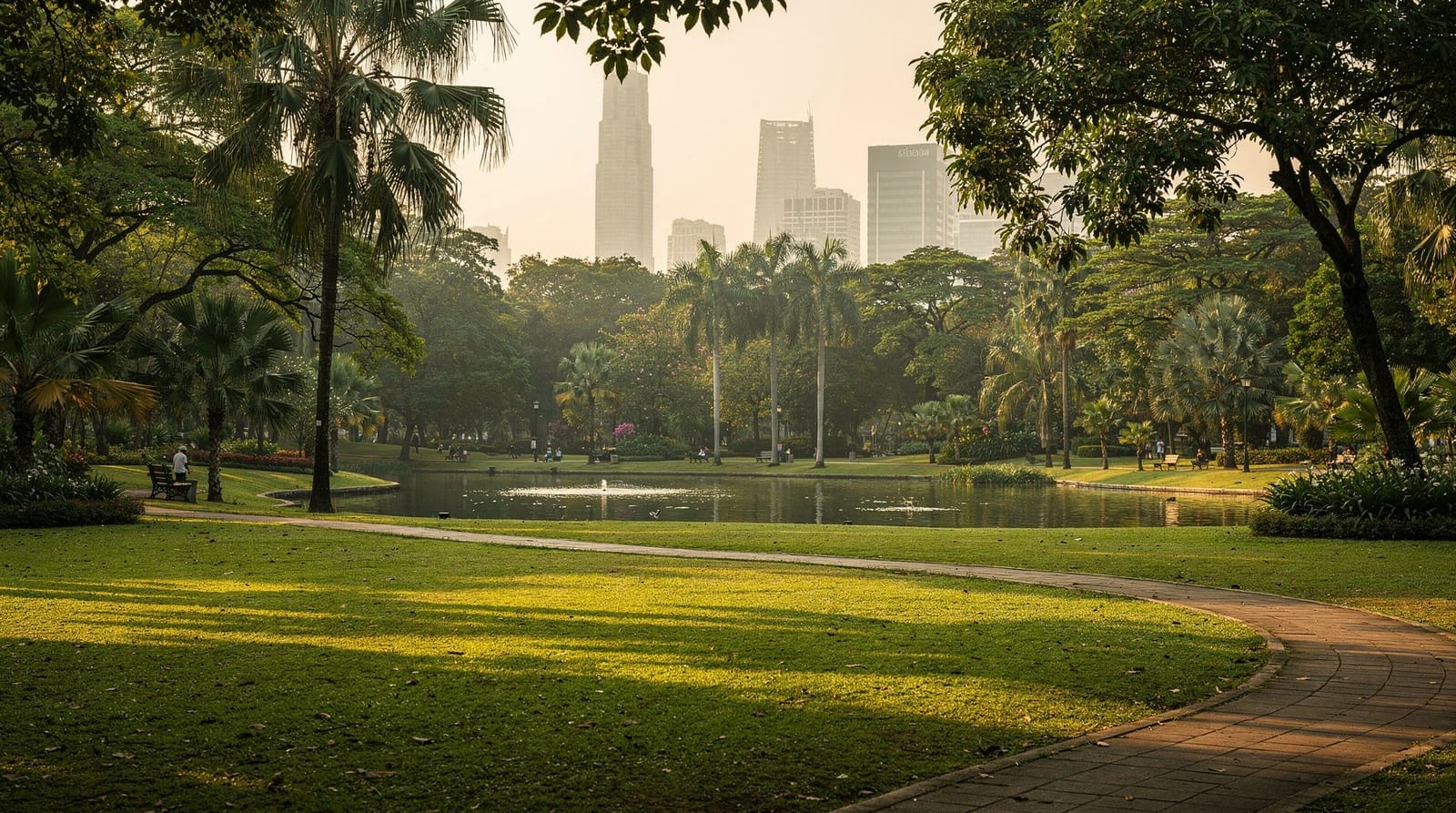
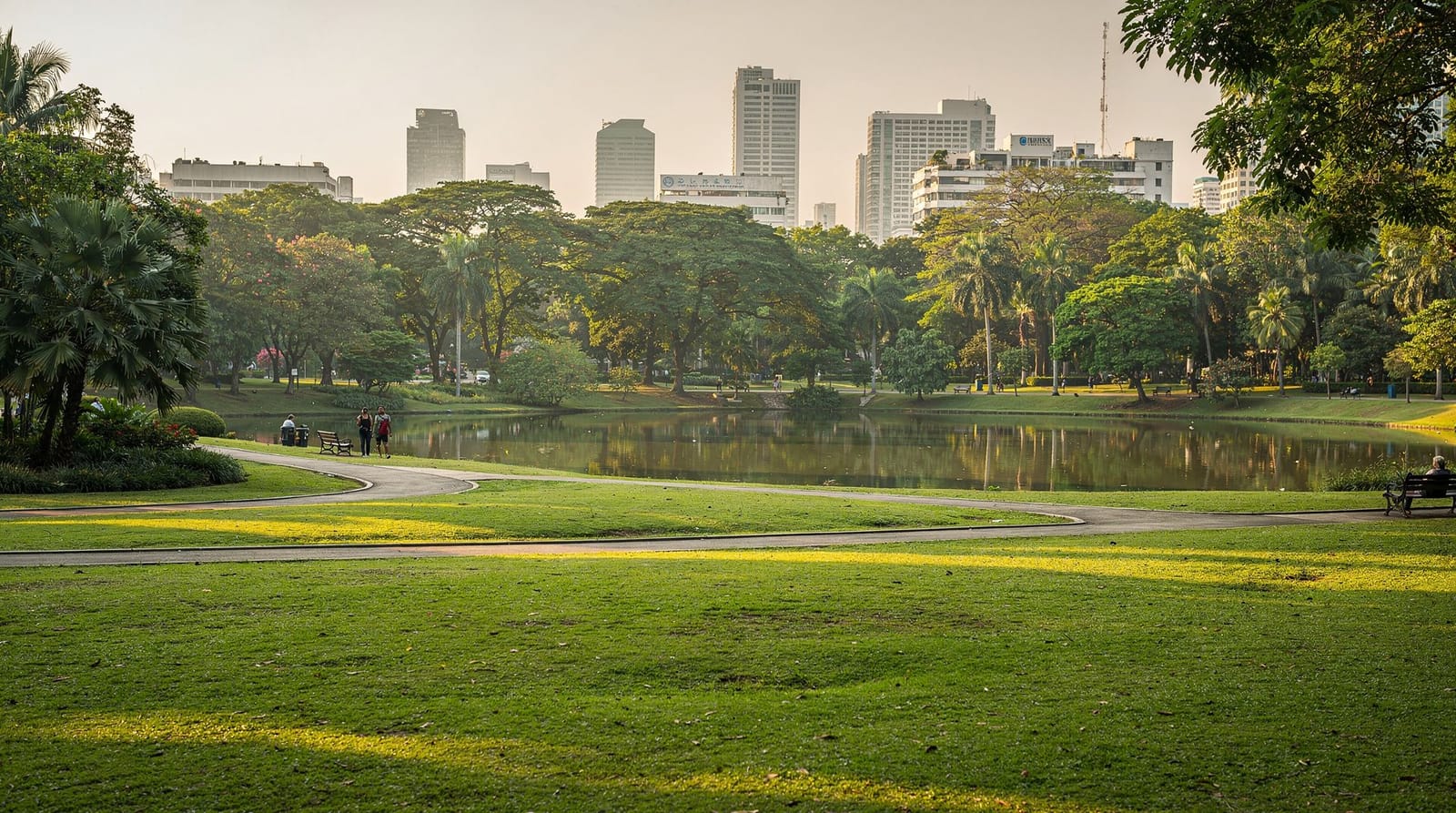
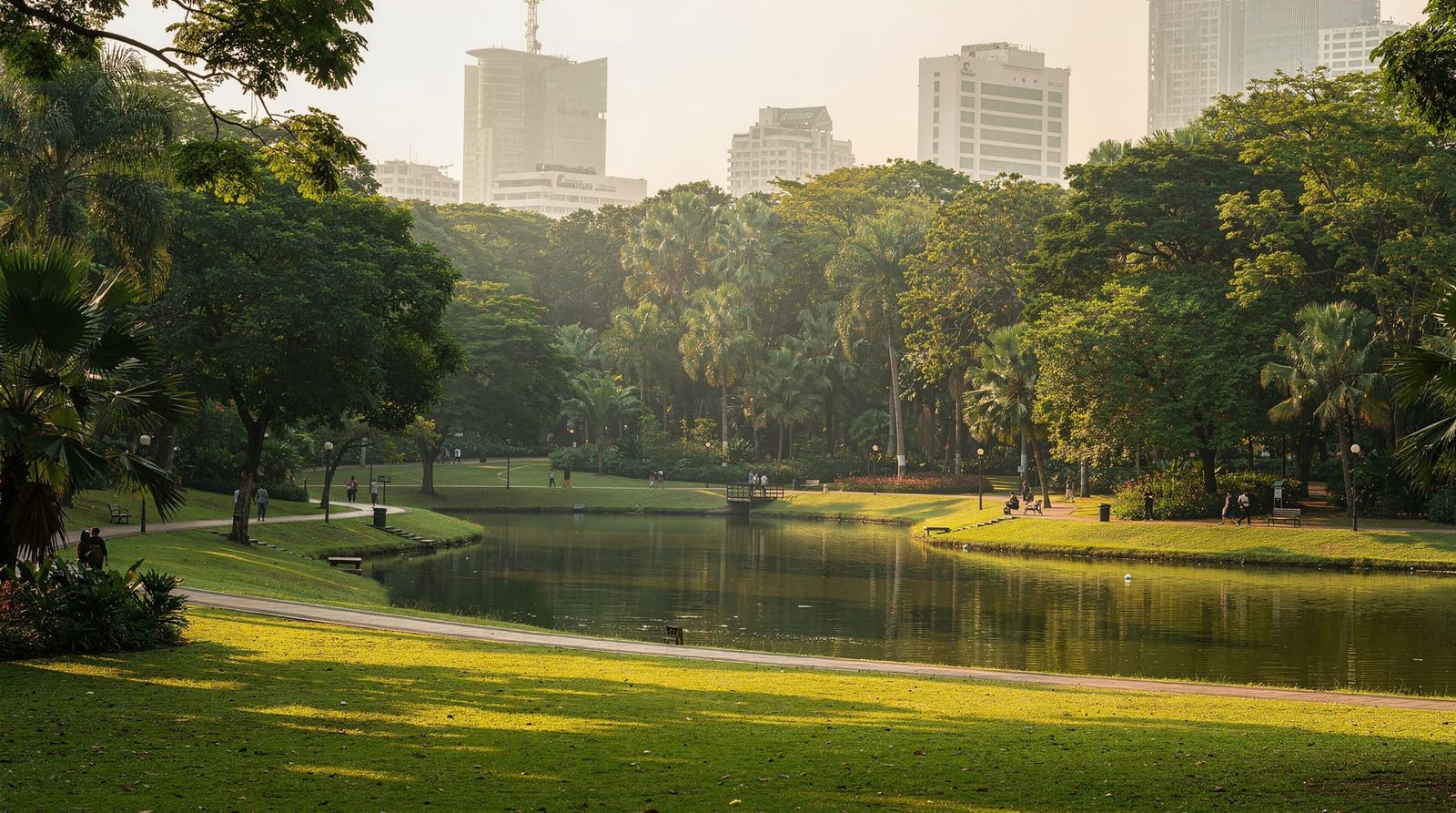
Lumphini Park is central Bangkok's largest green space — about 57 hectares of lakes, lawns and shaded paths between the Silom and Sukhumvit business districts. It is famous for its resident water monitor lizards (large, harmless reptiles), free morning and evening exercise (jogging, tai chi, open-air aerobics), pedal boats on the lake, and abundant birdlife. It is free to enter, easy to reach by MRT or BTS, and a genuine pocket of calm in the city.
Lumphini Park is the green heart of central Bangkok — about 57 hectares of lakes, lawns and shaded walking paths wedged between the Silom finance district and the Sukhumvit hotel belt. Named after the Buddha’s birthplace in Nepal and created in the 1920s on what was then the city’s edge, it is now a vital lung in one of the densest parts of the city, and a free, easy escape from the heat and traffic. It is best known for two things: the large water monitor lizards that patrol its banks like miniature dinosaurs, and the daily ritual of communal exercise — joggers, tai chi practitioners and open-air aerobics classes that fill the park at dawn and dusk.
At a glance
| Cost | Free entry |
| Hours | Daily, roughly 04:30–21:00 |
| Getting there | MRT Si Lom or MRT Lumphini (at the park’s corners), or BTS Sala Daeng, short walk |
| Time needed | 30 minutes for a stroll, 1–2 hours with the lake and exercise scene |
| Best time | Early morning (cool, active) or late afternoon into evening |
The monitor lizards
The first thing most visitors notice is the wildlife. Lumphini’s lakes are home to a thriving population of water monitor lizards, reptiles that can grow up to two metres long and are entirely harmless to people if left alone. They swim, bask on the banks, and lumber across the paths, ignoring the joggers around them. They are wild animals, so keep a respectful distance and never approach, feed or corner them — but they are one of the park’s genuine highlights, and a reminder of how much wild nature persists inside the megacity. Children love spotting them, from a safe distance.
The exercise culture
Lumphini comes alive at the cool ends of the day. From around 04h30 the park fills with joggers on the perimeter track, groups practising tai chi under the trees, and, most memorably, large open-air aerobics classes set to loud music — anyone can join, free of charge. The same scene repeats in the late afternoon and early evening as locals return after work. There is also an outdoor gym, a public library, and weekend events. Watching, or joining, this communal fitness culture is one of the most authentic free experiences in the city — see more in the free things to do in Bangkok guide.
Wildlife beyond the lizards
Lumphini is also a quiet star for urban birdwatching. The lakes and trees attract herons, egrets, kingfishers, open-billed storks and migratory species, while turtles, fish and squirrels round out the wildlife. Early morning, when the air is cool and the light soft, is the best time for both birds and photography. For a broader nature fix, the Bangkok parks guide covers the city’s other green spaces.
Wildlife activity by season
| Season | Months | What’s most active |
|---|---|---|
| Cool, dry | November-February | Peak birdwatching, migratory species present, cooler exercise hours |
| Hot, dry | March-May | Reptiles and residents active early and late; midday quiet |
| Wet | June-October | Lush greenery, fewer migratory birds, humid but still active mornings |
The best time to visit Bangkok guide and the Bangkok weather month-by-month guide explain how these seasons play out across the wider city, not just the park.
Getting there and hours
Lumphini is one of the easiest green spaces to reach: MRT Si Lom and MRT Lumphini stations sit at two corners of the park, and BTS Sala Daeng is a short walk away. The park is generally open daily from around 04h30 to 21h00, and entry is free, so you can drop in casually between other sights in the Silom-Sathorn area — see the destination page and the Lumphini Park destination page for the wider neighbourhood context, which stretches toward Sukhumvit on the park’s eastern side. For getting around, see the MRT subway guide. Midday is hot and quiet; aim for early morning or late afternoon.
Facilities and accessibility
Restrooms and drinking-water points are spaced around the park near the main gates and the lake, and shaded benches and pavilions line most paths. The paved perimeter route is flat and stroller and wheelchair friendly, a contrast to the uneven pavements of the surrounding streets, which makes the park an easy, low-effort outing for families and anyone with mobility needs.
On the lake and on the lawns
For a small fee you can rent a pedal boat or swan boat and drift across the main lake — a gentle, slightly kitsch pleasure that children enjoy. The lawns are open for picnics and lounging, and the shaded paths make for an easy stroll out of the sun. As a free, central, low-effort retreat, Lumphini is hard to beat — the practical Lumphini Park guide covers facilities and logistics in more detail.
How it compares
Lumphini is the most central and accessible of Bangkok’s parks, ideal for a quick green break between sights. For a deeper nature immersion, the Bang Krachao “green lung” across the river offers cycling through jungle and mangrove, while the adjacent Benjakitti Park — linked to Lumphini by a green skywalk — adds modern wetlands and elevated walkways. Each suits a different mood; Lumphini is the convenient classic, and a fine, free addition to any city day, including a relaxed family day in Bangkok.
Safety and lizard etiquette
The monitor lizards look startling at first, but treat them as locals do: with calm indifference. Do not corner one, let children chase one, or offer food — a fed lizard loses its wariness. Bites are rare and almost always the result of someone trying to touch one. Otherwise, keep valuables in sight during busy hours and remember the gates close at night.
The jogging loop and quieter corners
The perimeter path that rings the park is roughly 2.5km, and it is the reason so many runners do repeated laps rather than a single circuit — a popular local benchmark is counting how many loops you can manage before the heat wins. Away from the main lake, quieter corners reward a slower wander: a public library sits within the grounds, chess players gather under shade trees on weekend afternoons, and the far corners away from the main gates are noticeably calmer even during the busiest exercise hours. If the lakeside crowds feel like too much, cutting inland to these quieter paths gives you the same green space with far fewer people.
What to bring
A hat and water are worth carrying even for a short visit, since shade thins out around the open lawns and lake edges. Insect repellent helps in the wetter months, when mosquitoes are more active around the water. Comfortable shoes matter more than they might seem — the perimeter path is popular precisely because it is flat, shaded in long stretches and easy underfoot, good for a proper walk rather than just a photo stop. A small amount of cash covers the pedal boats and any snacks from the park’s food carts.