Rainy season in Bangkok
Bangkok: Chao Phraya Princess Dinner Cruise Ticket
When is the rainy season in Bangkok and is it worth visiting?
Bangkok's rainy season runs June to October, wettest in September and October. The rain usually falls as one intense downpour of about an hour in the late afternoon, not all day, so mornings stay good for sightseeing. It is well worth visiting for the value: hotel rates drop 30 to 50 percent and crowds thin out, in exchange for an afternoon umbrella and the odd flooded street.
Bangkok’s rainy season scares off a lot of visitors, and that fear is mostly misplaced. From June to October the southwest monsoon brings regular rain, but the defining pattern is not days of grey drizzle, it is a hot, humid morning followed by one heavy downpour of roughly an hour in the late afternoon, then a steaming, clearing evening. In return for an afternoon umbrella, you get the best value of the year: hotel rates 30 to 50 percent below peak and the city’s top sights pleasantly quiet. This guide explains what the monsoon is really like, how to plan around it, the truth about flooding, and why the rainy season can be the smartest time to visit.
| When | June to October, wettest in September–October |
| Daily pattern | Dry morning, ~1hr heavy downpour late afternoon |
| Hotel savings | Roughly 30–50% below the December peak |
| Flooding risk | Localised, drains in hours; highest Sep–Oct |
| Best for | Budget-conscious travellers who can plan around an afternoon shower |
Rainy season by month
| Month | Rain intensity | Price vs peak | Crowds |
|---|---|---|---|
| June–July | Moderate, reliably wet afternoons | Discounts already kicking in | Thinning |
| August | Building | Lower | Light |
| September | Peak, wettest month | Lowest of the year | Thinnest |
| October | Near-peak, heaviest downpours | Lowest of the year | Thinnest |
When the rainy season runs
The southwest monsoon typically arrives in late May or June and runs through October, usually breaking by early to mid November. The rain builds as the season goes on. June and July are reliably wet but moderate, August steps it up, and September and October are the peak monsoon months, the wettest of the whole year. By late October the rains begin to ease, and November normally clears into the cool, dry season. For how this fits the full annual picture, the Bangkok weather month-by-month guide breaks down each month, and the best time to visit Bangkok guide weighs the rainy season against the cool and hot seasons.
What the monsoon actually feels like
The single most useful thing to understand is the daily rhythm. A typical rainy-season day starts hot and humid, often bright, with the rain holding off through the morning and into early afternoon. Then, frequently in the late afternoon, a heavy downpour rolls in, sometimes dramatic, with thunder and a sudden wall of water, and lasts around an hour. Afterwards the streets steam, the air clears, and the evening is usually fine. Temperatures stay warm, with highs around 32 to 34C, and humidity is high throughout. All-day rain does happen, but it is the exception, usually tied to a tropical storm passing through, not the everyday norm. Once you know the pattern, you can plan around it rather than fear it.
How to plan a rainy-season day
The strategy follows the rhythm. Front-load your outdoor sightseeing into the morning, when rain is least likely. Walk the Rattanakosin old city, the Grand Palace, Wat Pho and Wat Arun early, while it is dry and, in the rainy season, blessedly uncrowded. Then schedule something indoor or covered for the late-afternoon downpour window: a long lunch, a mall in Siam and Ratchaprasong, a museum, a spa, or a cooking class. The Bangkok in the rain guide is a full list of wet-weather options, and the Bangkok rainy day with kids guide covers families. Keep a compact umbrella in your bag and lean on the BTS and MRT, which stay dry and skip the rain-snarled traffic. The river boats keep running too, as the Chao Phraya boats guide explains.
The truth about flooding
Flooding is the rainy season’s real, if often overstated, downside. After sustained heavy rain, some streets, particularly in low-lying areas and near the river, can flood, most often during the September and October peak. In most years this is localised and drains within a few hours rather than a city-wide event. The serious, prolonged floods that make international news are infrequent. You can reduce the hassle by choosing accommodation away from known flood-prone lanes, keeping your plans flexible on the wettest days, and avoiding ground-floor stays in notoriously low areas. If a downpour does leave streets ankle-deep, the sensible move is to wait it out somewhere dry rather than wade through water of uncertain cleanliness, and the getting around Bangkok guide covers the elevated transit that bypasses flooded roads.
The big upside: value and space
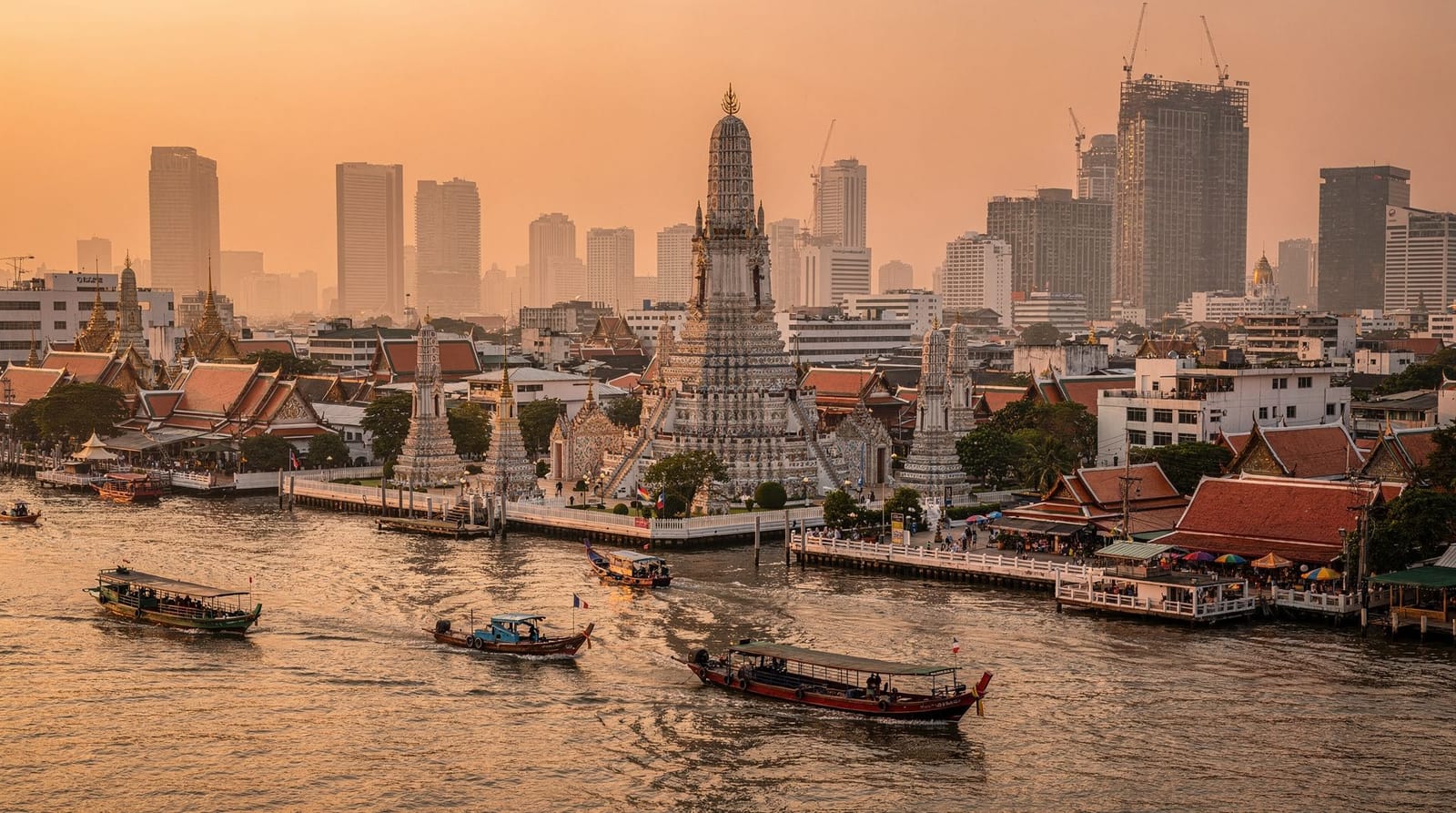
Here is why the rainy season can be the smartest time to come. Hotel rates fall roughly 30 to 50 percent below the December peak, and the wettest months, September and October, are the cheapest of the year. Flights soften, and the city’s headline sights, packed shoulder-to-shoulder in high season, become genuinely pleasant. You can wander Wat Arun without crowds, walk into restaurants that are booked solid in December, and enjoy rooftop bars on the clear evenings after the rain. For travellers watching their budget, this is the window that the Bangkok on a budget and Bangkok travel costs guides both point to as the best value, and you can still keep an eye on the tourist traps you would dodge in any season.
Tours and day trips in the rain
Rain rarely cancels a tour outright, but it does shape your choices. Outdoor trips like the Damnoen Saduak floating market and Ayutthaya run in the rain, just wetter, so pack accordingly and check the operator’s weather policy. River cruises and indoor activities are barely affected, which makes them ideal rainy-season anchors. An evening dinner cruise on the Chao Phraya is a particularly reliable wet-weather plan, keeping you covered while the river is at its atmospheric best:
A Chao Phraya dinner cruise is one of the most dependable rainy-season evenings out, since you stay under cover and it is cheaper and easier to book than at peak season.
For more wet-friendly ideas, the day trips from Bangkok guide flags which excursions hold up best when the forecast is uncertain.
What to pack and the water rule
Packing for the rainy season is straightforward: a compact umbrella or light, packable rain jacket, quick-drying footwear and clothes, and a dry bag or waterproof pouch for your phone. Because the air stays hot and humid, you still want loose, breathable fabrics, not waterproofs that trap heat. A spare pair of shoes and socks back at the hotel means a single soaking does not ruin your evening. The full list is in the what to pack for Bangkok guide. And whatever the season, remember the tap water is not drinkable, so keep buying bottled water, the rain overhead has no bearing on what comes out of the tap.
Month-by-month within the rainy season
The monsoon is not uniform, and the differences matter if you can pick your weeks. June and July are the gentlest, warm, humid and reliably wet in the afternoons but rarely overwhelming, with the season’s discounts already kicking in. August steps up the frequency of rain without yet reaching the peak. September is the wettest month of the year and October close behind, when the downpours are heaviest, the chance of flooding is highest, and prices bottom out, the trade-off at its sharpest. By late October the rains start to ease, and early November typically breaks into the cool season. So if you want the rainy season’s value with the least disruption, target June and July; if rock-bottom prices and empty sights matter most and you can roll with the weather, September and October deliver them. The Bangkok weather month-by-month guide details each one.
Where to base yourself
Your choice of neighbourhood can soften the monsoon. Areas well served by the elevated BTS and underground MRT let you move around dry and above the traffic, which is a real advantage when streets flood, so Sukhumvit around Nana and Asok and Siam and Ratchaprasong are practical bases with malls, restaurants and transit all close at hand. The riverside is atmospheric and the boats keep running through the rain, but some riverside lanes are more flood-prone, so check your specific hotel’s location. Wherever you stay, avoid ground-floor rooms in notoriously low areas and favour a spot within a short, coverable walk of a station. The where to stay in Bangkok guide breaks the neighbourhoods down in full.
Health and comfort in the wet
Beyond the obvious umbrella, a few things keep a rainy-season trip pleasant. Mosquitoes are more active in the wet months, so pack repellent, particularly for evenings and around parks and canals. Floodwater on the streets can be dirty, so avoid wading through it where you can, and wash and dry your feet afterwards if you do. Keep electronics in a waterproof pouch or dry bag, since a sudden downpour can soak a day bag in seconds. The humidity also means clothes and shoes dry slowly, so quick-drying fabrics and a spare pair of shoes earn their place. And the year-round rule still applies: the tap water is not drinkable, rain or shine, so keep bottled water on hand. The what to pack for Bangkok guide has the complete monsoon kit list.
Is the rainy season worth it? The honest verdict
For most travellers, yes. If you can accept an afternoon umbrella, the occasional flooded street and a slightly higher chance of a washed-out day, the rainy season rewards you with the lowest prices, the thinnest crowds and a city that feels less like a tourist crush. The exceptions are travellers on a single tight day or two who cannot risk any disruption, or those whose whole trip hinges on a specific outdoor event. If your dates are flexible and you want maximum value, the monsoon is a genuinely good call. To weigh it fully against the cool and hot seasons, finish with the best time to visit Bangkok guide, and check the Bangkok festivals calendar in case a rainy-season celebration like the October Vegetarian Festival in Chinatown lines up with your trip.
Indoor anchors for the downpour window
The whole rainy-season strategy rests on having something good to do when the afternoon rain arrives, so it pays to know your options. Bangkok is exceptionally well equipped for this, with some of the largest and most enjoyable shopping and dining complexes in Asia clustered in Siam and Ratchaprasong, all linked by covered skywalks so you barely touch the rain. Beyond the malls, a traditional Thai massage, a cooking class, a museum, or a long lunch in Chinatown around Yaowarat all make satisfying use of a wet hour or two. The Bangkok in the rain guide is the dedicated list, and for families the Bangkok rainy day with kids guide is built around exactly this need. Slotting one of these into your late afternoon turns the downpour from a disruption into a planned, pleasant break rather than a scramble for cover.
Photography and atmosphere in the wet
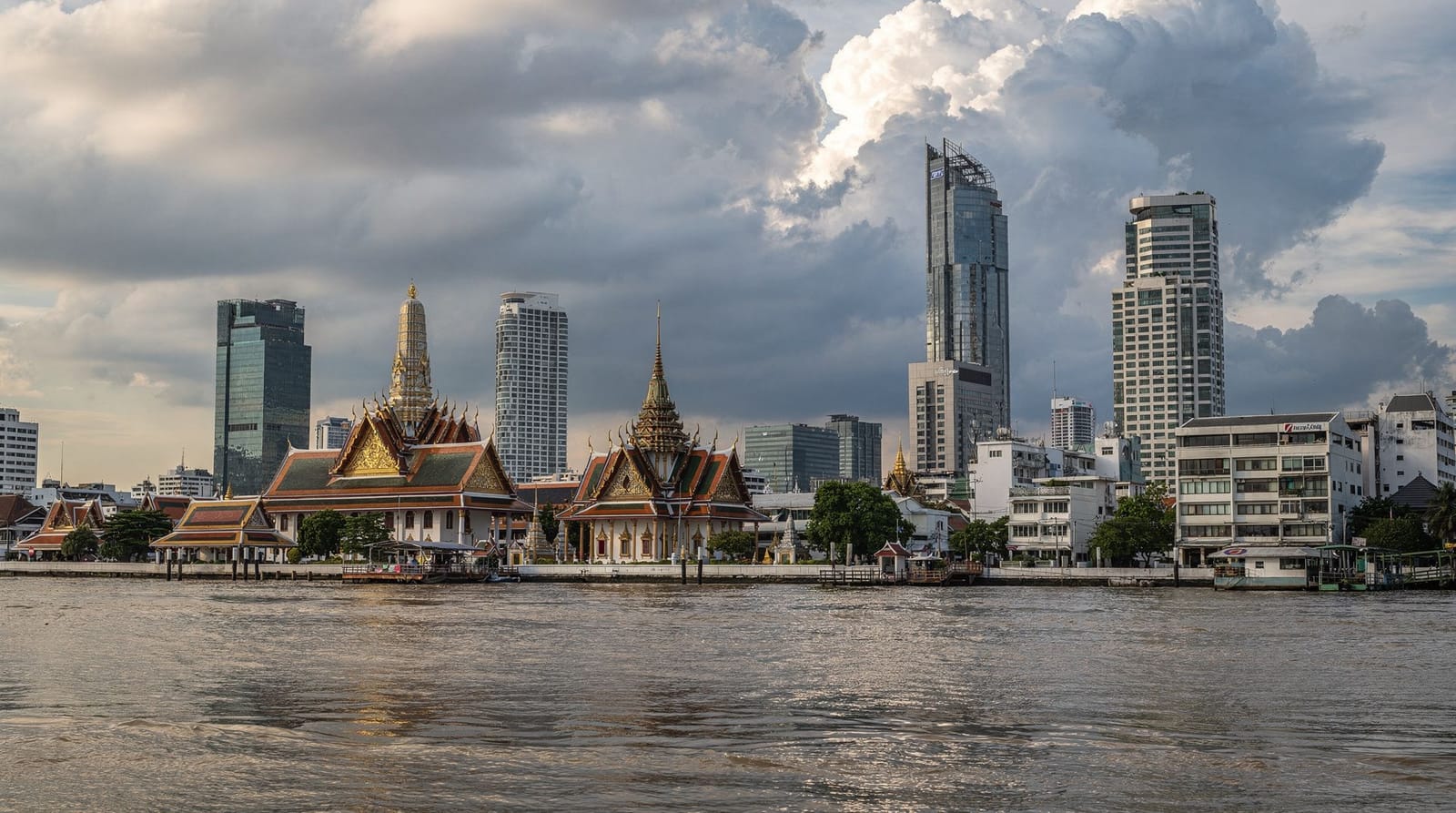
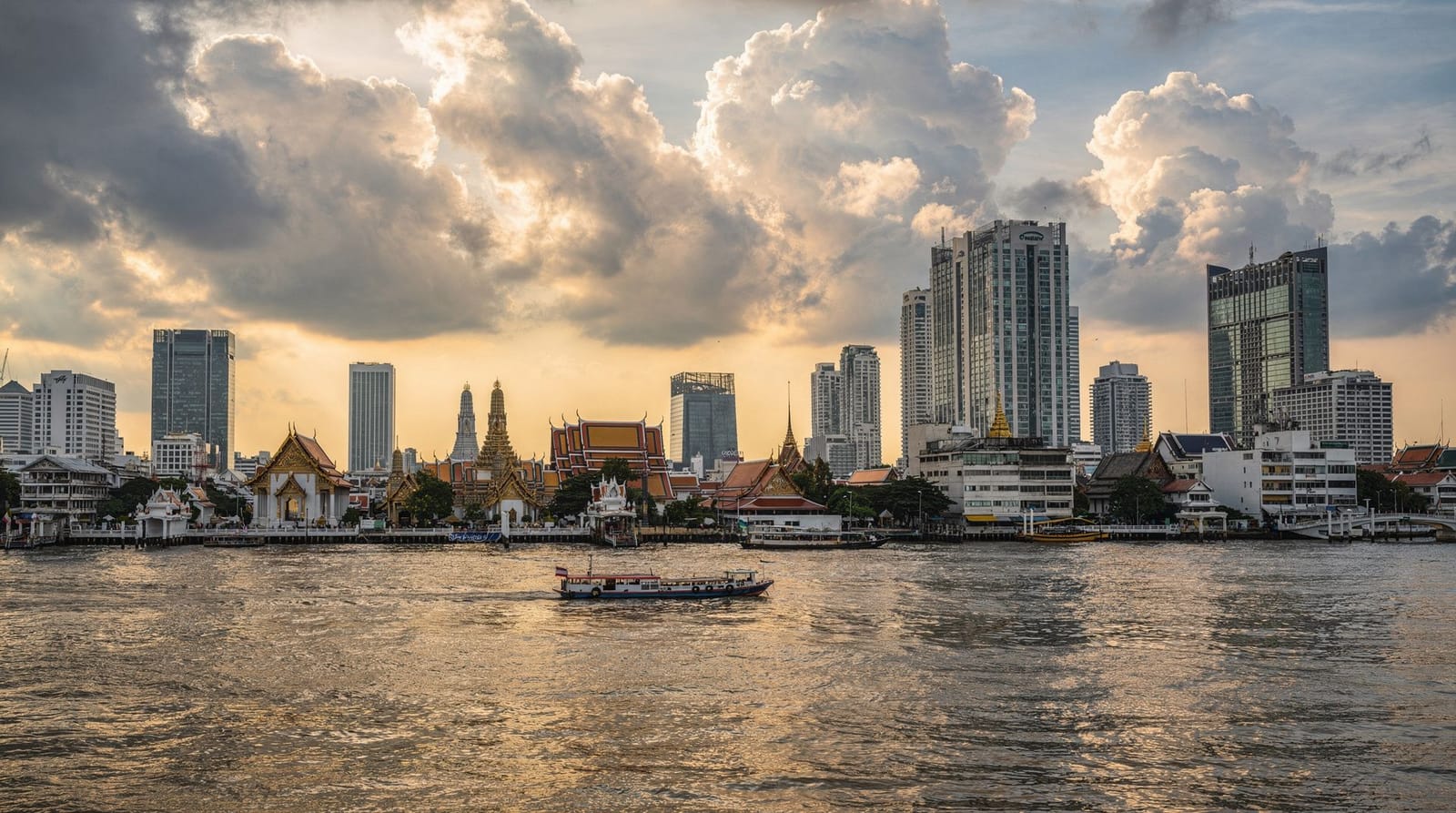
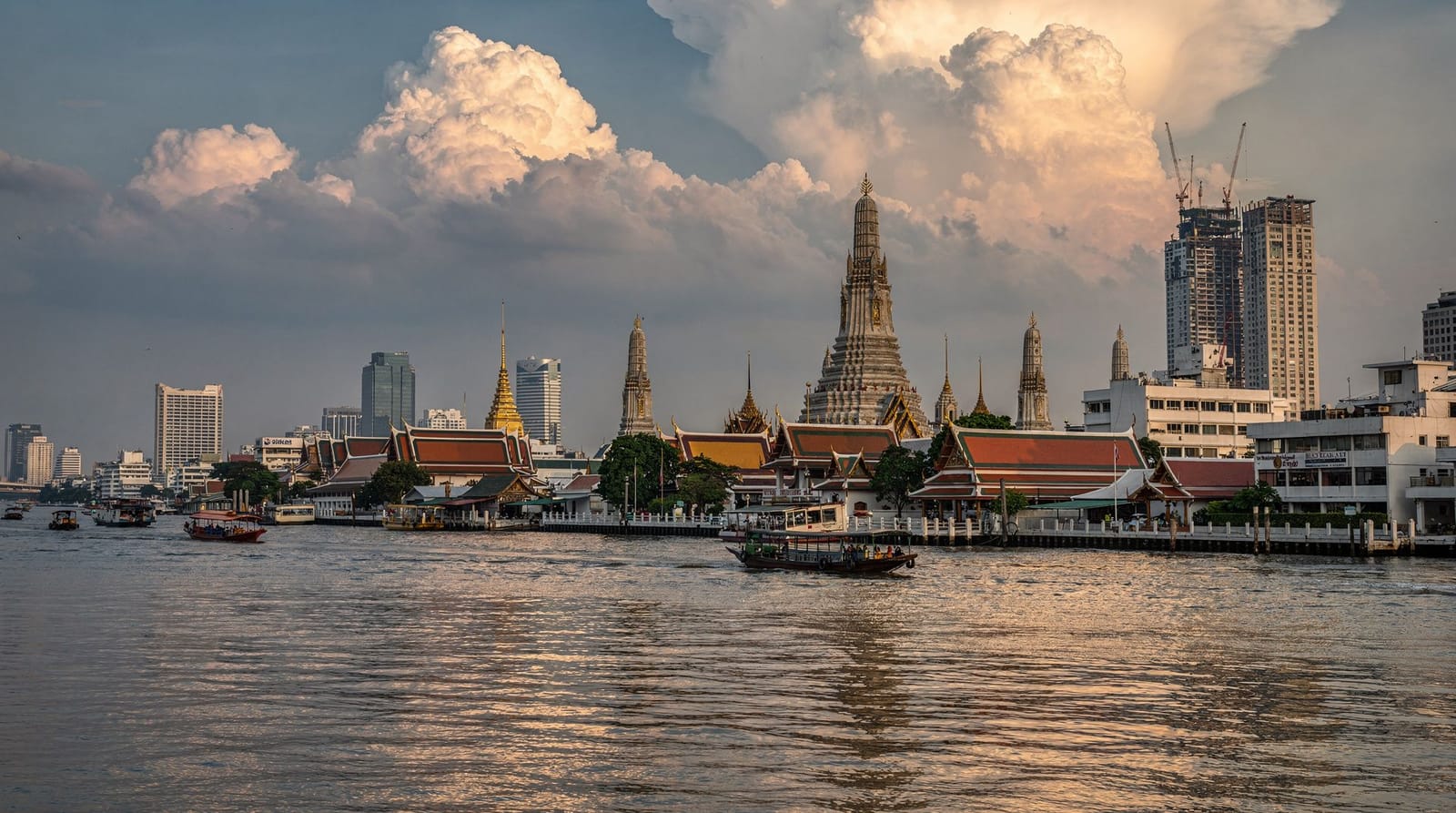
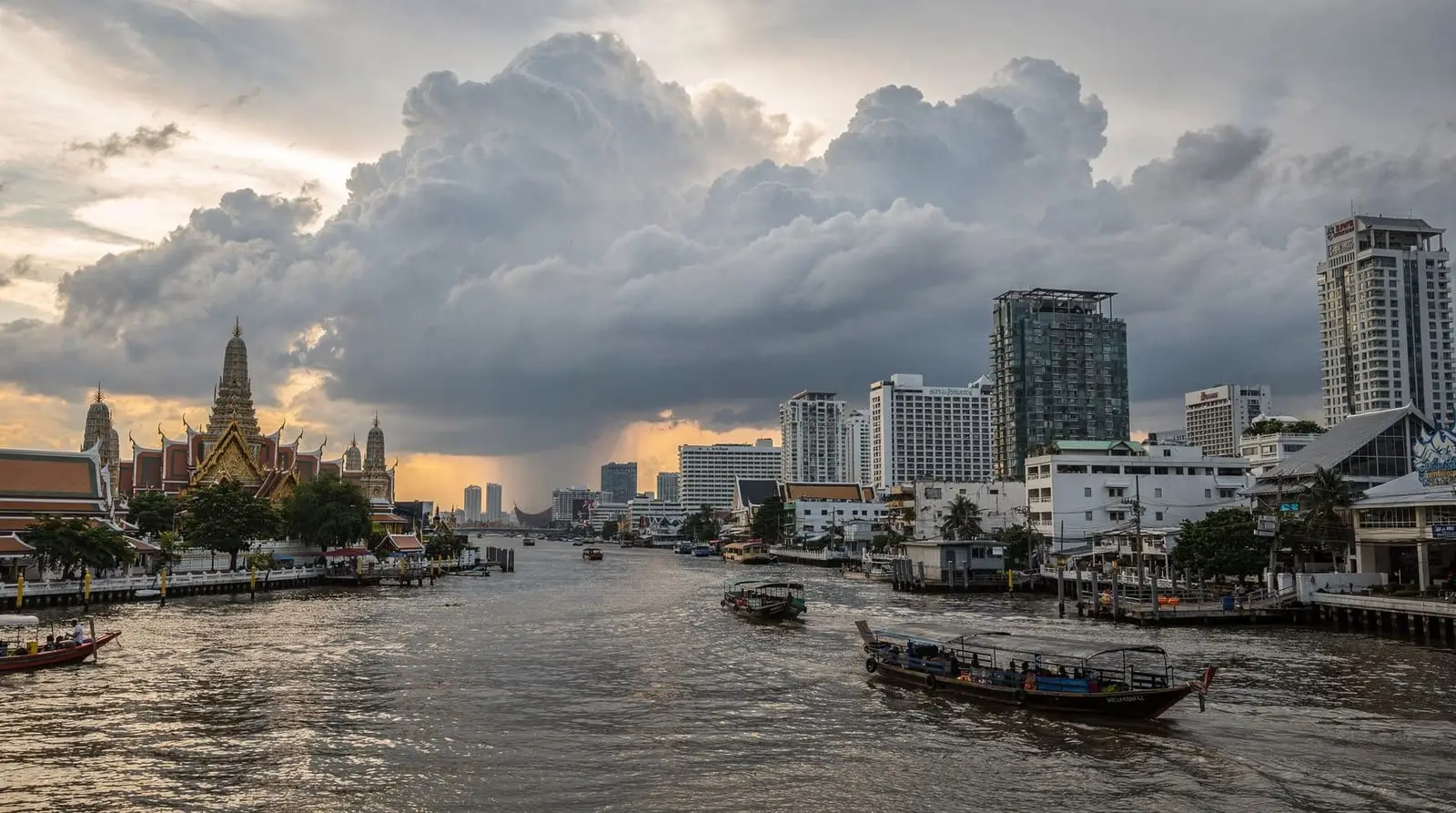
There is an upside to the monsoon that rarely gets mentioned: it can be the most photogenic time to see Bangkok. The dramatic skies before a downpour, the way the temples and the river look under brooding clouds, the steam rising off the streets afterwards and the reflections in wet pavements all give the city a moodier, more cinematic character than the flat haze of the dry season. Rooftop bars are gambles in the rain but spectacular on the clear evenings that follow a storm, when the washed air gives the sharpest city views of the year. If you enjoy photography or simply atmosphere, the rainy season rewards patience: wait out the downpour with a coffee, then step into a city that feels freshly rinsed, golden in the late light, and far emptier of crowds than it ever is in December.
Frequently asked questions about Rainy season in Bangkok
What months are the rainy season in Bangkok?
Does it rain all day during Bangkok's rainy season?
Is Bangkok cheaper in the rainy season?
Does Bangkok flood in the rainy season?
How should I plan a day in the rainy season?
What should I pack for Bangkok in the rainy season?
Are tours and day trips cancelled when it rains?
Top experiences
Bookable activities with verified prices and instant confirmation on GetYourGuide.