Bangkok with elderly travellers: an accessible, gentle guide
Bangkok and Nearby Private Car & Driver
Is Bangkok suitable for elderly travellers?
Yes, with a gentle plan. The heat, crowds and uneven pavements are the main challenges, so the keys are pacing the day around the cooler morning and evening, using comfortable transport like private cars and river boats rather than crowded trains and tuk-tuks, choosing step-free or wheelchair-friendly sights, and basing yourself near the river or a quiet, well-connected area. With the right rhythm, Bangkok is very rewarding for older visitors.
Bangkok rewards older travellers richly — its temples, river, food and gentle riverside hotels are among the most memorable in Asia — but it asks for a gentler rhythm than a backpacker’s dash. The heat, the crowds and the uneven pavements are real challenges that the right plan turns into non-issues. This guide shows how to visit Bangkok comfortably with elderly parents or grandparents: pacing the day, getting around without stress, choosing manageable sights, and basing yourself somewhere calm and well-connected.
It pairs with the plan a trip to Bangkok guide and the getting around Bangkok guide.
| Best transport | Private car with driver, river boats |
| Pace | One main activity per day |
| Best season | November–February (cool, dry) |
| Best base | Riverside |
| Avoid | Tuk-tuks, midday sun, packed schedules |
The golden rule: a gentle rhythm
The single most important adjustment is pace. With older travellers, plan one main activity per day, scheduled for the cooler morning or late afternoon, with a long air-conditioned rest through the hot midday back at the hotel, in a mall or over a leisurely lunch. Resist the urge to pack the schedule — a relaxed day with one temple and a river cruise beats three rushed sights and an exhausted evening.
This rhythm also sidesteps the city’s biggest risk for older visitors: heat exhaustion. Hydrate constantly, seek shade and seating, and treat the midday rest as non-negotiable.
Choose the right season
Season matters more for older travellers than for anyone else. Avoid the hot season (March–May) if you possibly can — the 35–40°C heat is punishing. The cool, dry season (November–February) is far gentler, with comfortable mornings and evenings. The rainy season (June–October) is cooler and quieter but brings sudden downpours that complicate walking. The best time to visit Bangkok guide covers the trade-offs; for older companions, the cool season is strongly preferable.
Arriving comfortably: airport to hotel
The first hour in Bangkok sets the tone for the whole trip, and it’s the hour where elderly travellers most feel jet lag, heat and unfamiliar surroundings all at once. Both Suvarnabhumi and Don Mueang have public taxi ranks in arrivals, but that means queueing, carrying bags to a taxi stand and negotiating a fare in a second language — exactly the kind of friction worth avoiding after a long flight. Pre-booking the same private car with a driver covered below for day trips extends the same comfort to this first leg too: a driver meets you inside arrivals with a name board, carries the luggage and drives straight to the hotel, air-conditioned and unhurried, with nothing to queue for or negotiate. The Suvarnabhumi airport guide and Don Mueang airport guide cover both terminals’ transport options in detail for anyone sorting it out after landing instead. It’s also worth arranging a Thai SIM or eSIM before flying — see the Bangkok SIM and eSIM guide — so a driver, hotel or family member back home can be reached the moment you land.
Getting around comfortably
Skip the crowded, stair-heavy options and favour comfort:
- A private car with a driver is the gentlest way to get around — door-to-door, air-conditioned, at your own pace, with no walking to stations or fighting crowds. Hiring a private car and driver in Bangkok and nearby removes most mobility stress and makes day trips far easier too.
- Grab is the next best thing for individual trips — fixed fares, door-to-door, no haggling. See the Grab guide.
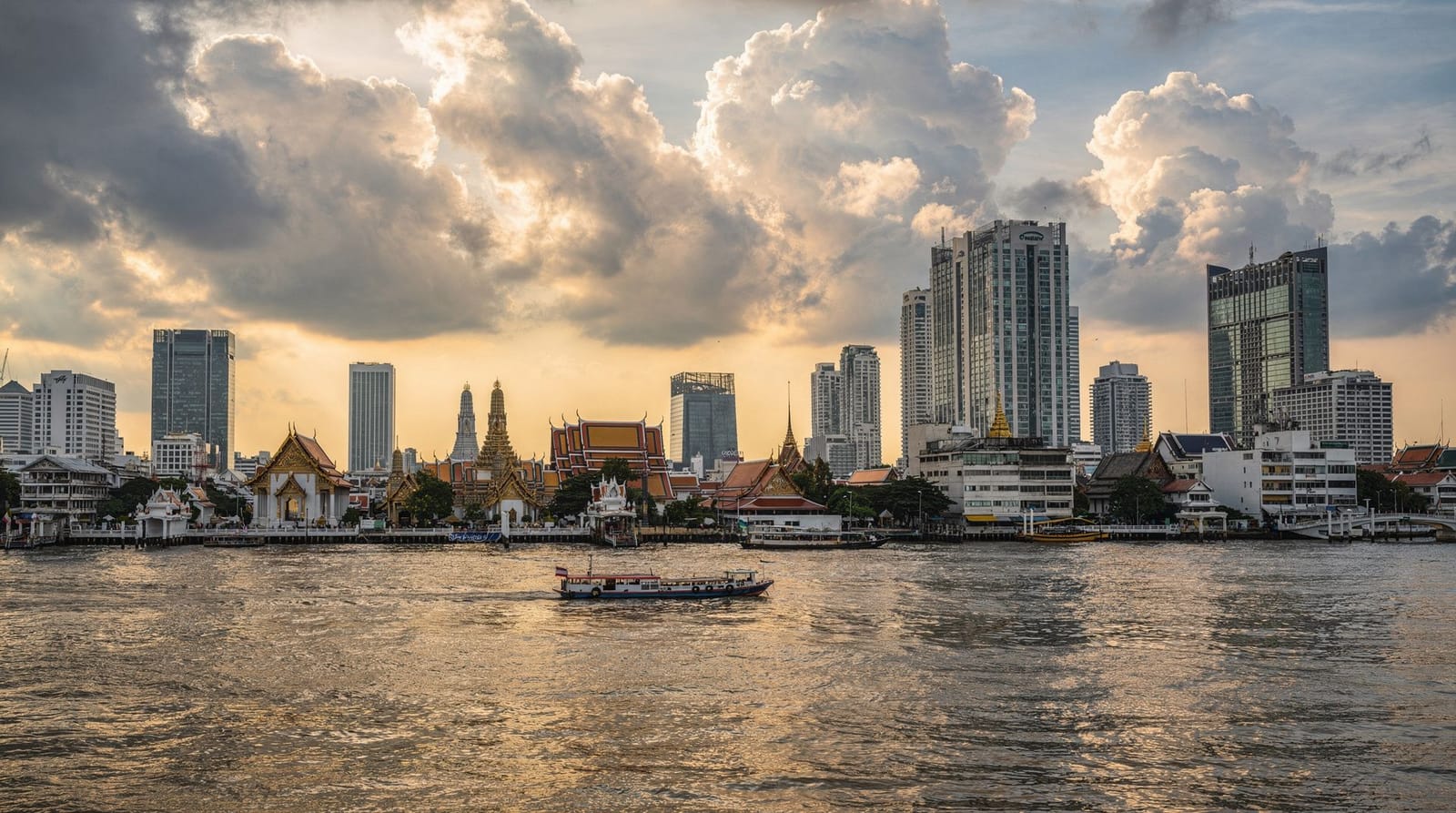
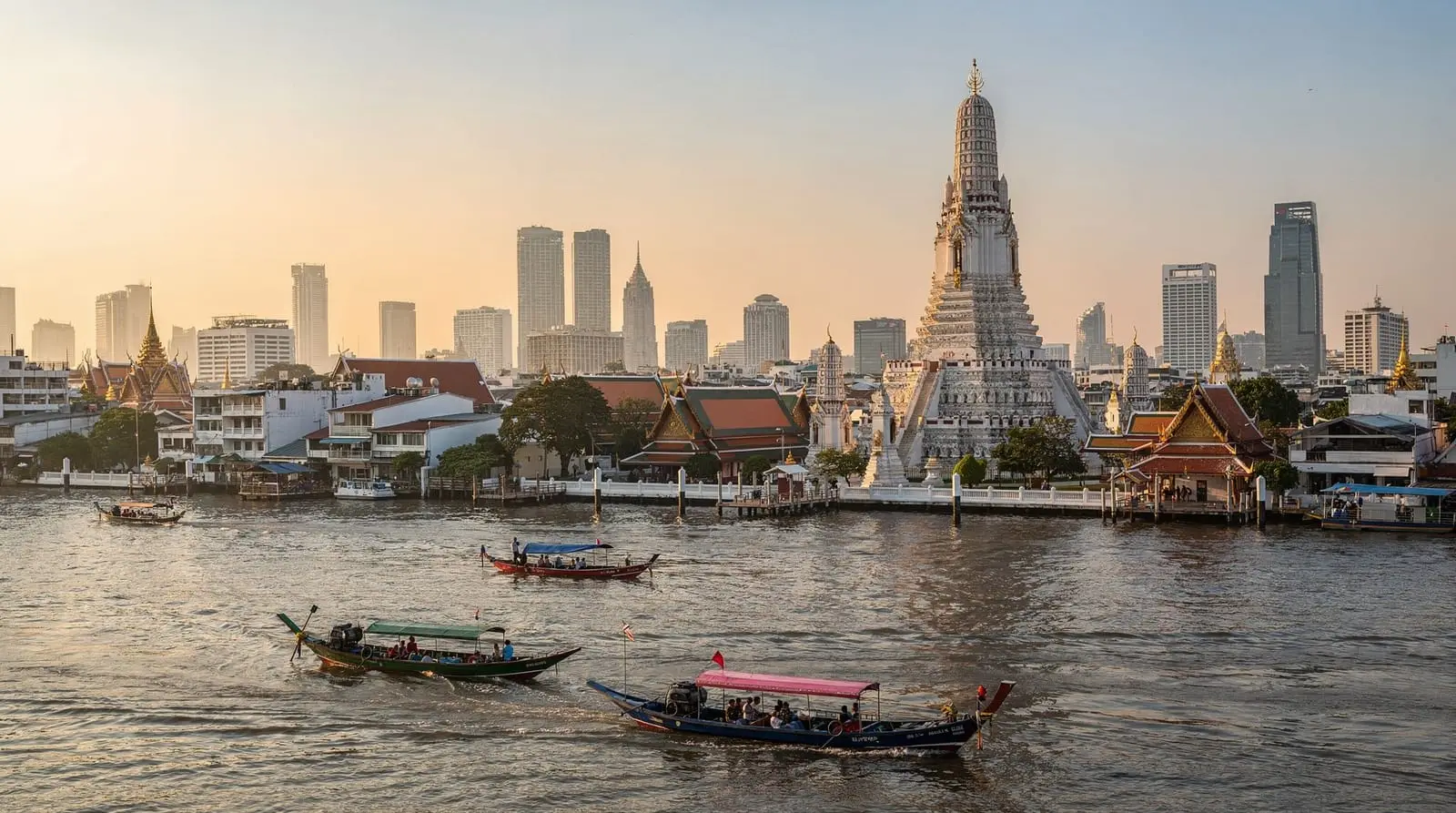
- Chao Phraya river boats are a wonderful, relaxed and scenic way to reach the Old City temples — particularly the seated tourist boat. Board carefully, as the boats can bump the pier.
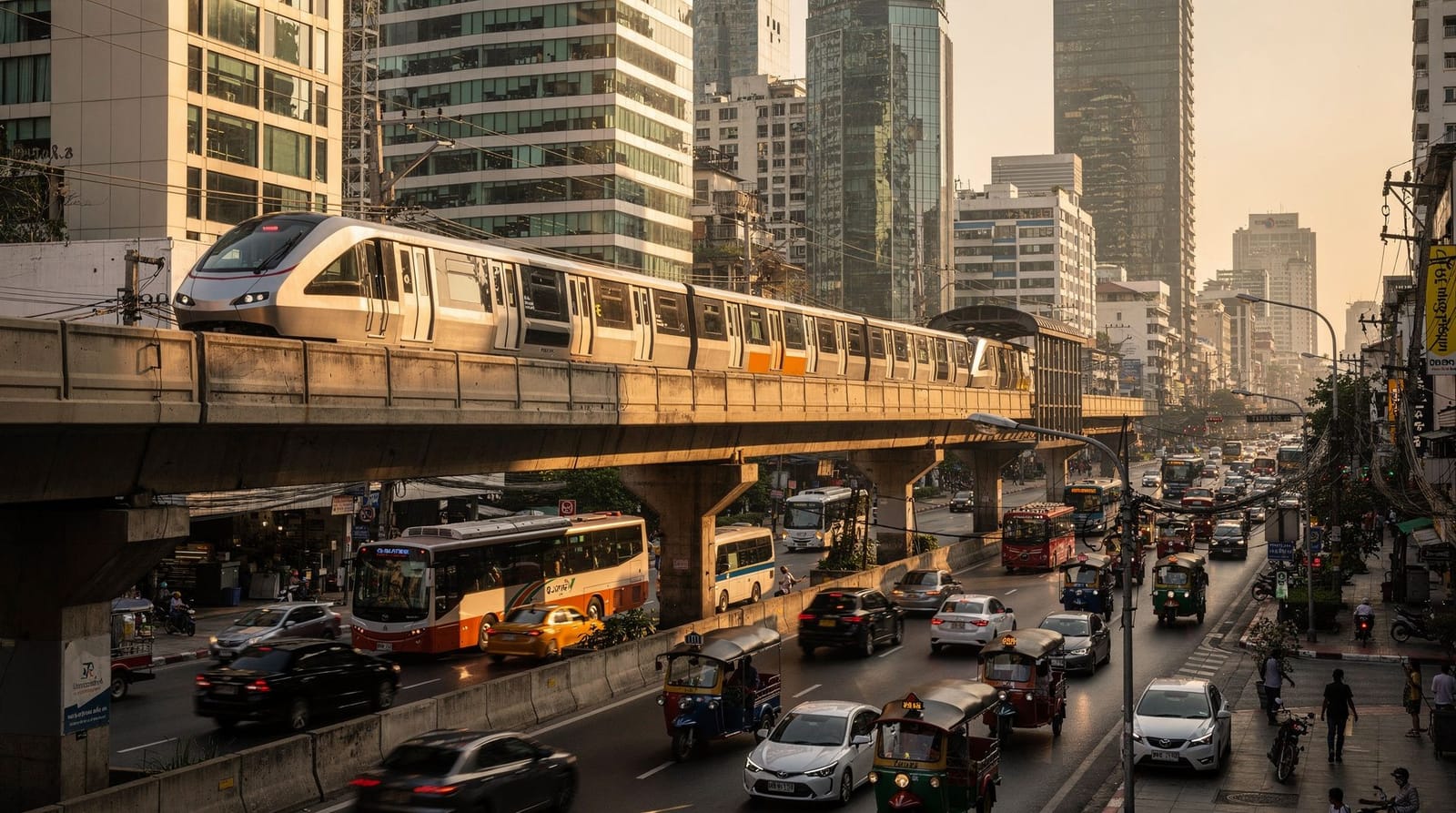
- The BTS and MRT are usable but involve stairs, escalators, crowds and lifts that aren’t at every entrance — fine for active seniors off-peak, harder with limited mobility.
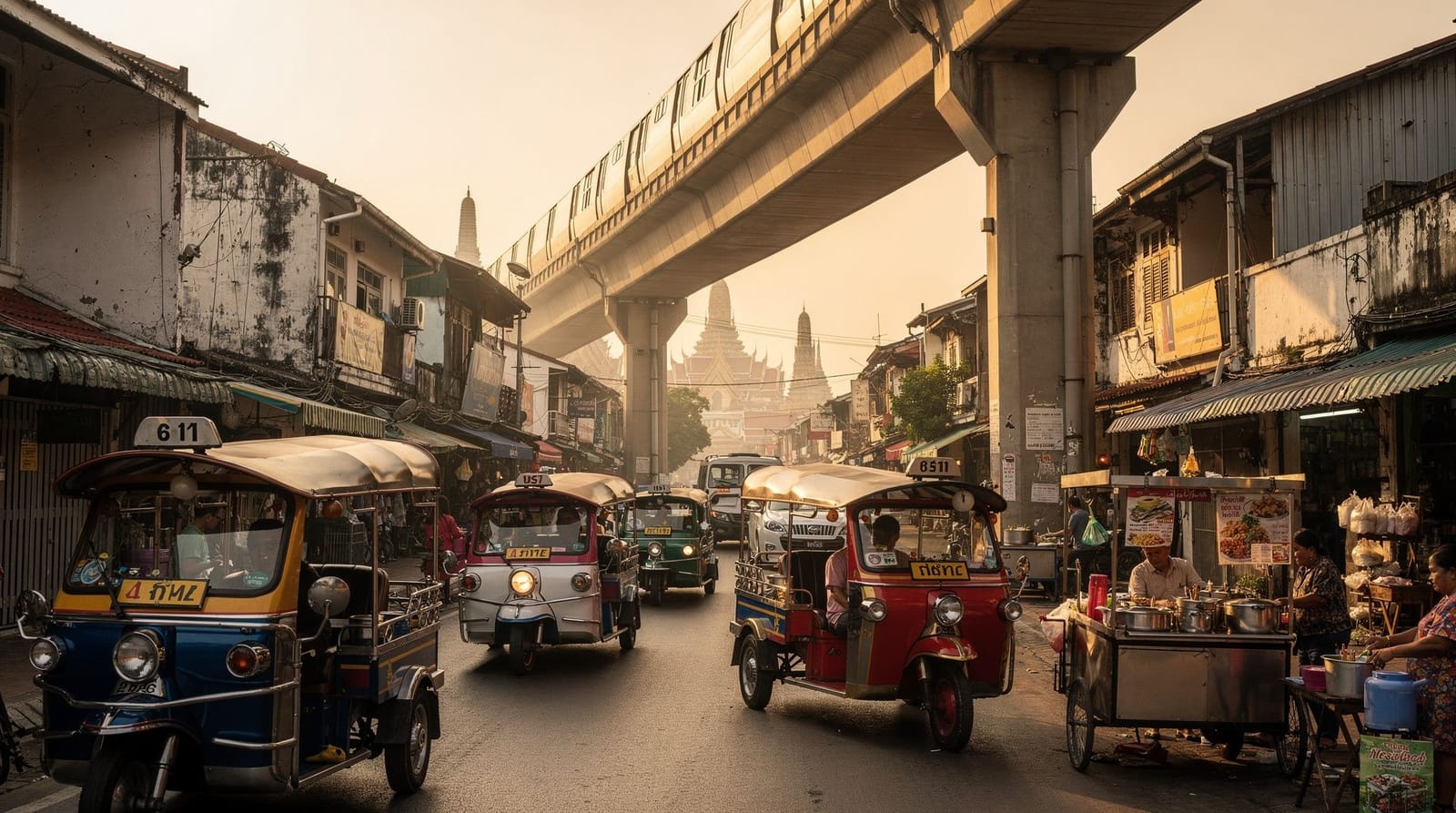
- Avoid tuk-tuks — bumpy, exposed and hard to climb in and out of.
For a quick side-by-side:
| Option | Comfort for elderly | Walking required | Approx. cost | Best for |
|---|---|---|---|---|
| Private car with driver | High | None — door to door | Around 1,000–1,800 THB for a half day | Day trips, multiple stops, airport transfers |
| Grab | High | Minimal | Low, fixed fare shown upfront | Single point-to-point trips |
| River boat (tourist boat) | Medium–high | Some — pier steps and boarding | Around 30–60 THB per hop | Old City temples along the river |
| BTS/MRT | Medium | Moderate — stairs, platforms, walking to entrances | Around 20–60 THB per trip | Active seniors, off-peak travel |
| Tuk-tuk | Low | Some balance and a high step up | Negotiated, no meter | Best avoided for this trip |
Manageable sights
Choose flatter, less crowded, more comfortable experiences:
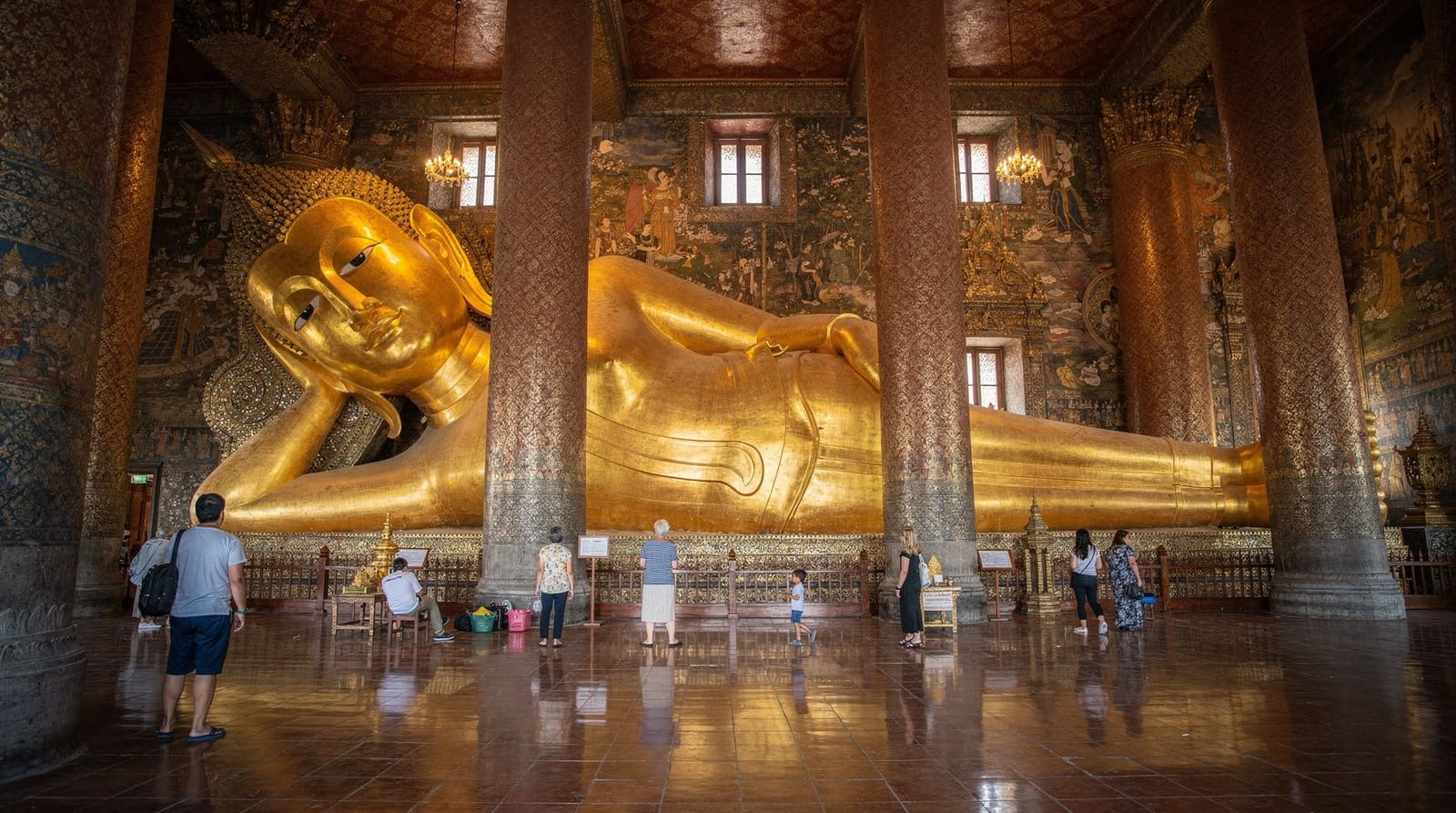
- Wat Pho — relatively flat and manageable, with the magnificent reclining Buddha; also the home of traditional Thai massage, gentle on tired bodies.
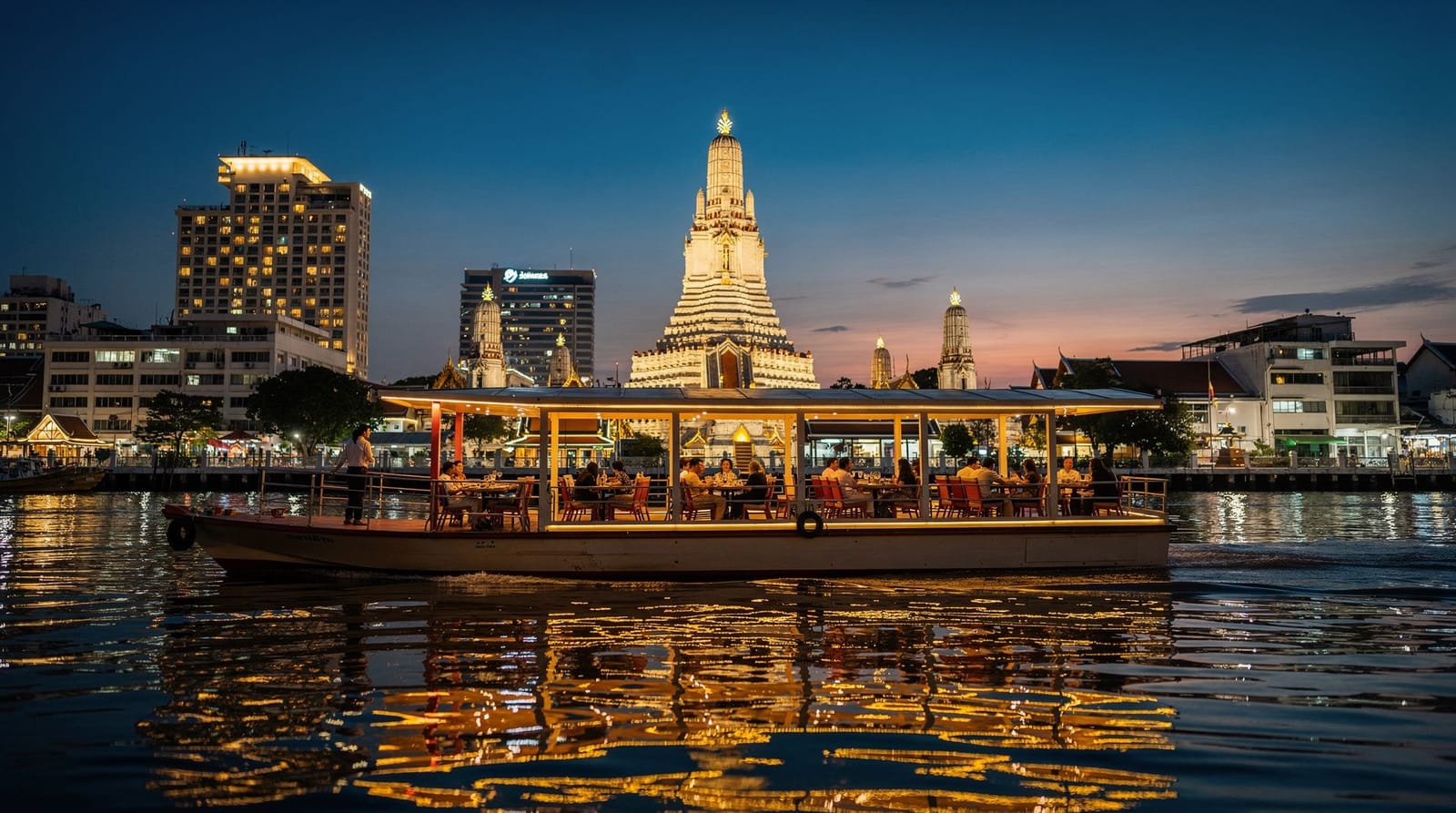
- A river cruise — comfortable, seated and scenic; one of the easiest and most memorable experiences. A Chao Phraya dinner cruise with hotel transfer includes the pickup, so there’s no transport to arrange.
- The riverside, malls and some markets — easy walking with frequent rest spots and air-conditioning.
- The Grand Palace — spectacular but involves lots of walking and crowds; go early, slowly, and with a car waiting. A guided visit helps. A half-day guided city and temples tour provides a guide and a manageable pace.
Avoid sights dominated by steep steps where mobility is limited, and always have a comfortable place to sit and cool down nearby.
Skip the queues wherever you can
Standing in a queue in the heat is often more tiring for older travellers than the walking itself, and Bangkok’s big sights can mean 30–45 minutes standing in full sun before you even reach the entrance. Where a skip-the-line or timed-entry ticket exists, the small extra cost is worth it. The Grand Palace skip-the-line guide explains the fastest way in, and pairs well with the early-morning, unhurried visit already recommended above — arriving at opening time avoids both the crowds and the worst of the heat, which matters more here than at almost any other sight in the city.
Where to stay
A calm, comfortable, well-located base that allows midday rest matters more than being in the thick of things:
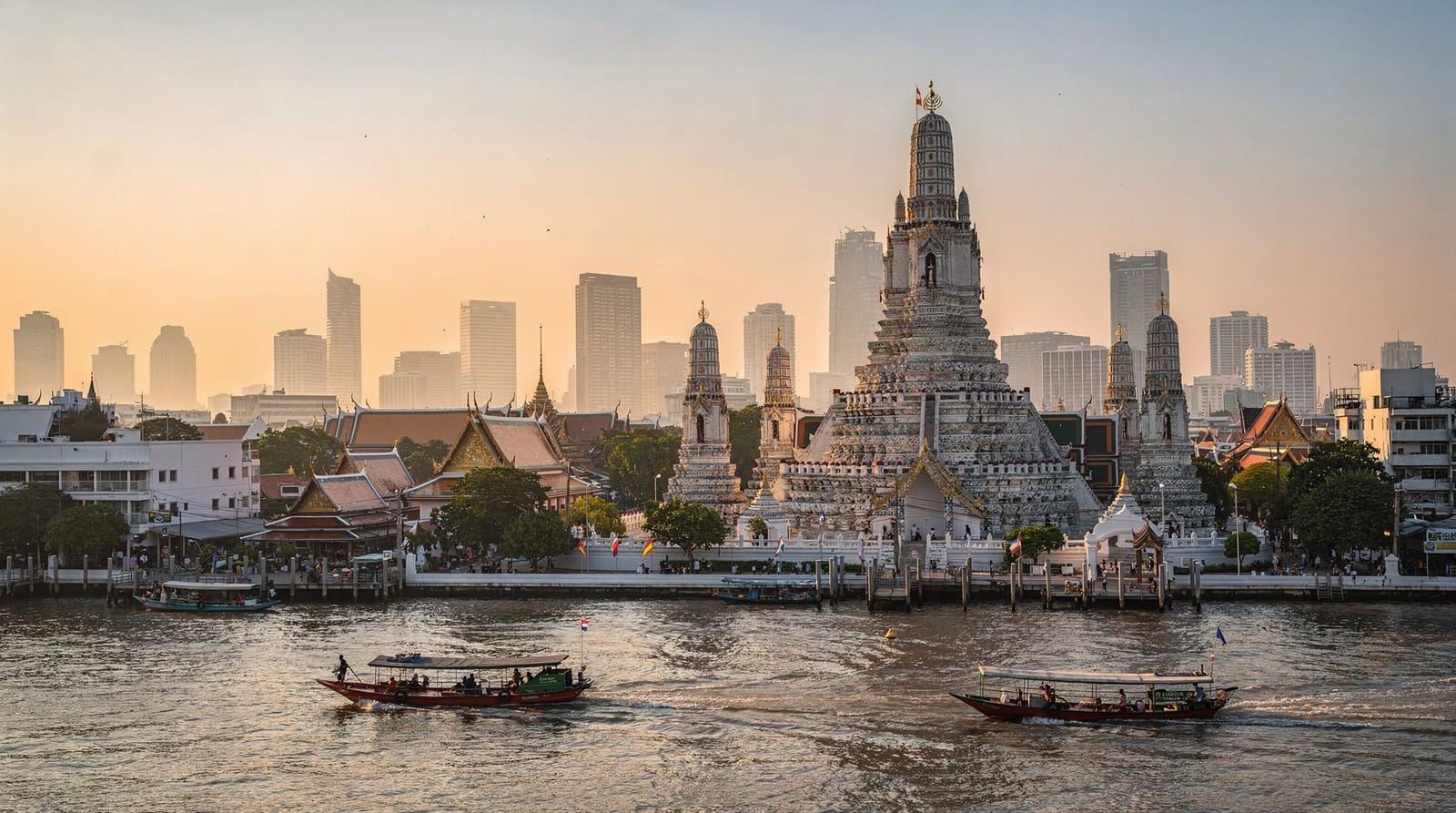
- Riverside — the ideal base: scenic, comfortable hotels, easy boat access to the temples, and a calmer atmosphere away from the chaos.
- Sukhumvit or Silom/Sathorn — good hotels near the BTS with lifts and amenities.
Choose a hotel with lifts, accessible rooms if needed, and proximity to a river pier or BTS station to minimise walking. The where to stay guide compares the areas; for older travellers, the riverside usually wins.
Rest stops, toilets and pacing the day
Comfortable, shaded seating matters more with older companions than the sights themselves. Lumphini Park is one of the easiest green spaces to build a rest break around — flat paths, benches, shade and clean public toilets, all an easy taxi ride from most central hotels. More broadly, the Bangkok parks guide rounds up other calm, flat green spaces that work well as a midday pause between sights. Malls are the other reliable option: clean, accessible toilets, plentiful seating and air-conditioning make them a natural stop even if nobody plans to shop. Build a rest stop into the plan every 60–90 minutes rather than waiting until someone is visibly tired — with older travellers, prevention works far better than recovery.
Which day trips suit elderly travellers
Not every popular day trip from Bangkok suits an older, less mobile companion equally well. Ayutthaya works reasonably well with a private car, since the temple ruins are spread out but mostly flat and a driver can move you between sites without much walking in between. Kanchanaburi is a longer day with more walking at the war cemeteries and railway sites, so it suits an energetic senior more than a frailer one — consider a private car with generous rest stops rather than a fixed-schedule group tour. Floating markets and Khao Yai involve more walking, uneven ground or long transfers, and are generally the hardest of the popular day trips to adapt for limited mobility; if in doubt, a shorter, closer outing beats a long, ambitious one.
Health and accessibility notes
- Medication and insurance: bring ample personal medication with prescriptions, and robust travel insurance with high medical cover. Bangkok has excellent private hospitals (Bumrungrad, Bangkok Hospital), but bills are paid upfront.
- Heat and water: hydrate, avoid the midday sun, and don’t drink the tap water.
- Mosquitoes: use repellent, as dengue is present.
- Accessibility: it’s partial — modern malls, newer hotels, some stations and piers have lifts and ramps, but pavements are uneven and many older sites have steps. Wheelchair users can visit with careful planning, favouring private accessible transport and step-free sights.
- Pre-trip: consult a doctor about fitness to travel and any vaccinations.
With a gentle rhythm, the right season, comfortable transport and a calm riverside base, Bangkok becomes a deeply rewarding destination for older travellers — the temples, the river and the food make for memories that more than justify the careful planning.
Frequently asked questions about Bangkok with elderly travellers: an accessible, gentle
How do elderly travellers get around Bangkok comfortably?
How do I handle Bangkok's heat with elderly travellers?
Which Bangkok sights are easiest for elderly visitors?
Where should elderly travellers stay in Bangkok?
Is Bangkok wheelchair accessible?
Should I hire a private car and guide for elderly travellers in Bangkok?
What health precautions matter for elderly travellers in Bangkok?
Top experiences
Bookable activities with verified prices and instant confirmation on GetYourGuide.