Ari
Ari is Bangkok's leafy hipster neighbourhood — independent cafes, hidden bistros and genuine local food, a short Skytrain ride from the tourist crowds.
Bangkok: Classical Bicycle Tour
Quick facts
- Nearest transit
- BTS Ari (Sukhumvit Line) — sights cluster in the sois west of the station
- Character
- Leafy, residential and hip; cafes, bistros and local eateries with little tourism
- Key food
- Specialty cafes, hidden bistros, and excellent old-school Thai street food
- Key sight
- The cafe-and-bistro scene of Soi Ari; the leafy residential lanes themselves
- Best time
- Weekend daytime for brunch and cafes; weekday mornings for calm local life
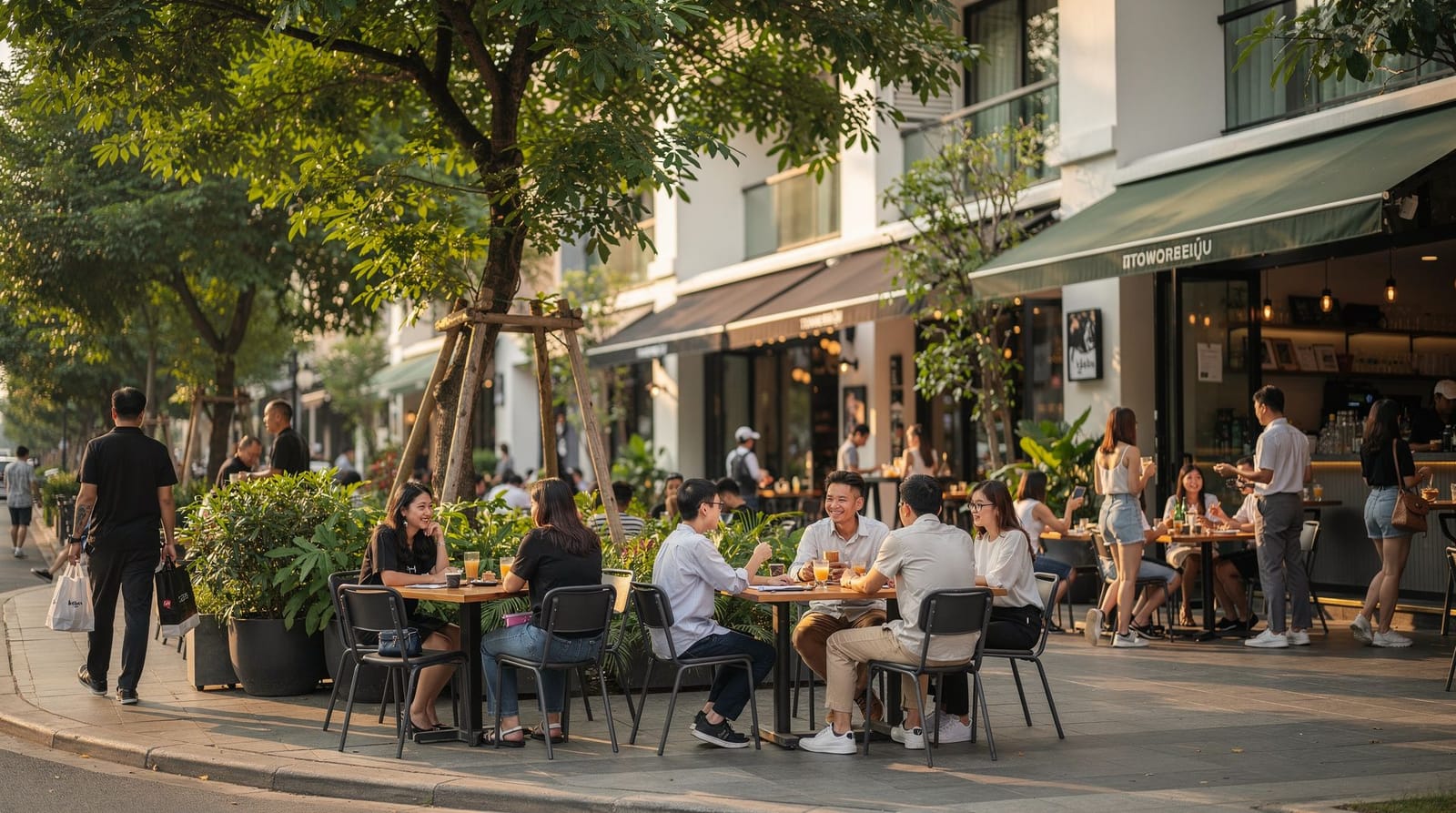
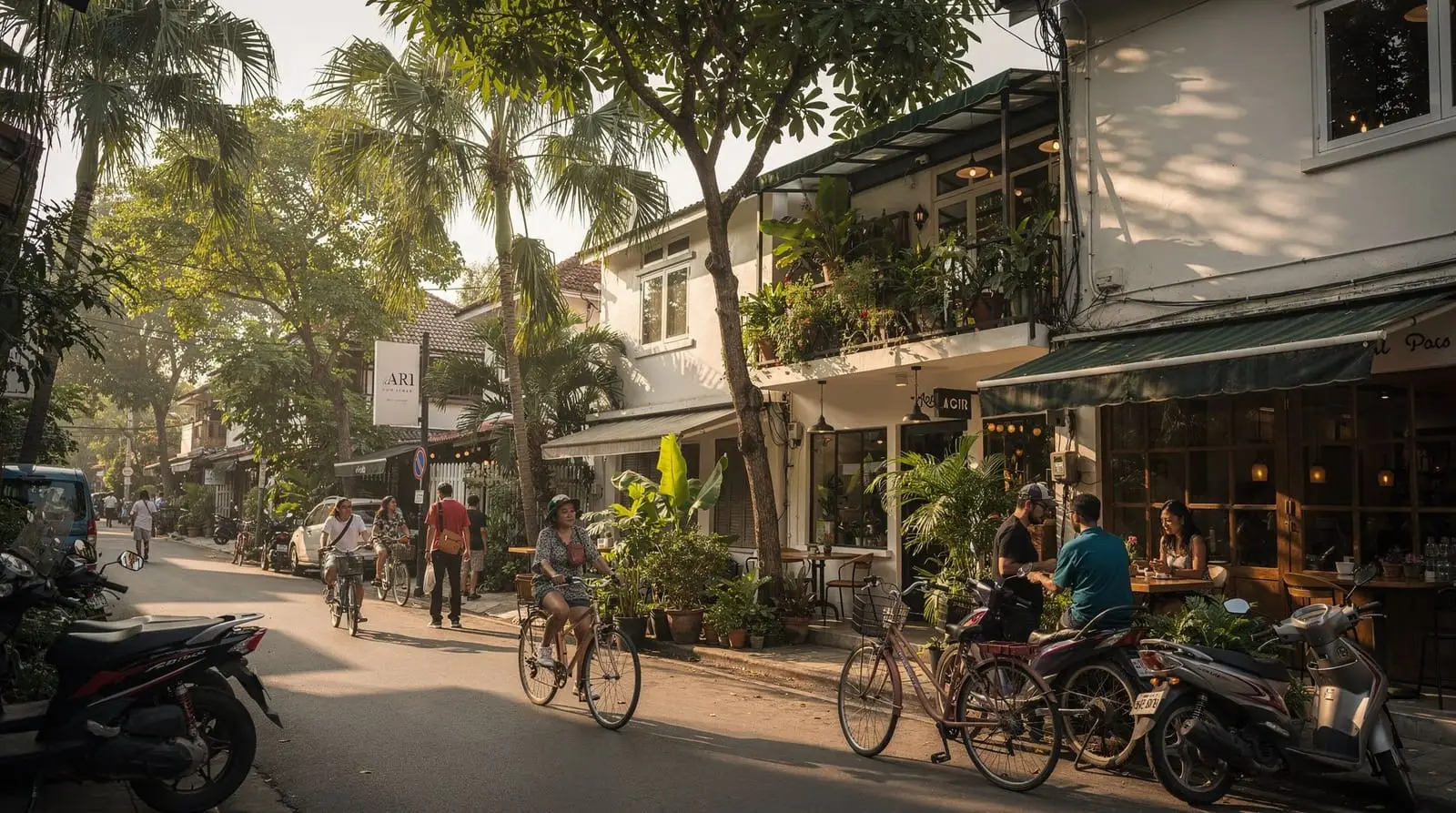
Ari is the Bangkok neighbourhood that locals and long-term expats quietly love and most tourists never reach. A few BTS stops north of the Siam shopping zone on the Sukhumvit Line, it is a leafy, residential pocket of old shophouses and modernist houses where independent cafes, hidden bistros, natural-wine bars and design studios have taken root among genuine local food stalls and family-run eateries. The result is one of the city’s most pleasant places simply to wander, eat and drink coffee — hip without trying too hard, and refreshingly low on tourism. There are no temples or must-see sights here; Ari is a vibe, and a very good one.
| Where | A few BTS stops north of Siam, Sukhumvit Line |
| Character | Leafy, residential, cafes and hidden bistros |
| Best for | Cafe-hopping, brunch, a calm local base |
| Time needed | A half day; longer if you’re basing yourself here |
| Best time | Weekend daytime for brunch; weekday mornings for calm |
What Ari is — and isn’t
Let’s be honest about what you’re coming for: Ari has no monuments, no famous temple, no headline attraction. What it has is atmosphere — tree-lined sois, a slower pace, and an unusually high concentration of excellent cafes and small restaurants tucked into residential lanes. It’s the kind of place where you spend a morning drifting between a specialty-coffee spot, a leafy brunch bistro and a hole-in-the-wall noodle stall, and that’s the whole, very satisfying point. It draws a creative, well-heeled local crowd and a steady community of digital nomads. For the full neighbourhood rundown see the Ari neighbourhood guide and the hidden gems guide.
The cafe and brunch scene
Ari is one of Bangkok’s premier cafe districts. The sois west of the BTS station hide a dense cluster of independent coffee shops — from serious third-wave roasters to garden cafes and design-forward brunch spots. Weekend mornings here are a ritual: brunch, coffee, slow conversation, and cafe-hopping from one beautifully designed space to the next. Many cafes occupy converted houses with garden seating, a rarity in dense Bangkok. It’s a perfect antidote to the heat and crowds of the tourist core. See the neighbourhoods guide for how Ari compares to the city’s other lifestyle districts.
The food — hip bistros meet real street food
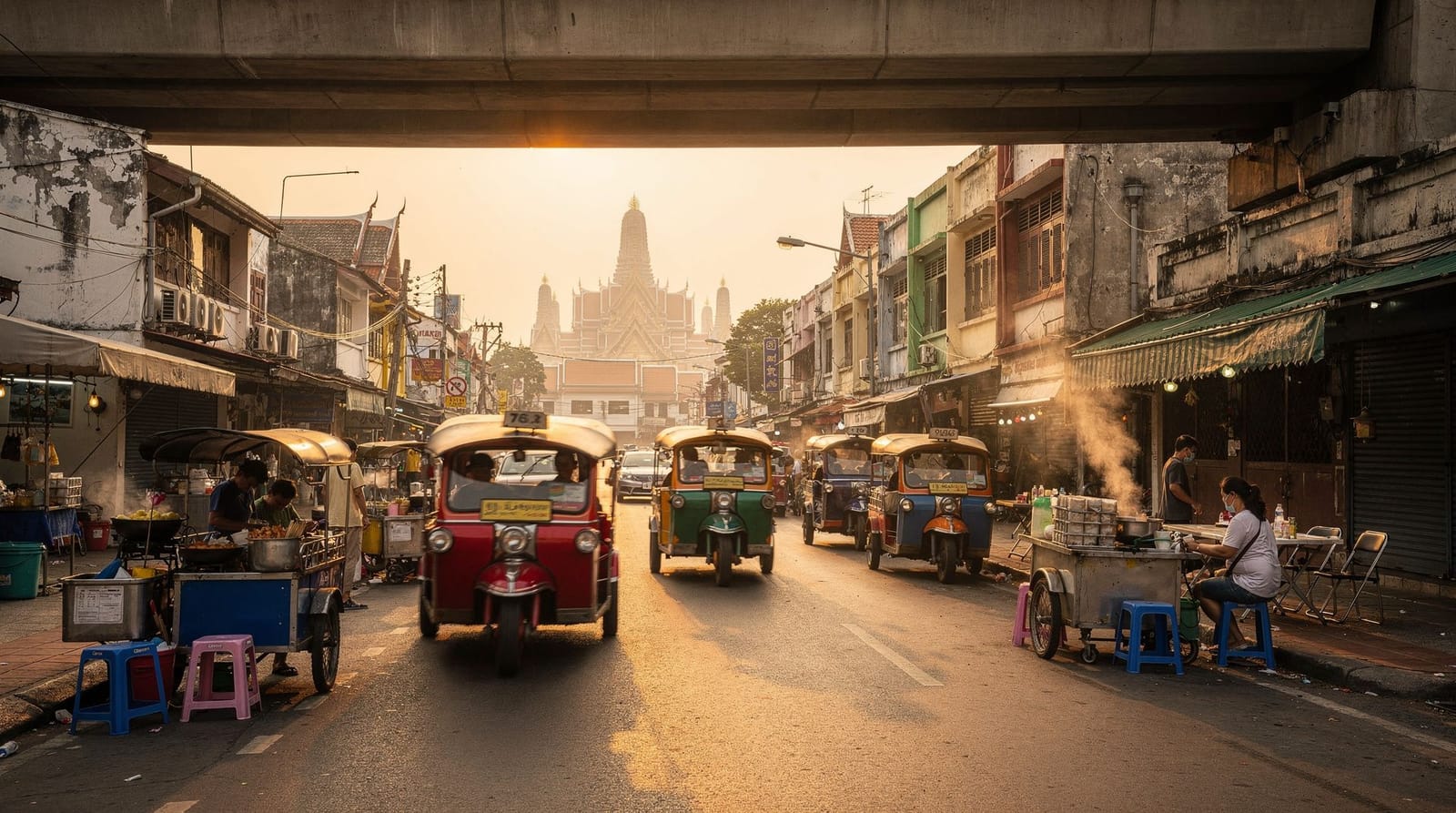
What makes Ari special is the coexistence of the trendy and the traditional. Alongside the natural-wine bars and contemporary bistros, you’ll find some of the best old-school Thai street food in the city — boat noodles, grilled pork and sticky rice, southern curries, and morning markets serving the residential community. This mix means you can have a refined bistro dinner one night and a 50-baht noodle bowl the next, often on the same soi. For street-food orientation see the street food guide and best cheap eats guide. To learn the dishes yourself, a half-day cooking class with a market visit is a great pairing with a food-focused day.
Design, architecture and the studios in between
Look past the cafe fronts and Ari reveals another layer: a scattering of design studios, small galleries and architecture practices that have quietly colonised converted shophouses and old villas alongside the coffee scene. This is part of why the neighbourhood photographs so well — modernist mid-century houses sit beside traditional shophouses, many repurposed rather than demolished, giving Ari a visual texture that’s rare in a city that tends to flatten its older buildings. It rewards slow walking with a camera as much as it does eating; see the Instagram spots in Bangkok guide for how Ari fits alongside the city’s more famous photo locations. For deeper cultural context on how neighbourhoods like this fit the city’s evolving identity, the Bangkok culture guide is a useful companion read.
A realistic half day in Ari
Start mid-morning rather than early — Ari wakes up slowly, and the best cafes hit their stride from about 9am. Pick one specialty coffee spot for a slow first cup, then walk the sois rather than plotting a fixed route; the pleasure is in stumbling onto a garden cafe or a design studio you didn’t know was there. Break for lunch at a local noodle stall or a market you pass — this is where Ari’s traditional side shows itself, often just metres from a natural-wine bar. By early afternoon, either keep drifting or head to the fresh morning markets that serve the residential streets, covered in the wider Bangkok markets guide. Wrap up before the evening, since Ari’s food-and-coffee rhythm is built around daytime, not night.
A pleasant base — and how to explore it
Ari works well for travellers who want a calm, local base with good food and easy BTS access to the rest of the city, rather than the tourist intensity of Sukhumvit’s Nana and Asok. It’s especially popular with longer-stay visitors and digital nomads. Because it’s leafy and relatively quiet, Ari is also lovely to explore slowly — on foot through the residential lanes, or by bike. A gentle classical bicycle tour or the city culture three-hour bike tour captures the neighbourhood texture, and a general Bangkok walking tour can include its lanes. See where to stay and the solo travel guide, for whom Ari is a friendly, low-key option.
How Ari connects to the city
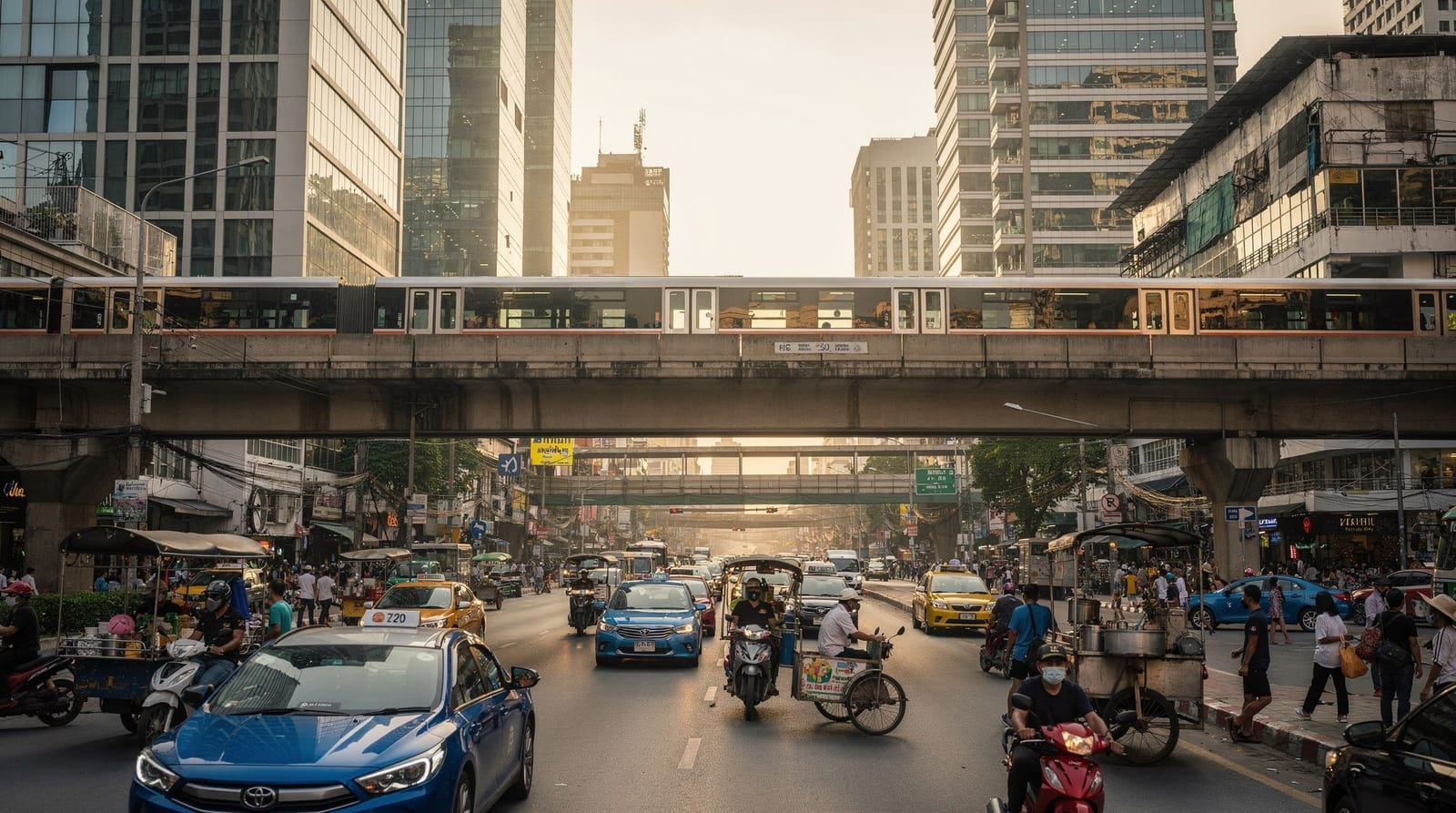
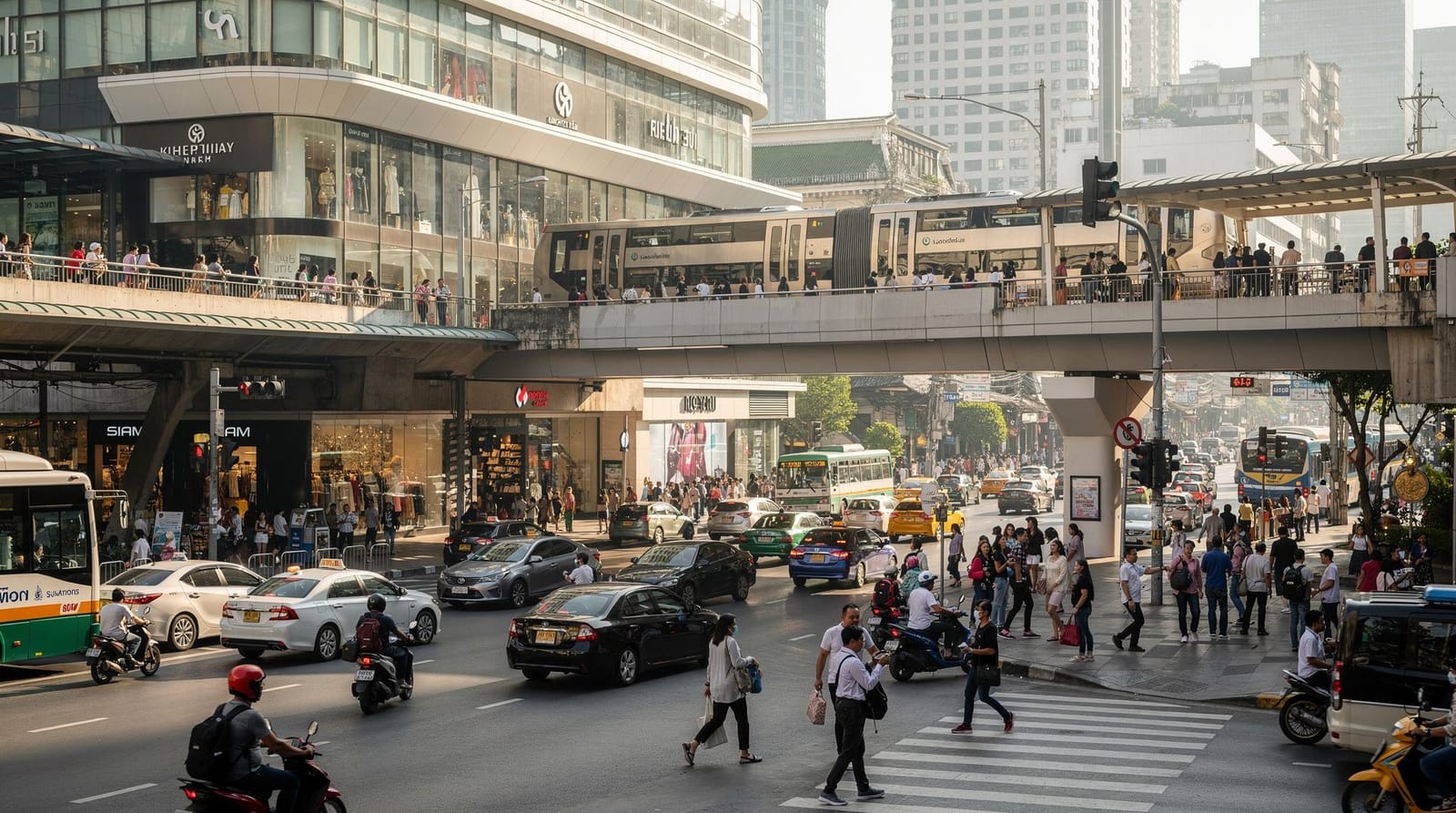
Ari sits on the BTS Sukhumvit Line, which makes it well connected despite feeling like a hideaway. Two stops south is the Victory Monument area, famous for its boat-noodle stalls, and beyond that the mega-malls of Siam and Ratchaprasong. South again lies lower Sukhumvit and, further along the line, the trendy nightlife of Thonglor and Ekkamai — Ari’s older, leafier cousin in the city’s hip-neighbourhood family. For an evening out, the speakeasy and rooftop nightlife experience shows the wider scene Ari is part of. See the BTS Skytrain guide for connections.
Practical tips
Ari’s appeal is concentrated in the sois immediately west of the BTS station (Soi Ari and its branches) — head there and start wandering. Many of the best cafes and restaurants are small and get busy at weekends, so go early or be prepared to queue for the most popular spots. It’s a residential area, so be considerate of locals when photographing homes and lanes. Cash is handy for the street-food stalls, though most cafes take cards. There’s little nightlife compared with Thonglor, so it’s better for a daytime-into-early-evening visit than a late one.
Ari after dark
Nightlife here is real but modest — a handful of natural-wine bars and low-key cocktail spots rather than the club scene of nearby Thonglor. It suits a slow dinner and a glass of wine rather than a big night out; for that, head south down the BTS line to the Bangkok nightlife guide or the best rooftop bars, most of which cluster around Sukhumvit and Silom rather than Ari itself. Treat Ari as the calm start or wind-down to an evening elsewhere, not the whole night.
Getting there and around
By BTS: Ari station on the Sukhumvit Line drops you right at the neighbourhood — exit and walk west into the sois. This is by far the easiest way in.
On foot: Ari is best explored on foot once you arrive; the sights are the lanes, cafes and eateries, all within walking distance of the station.
By bike: The leafy, calmer streets suit cycling, and several city bike tours pass through.
By Grab or taxi: Easy, but the BTS is simpler and faster given Bangkok traffic. See the Grab and taxi guide.
Frequently asked questions about Ari
What is Ari known for?
Ari is Bangkok’s leafy, laid-back hipster neighbourhood, famous for its dense cluster of independent cafes, hidden bistros and natural-wine bars set among genuine local street food and residential lanes. It has no major sights — the draw is the relaxed, creative atmosphere and excellent food and coffee, away from the tourist crowds.
Is Ari worth visiting for tourists?
Yes, if you enjoy cafes, good food and soaking up a local neighbourhood vibe rather than ticking off monuments. It’s a refreshing, lower-key contrast to the temples and malls, and it’s an easy BTS ride from the centre. If you only want headline sights, you can skip it; if you like wandering and eating, it’s a delight.
How do I get to Ari?
Take the BTS Sukhumvit Line to Ari station and walk west into the sois, where the cafes and restaurants cluster. It’s a few stops north of the Siam shopping area, so it’s well connected despite feeling like a quiet hideaway. Grab and taxis work too, but the Skytrain is simpler.
Is Ari a good place to stay?
It’s a good base for longer-stay travellers, digital nomads and anyone wanting a calm, local, food-focused neighbourhood with easy BTS access. It has fewer big hotels than Sukhumvit and little nightlife, but more atmosphere and a stronger sense of real Bangkok life. For first-timers chasing sights, a more central base may be easier.
What’s the food like in Ari?
Excellent and varied — that’s the appeal. Trendy contemporary bistros and brunch cafes sit alongside outstanding old-school Thai street food like boat noodles and grilled pork with sticky rice. You can have a refined dinner one night and a 50-baht noodle bowl the next, often on the same soi.
When should I visit Ari?
Weekend daytimes for the cafe and brunch scene at its best, or weekday mornings for quiet, local neighbourhood life. It’s a daytime-into-early-evening destination rather than a late-night one, since nightlife is limited compared with nearby Thonglor. The leafy lanes are pleasant year-round.
Top experiences
Bookable activities with verified prices and instant confirmation on GetYourGuide.