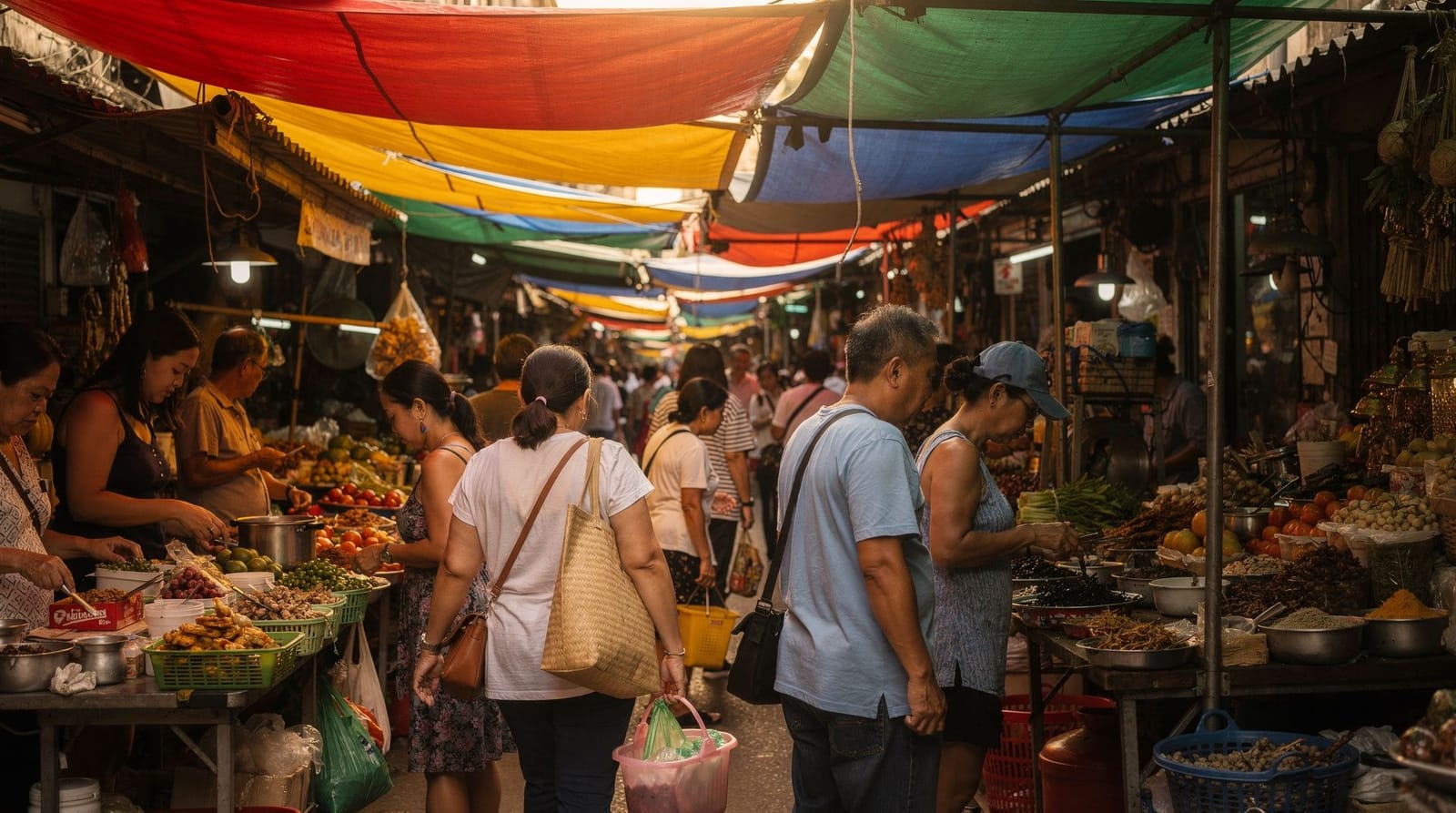
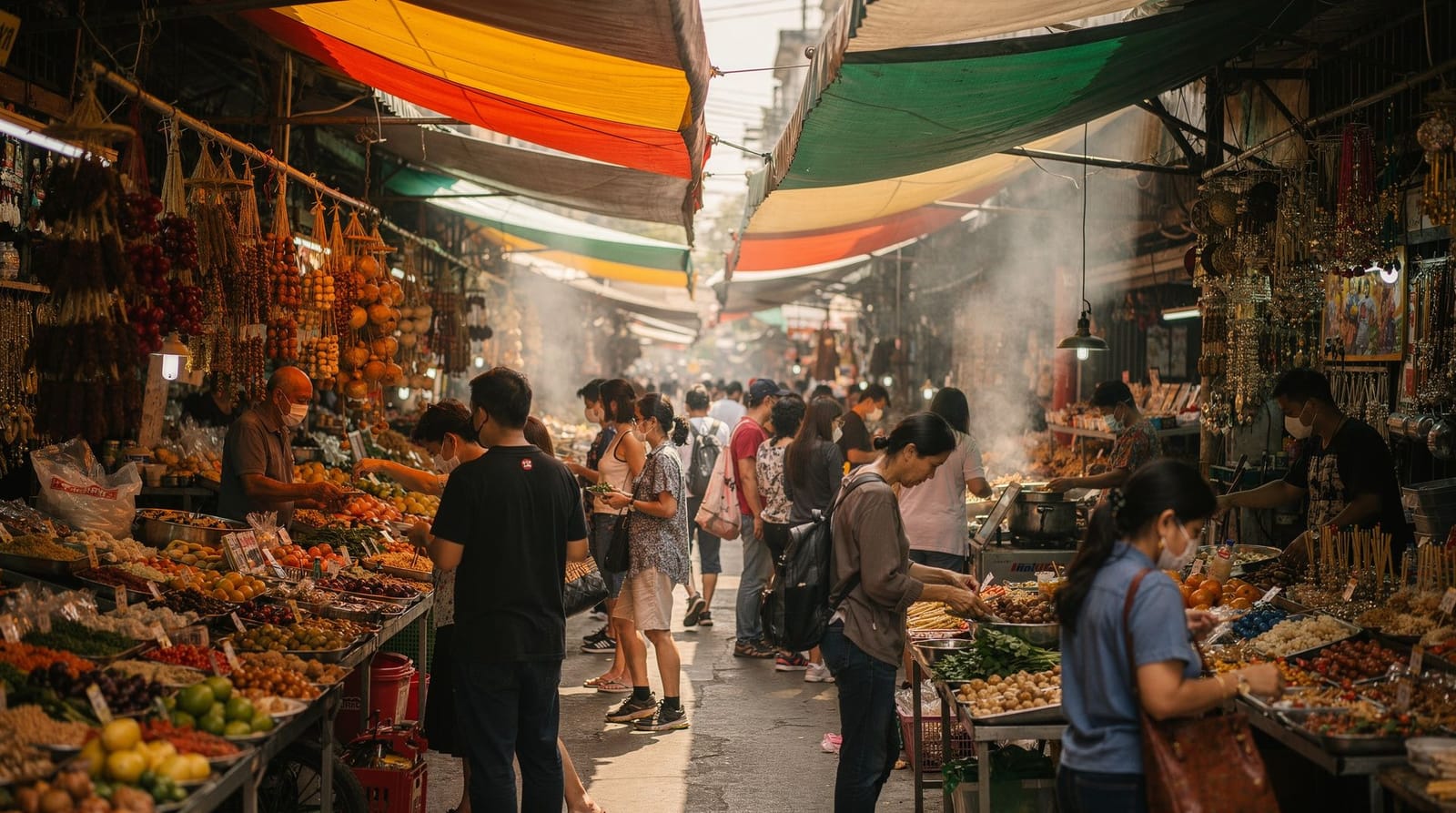
Chatuchak shopping guide: what to buy and how to bargain
Bangkok: Chatuchak Weekend Market & Floating Market Tour
What should you buy at Chatuchak Weekend Market?
Chatuchak's best buys are handicrafts and homeware, vintage clothing and denim, art and prints, Thai cotton and silk, ceramics, plants, antiques, and unusual one-off items you won't find in the malls. Head to the sections matching what you want — art and decor in Sections 7–8, antiques in Sections 1 and 26, vintage scattered throughout, and plants in the dedicated zone. Bargain politely on most items, carry small cash, and go early to beat the heat and crowds.
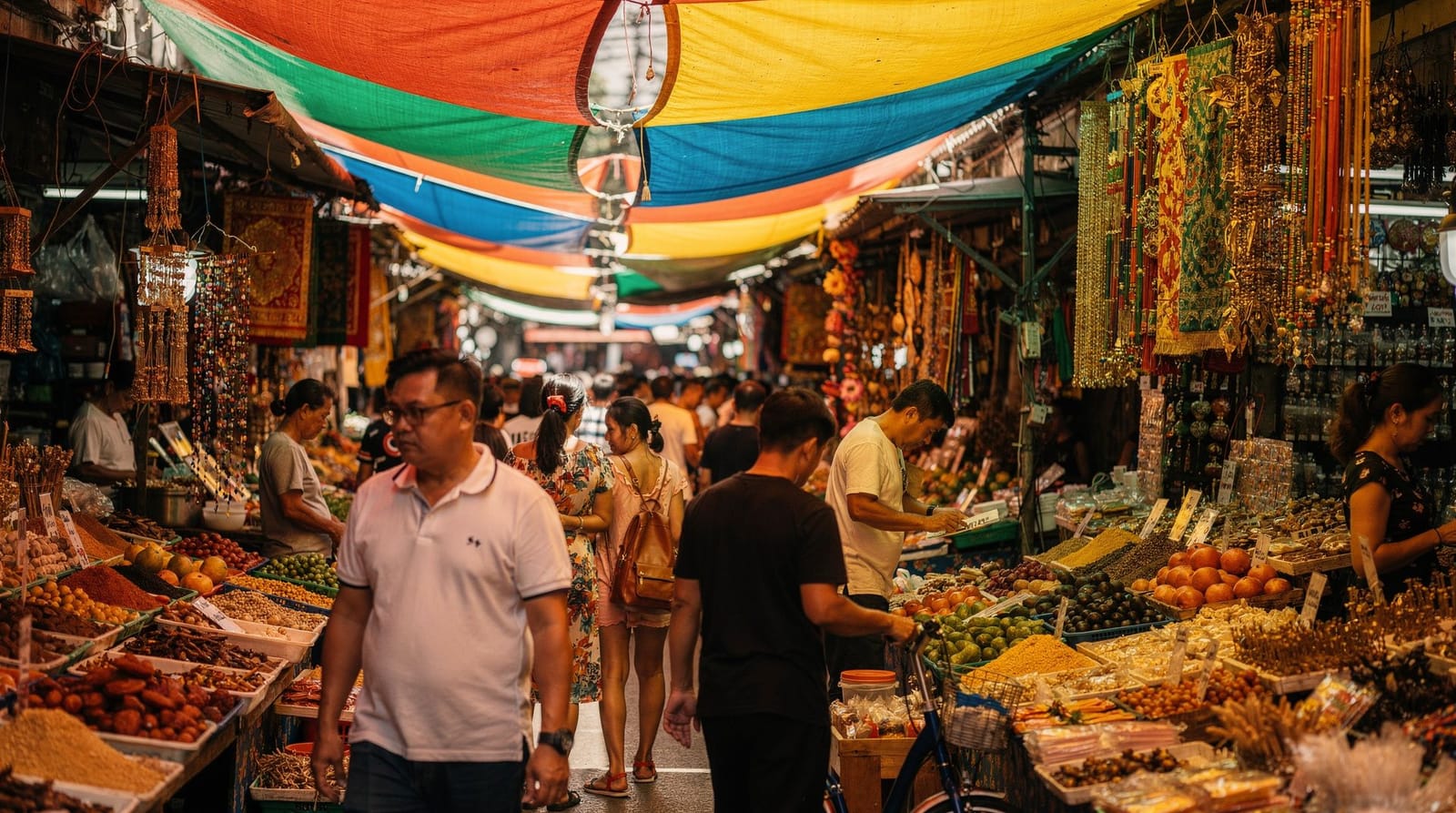
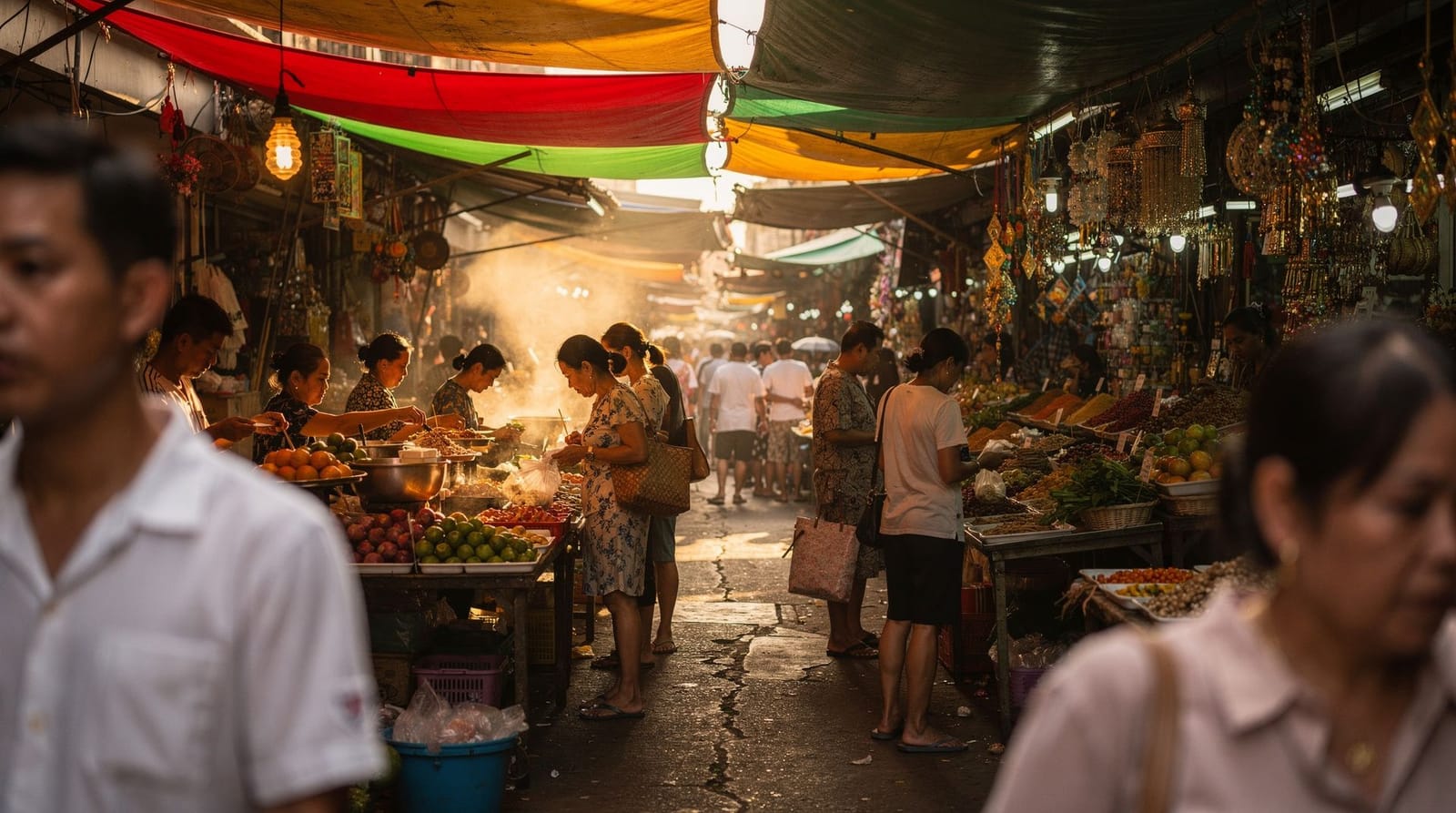
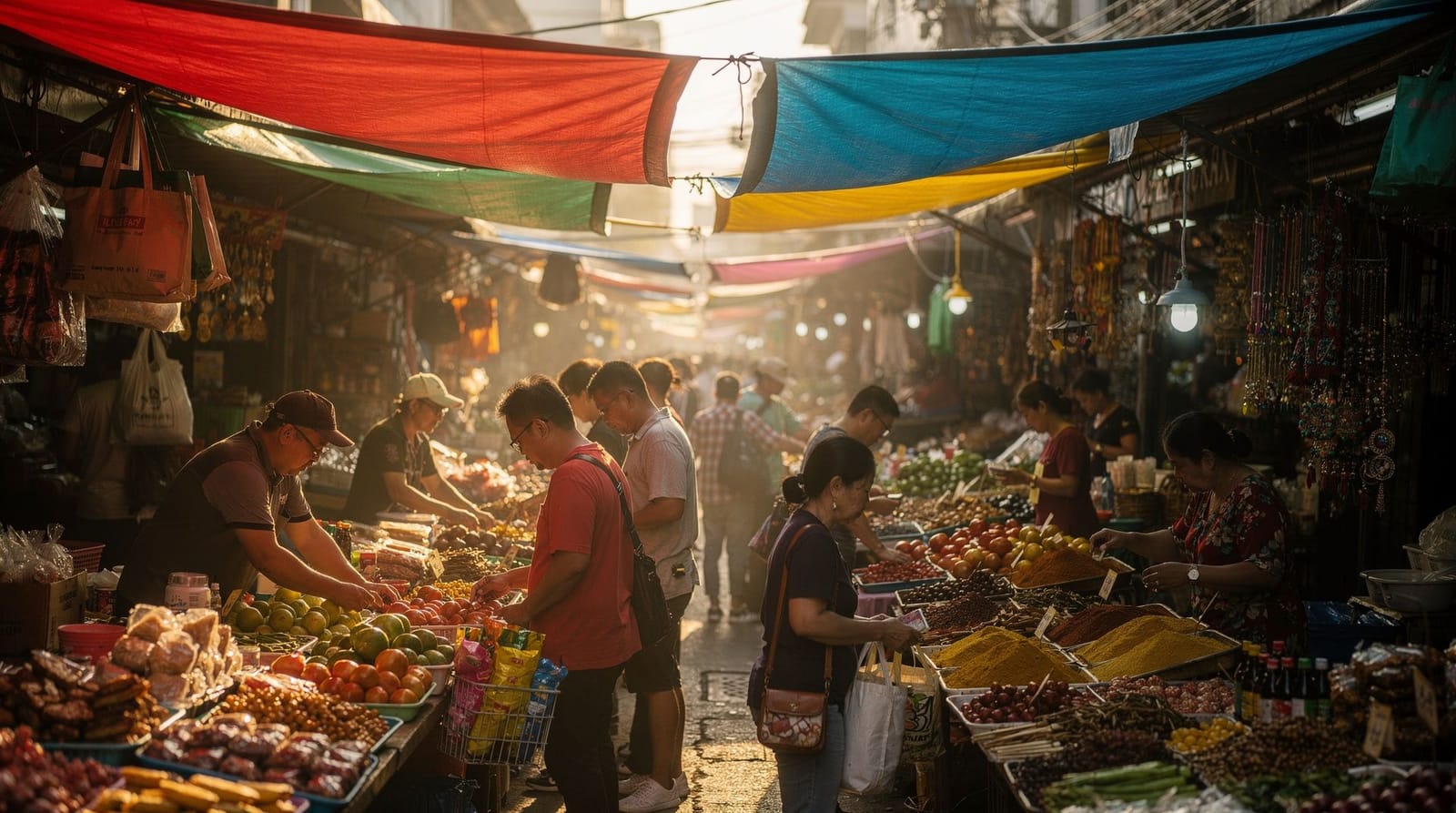
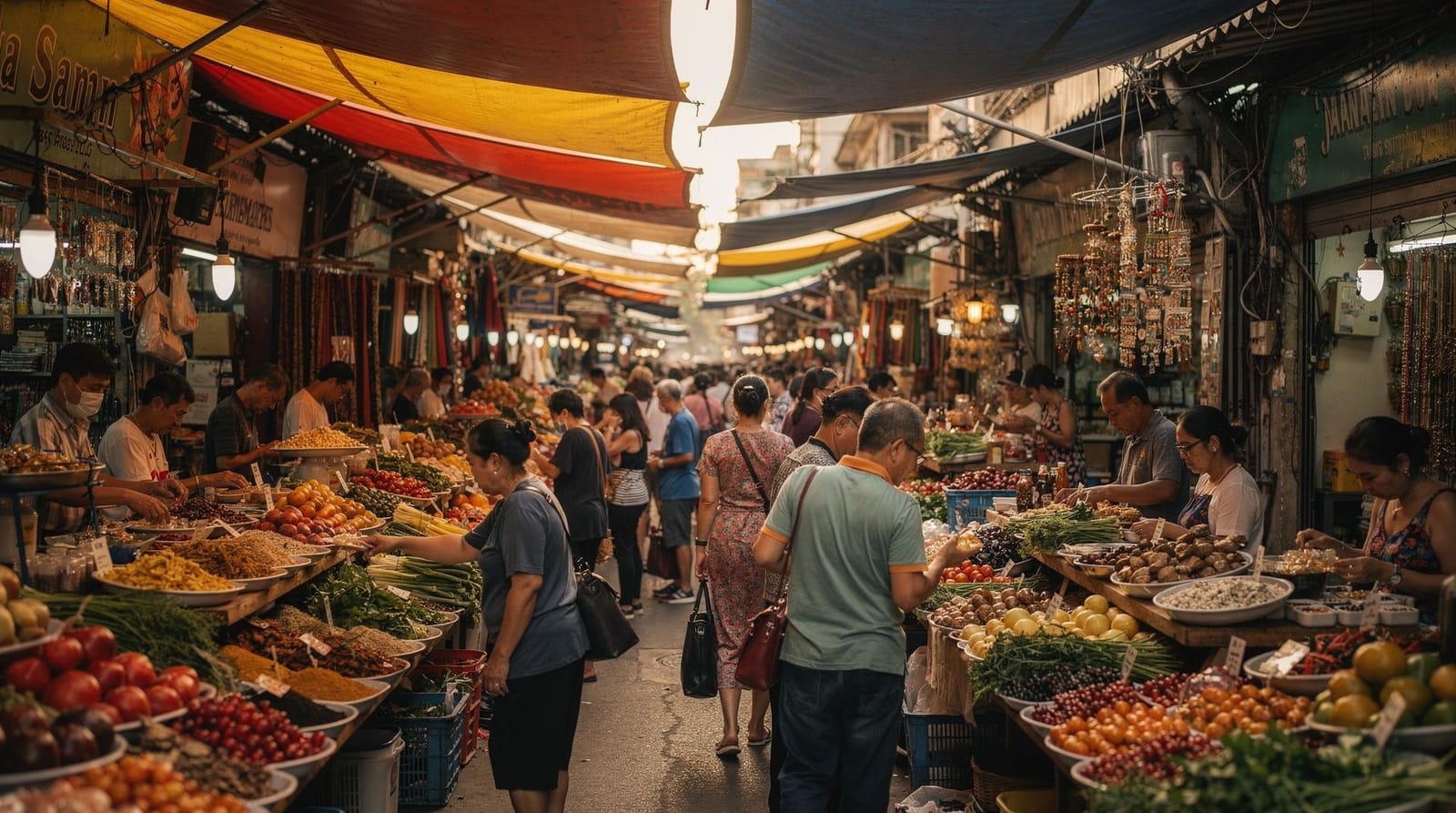
Chatuchak Weekend Market is the single best place to shop in Bangkok — roughly 15,000 stalls across 27 sections selling handicrafts, vintage clothing, art, plants, antiques, ceramics, and an almost limitless variety of goods at market prices with room to bargain. But its scale is also its challenge: you cannot see it all, and aimless wandering wastes the day. This guide is the shopping strategy — which sections to target for what, how to bargain effectively, what to buy, when to go, and how to ship your finds home — so you come away with the best haul rather than just sore feet.
If you want the navigation-and-logistics overview first (transport, food, getting lost), see the companion Chatuchak Weekend Market guide. This page focuses on the buying.
| Where | 27 numbered sections around the central clock-tower, north Bangkok |
| Cost | Market prices, bargain 60–70% of the ask on most non-food goods |
| Time needed | Three to four focused hours for a target list, longer if browsing freely |
| Getting there | MRT Kamphaeng Phet (exits into the market) or BTS Mo Chit |
| Best time | Saturday or Sunday, arriving by 09h00–10h00 |
Shop with a plan: the key sections
Chatuchak’s 27 numbered sections group loosely by category, radiating from a central clock-tower landmark. The single most important shopping tactic is to decide what you want and head to those sections rather than trying to cover everything. The broad layout:
- Art, handicrafts, and home decor: Sections 7 and 8 and the central area — the heartland for ceramics, carved wood, lacquerware, textiles, prints, and original art.
- Antiques and collectibles: Sections 1 and 26 — vintage curios, retro goods, and genuine antiques.
- Clothing and fashion: the largest category, spread across many sections — Thai designers, streetwear, and knock-offs.
- Vintage clothing and denim: scattered throughout, with concentrations in the dedicated vintage zones.
- Plants and gardening: a dedicated zone (also open Wednesday and Thursday).
- Ceramics, leather, books, and accessories: dotted across the relevant sections.
Note your target section numbers, use the clock-tower to orient, and screenshot a section map before you go, since signal can be patchy inside.
What to buy
Chatuchak’s standout buys are the things you won’t find in the malls:
- Handicrafts and homeware: carved wood, ceramics, lacquerware, woven textiles, and decorative pieces — superb value.
- Vintage clothing and denim: a serious vintage scene, from retro Thai to imported denim.
- Art and prints: original work and prints from independent Thai artists.
- Thai cotton and silk: scarves, fabric, and clothing.
- Antiques and collectibles: for the patient browser.
- Plants and gardening supplies (in the dedicated zone).
- Unique souvenirs: soaps, spices, leather goods, and one-off items.
It’s arguably the best place in Bangkok for souvenirs — see the best souvenirs guide for ideas, and the Bangkok shopping guide for the wider city picture.
How to bargain
Bargaining is expected on most non-food goods. The effective approach:
- Ask the price, then counter at around 60–70% of it, and settle in between.
- Stay friendly and smiling — aggressive haggling backfires here.
- Buying multiple items from one stall strengthens your position.
- Don’t grind hard on already-cheap items; the savings are small and goodwill matters.
- Accept that fixed-price boutique stalls (increasingly common for designer pieces) may not negotiate.
A polite, good-humoured negotiation gets the best results. Carry plenty of small cash — most stalls are cash-only.
When to go
The market runs Saturday and Sunday (roughly 09h00–18h00), with a Friday-night wholesale session and the plant section open Wednesday and Thursday.
Arrive early — by 09h00 to 10h00. The two enemies are heat and crowds, and both worsen through the day. Early shoppers enjoy cooler air, thinner aisles, easier bargaining, and fresher energy. By early afternoon the central sections become a hot, slow crush. For the full visiting practicalities, see the Chatuchak Weekend Market guide.
A guided introduction such as the local weekend markets tour can ease first-timers into the scale and point you to the best stalls, while the Chatuchak and floating market combined tour pairs the market with other highlights for a fuller day.
Shipping your purchases home
For bulky or fragile finds — furniture, large antiques, homeware — many stalls arrange international shipping, and there are packing and shipping services within and near the market. Confirm costs, timelines, and reliability before committing, keep documentation, and factor shipping into your bargaining and budget from the outset. For smaller purchases, check your airline’s baggage allowance. If you’re eyeing major pieces, ask about shipping before you start negotiating.
Avoiding overwhelm
Chatuchak overwhelms the unprepared. To enjoy it:
- Have a target list of categories and head to those sections — don’t try to see everything.
- Orient with the clock-tower and section numbers; screenshot a map.
- Take breaks for the excellent food and water — see the best food markets guide.
- Set a time limit — three to four focused hours beat eight exhausted ones.
- Carry small cash and a tote for purchases.
Embrace the maze with a plan, and Chatuchak becomes a joy rather than a trial.
Chatuchak vs the malls vs Pratunam
To place it among the alternatives:
| Best for | Bargaining | Comfort | |
|---|---|---|---|
| Chatuchak | Handicrafts, vintage, art, one-offs | Expected, 60–70% counter | Hot, crowded, no air-con |
| Malls | Brands, guaranteed quality | Fixed prices only | Air-conditioned, easy |
| Pratunam | Wholesale clothing in bulk | Expected on bulk orders | Hot, fast-paced |
- vs the malls: Chatuchak wins on price, variety, and unique non-branded goods; the malls win on brands, comfort, and guaranteed quality.
- vs Pratunam: Pratunam is the wholesale fashion zone for cheap clothing in bulk; Chatuchak is broader, with handicrafts, vintage, art, and one-offs.
For most travellers, Chatuchak is the essential shopping experience and the best place for souvenirs and distinctive finds.
Getting there without the mid-morning crush
MRT Kamphaeng Phet station exits directly into the market among the food and clothing sections — the single most convenient way in. BTS Mo Chit is a short walk to the northern edge and useful if you’re coming from the Sukhumvit side. Both beat arriving by road, since weekend parking near Chatuchak is genuinely difficult and traffic backs up around the market on both mornings. A Rabbit Card speeds up the BTS leg if you’re combining Chatuchak with other stops that day; the MRT subway guide and BTS Skytrain guide cover the wider network.
Cash, cards and counterfeit goods
Chatuchak runs overwhelmingly on cash — most stalls have no card machine, and the ones that do often add a surcharge, so budget cash for the day and keep a reserve of small notes for bargaining. ATMs exist inside the market but queue on weekends; withdraw what you need before you arrive if you can. Be aware that some stalls sell counterfeit branded goods — bags, watches, apparel — openly or discreetly; buying them carries legal risk in some home countries at customs, so factor that in before you buy, quite apart from the ethical question of counterfeit goods. Genuine handicrafts, vintage and Thai-made items carry no such risk and are the safer, more distinctive buy in any case. For the wider cost picture of a Bangkok trip, see the Bangkok travel costs guide, and for the pressure-selling tactics that occasionally surface at busy markets, the common Bangkok scams guide.
Building a shopping route that actually works
The difference between a good Chatuchak day and a frustrating one is almost always the route. Start with the category you care about most, because that is when your energy, patience and cash are at their best, and work outwards from there. If you came for art and homeware, do those sections first and leave clothing for later; if you came for vintage, go straight to the vintage pockets before the aisles fill up. Save the browsing-for-fun part of the day, the stalls you would never have planned to visit, for the end, when you have nothing left to buy under pressure and can wander without a list.
It helps to think of the market in loops rather than lines. Pick a section, walk its lanes end to end, note anything you like without buying yet, then loop back through the best candidates before you leave that area. Prices and quality vary a lot between neighbouring stalls selling almost the same thing, so a quick first pass lets you compare before you commit. Photograph the stall and its number on your phone so you can find it again; the lanes look alike and a stall you loved can be surprisingly hard to relocate an hour later.
If you are weighing Chatuchak against other markets, the Bangkok markets guide lays out the whole field, and the night markets guide covers the after-dark options for anyone who prefers cooler evenings to a hot morning. The Rod Fai train night market is a natural companion for vintage hunters who want a second shot at retro finds.
Judging quality before you pay
Because so much of the market is one-off and unbranded, you have to be your own quality control. Handle things. Turn ceramics over to check the glaze and base, run a thumb along stitching on bags and cushion covers, hold fabric up to the light, and open any drawer or lid on wooden pieces. For clothing, check seams and zips and try things on where a changing space is offered; where it is not, hold items against your body and be realistic about fit, since returns are not part of the deal.
For textiles, take a moment to feel the difference between genuine cotton or silk and synthetic lookalikes. If you want to see what well-made Thai silk looks and feels like before you shop, the Jim Thompson Thai silk guide is a useful reference point, and it gives you a benchmark for judging stall pieces at a very different price level. The same logic applies to antiques: a confident seller will tell you the story of a piece, but an honest buyer treats age claims with healthy scepticism and pays for what they like looking at rather than for an unverifiable date.
Pacing, comfort and eating
Shopping at this scale is physical. Wear comfortable closed or well-strapped shoes, light breathable clothes, sun protection and a bag that sits securely across your body, and keep valuables in front of you in the busiest lanes. The what to pack guide covers the sensible basics for Bangkok heat, and the Bangkok weather month by month page helps you pick a season that suits a long outdoor walk. In the wet months, check the rainy season guide and the Bangkok in the rain tips, since a downpour can empty the lanes for a while but also makes the covered sections far more pleasant than the open ones.
Plan your breaks as part of the day rather than as an afterthought. Eating and drinking at the market is half the fun: fresh fruit, iced drinks and snacks are everywhere, and a sit-down halfway through is what lets you shop well in the second half. If you want to eat with confidence, the street food guide and street food safety guide will help you choose stalls sensibly, and the mango sticky rice guide is worth a read if a sweet stop is on your list. Anyone watching their spending will also like the best cheap eats guide.
Who Chatuchak suits, and how to adapt it
Different travellers get different things from the market, and a few small adjustments make it work for almost everyone.
- First-timers in Bangkok: treat Chatuchak as one big outing and pair it with the first-timers guide so the rest of your days stay balanced. If you are still deciding how long to stay, the how many days in Bangkok guide helps you place a market day in your plan.
- Families: the crowds and heat can wear children down quickly, so keep the visit short, agree a meeting point in case anyone gets separated, and see the Bangkok with kids guide for wider family planning.
- Solo travellers: the market is an easy, sociable place to shop alone, and the solo travel guide has general advice for moving around the city comfortably.
- Budget travellers: bargaining and a clear spending cap go together; the Bangkok on a budget guide shows how a market day fits into a tight daily spend.
Getting around on the day
Public transport is the easiest way to reach the market, but you will probably need a ride afterwards with your shopping in hand. The getting around Bangkok guide compares your options, and the Grab, taxi and tuk-tuk guide explains how to book a ride when your arms are full of bags and the train feels like too much. If you are tight on time in the city, the one-day itinerary shows how little room a full market morning leaves for other sights, which is a good reason to give Chatuchak its own half-day.
After you have bought: packing and decisions
Before you leave the market, take a few minutes to sort what you bought. Wrap fragile ceramics in clothing, keep receipts or notes for anything you plan to ship, and check that nothing you bought is something you could easily have found cheaper at the stall next door. If you regret a purchase, remember that buyer’s remorse is part of market shopping; the cure is a target list and a spending limit set before you walk in. For gifts, think about weight and fragility early, since the pieces that look best on a stall are not always the ones that travel best. Anyone who wants more ideas for what to take home can browse the best souvenirs guide once more before the final pass through the lanes.
Frequently asked questions about Chatuchak shopping guide: what to buy and how to bargain
What are the best sections at Chatuchak for shopping?
How do you bargain at Chatuchak?
What is the best time to shop at Chatuchak?
Can you ship purchases home from Chatuchak?
Is Chatuchak good for souvenirs?
Are prices at Chatuchak cheaper than the malls?
How do you not get overwhelmed shopping at Chatuchak?
Top experiences
Bookable activities with verified prices and instant confirmation on GetYourGuide.