Hop-on hop-off boat in Bangkok: the honest guide
Bangkok: Chao Phraya River Hop-On Hop-Off Boat Pass
Is the Bangkok hop-on hop-off boat worth it?
Yes, for first-timers planning to visit several riverside sights in a day. The blue-flag Chao Phraya Tourist Boat day pass costs around 200 THB (6 USD) for unlimited hops at about nine piers including Wat Arun, the Grand Palace and ICONSIAM. Budget travellers making just one or two trips are better off on the 16 THB commuter boat.
The blue-flag Chao Phraya Tourist Boat is Bangkok’s hop-on hop-off river service, and for a first-time visitor it is one of the smartest ways to tackle the riverside in a single day. For a flat day-pass fare you can step off at the Grand Palace, hop back on, glide to Wat Arun, then continue to the giant ICONSIAM mall, all without touching a road or a traffic jam. But it is not automatically the right choice for everyone; budget travellers making only a hop or two are better served by the much cheaper commuter boat. This honest guide explains exactly what the pass buys, which piers it reaches, and when it beats the alternatives. It sits alongside the wider Chao Phraya river boats guide and the getting around Bangkok guide.
| Where | Sathorn to the old-city piers, along the Chao Phraya |
| Cost | ~200 THB day pass; ~30 THB single hop; commuter boat 16 THB |
| Time needed | A few hours to a full day of hopping |
| Getting there | BTS Saphan Taksin to Sathorn Central Pier |
| Best time | Morning start, roughly every 30 minutes until early evening |
Tourist boat vs commuter boat, at a glance
| Tourist boat (blue flag) | Commuter boat (orange flag) | |
|---|---|---|
| Cost | ~200 THB day pass / ~30 THB single hop | 16 THB flat per ride |
| Signage | English, tourist-oriented | Thai-first, less clear for visitors |
| Commentary | On some sailings | None |
| Piers served | ~9 key sightseeing piers | More piers, wider network |
| Best for | First-timers wanting ease | Budget travellers, 1–2 crossings |
What the hop-on hop-off boat is
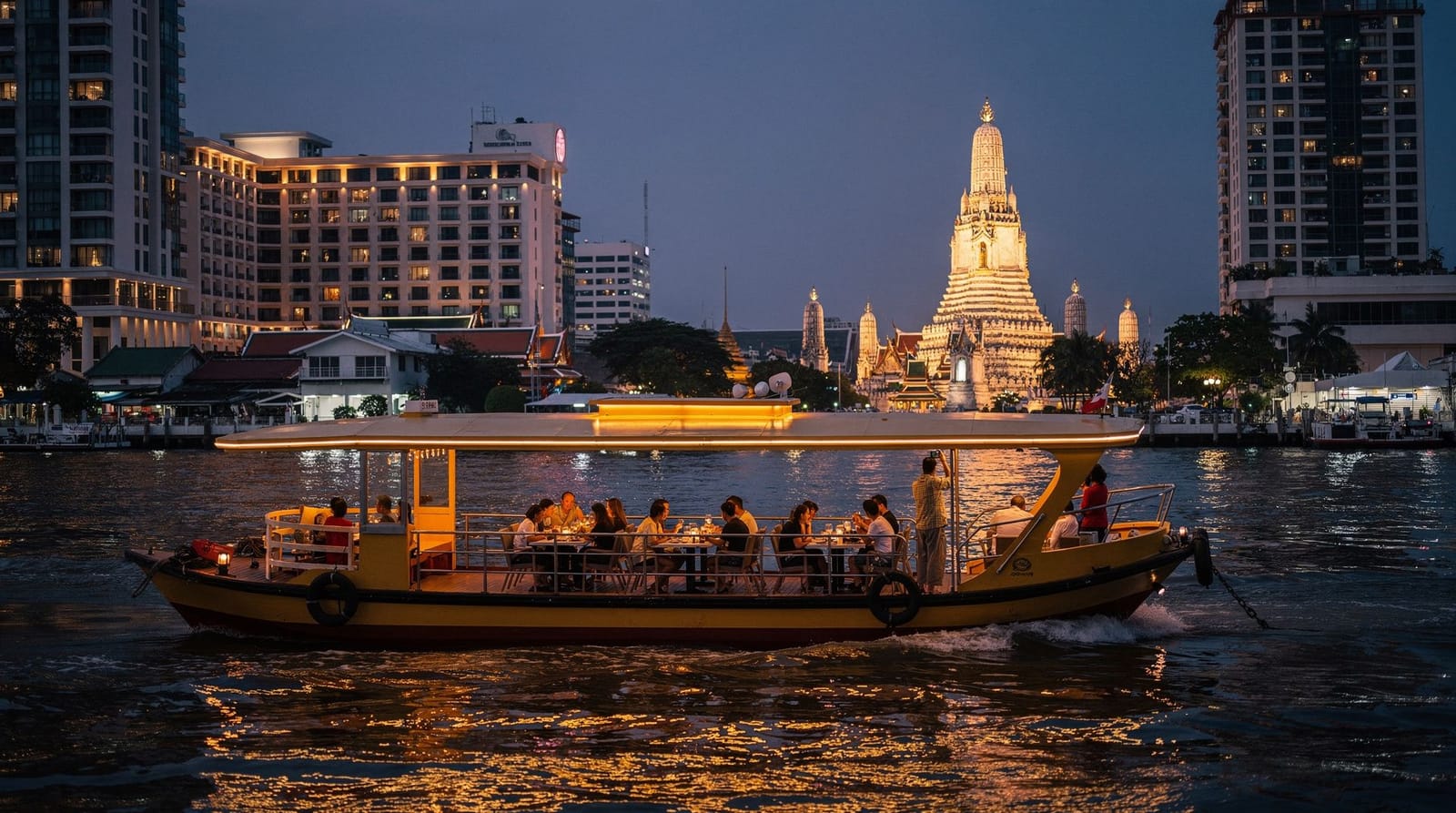
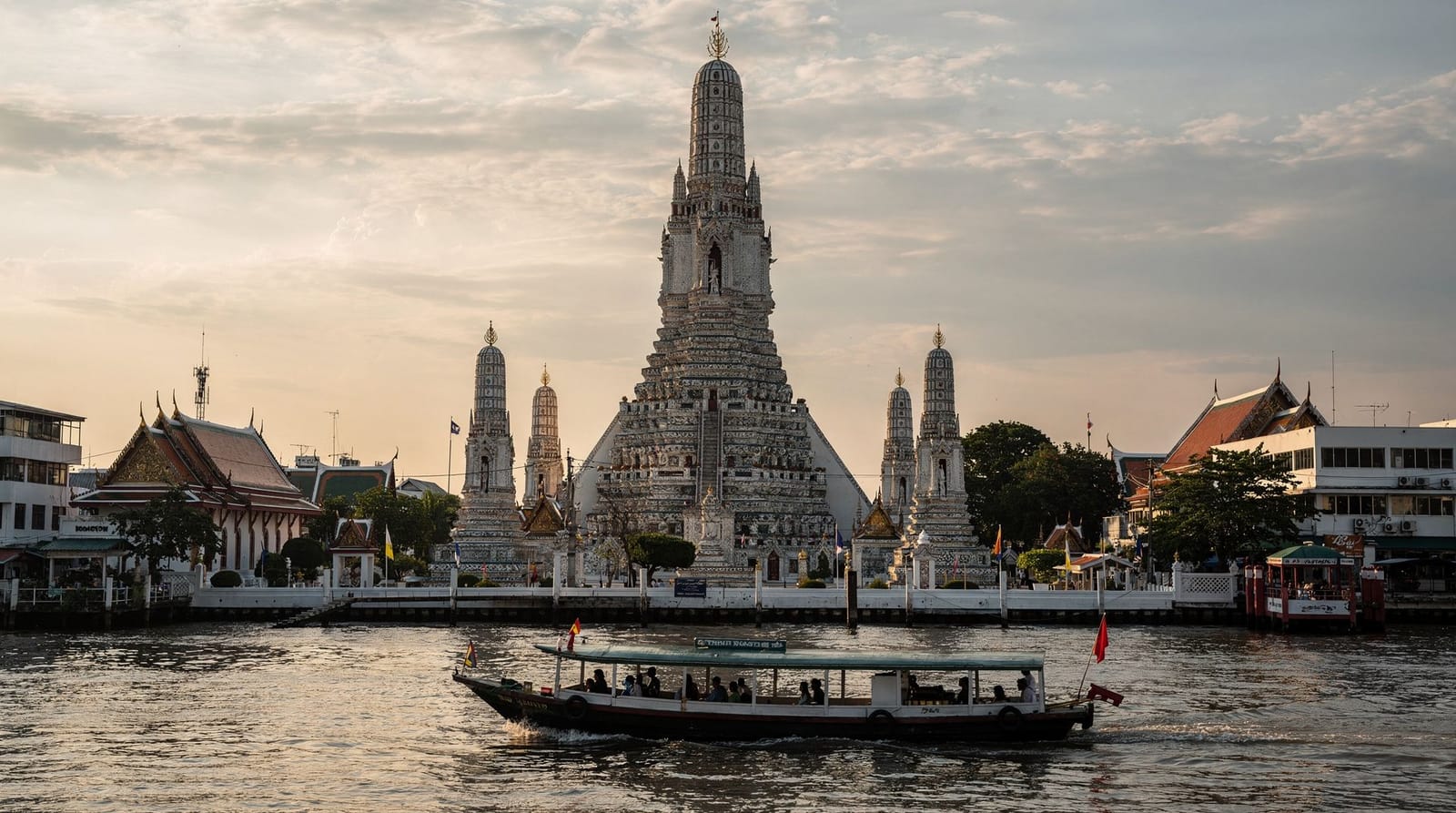
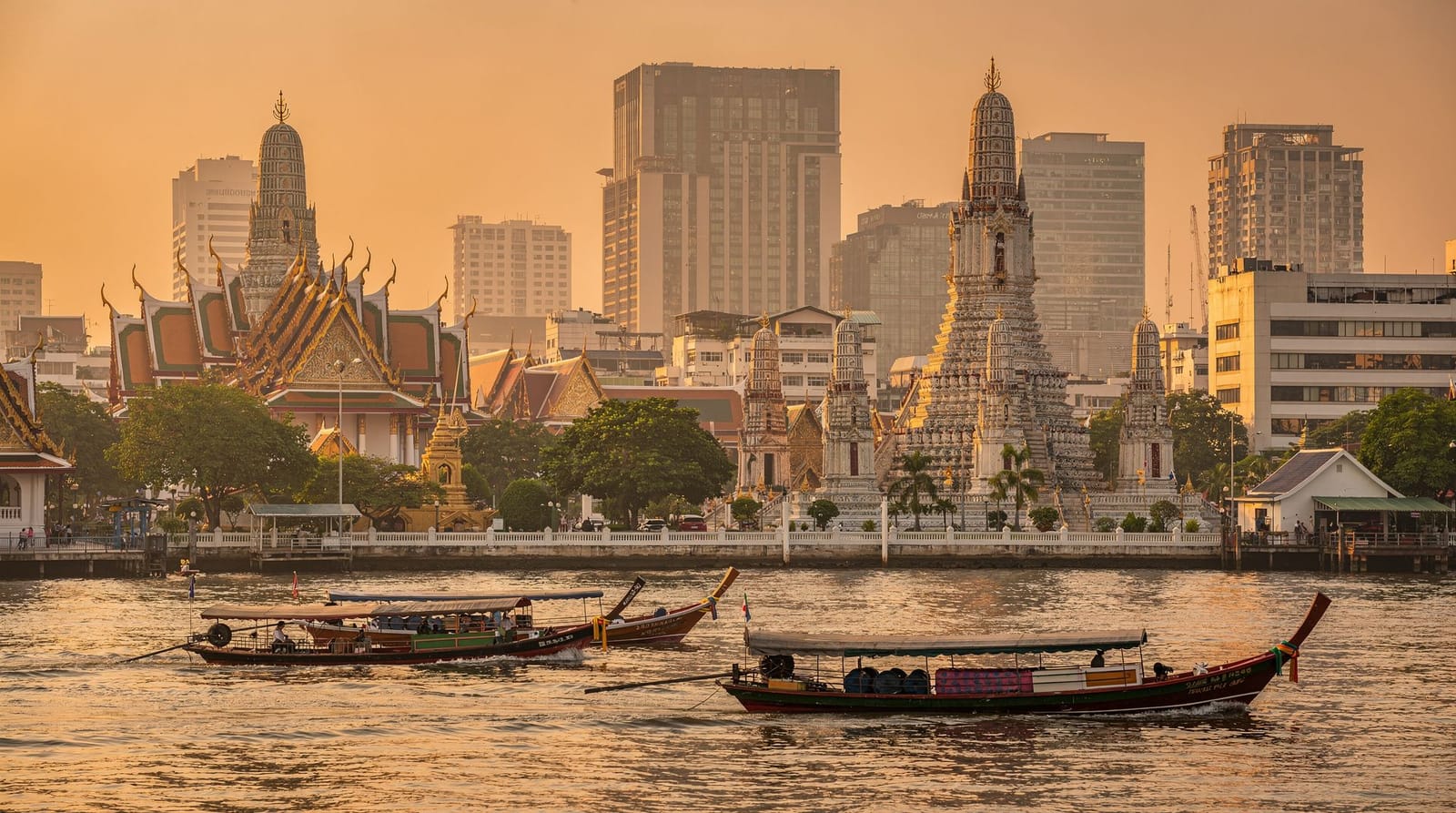
The Chao Phraya Tourist Boat flies a blue flag and is purpose-built for visitors. Unlike the commuter boats, which exist to move office workers as fast as possible, the tourist boat is designed around sightseeing: English signage, a calmer pace, clear pier announcements and, on some sailings, light commentary about the landmarks you pass.
The core product is the unlimited day pass. Buy it once and you can hop on and off all day at the tourist boat’s piers, which cover the riverside sights that most visitors come for. That flexibility is the whole appeal, letting you build a self-guided river day at your own pace.
What it costs and when it pays off
The day pass costs around 200 THB (6 USD) for unlimited hops in one day. A single hop on the tourist boat is roughly 30 THB. For comparison, the orange-flag commuter boat is a flat 16 THB per trip no matter how far you ride.
The maths is straightforward. The day pass pays for itself once you make about four hops, so it is excellent value for a full day of riverside sightseeing and poor value if you only plan one or two crossings. Be honest with yourself about your plans. If you intend to visit the Grand Palace, Wat Arun, Wat Pho and ICONSIAM in a day, the pass wins easily; if you just want to reach one temple and come back, take the commuter boat.
The convenient way to secure the pass is the Chao Phraya tourist boat hop-on hop-off pass, which you book once and show at the pier, skipping the morning booth queue. Some travellers prefer a combined river-and-road product, and the hop-on hop-off day pass combining boat and bus bundles the river boat with a sightseeing bus for a fuller city loop, which can make sense if you want both the water and the streets covered.
The piers it serves
The tourist boat calls at roughly nine piers between Sathorn and the upriver temples. The ones that matter most for sightseeing are:
Sathorn Central Pier. The main hub, at the base of Saphan Taksin BTS on the Silom Line, where you connect to the elevated train with a Rabbit Card and where most riders start.
ICONSIAM. The vast riverside mall on the Khlong San bank, with shopping, restaurants and an indoor floating market.
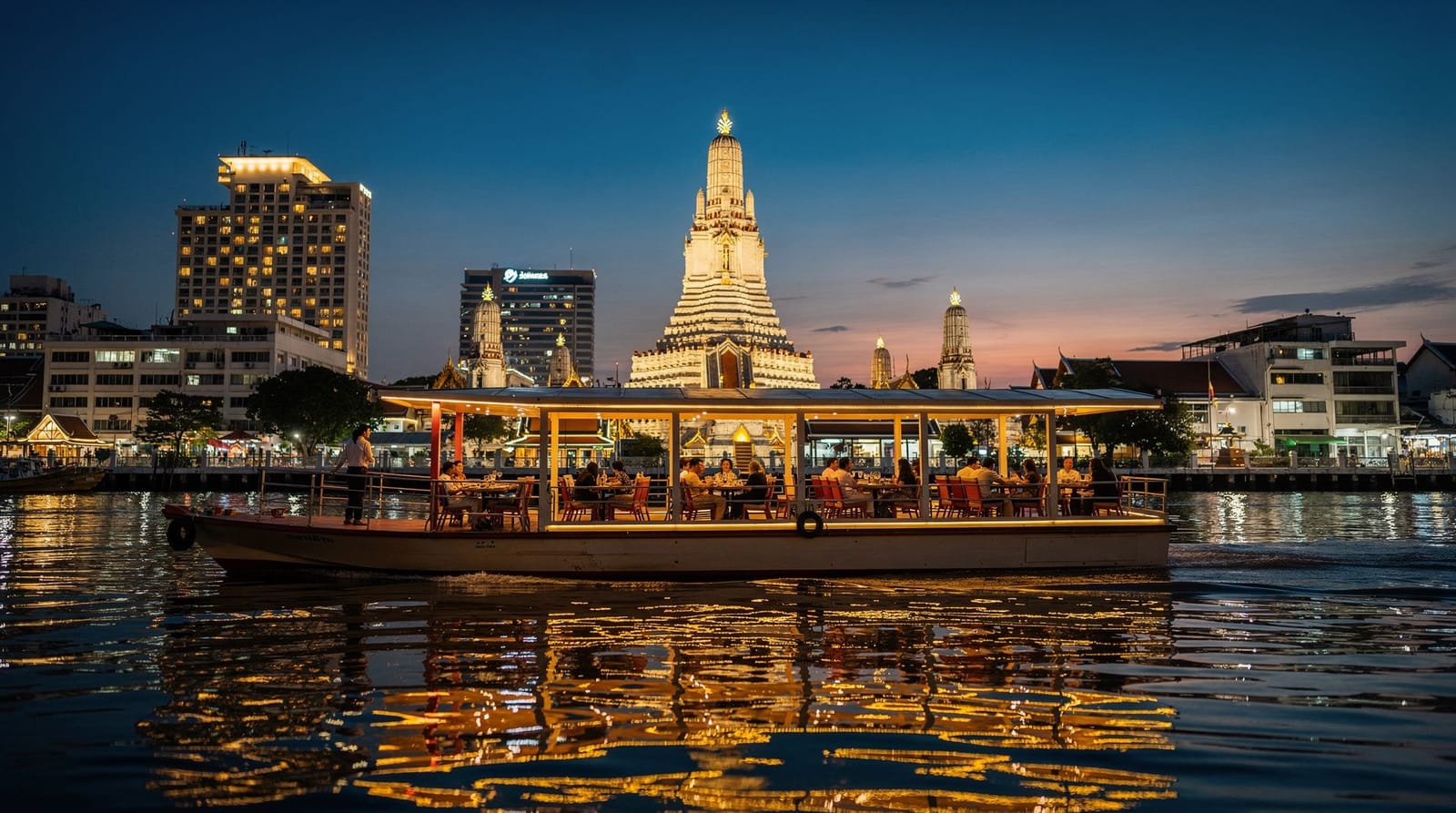
Tha Tien (for Wat Arun and Wat Pho). Step off for Wat Pho and the Reclining Buddha, and take the short cross-river ferry to Wat Arun, the Temple of Dawn.
Tha Chang (for the Grand Palace). The closest pier to the Grand Palace in Rattanakosin old city.
A free shuttle boat also links Sathorn to Asiatique in the evening, extending your river day into the night market. The exact pier list can shift, so check the current route map at the booth.
How it compares to the commuter boat
This is the decision most travellers actually face, so be clear about the trade-off. The blue-flag tourist boat costs more but gives you English signage, a relaxed pace, clear announcements and an unlimited day pass. The orange-flag commuter boat is cheaper at 16 THB flat, stops at more piers and loads fast, but it is crowded, offers no commentary and does not announce stops in English.
The honest split: first-time visitors who value ease, clarity and the freedom to hop around all day should take the tourist boat. Confident, budget-minded travellers making just a couple of trips should take the commuter boat and pocket the difference. There is no wrong answer, only a different fit. The full flag-by-flag breakdown lives in the Chao Phraya river boats guide and the Chao Phraya boats guide.
How often it runs and planning your day
The tourist boats run frequently through the day, roughly every 30 minutes, typically from around 09h00 into the early evening, with extended sailings on some schedules. Frequency tapers later in the day, so plan your final hop with a buffer rather than relying on a late boat that may not come.
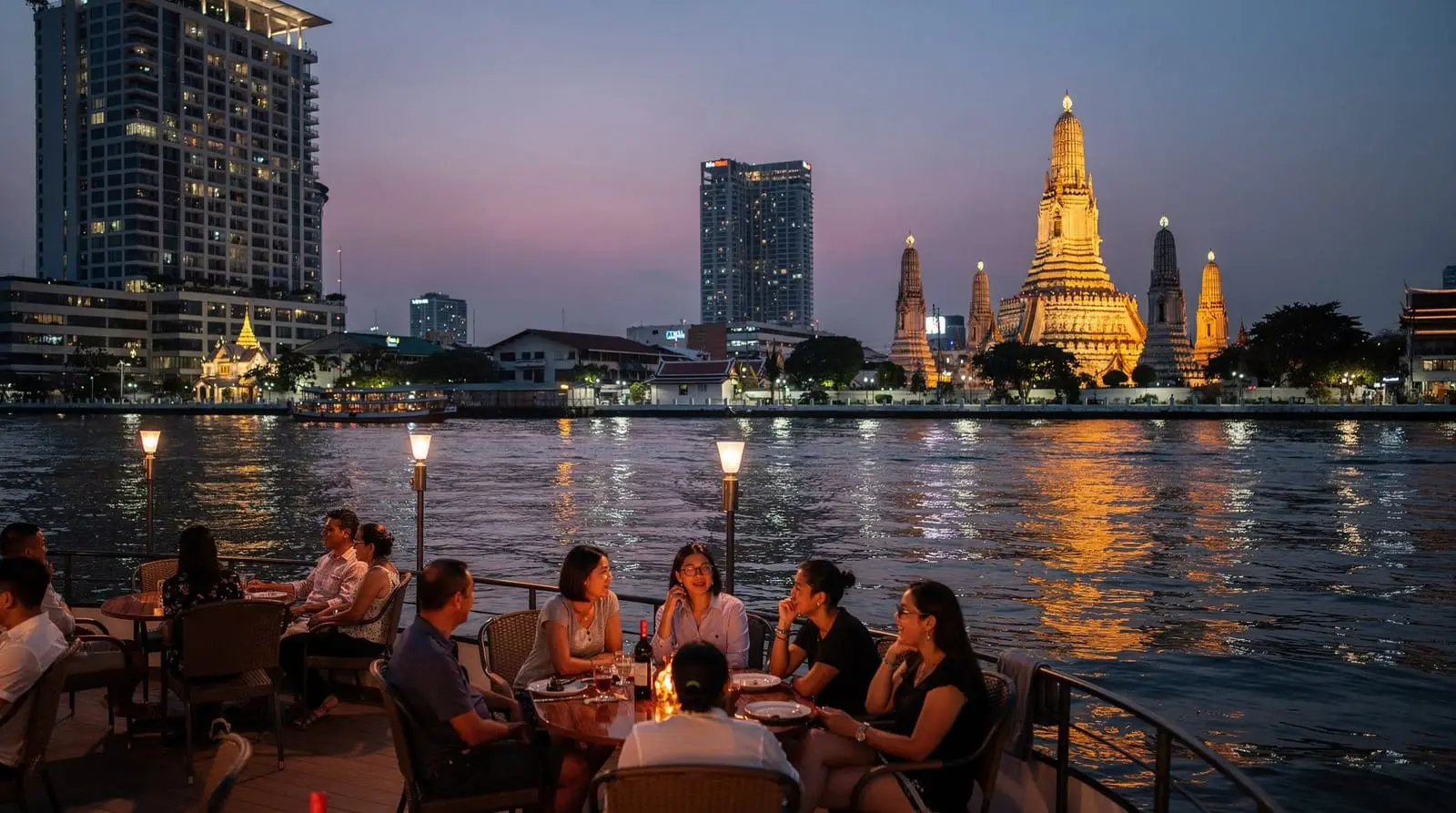
A sensible river day starts at Sathorn mid-morning, works upriver to the Grand Palace and Wat Pho, crosses to Wat Arun, and ends downriver at ICONSIAM or Asiatique for the evening. It fits neatly into a Bangkok 1 day itinerary for visitors short on time, or as the river spine of a Bangkok 3 days itinerary. For ideas on what to see at each stop, the things to do in Bangkok guide and riverside Bangkok guide help you fill the day.
A few honest cautions
The hop-on hop-off boat is one of Bangkok’s more honest tourist products, but two things are worth flagging. First, it is not a guided tour; most sailings have no commentary, so you navigate the sights yourself. If you want a guide and structure, a guided river or temple tour costs more but does the planning for you, as the best Bangkok tours guide covers.
Second, around the major piers you will be approached by touts offering “private” boats, long-tail rides and tours at inflated prices. Ignore them, use the clearly marked blue-flag boats and official ticket booths, and keep your day pass handy. The long-tail canal experience is genuinely worthwhile but on your terms, as the canal long-tail boat tours guide explains, not as a dockside upsell. For road transfers to the piers, the Grab, taxi and tuk-tuk guide covers the meter games.
Comfort, boarding and what to bring
Boats can be crowded at peak times, especially the mid-morning rush toward the Grand Palace, and seating is not guaranteed on the tourist boat’s benches — expect to stand for short stretches. There is minimal shelter from sun or sudden rain at the piers themselves, so bring a hat, sunscreen and a light rain layer in the wet season. Boarding involves a step down from a floating pier onto the moving boat, which staff assist with, but it is worth pausing rather than rushing, particularly with children or heavy bags. Luggage is fine for a day bag but the boats are not designed for large suitcases, so this is a sightseeing tool rather than an airport-to-hotel transfer. Toilets are not on board, so use the facilities at a pier stop like ICONSIAM or a temple before a longer leg.
Frequently asked questions about Hop-on hop-off boat in Bangkok: the honest
How much does the Bangkok hop-on hop-off boat cost?
Which piers does the hop-on hop-off boat stop at?
What is the difference between the tourist boat and the commuter boat?
Where do I buy the hop-on hop-off boat pass?
How often do the hop-on hop-off boats run?
Can I see Wat Arun and the Grand Palace with the boat pass?
Is the hop-on hop-off boat good value compared to a tour?
Top experiences
Bookable activities with verified prices and instant confirmation on GetYourGuide.