Dusit
Dusit is Bangkok's leafy royal quarter — European-style boulevards, the Ananta Samakhom Throne Hall and the gleaming white Marble Temple, Wat Benchamabophit.
Bangkok: Grand Palace, Wat Arun, and Marble Temple Tour
Quick facts
- Nearest transit
- No BTS/MRT close; taxi/Grab or bus from the old city; ~20 min from Khao San
- Character
- Spacious royal district of boulevards, gardens, palaces and government buildings
- Key food
- Local canteens and noodle shops near the zoo site; old-Bangkok eateries on Sukhothai Rd
- Key sight
- Wat Benchamabophit (Marble Temple); Ananta Samakhom Throne Hall; Dusit Palace grounds
- Best time
- Morning for the Marble Temple's monk alms and soft light; cool season for the gardens
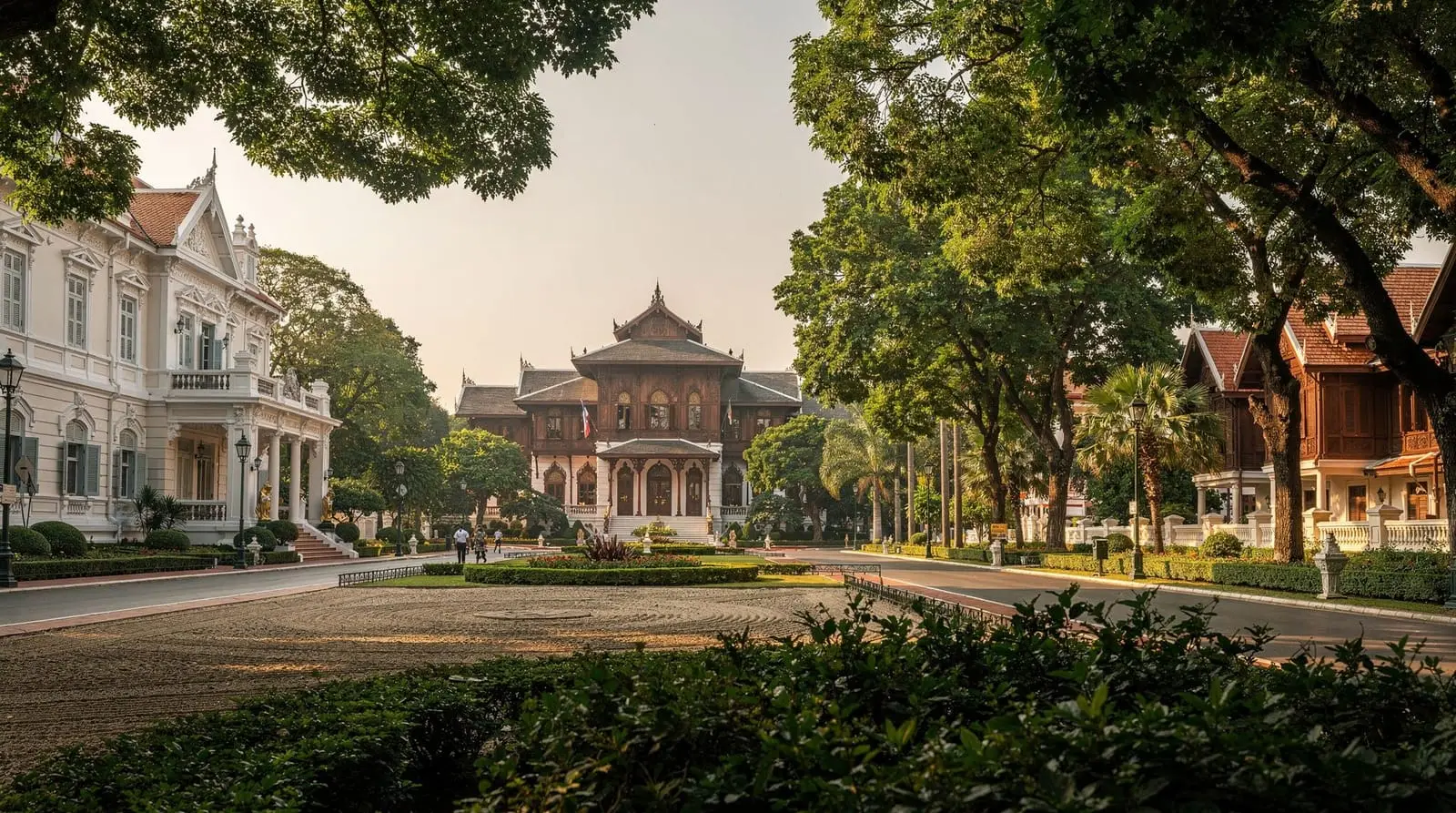
Dusit feels unlike anywhere else in Bangkok. Laid out at the turn of the 20th century by King Chulalongkorn (Rama V) after his travels in Europe, it is a district of wide tree-lined boulevards, formal gardens, ornamental canals and grand neoclassical buildings — a deliberate piece of European-inspired city planning grafted onto the tropics. This is the royal and administrative heart of modern Thailand, home to the Ananta Samakhom Throne Hall, the gleaming Marble Temple, government ministries and royal residences. It is spacious, calm and grand, and it sees a tiny fraction of the visitors that mob the Grand Palace — which is exactly its appeal.
| Where | North of Rattanakosin, no BTS/MRT nearby |
| Entry | Marble Temple ~100 THB; palace grounds access varies |
| Time needed | Half a day |
| Getting there | Grab/taxi (~15–20 min from the old city); some bike tours |
| Best time | Early morning, for the alms round and soft light |
Wat Benchamabophit — the Marble Temple
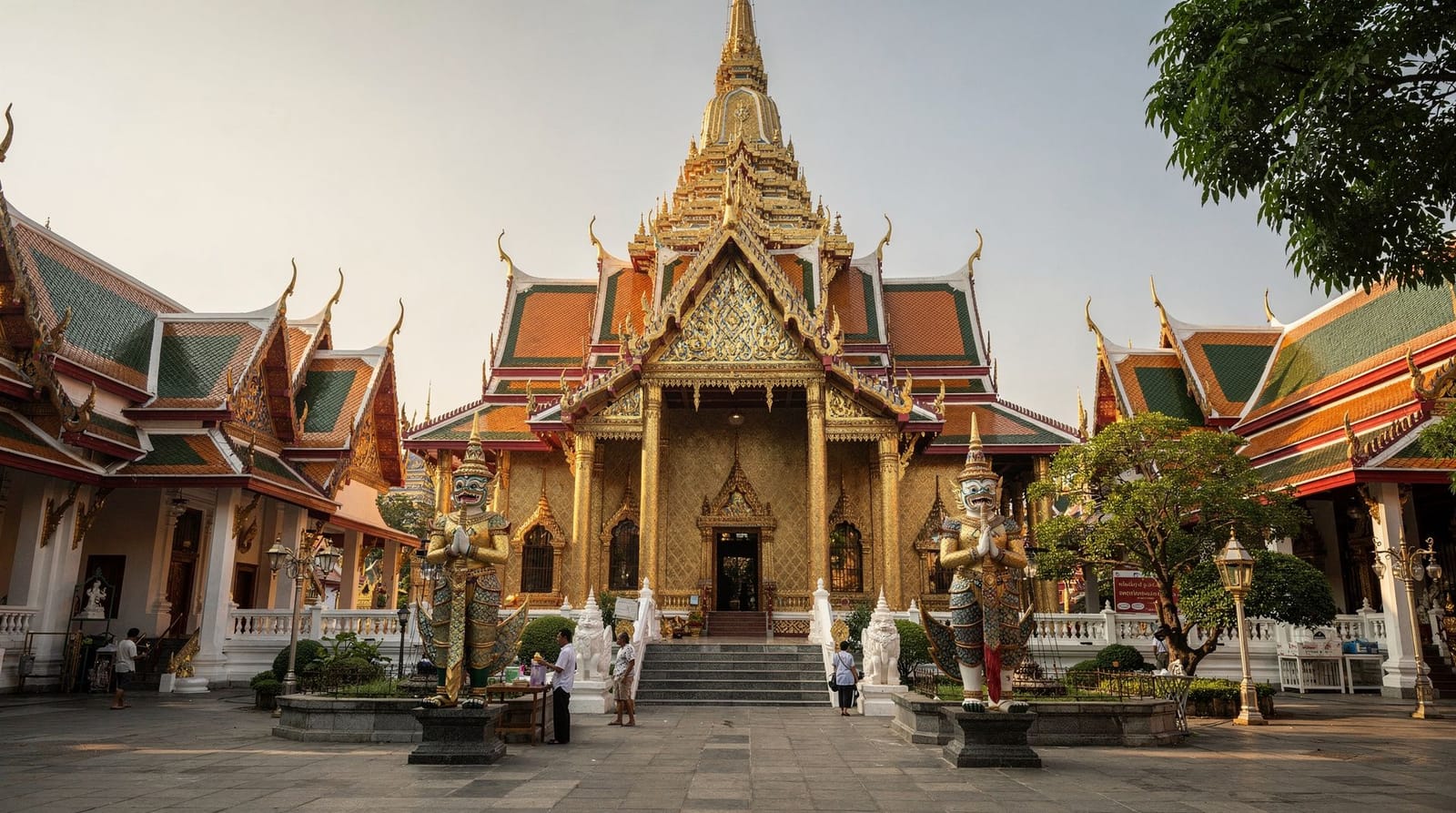
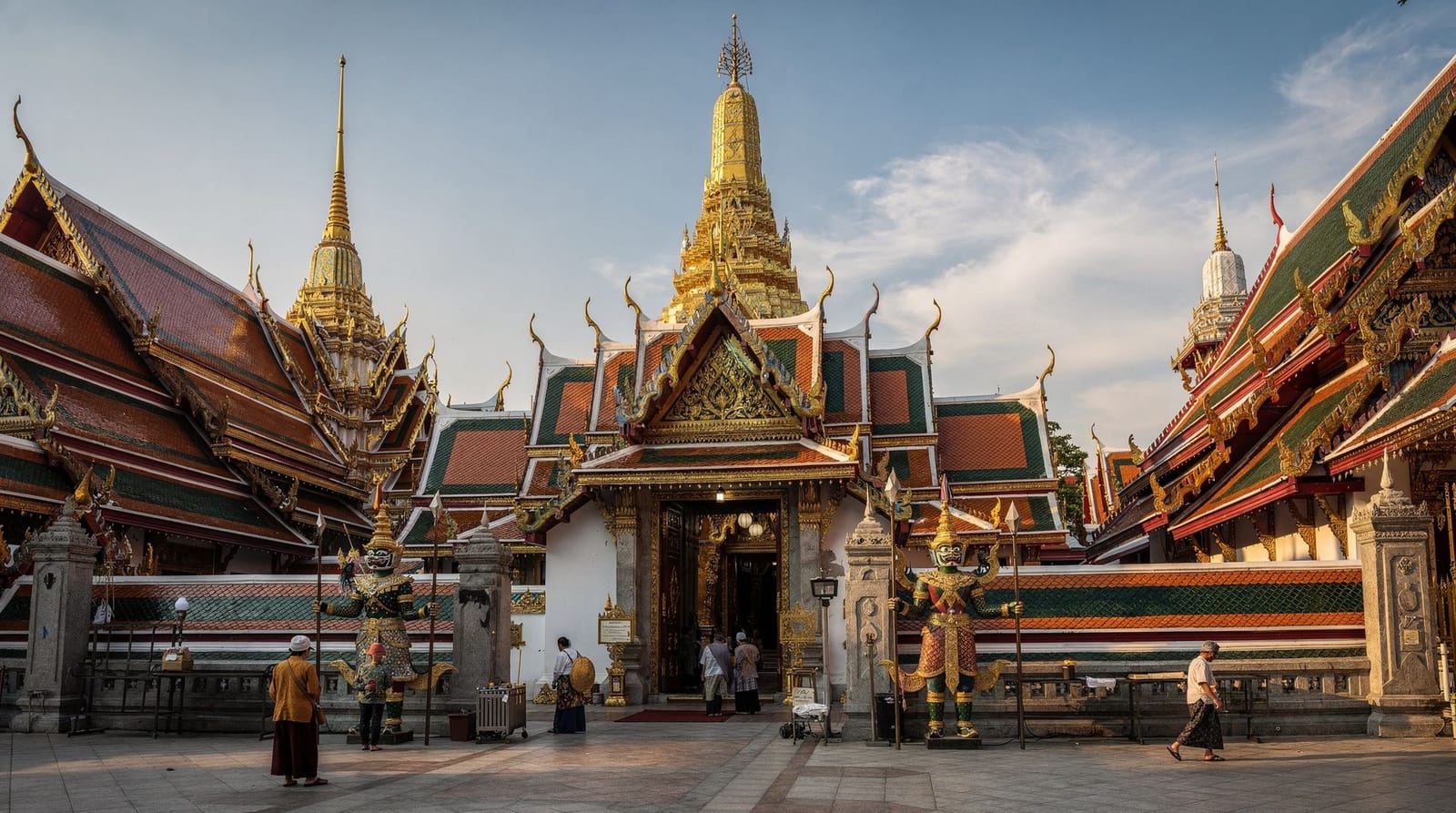
The reason most visitors come to Dusit is Wat Benchamabophit, the Marble Temple, and it is worth the trip. Completed in the early 1900s under Rama V, its ordination hall is clad entirely in white Carrara marble imported from Italy, with a roof of orange glazed tiles, curved gables and gilded detailing. Stone lions guard the entrance, and a courtyard gallery displays 52 Buddha images in styles gathered from across Asia. It is one of the most photographed temples in Bangkok and arguably its most elegant — restrained where the Grand Palace is exuberant.
Come in the early morning: the white marble glows in soft light, and around 6:30 am you can watch monks line up to receive alms from the faithful in front of the temple — a quiet, genuine ritual you will not see at the crowded sites. Entry is around 100 THB (about USD 3). The image of this temple appears on the back of the 5-baht coin, which tells you something about its status. For full details see the Wat Benchamabophit guide. A guided loop pairing it with the city’s other marquee temples — the Grand Palace, Wat Arun and Marble Temple tour or the two-temple golden and marble tour — is the easiest way to fold Dusit into a temple day, given the area’s awkward transit links.
The Ananta Samakhom Throne Hall and Dusit Palace grounds
The Ananta Samakhom Throne Hall is the showpiece of Dusit — a vast Italian-Renaissance domed building of grey marble that served as the country’s first parliament and now hosts state functions. With its frescoed central dome and grand proportions, it would not look out of place in Rome. Behind it stretch the Dusit Palace grounds, the former royal residence developed by Rama V, which historically included the all-teak Vimanmek Mansion (the world’s largest golden-teak building) and several museum pavilions.
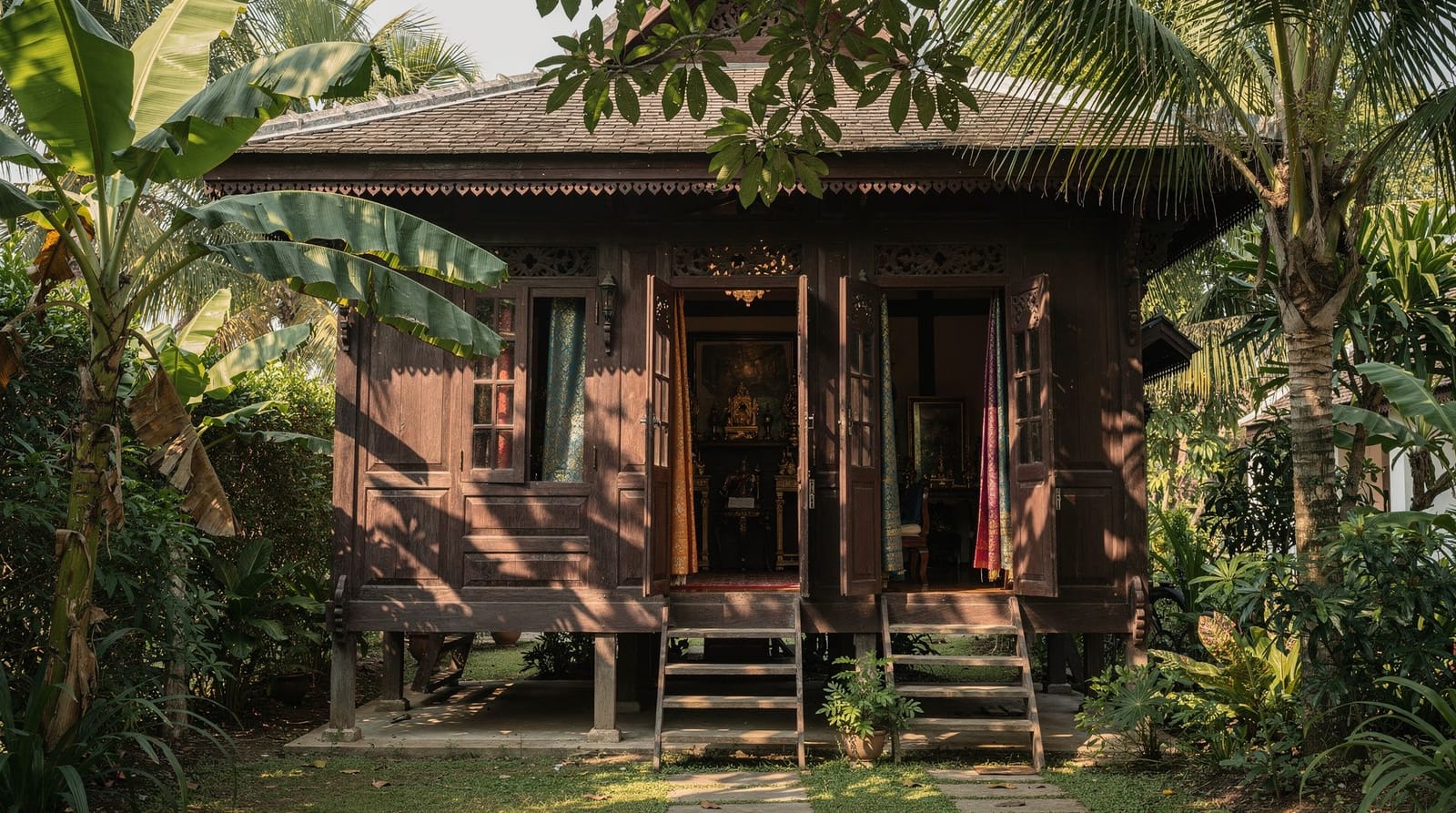
The Vimanmek Mansion deserves a word on its own: a three-storey L-shaped palace said to be built entirely of golden teak without a single metal nail in its structure, originally assembled on the island of Ko Sichang and moved piece by piece to Dusit in 1901 on Rama V’s orders. It served as his residence while the throne hall was being finished, and its airy, breeze-catching design shows the same European influence as the wider district, reinterpreted in traditional Thai materials. As with the throne hall, check current access before planning a visit specifically to see the interior, since opening hours for the museum pavilions have varied in recent years.
A practical note: access to parts of the Dusit Palace complex, the throne hall interior and individual museums has been intermittent in recent years, with closures for restoration and royal use. Check current opening status before making a special trip, and treat the throne hall’s exterior and the surrounding boulevards as the guaranteed reward. The throne hall also sits at the end of the ceremonial Ratchadamnoen Avenue, Bangkok’s grandest boulevard, lined with monuments and used for royal processions.
Royal Plaza and the boulevards
In front of the throne hall, the Royal Plaza centres on the equestrian statue of King Chulalongkorn, a focus of national reverence. The whole district is designed for ceremonial sightlines, and simply walking or cycling the broad, leafy avenues — past ministries, embassies and garden walls — is a pleasant, unhurried way to spend a morning. Because Dusit is so spread out and green, a bike tour suits it well; the classical bicycle tour covers old-Bangkok ground at a gentle pace.
A respectful word: Dusit is the most royal district in a country with strict lèse-majesté laws. Treat royal images, statues and buildings with respect, dress modestly, and behave appropriately around the palaces and the King Chulalongkorn statue. See the monarchy and lèse-majesté guide and the Thai customs guide.
How Dusit fits a Bangkok itinerary
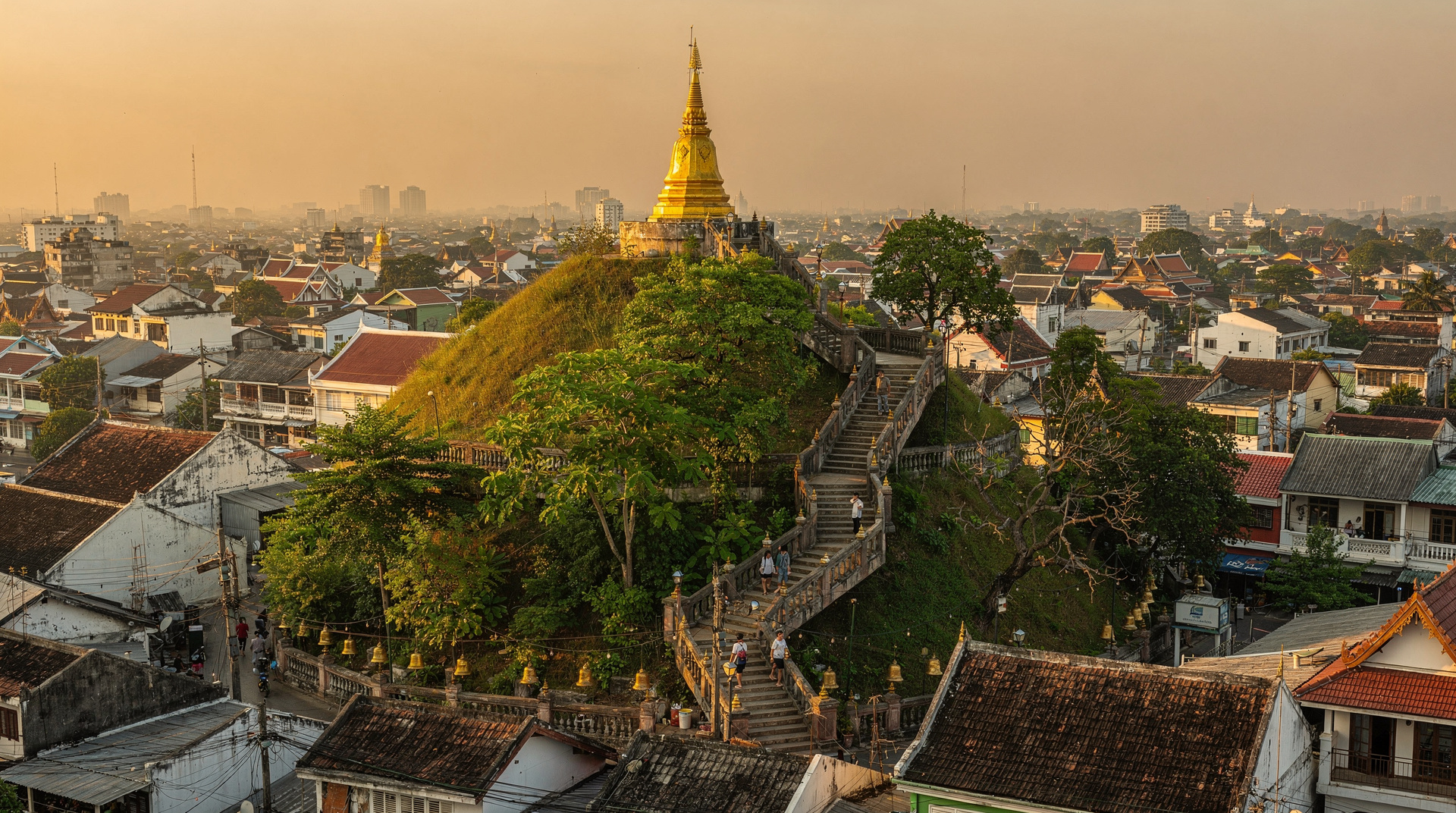
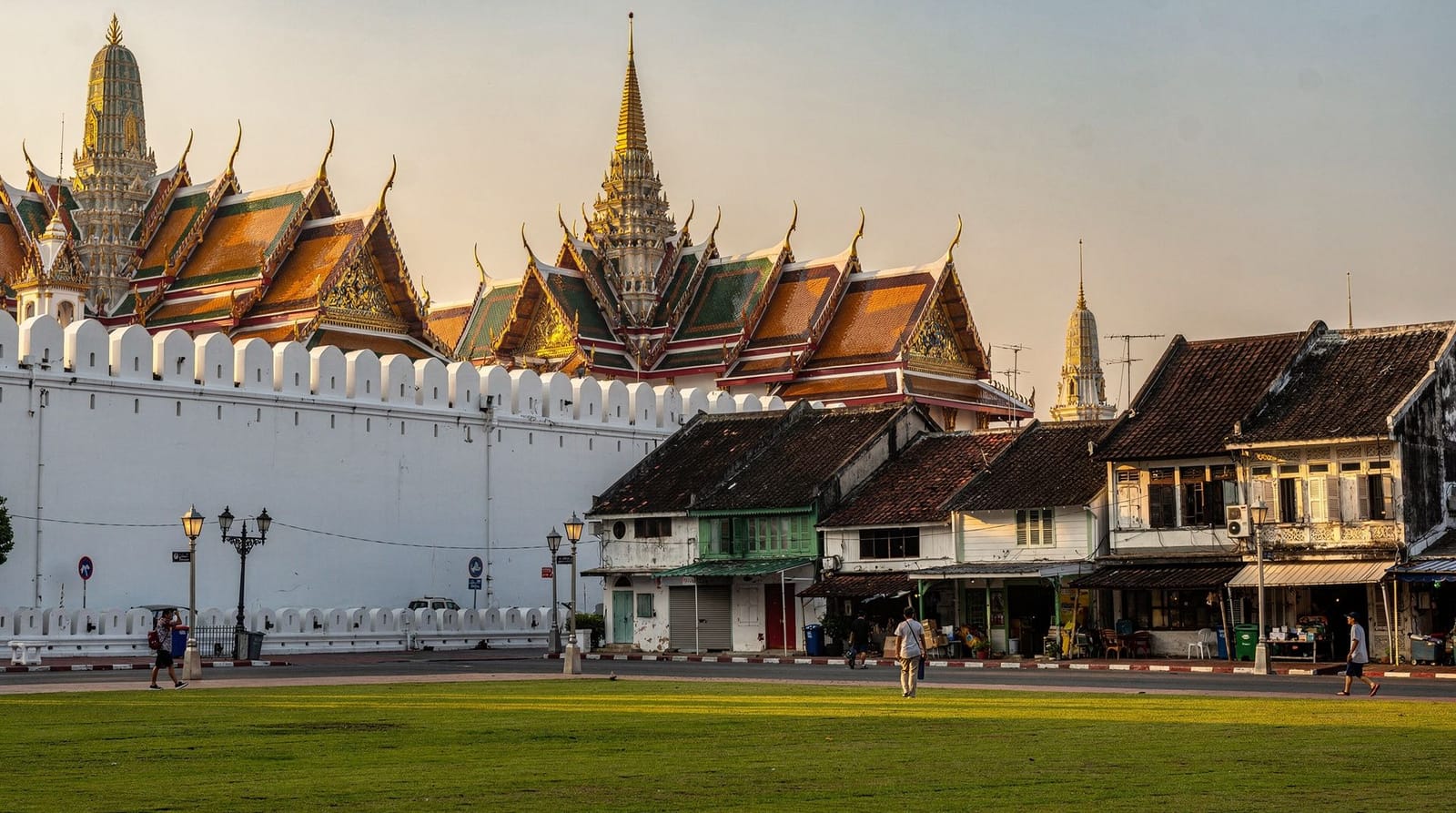
Dusit is best treated as a half-day add-on rather than a destination in itself. It pairs naturally with the Golden Mount and Phra Nakhon temples just to the south, and with the wider Rattanakosin old city. Many visitors combine the Marble Temple with the Grand Palace and Wat Arun in a single guided temple loop — the Wat Traimit, Wat Pho and Benchamabophit tour is one such route. Khao San and Banglamphu, about 20 minutes away, make a convenient base. For a self-guided temple day, see the temple-hopping route and best temples guide. A flexible half-day guided city temples tour can include Dusit’s sights without you wrestling with the transit, and given how spread out and awkward the district is to reach independently, the flexible private temple tour is worth considering if you want Dusit on your own schedule rather than a fixed group itinerary.
| Dusit | Rattanakosin (Grand Palace zone) | |
|---|---|---|
| Crowds | Light | Heavy |
| Transit | No BTS/MRT; Grab or taxi | Boat piers, walkable from old city |
| Character | Spacious European-style boulevards | Dense, ceremonial, exuberant |
| Star sight | Marble Temple, throne hall exterior | Grand Palace, Wat Pho, Wat Arun |
| Pace | Calm, unhurried | Busy, can feel rushed |
Eating in Dusit
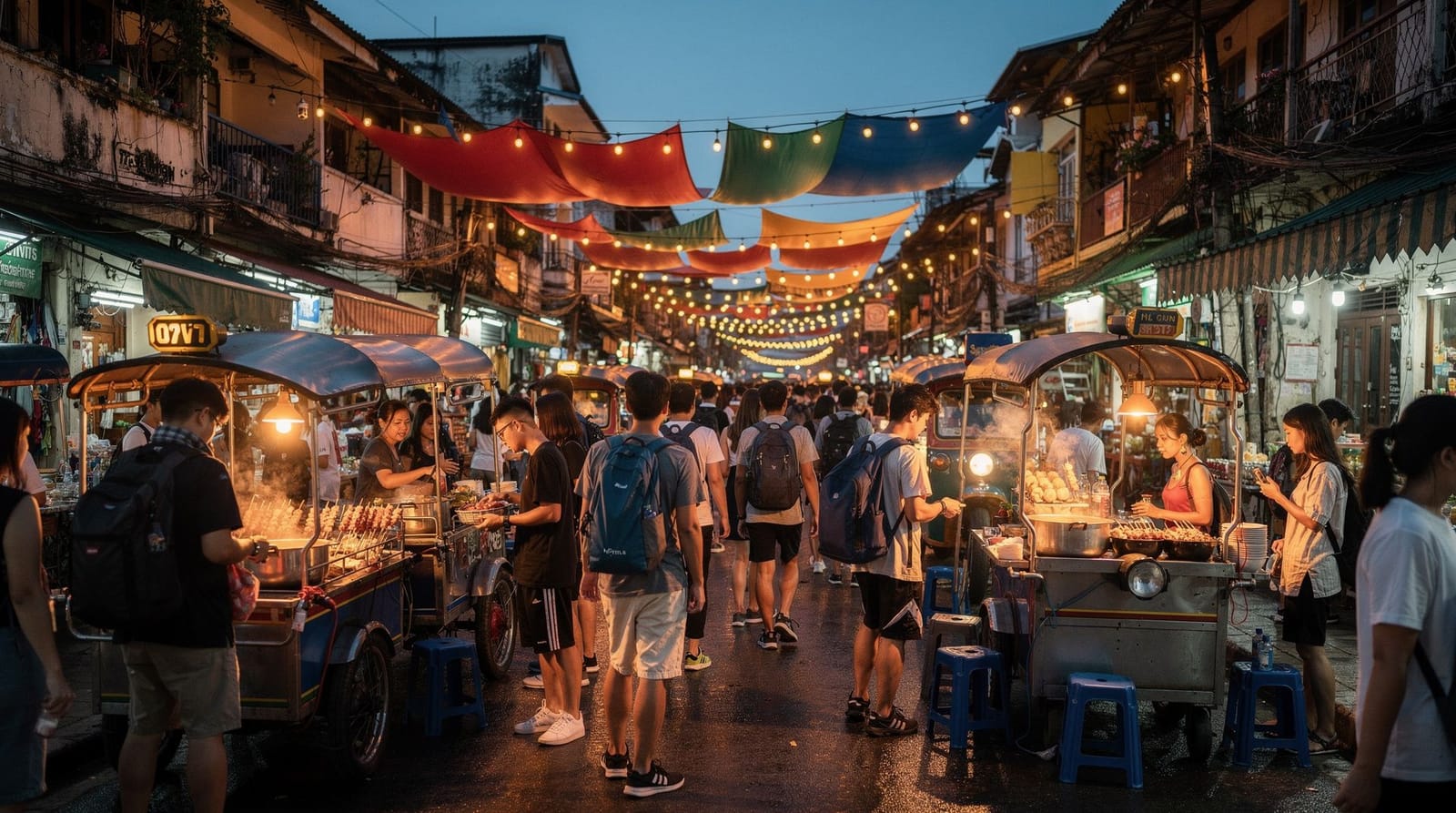
Dusit is residential and administrative rather than a food destination, but the lanes near the old Dusit Zoo site and along Sukhothai and Nakhon Ratchasima Roads have honest local canteens, noodle shops and rice-and-curry stalls catering to office and ministry workers — cheap, authentic and uncrowded. For a more serious meal, you are a short ride from the old city’s eateries or the booming Banthat Thong food street. The broader street food guide and culture guide give more context on the area’s quieter, more local character.
Getting there and around
Dusit’s main drawback is transport: there is no nearby BTS or MRT station, and the district’s size means a lot of walking once you arrive.
- Grab or metered taxi is the most practical way in — about 15–20 minutes from the old city or Khao San. Insist on the meter or use Grab; see the Grab and taxi guide.
- Public buses run along Ratchadamnoen Avenue from the old city, but routes are confusing for visitors.
- Bicycle is genuinely pleasant here given the wide, low-traffic boulevards — several old-city bike tours include Dusit.
Plan around possible royal closures, dress modestly, and aim for an early start to enjoy the Marble Temple at its best. For a temple-focused day that can include Dusit, see the Bangkok temples itinerary and the hidden gems guide.
Frequently asked questions about Dusit
Is the Marble Temple worth the trip out to Dusit?
Yes — Wat Benchamabophit is one of Bangkok’s most beautiful and least crowded temples, and its white Italian-marble architecture is genuinely distinctive. Go early for the soft light and the morning alms-giving. Most visitors combine it with the Grand Palace and other temples on a guided loop, which solves Dusit’s awkward transport.
How do I get to Dusit — is there a BTS or MRT station?
No, there is no Skytrain or subway station within easy reach of Dusit’s main sights. The most practical option is a Grab or metered taxi (15–20 minutes from the old city or Khao San). Some old-city bike tours include Dusit’s boulevards, which suit cycling well.
Can I go inside the Ananta Samakhom Throne Hall?
Interior access has been intermittent in recent years, with closures for restoration and royal use. The grand grey-marble exterior and the surrounding Royal Plaza are always worth seeing, but check current opening status before planning a visit specifically to go inside.
Is there a dress code, and do I need to be careful around royal sites?
Yes on both counts. Cover shoulders and knees for the Marble Temple and remove shoes inside. Dusit is the country’s royal heart, so treat royal statues, images and buildings respectfully and dress modestly — Thailand enforces strict lèse-majesté laws.
What is the best time of day to visit Dusit?
Early morning. The Marble Temple’s white stone looks its best in soft early light, you can see monks receiving alms around 6:30 am, and the open boulevards are cooler before midday. The cool season (November to February) makes walking and cycling the district far more comfortable.
Can I combine Dusit with other old-city sights in one day?
Yes. Dusit works well as a half-day paired with the Golden Mount, Wat Suthat and the Grand Palace area. A common approach is a morning temple loop covering the Grand Palace, Wat Arun and the Marble Temple together, often on a guided tour to handle the transport between them.
What is the Vimanmek Mansion?
It’s a three-storey golden-teak palace within the Dusit Palace grounds, reportedly built without a single metal nail, moved piece by piece from Ko Sichang island to Dusit in 1901 on Rama V’s orders. It served as his residence while the Ananta Samakhom Throne Hall was under construction. As with the throne hall, check current opening hours before planning a visit, since museum access in the complex has varied in recent years.
Top experiences
Bookable activities with verified prices and instant confirmation on GetYourGuide.