A foodie's Bangkok bucket list: 15 dishes to chase
If you come to Bangkok and eat only pad thai and green curry, you have technically eaten in Bangkok the way you have technically seen Paris by photographing the Eiffel Tower from a bus. The city’s food is one of the deepest, most varied food cultures on earth, and a serious eater could spend a month here and not exhaust it. This is my running bucket list — the fifteen dishes I think every food lover should hunt down on a Bangkok trip, with where to chase them and what to pay. Cross them off one sweaty, delicious day at a time. The what to eat guide is the encyclopaedia; this is the hit list.
| Where | Chinatown/Yaowarat, Bang Rak, Banthat Thong, market food courts |
| Cost per dish | Around 15–180 baht street, more for Michelin-listed stalls |
| Best days needed | 3–4 days of focused eating, realistically longer |
| Best format | Graze 5–6 small meals a day rather than 3 big ones |
| Booking | None needed for stalls; book ahead for a food tour or class |
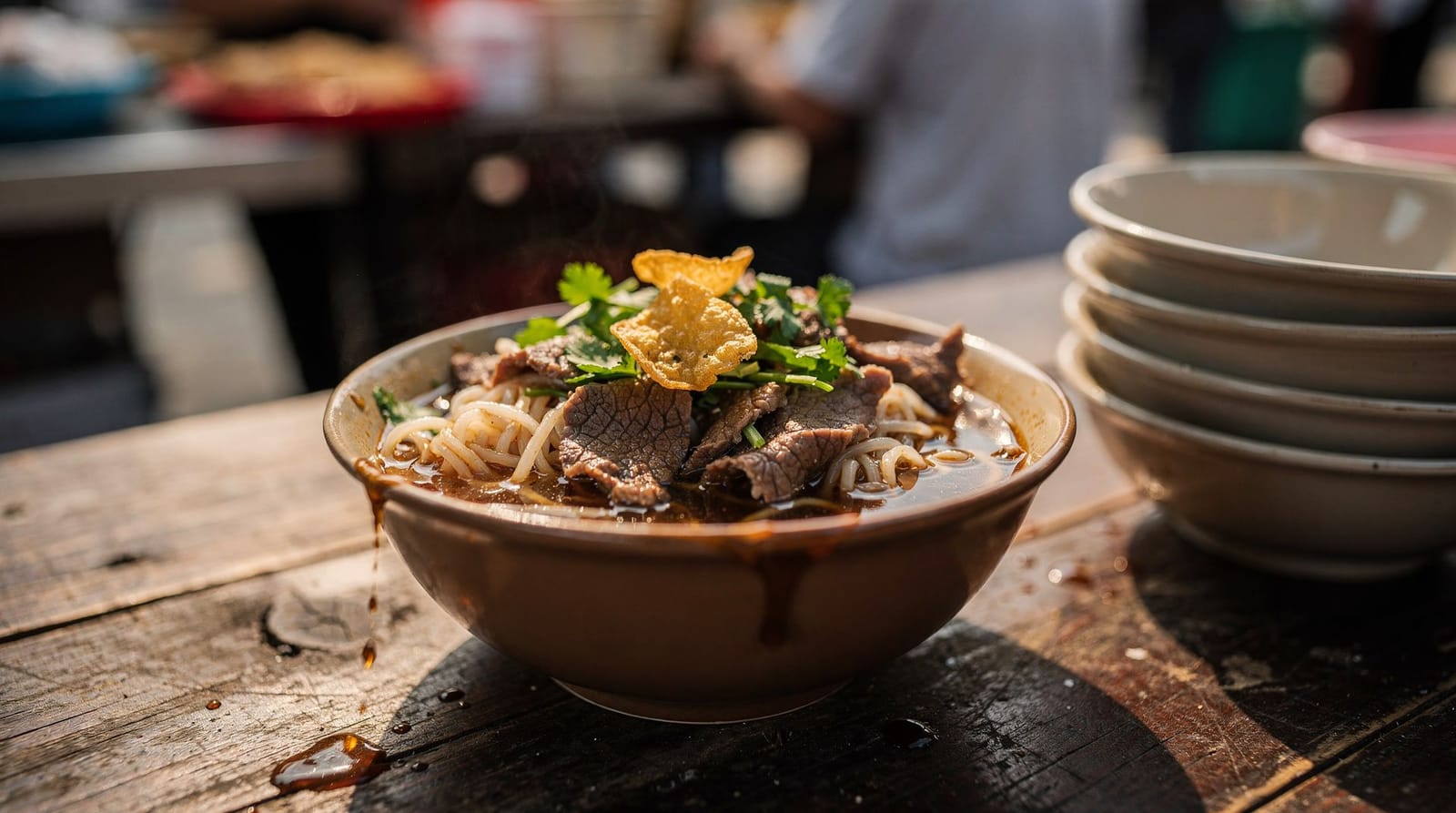
1. Boat noodles
Tiny, intense bowls of beef or pork noodle soup with a dark, rich broth, traditionally sold from boats. Order five or six and stack the bowls. Best around Victory Monument, where the boat noodles guide maps the alley of stalls. Around 15 to 20 baht a bowl.
2. Pad thai, done properly
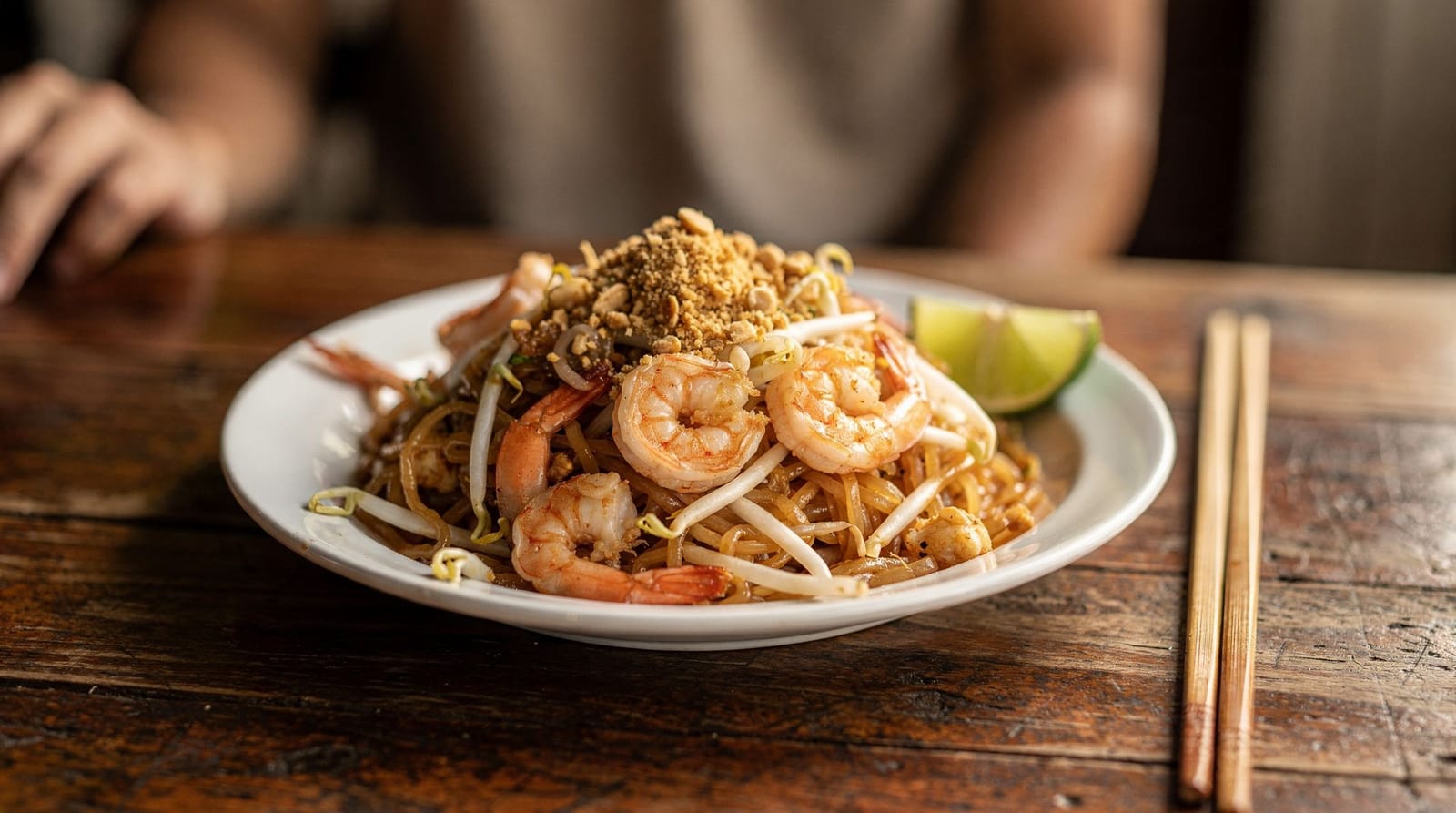
Not the gloopy tourist version — a real plate of wok-fried noodles with tamarind, dried shrimp and a thin egg crepe, ideally from a queue-out-the-door stall. The best pad thai guide settles the famous-stall debate. Around 60 to 120 baht.
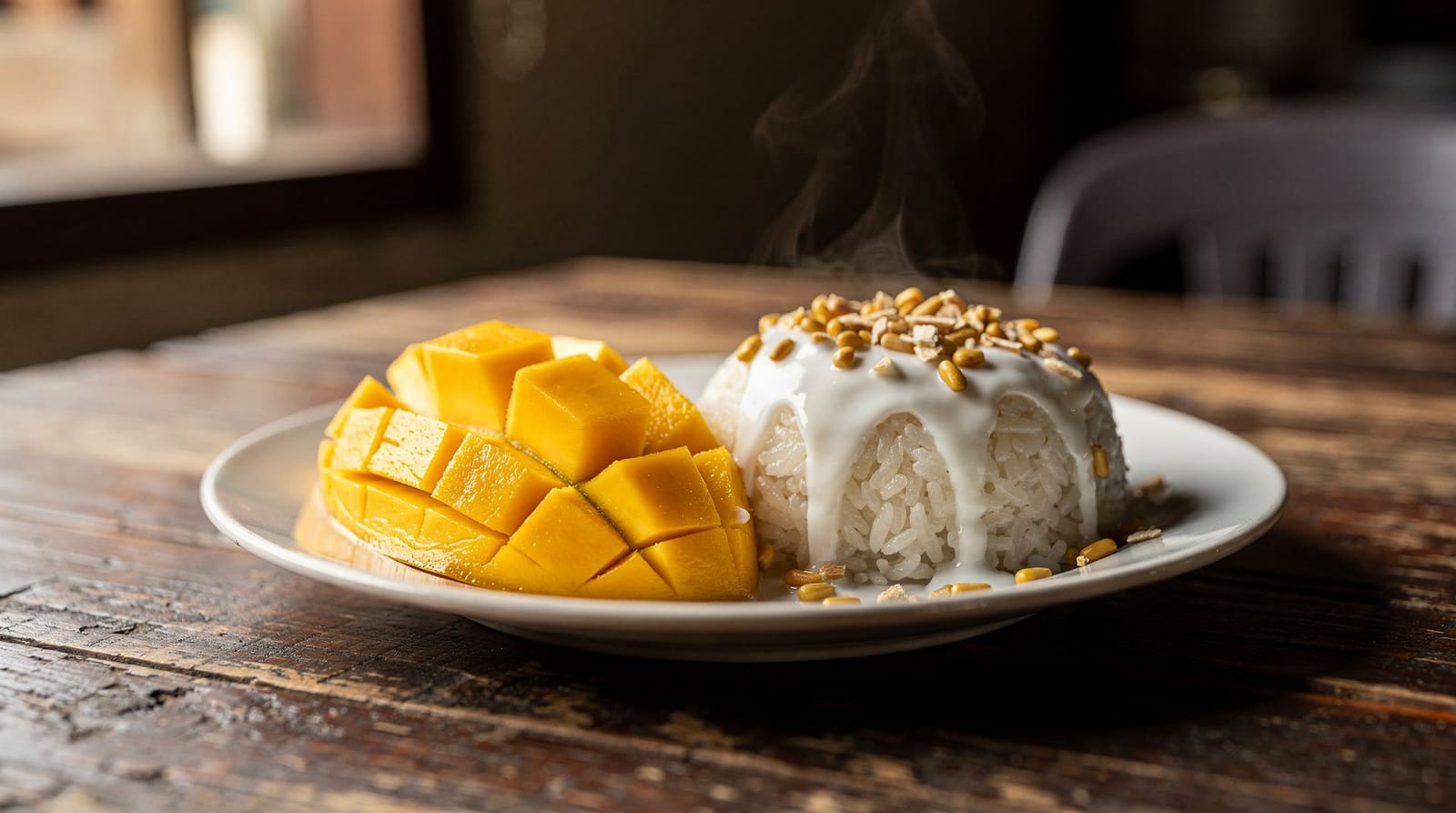
3. Mango sticky rice
The dessert that needs no introduction. Glutinous rice in coconut milk, fresh ripe mango, salted coconut cream on top. Best in mango season, roughly March to June. The mango sticky rice guide names the best vendors. Around 60 to 100 baht.
4. Khao man gai
The Thai take on Hainanese chicken rice — poached chicken, fragrant rice cooked in the broth, and a punchy ginger-chilli sauce that makes the dish. The khao man gai guide covers it. Around 50 to 80 baht.
5. Som tam
Green papaya salad pounded to order — pungent, spicy, sour, addictive. Specify your heat level. The full pla ra fermented-fish version is the authentic deep end. Around 40 to 70 baht.
6. Tom yum goong
The iconic hot-and-sour prawn soup, clear or creamy, balancing lemongrass, lime, chilli and prawn. Best from a shophouse that has made it the same way for decades. Around 80 to 180 baht.
7. Khao soi
A northern Thai curry-noodle soup with crispy noodles on top — not native to Bangkok but widely and brilliantly available, and a must for any food lover. Around 60 to 120 baht.
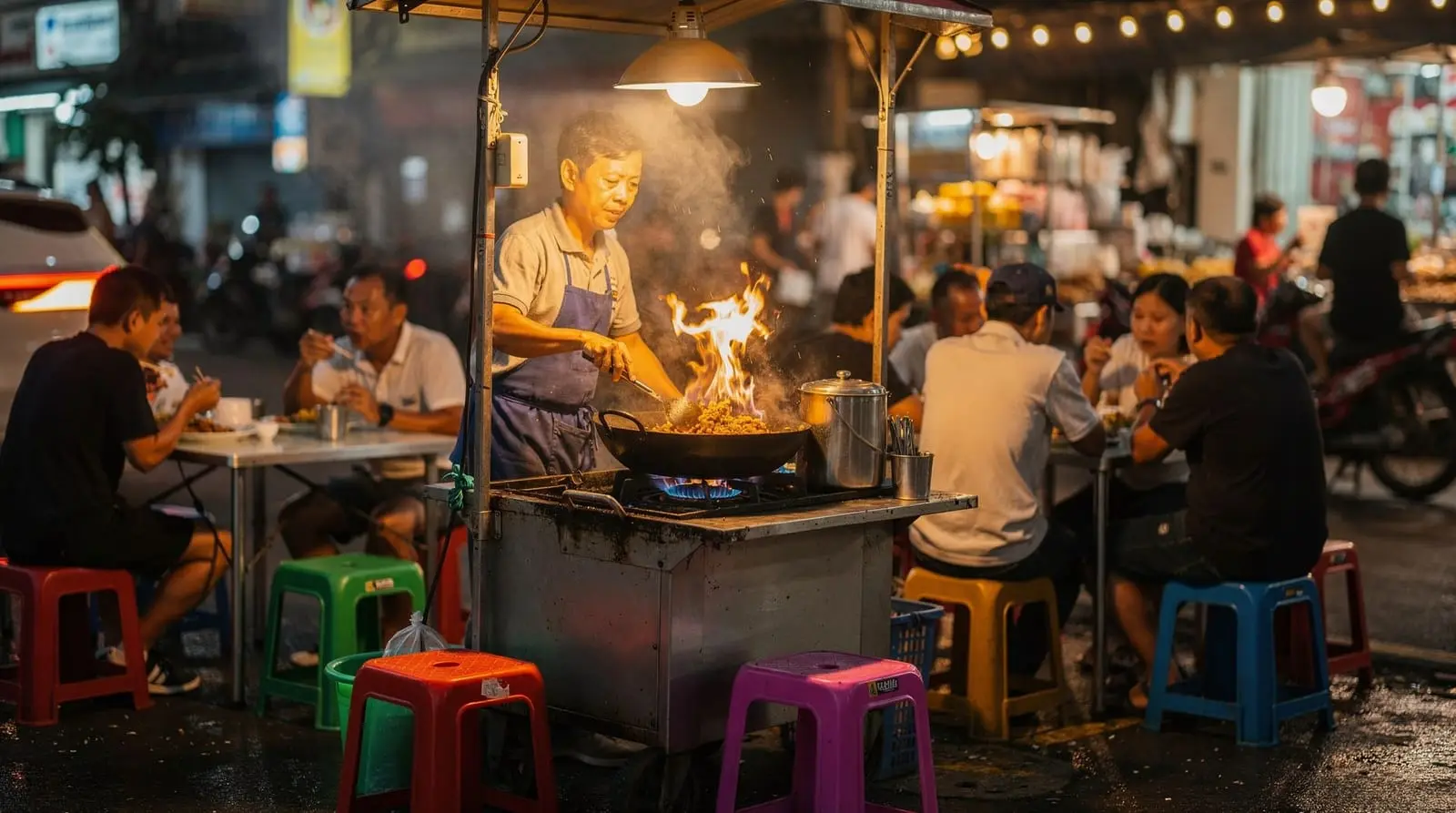
8. Yaowarat Chinatown street food
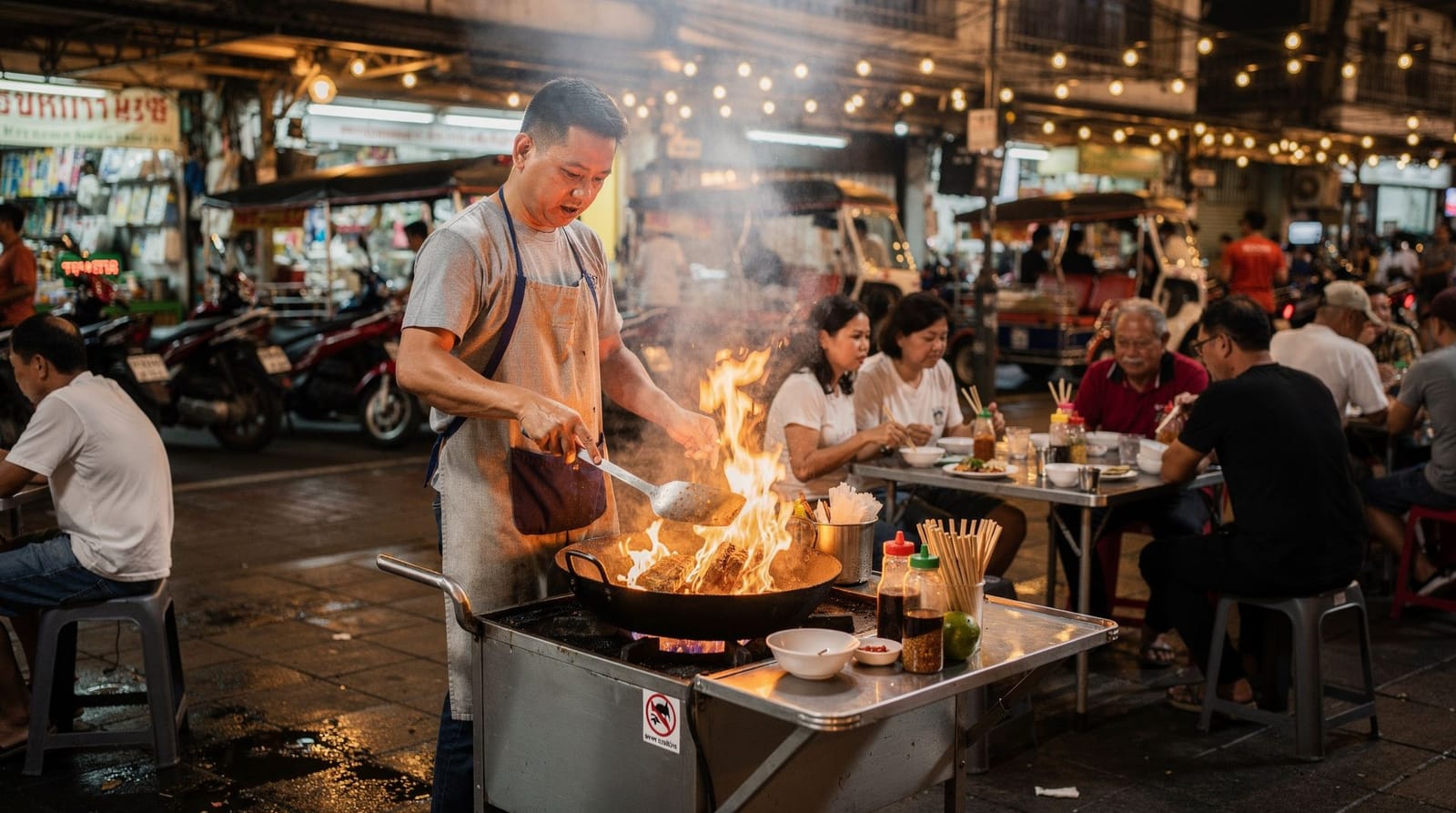
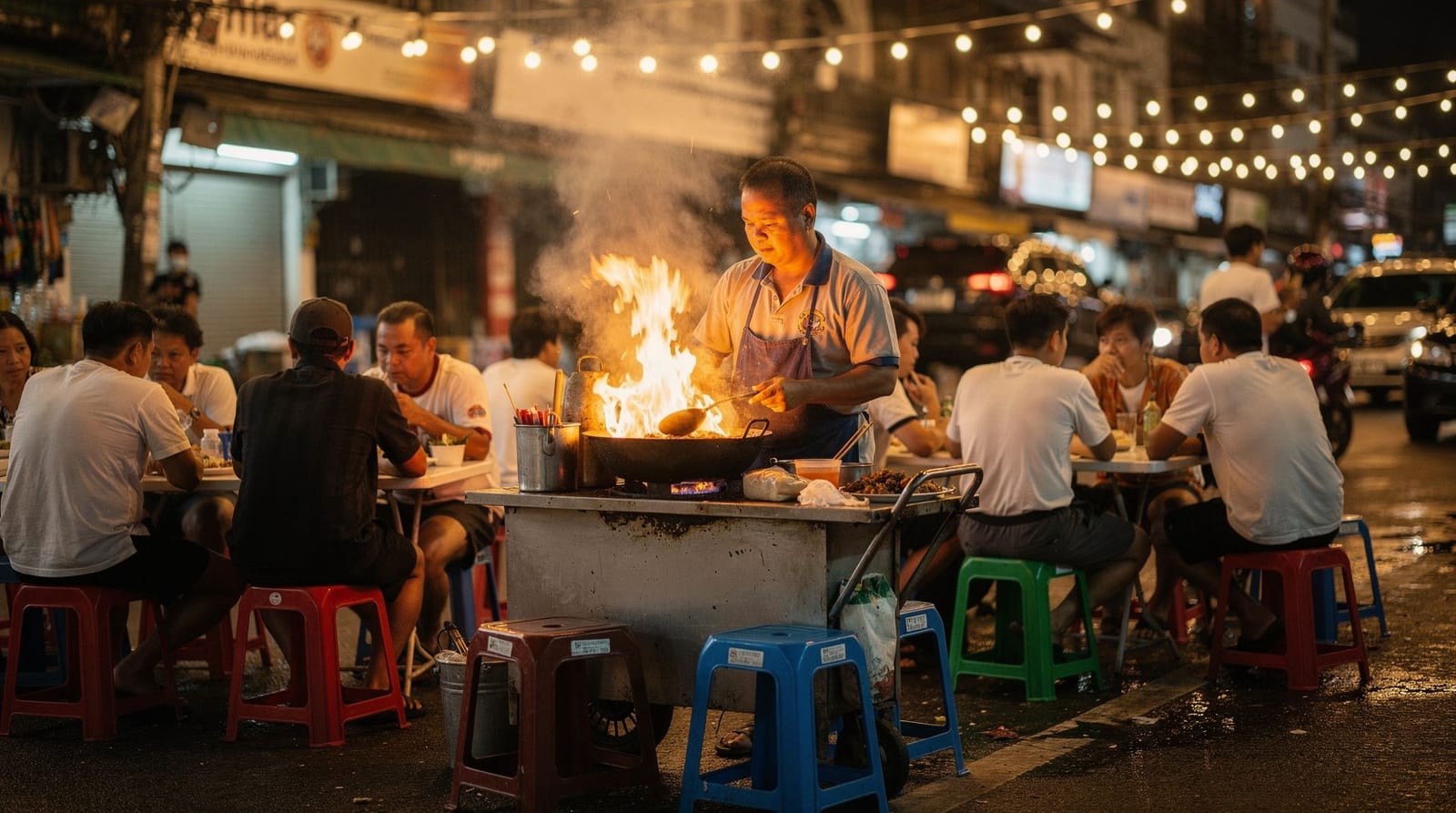
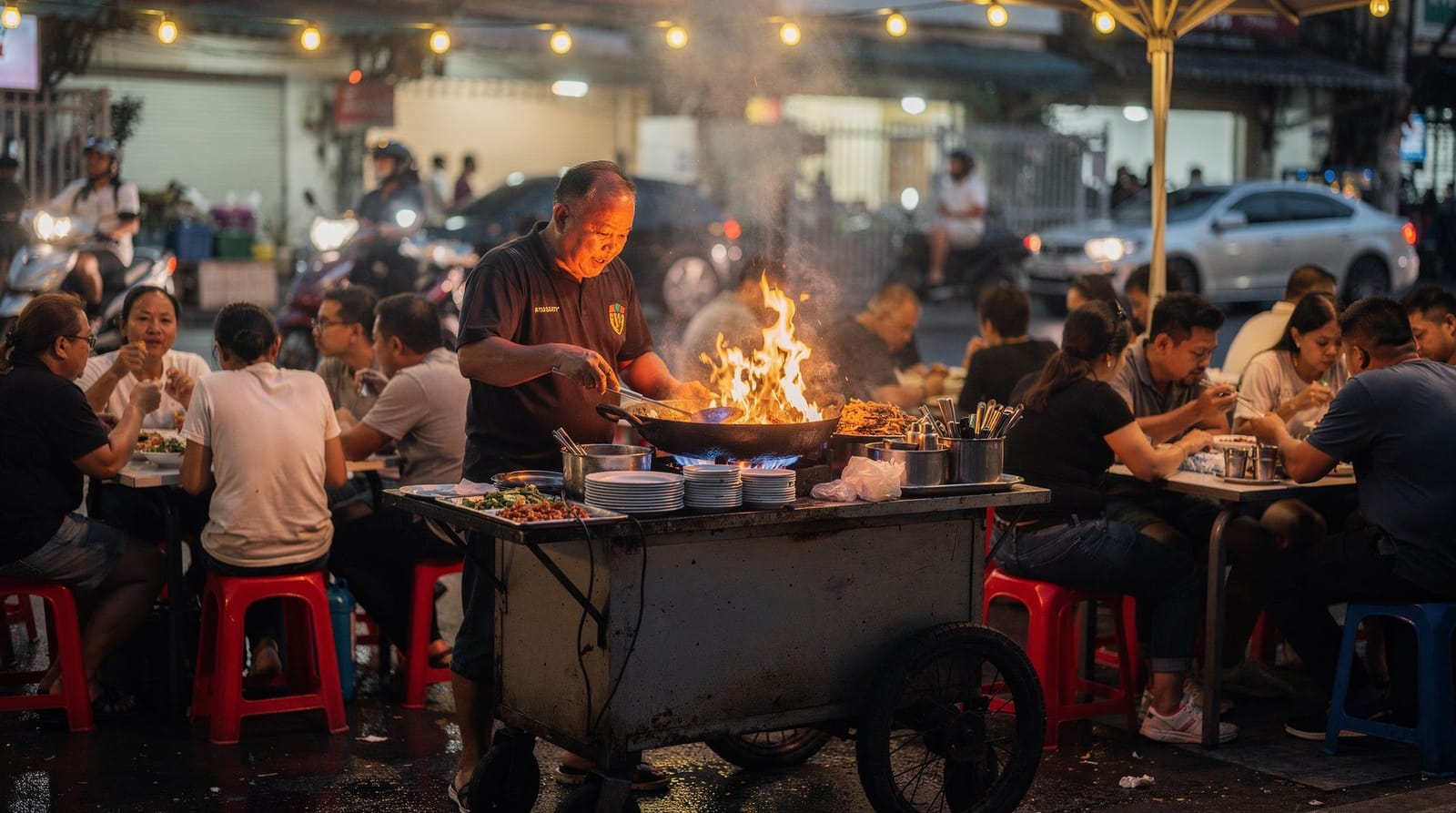
Less a dish than a feast — grilled prawns, kuay jab, charcoal toast, oyster omelettes, eaten down the neon corridor of Yaowarat Road. The Yaowarat food guide is your map. Budget 400 to 800 baht for a grazing crawl.
9. Pad krapao
The unofficial national fast food — minced meat stir-fried with holy basil and chilli, over rice, with a crispy fried egg on top. The default Thai office lunch and a thing of glory. Around 50 to 70 baht.
10. Guay teow reua and the noodle universe
Beyond boat noodles lies an entire galaxy of Thai noodle soups, each customised to taste with the four condiments — fish sauce, chilli, vinegar, sugar — on every table. Learning to season your own bowl is a rite of passage. Around 50 to 80 baht.
11. Roti and Muslim-Thai food
In areas like Bang Rak, the Thai-Muslim food — massaman curry, roti, khao mok gai (Thai biryani) — is a whole delicious sub-cuisine. The Bang Rak food guide covers it. Curry around 80 to 150 baht.
12. Michelin street food
Bangkok has Bib Gourmand and even starred street stalls. Queuing for a Michelin-recognised plate of crab omelette or boat noodles is a genuine bucket-list thrill. The Michelin street food guide lists them. Prices vary; some are still under 100 baht.
13. Fresh tropical fruit
Mangosteen, rambutan, durian, custard apple, rose apple — the fruit carts are a delicious adventure in themselves. A cut-fruit bag is 20 to 40 baht; a durian tray 100 to 300.
14. A proper Thai dessert beyond mango
Kanom — the world of Thai sweets — runs deep: coconut custards, sticky-rice treats, the bright threads of foi thong, grass jelly and shaved ice. Explore the market stalls. A few baht to 60 each.
15. A dish you cooked yourself
The final bucket-list item is not a stall but a skill. Taking a Thai cooking class — pounding your own curry paste, balancing tom yum by taste — deepens your understanding of everything else on this list and sends you home able to recreate it. The Banthat Thong food street is also worth a wander for the city’s hottest new eating strip.
A few extras that nearly made the fifteen
Fifteen was a brutal cut, and a handful of dishes lobbied hard for a place. Hoy tod, the crispy-chewy oyster or mussel pancake fried on a giant flat griddle and best eaten in Chinatown, is a 60-to-120-baht plate of genuine joy. Kuay teow kua gai, the smoky charcoal-fried chicken-and-egg noodle from the same Yaowarat lanes, is one of the city’s great late-night plates. Gaeng som, the fierce sour orange curry, divides people but rewards the brave. Sai krok Isan, the fermented sour pork sausages grilled at roadside stands for 10 to 20 baht apiece, are an addictive snack most visitors walk straight past. And kanom krok, the little coconut-pudding half-spheres cooked in a dimpled pan and sold warm for a few baht, are the breakfast sweet I miss most when I leave. None of them quite displaced the core fifteen, but a true bucket list is always overflowing, and these are where I would go next.
Where to base your eating
Geography matters when you are chasing dishes, because Bangkok’s food clusters by district. Chinatown / Yaowarat is the single richest hunting ground after dark — hoy tod, kuay jab, grilled prawns, charcoal toast and Michelin-listed stalls packed into a few neon blocks, best reached now that the MRT Blue Line stops right at Wat Mangkon. Bang Rak and Charoenkrung is the place for Thai-Muslim food, old-school noodle shops and the city’s deepest concentration of good cheap eats, walkable from Saphan Taksin BTS. Banthat Thong, near the National Stadium end of the BTS, has become the buzziest new eating strip in town, mobbed in the evenings. And for the classics under one roof, the food courts of Iconsiam and the old-Bangkok stalls of Rattanakosin put a lot of the list within easy reach. Planning your days around one food district at a time, rather than zig-zagging the city in the heat, is how you actually cross dishes off without exhausting yourself.
How to chase the list efficiently
You could chase these solo over a week, following the foodie itinerary, and that is the most rewarding way. But two shortcuts genuinely help. A guided food tour knocks out half the list in one evening while teaching you what you are eating, and a cooking class crosses off item fifteen and several others. An old-town food walk with fifteen tastings is practically a bucket list in tour form, and a Thai cooking class with a market tour lets you make the classics yourself. The street food guide ties it all together.
A practical day plan for the hungry
Pacing matters as much as the dishes, because Bangkok’s heat and the sheer volume of good food will defeat you if you treat eating as a race. The way I actually do it is to graze across five or six small meals rather than three big ones, because every dish here is cheap and modestly sized, and the joy is in breadth. A typical eating day for me starts with a morning bowl — jok rice porridge or khao man gai near my hotel for 50 to 80 baht — then a mid-morning street snack, a noodle lunch from a queue stall, an afternoon fruit bag and an iced coffee to survive the heat, an early-evening graze through a market, and a proper late dinner. I drink a lot of water, I never fill up on the first plate of the day, and I save the heaviest hitters — boat noodles, a Yaowarat crawl — for when I am genuinely hungry rather than merely curious. Eating little and often is how you cross off six or seven of these in a single day without ever feeling stuffed, and it mirrors how Thais actually eat, which is more or less continuously and in small portions.
Seasonal and timing notes worth knowing
A few of these dishes reward good timing. Mango sticky rice is best in mango season, roughly March to June, when the nam dok mai mangoes are at their fragrant peak; outside that window it is still good but never quite transcendent. Durian and the wider fruit haul also peak in the hot months, so a summer trip is a fruit-lover’s trip. Yaowarat in Chinatown is fundamentally a night affair — most of the great stalls only fire up their woks after dark, roughly from 6pm, and the street is at its neon best from then until late, so plan your Chinatown crawl as a dinner rather than a lunch. Boat noodle alleys and khao man gai shops, by contrast, are daytime affairs that can sell out by mid-afternoon, so go earlier. And the Michelin-listed stalls famously draw long queues, so arrive at opening or be prepared to wait an hour for your moment of glory. Matching the dish to its best hour is a small discipline that turns a good eating day into a great one.
The honest truth about the list
No fifteen-item list can contain Bangkok’s food — for every dish here there are ten regional specialities, market sweets and shophouse signatures I had to leave off. Treat this as a starting grid rather than a finish line. Cross these off, and you will not have finished eating Bangkok; you will simply have understood why it is impossible to finish, and why every food lover who comes here ends up planning their return before they have left.
Frequently asked questions about a Bangkok food bucket list
What is the must-try dish in Bangkok?
If you try only one thing, make it boat noodles near Victory Monument or a proper plate of pad krapao with a fried egg. Both are cheap, authentic, and quintessentially Bangkok.
How much does it cost to eat through Bangkok’s bucket list?
Most dishes are 50 to 180 baht each, so you can eat through much of the list for a few hundred baht a day. A guided food tour or cooking class costs more but bundles several items together.
Is a Bangkok food tour worth it for foodies?
Yes, especially early in a trip. A guided food walk crosses off several bucket-list dishes in one evening, vouches for the best stalls, and teaches you what you are eating, accelerating your own later explorations.
Where is the best area to eat your way through Bangkok?
Chinatown / Yaowarat after dark is the single richest hunting ground, packed with stalls and Michelin-listed plates and now served by the MRT at Wat Mangkon. Bang Rak and the new Banthat Thong strip are strong runners-up. Base each day around one food district rather than crossing the city.
How many days do I need to eat through Bangkok properly?
A serious eater can make real progress in three to four days if you base each day around one food district and pace yourself across several small meals. But honestly, the list never ends — most food lovers leave already planning the return trip.
For more on planning the eating, see the Bangkok foodie itinerary, the best cheap eats guide, the best food markets roundup and the thai cooking class guide for crossing off the final, hands-on item.