Monsoon travel tips for Bangkok: what I pack and how I plan
After a few rainy-season trips I have stopped treating Bangkok’s monsoon as a problem and started treating it as a set of logistics, and that shift in mindset is honestly the most useful tip I can offer. The rain is going to come; the question is simply whether you have planned for it or not. Here is the practical playbook I now use — what goes in my bag, how I structure a day around the storms, what to do about the flooding, and why the wet months are worth embracing rather than avoiding.
| Season | Roughly May–October, peaking September–October |
| Daily pattern | Dry morning, storm 3–5pm, clear evening |
| Pack | Dry bag, quick-dry clothes, rinseable shoes, small umbrella |
| Getting around | BTS/MRT over taxis when storms hit |
| Upside | Cheaper flights and hotels, thinner crowds |
First, understand the pattern
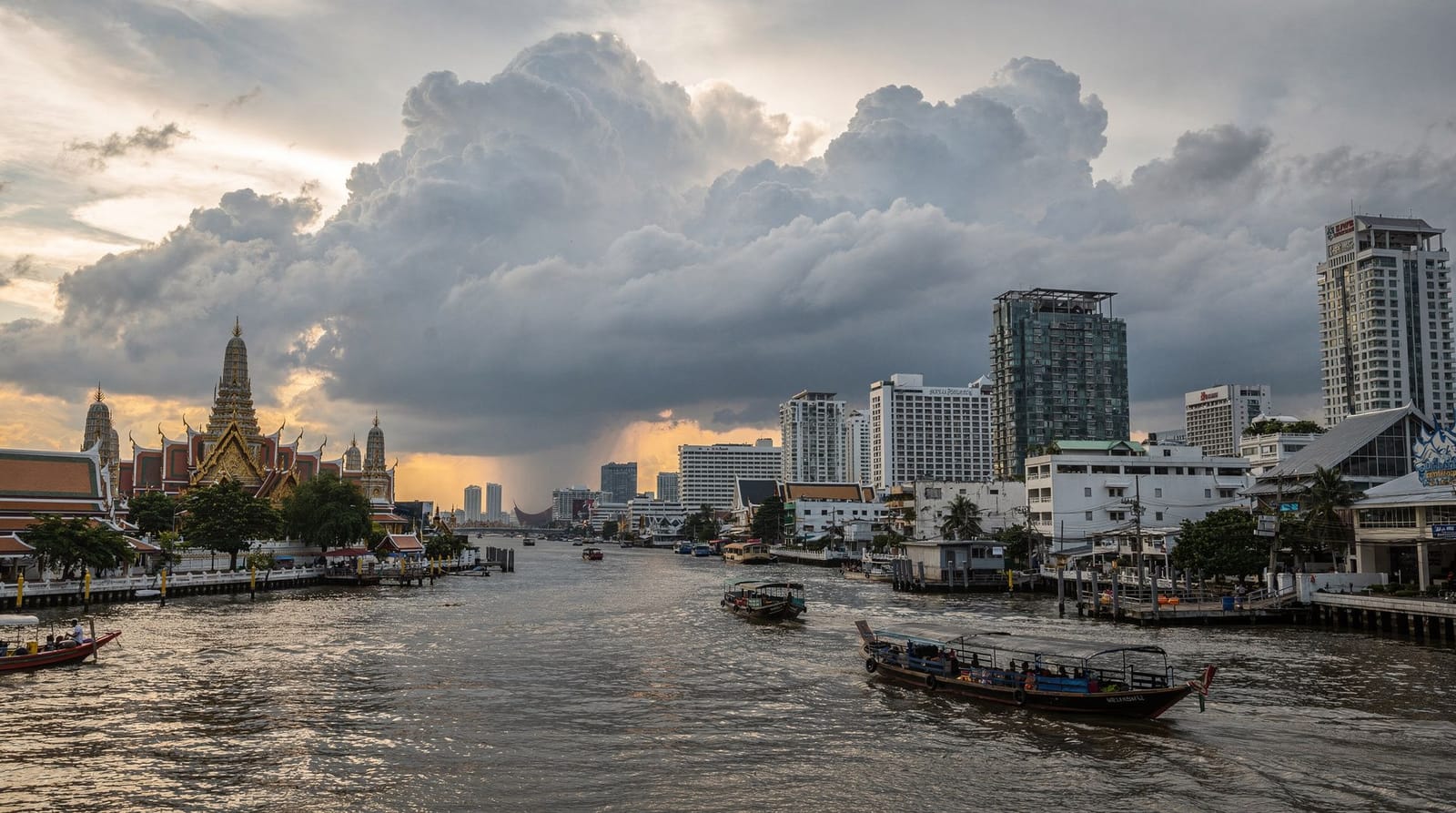
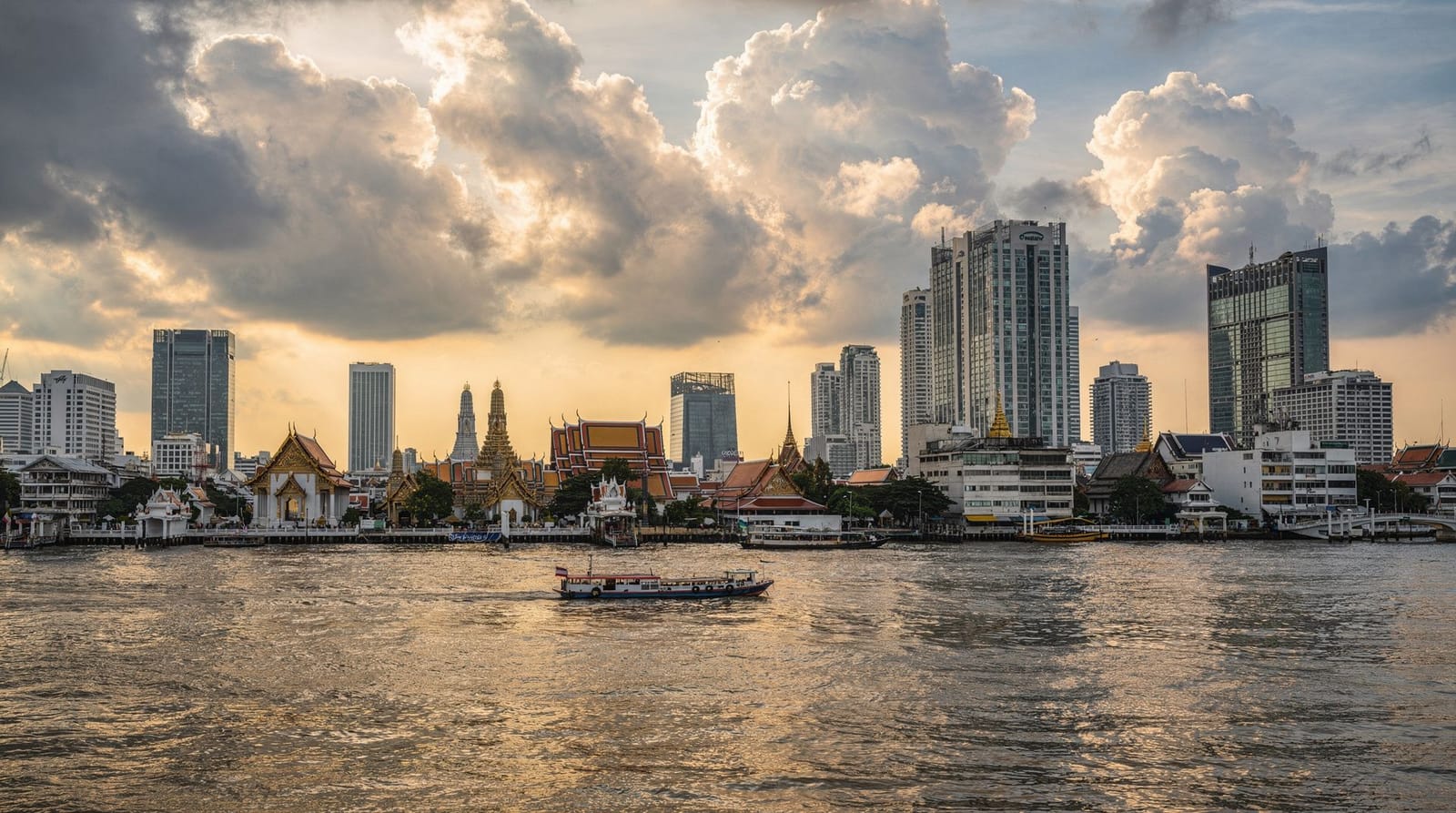
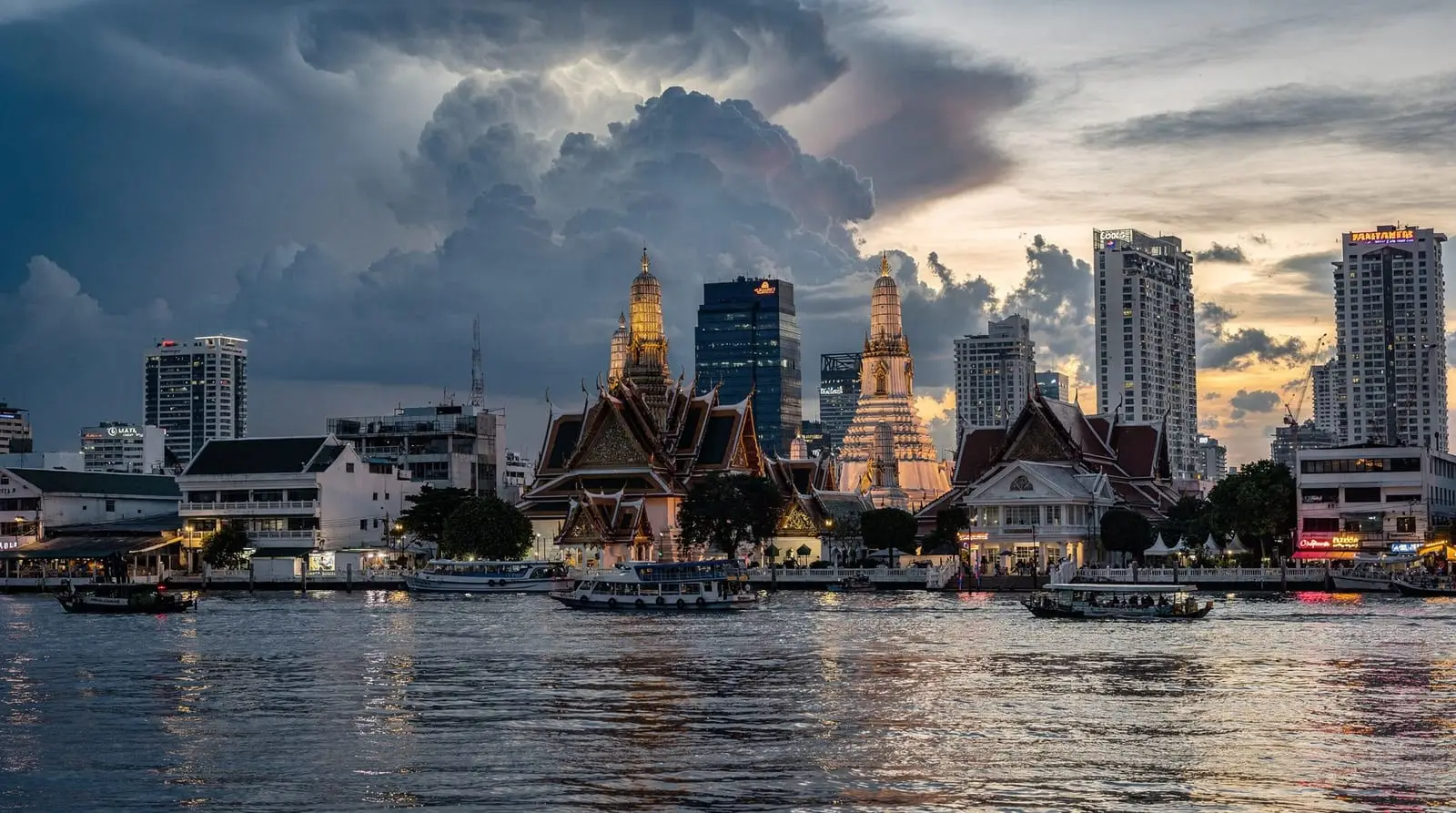
The single most important thing to internalise is that monsoon-season rain in Bangkok is usually not all-day rain. The classic pattern, which runs roughly May through October and peaks in September and October, is a hot, sticky morning, building cloud, then a dramatic downpour in the late afternoon — often 3 to 5pm — lasting anywhere from twenty minutes to a couple of hours, followed by a washed-clean evening. The rainy season guide and the month-by-month weather breakdown map this precisely. Plan your outdoor sights for the morning, build in an indoor option for the afternoon, and you will dodge most of the rain entirely.
What I pack for the monsoon
My monsoon kit is short and specific. A compact travel umbrella, though you can buy a cheap one at any 7-Eleven for 150 baht if you forget. A small dry bag or a couple of zip-lock bags for phone, camera and documents — this is the one item people most regret skipping. Quick-drying clothes in synthetic or technical fabrics rather than cotton, which stays sodden for hours. Sandals or shoes you can rinse and that dry fast, not your good leather trainers, because you will wade through a flooded soi at some point. A lightweight packable rain jacket if you run cold in air-conditioning. And a small microfibre towel. That is genuinely it. The what to pack guide has the full list, but those are the monsoon essentials.
How I structure a monsoon day
The rhythm is everything. I front-load the day: up early, outdoor sights and temples in the cooler, drier morning hours when the rain is least likely. By early afternoon, as the clouds build, I am moving toward something indoor — a long lunch, a mall, a museum, the Jim Thompson House, a cooking class, a massage. I let the afternoon storm pass while I am sheltered and dry, then re-emerge into the fresh evening for street food and walking. This single structural habit — outdoor mornings, indoor afternoons, outdoor evenings — turns the monsoon from an obstacle into a non-issue. The Bangkok in the rain guide is basically a menu of indoor afternoon options.
A cooking class is my favourite wet-afternoon move, because it is completely indoor, hands-on, and ends with you eating what you cooked while the storm hammers the roof. A Thai cooking class with a market tour times perfectly to fill the rainy hours productively. The other habit worth building is the lazy long lunch: pick a restaurant or a covered market hall around midday, eat slowly, order coffee, and simply let the worst of the afternoon storm blow through while you are dry and fed. In a hot, humid climate this is not laziness but smart pacing, and it means you re-emerge into the cooler, rain-washed evening with energy left for the part of the day Bangkok does best.
Dealing with the flooding
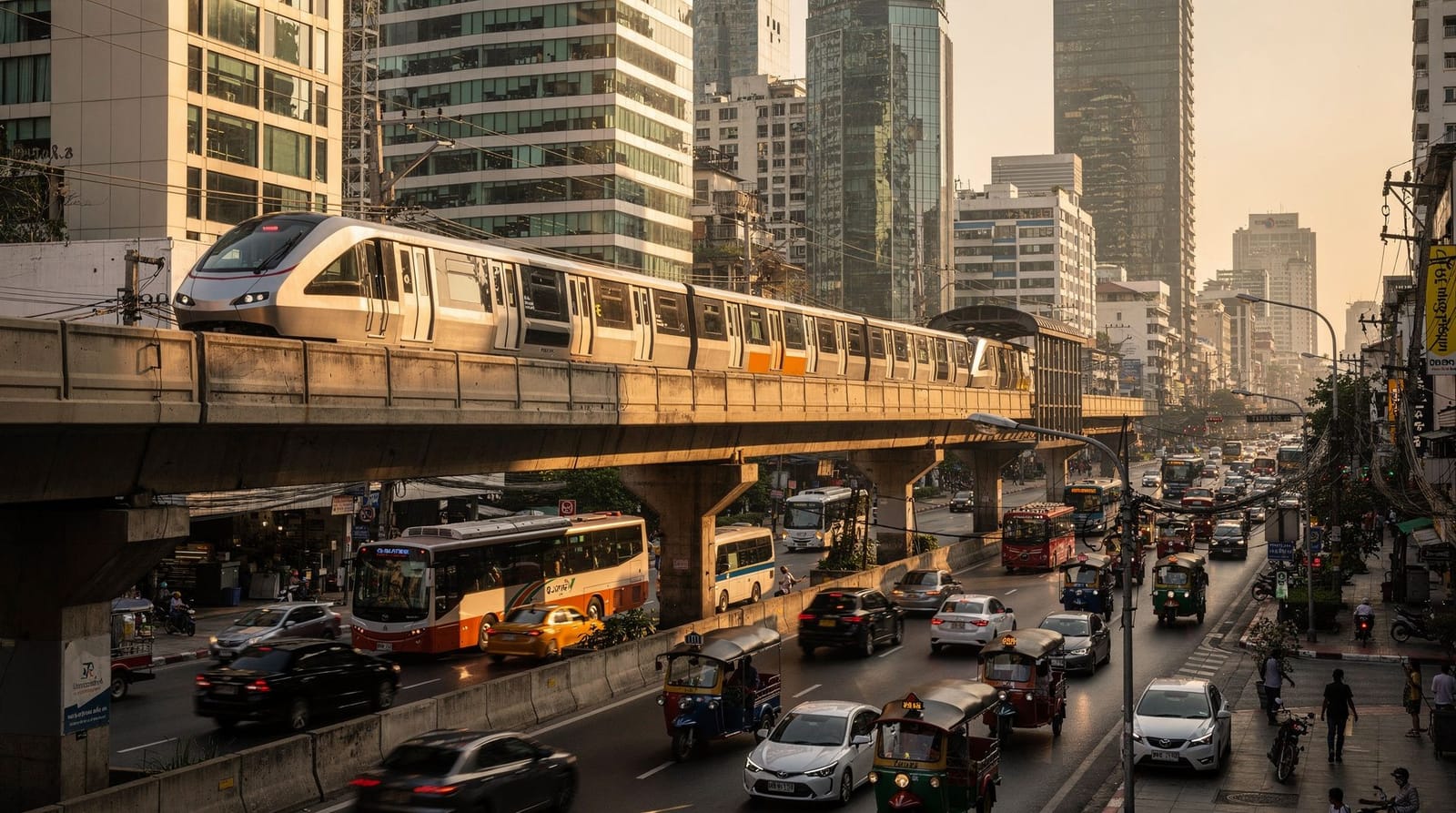
The flooding is real and worth a clear-eyed word. Bangkok sits barely above sea level and drains slowly, so after a heavy downpour certain low-lying streets flood ankle- to occasionally knee-deep, sometimes within minutes. It usually recedes within an hour or two. The practical responses: wear rinseable footwear, keep valuables in a dry bag, and rely on the elevated BTS, which keeps running serenely above the flooded streets while taxis sit stranded in them. The getting-around guide is worth reading for this reason — during the monsoon, the rail network is your most reliable friend and the roads your least. Avoid motorbike taxis in heavy rain; the accident rate climbs sharply on wet roads.
Watch the radar
A small modern trick that has transformed my monsoon days: download a live weather-radar app and watch the storm cells approach in real time. The rain in Bangkok is highly localised and visible on radar an hour or more before it arrives, which means you can make genuinely informed decisions — make a dash for the BTS now, or order another coffee and wait it out. I check the radar before committing to any outdoor stretch in the afternoon, and it has saved me from countless soakings.
The upsides you are buying
Here is why I actively choose to travel in the monsoon. It is low season, so flights and hotels are cheaper, sometimes dramatically. The crowds at the temples are thinner — I have had the Grand Palace courtyards nearly to myself after a morning shower. The heat, while humid, is less savage than the April furnace. And the countryside around the city, the rice paddies on the way to Ayutthaya and Kanchanaburi, is lush and green rather than dry and brown. The best time to visit guide is refreshingly honest that the wet season is a smart, value-driven choice for the prepared traveller, not a compromise.
The best indoor afternoons, ranked
Because the afternoon shelter is the linchpin of the whole strategy, it pays to have a mental list of genuinely good indoor options rather than just diving into the nearest mall. My favourites, roughly in order: a Thai cooking class, which is hands-on, delicious and eats two or three hours effortlessly; the Jim Thompson House, a beautiful teak compound and museum a short walk from the National Stadium BTS; a long, unhurried massage, which the rain makes feel positively decadent; the air-conditioned galleries of the Bangkok Art and Culture Centre, connected directly to the BTS at the National Stadium so you never step outside; and the big malls around Siam and Pratunam, which are destinations in their own right with cinemas, food halls and aquariums. The rainy-day-with-kids guide is a goldmine if you are travelling with children. The point is to have a couple of these pre-loaded so that when the radar turns purple you move decisively toward shelter instead of getting caught flat-footed.
What floods and what does not
Knowing which parts of the city cope with heavy rain and which turn into shallow rivers helps you plan a wet-season day. The elevated BTS and the underground MRT keep running through almost any storm — the BTS serenely above the flooded streets, the MRT in its sealed tunnels — which is why I anchor monsoon days to the rail lines. The Chao Phraya express boats also keep going, though a fierce squall can briefly disrupt the river piers. What suffers is road transport: low-lying streets in the old city, parts of Sukhumvit’s side sois, and Chinatown’s narrow lanes can flood ankle- to knee-deep within minutes and leave taxis stranded. Tuk-tuks and motorbike taxis become genuinely risky on slick roads. So the planning rule writes itself: during the wettest hours, be near a BTS or MRT station, not deep in a flood-prone soi waiting for a cab. The MRT guide explains the network that keeps you moving when the streets do not.
Day trips in the wet season
People assume the monsoon kills day trips, but it mostly just reshapes them. The Ayutthaya ruins are arguably more atmospheric under dramatic grey skies, and the surrounding countryside is lush rather than parched. The floating markets at Damnoen Saduak and Amphawa run rain or shine, and a passing shower under the canopy of a longtail boat is no hardship. The one trip I would think twice about in a heavy spell is anything built around hiking or open viewpoints, like Khao Yai, where low cloud can swallow the views. For everything else, an early start beats the afternoon storms just as it does in the city. The day-trips guide helps you pick the wet-season-friendly ones.
The monsoon month by month
Not all “rainy season” months behave the same, and knowing the shape of each helps you plan a longer trip. Here is the pattern I have come to expect:
| Months | What to expect |
|---|---|
| May–June | Rain builds, still plenty of dry hours, transition from the hot season |
| July–August | Regular afternoon storms, generally predictable and short |
| September–October | Peak wet season, heaviest and most frequent downpours, highest flood risk |
| Early November | Rain tapering off, often a lovely transitional month |
The month-by-month weather breakdown has the detail for planning specific dates, but the shorthand is: July and August are the gentlest introduction to the wet season, while September and October demand the most flexibility.
The laundry problem nobody mentions
Humidity, not rain itself, is the monsoon’s sneakiest inconvenience. Clothes that get soaked in a downpour do not air-dry in a humid hotel room the way they would at home — I have hung a t-shirt overnight in September and found it still damp the next morning. Pack fewer quick-dry synthetics and plan to use a hotel or guesthouse laundry service rather than relying on drip-drying, especially on longer trips; most mid-range hotels charge by the kilo and turn it around same-day. The travel costs guide has rough laundry pricing if you are budgeting a longer wet-season stay. It is a small thing, but packing two extra days of underwear for a monsoon trip has saved me more discomfort than any single piece of rain gear.
A few final habits
Build flexibility into your itinerary so you can swap an outdoor plan for an indoor one when the radar turns purple — never schedule an unmissable outdoor thing for late afternoon. Keep a folding umbrella on you always. Accept that you will get wet at some point and that warm rain in a tropical city is honestly quite pleasant once you stop fighting it. And do not let the forecast scare you off a trip; a week of “rain” in the Bangkok monsoon usually means a few dramatic afternoon storms and a lot of perfectly fine hours in between.
The monsoon does not ruin a Bangkok trip. Bad planning ruins a Bangkok trip. Pack the dry bag, master the morning-out, afternoon-in rhythm, watch the radar, lean on the BTS, and the rainy season becomes what it really is — a cheaper, quieter, greener, slightly more dramatic version of one of the world’s great cities.
Frequently asked questions about Bangkok’s monsoon season
Does it rain all day during Bangkok’s monsoon?
No. The typical pattern is a dry morning, a heavy late-afternoon downpour lasting twenty minutes to two hours, then a clear evening. Full-day rain happens only a few times a season.
What should I pack for Bangkok’s rainy season?
A compact umbrella, a dry bag or zip-locks for electronics, quick-drying clothes, rinseable sandals or shoes, a packable rain jacket, and a small towel. Most of it can also be bought cheaply locally.
Is it safe to travel around Bangkok during floods?
Use the elevated BTS, which runs above flooded streets, rather than taxis stuck in traffic or motorbike taxis on slick roads. Flooding usually drains within an hour or two, so timing your movements helps.
When is the rainy season in Bangkok?
Roughly May through October, peaking in September and October. The classic pattern is a dry, hot morning, a heavy late-afternoon downpour, then a clear evening, so structuring your sightseeing around the mornings dodges most of the rain.
Can you still do day trips from Bangkok in the monsoon?
Yes. Ayutthaya, the floating markets and most cultural trips run rain or shine and are often quieter and greener. Start early to beat the afternoon storms, and save view-dependent trips like Khao Yai for clearer spells.