Khao Yai
Khao Yai is Thailand's oldest national park: jungle, waterfalls, wild elephants and vineyards, ~200km from Bangkok. How to visit and whether to stay overnight.
From Bangkok: Khao Yai National Park Jungle Trek with Lunch
Quick facts
- Distance from Bangkok
- ~200 km northeast (2.5–3 hr by car or tour)
- Getting there
- Private car/tour (best), or train/bus to Pak Chong then local transport
- Key sight
- Khao Yai National Park — Haew Suwat waterfall, viewpoints, wildlife; plus vineyards
- Time needed
- A long full day; an overnight is much better
- Best time
- Nov–Feb (cool, green); waterfalls fullest after the rains
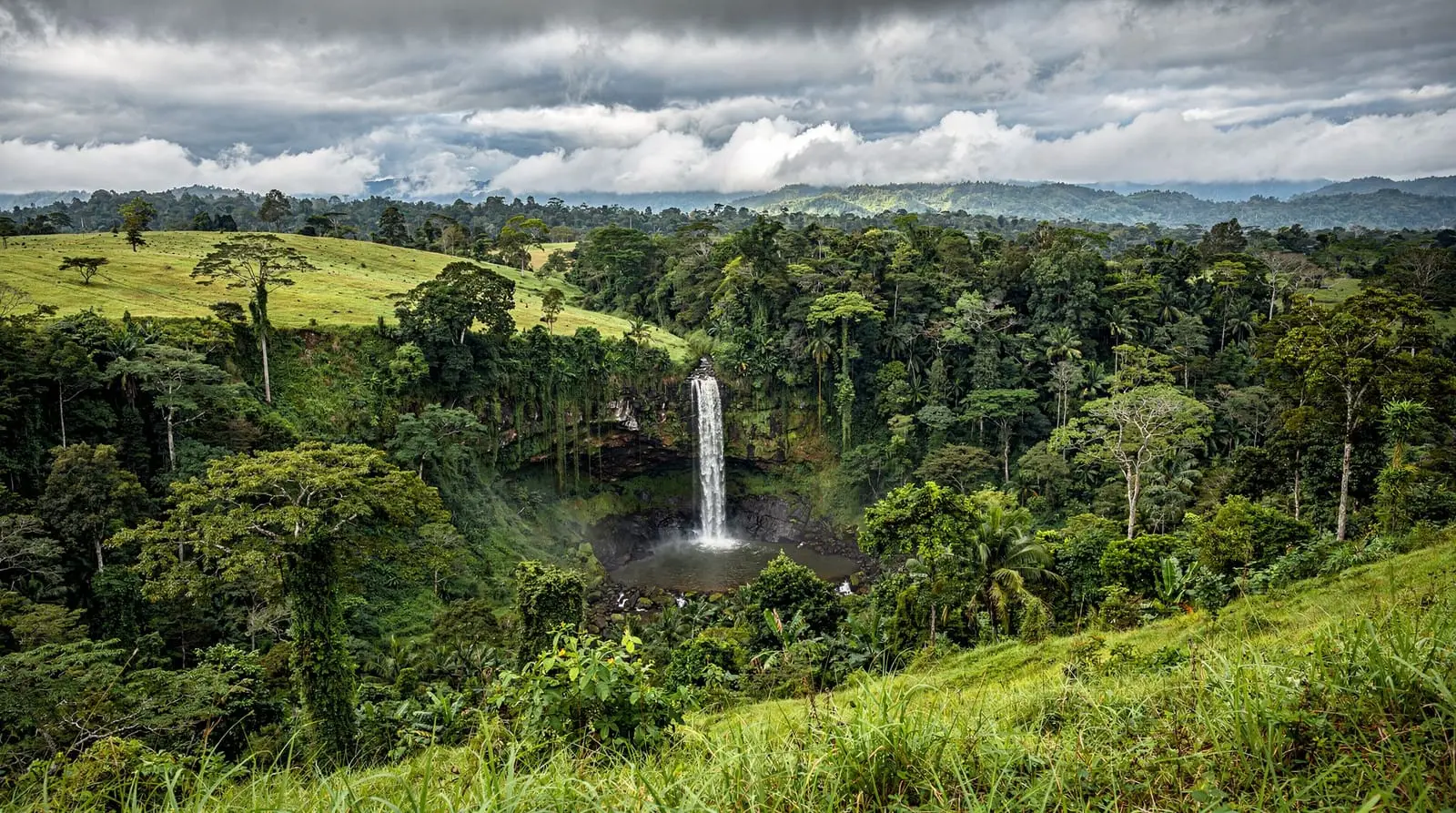
Khao Yai is where Bangkok goes to breathe. About 200 km northeast of the city, straddling the edge of the Dong Phaya Yen mountains, Khao Yai National Park is Thailand’s first and most famous national park — a UNESCO-listed expanse of monsoon forest, grassland, and waterfalls that is home to wild elephants, gibbons, hornbills, macaques, and, deep in its interior, even a few tigers. Around its fringes, the cooler upland climate has given rise to an unexpected wine country of vineyards, plus quirky themed cafés and resorts that make it a favourite weekend escape for Thais. It is greener, wilder, and cooler than anything else within day-trip range of Bangkok.
The honest framing: Khao Yai is the most rewarding nature day trip from Bangkok, but it is also the furthest, and a single day means a lot of driving for a few hours in the park. It works as a day trip — best by private car or tour — but if your itinerary allows even one night, take it. This page explains the park, the wildlife realities, the wine angle, and how to get there.
Khao Yai National Park — what to see
The park covers more than 2,000 square kilometres, so you only scratch the surface in a day. The headline sights, all reachable by the park’s internal roads, include:
- Haew Suwat Waterfall — the park’s most famous fall, made internationally known by the film The Beach. A short walk from the road leads to a viewpoint and a plunge pool below.
- Haew Narok Waterfall — taller and more dramatic, a longer walk; the park’s biggest waterfall.
- Pha Diao Dai and Khao Khieo viewpoints — sweeping vistas over the forest canopy, best in clear morning light.
- Nong Pak Chi watchtower — an observation tower over a grassland and watering hole where, with patience, you may spot deer, gaur, and sometimes elephants.
Several nature trails of varying length wind through the forest; a guided walk dramatically improves your chances of spotting wildlife and identifying the gibbons and hornbills you hear before you see. A foreigner park entry fee applies (around 400 THB). For the natural-history detail, see the Khao Yai wildlife guide and the broader wildlife and nature overview.
The wildlife reality
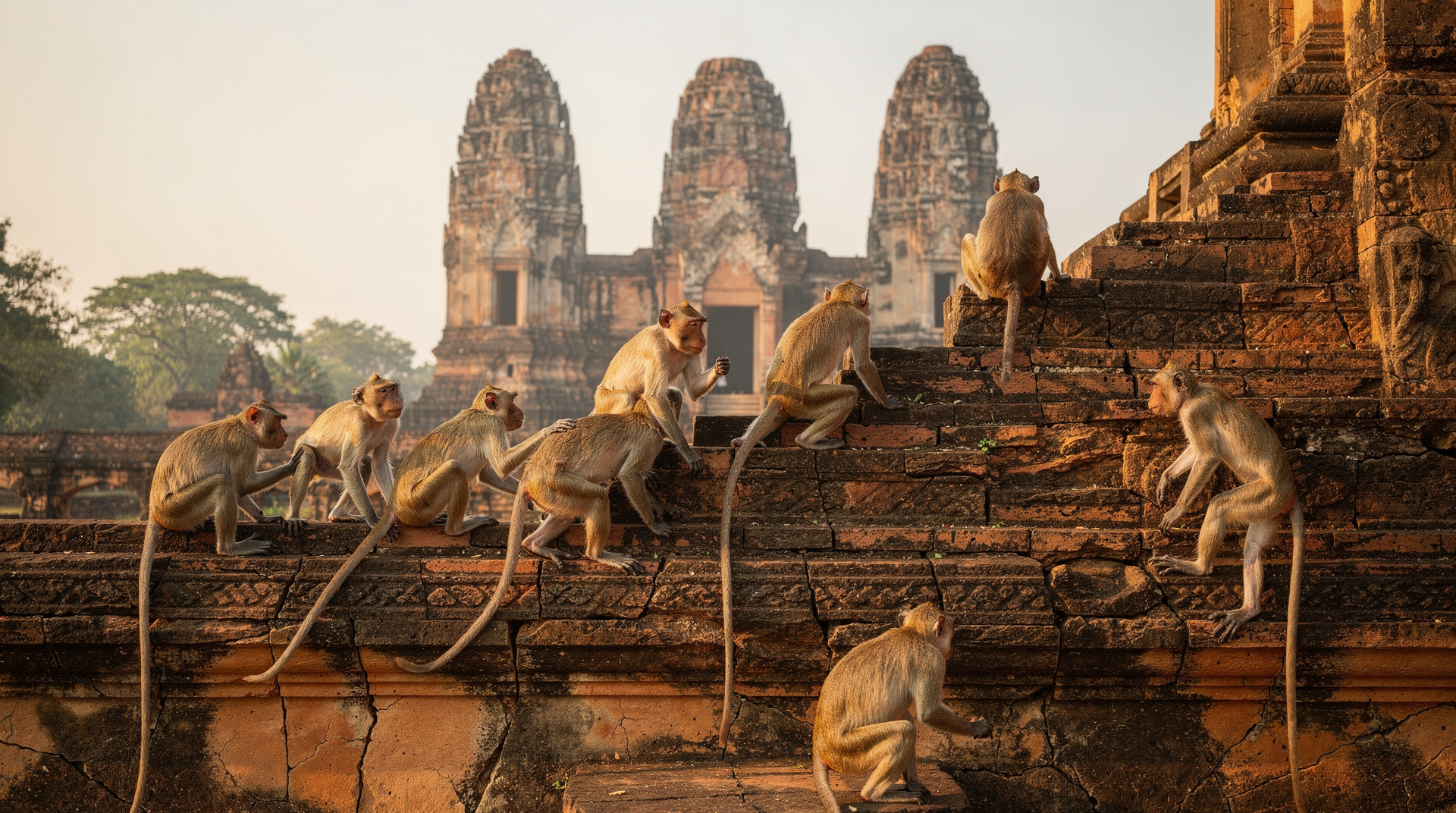
Khao Yai genuinely has wild elephants, and encountering a herd crossing a park road at dusk is the experience many visitors hope for. But this is wild nature, not a zoo: sightings are never guaranteed, and the best chances are at dawn and dusk, which is one more reason an overnight stay beats a day trip. You will almost certainly hear and likely see white-handed gibbons and great hornbills, and macaques are common. Keep a respectful distance from everything, never feed animals, and follow your guide’s instructions — wild elephants are dangerous and right of way is always theirs.
A welcome note on ethics: the wild elephants here are exactly that — wild and free. This is observation in the natural environment, the gold standard, and a far better way to see elephants than any captive venue. If you are weighing elephant experiences across your trip, read ethical elephant tourism.
Khao Yai wine country
Few first-time visitors expect vineyards in tropical Thailand, but Khao Yai’s higher elevation and cooler nights support a small “New Latitude” wine industry. Estates such as GranMonte and PB Valley offer tours, tastings, and restaurants with vineyard views, and the rolling countryside between them is dotted with photogenic European-style cafés, sheep farms, and resorts. It is touristy and aimed squarely at the Thai weekend market, but it is genuinely pretty and a pleasant counterpoint to a sweaty morning in the jungle. The Khao Yai vineyard tasting and horse farm tour packages the wine-country side for those who want scenery and a glass over a hard hike.
Getting there from Bangkok
Private car or tour: by far the best way. Khao Yai’s sights are spread across a huge park with no public transport inside it, so you need wheels. A private car with driver, or an organised tour, gets you from Bangkok to the trailheads in around 2.5 to 3 hours and lets you cover the park efficiently. The Khao Yai National Park jungle trek with lunch is the classic active day trip — a guided hike, waterfalls, and wildlife spotting. For a gentler version centred on the famous fall, the Khao Yai nature trails and Haew Suwat waterfall tour keeps the walking moderate.
Train or bus to Pak Chong: the budget route. Trains and buses run to Pak Chong, the gateway town just outside the park (the train is slow and scenic; the bus faster). From Pak Chong you still need a songthaew, motorbike, or hired car to reach and move around the park — so independent visitors often base themselves in Pak Chong overnight. See Bangkok to day trips transport for the details.
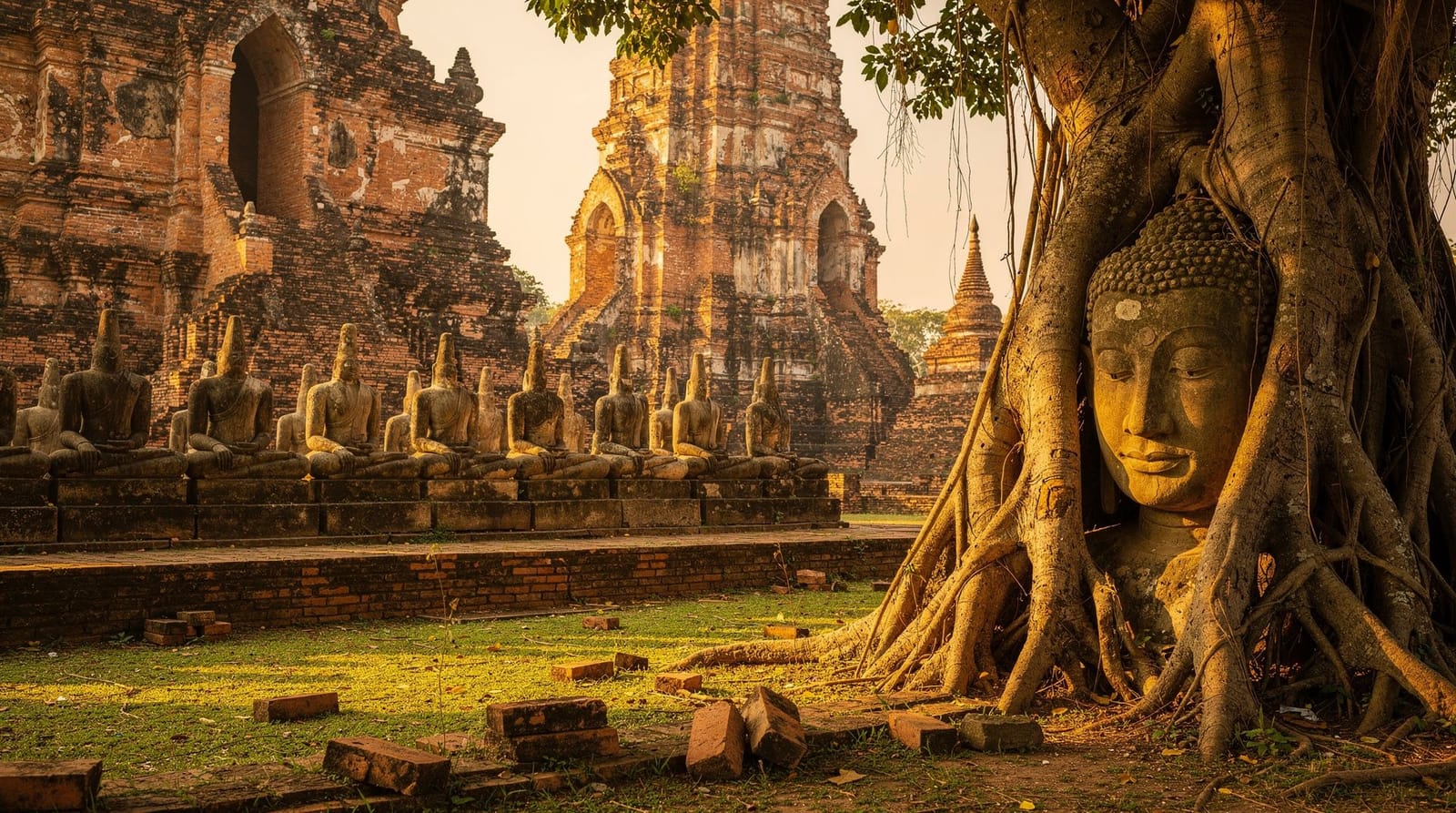
You can also combine Khao Yai with Ayutthaya on a single ambitious day: the Ayutthaya and Khao Yai National Park day trip stitches the ruins and the park together, though it is a very full day.
Day trip or overnight?
Khao Yai is the strongest candidate among Bangkok’s day trips for an overnight stay. A day trip means roughly five to six hours in the car for perhaps four to five hours in the park, and you miss the dawn and dusk windows when wildlife is most active. With one or two nights you can do a proper sunrise wildlife drive, a longer hike, the waterfalls, and the wine country at a relaxed pace, and stay in one of the area’s design-led resorts. If your schedule is tight and a single day is all you have, a tour or private car is the most efficient way to make it count — see the best Bangkok tours for choosing well.
Practical information
Park entry: ~400 THB foreigner fee. Keep your ticket; you may be asked for it at checkpoints.
What to bring: sturdy shoes or trail runners, insect repellent (leeches in the rainy season), water, a rain layer, and binoculars if you have them.
Wildlife distance: never approach or feed animals. Wild elephants have absolute right of way — back off and give them space.
Timing: the gates and some trails close in the late afternoon; dawn and dusk are best for wildlife but require an early start or an overnight.
Driving: roads inside the park are winding; if self-driving, watch for animals crossing, especially near dusk.
Khao Yai by season
| Season | Months | What to expect |
|---|---|---|
| Cool season | Nov–Feb | Best hiking weather, greenery still holding from the rains, comfortable for the viewpoints |
| Hot season | Mar–May | Sticky and tiring in the jungle; wildlife retreats to shade during the day |
| Rainy season | Jun–Oct | Fullest waterfalls and lushest forest, but leeches and slippery trails; some roads can flood |
Whatever the season, dawn and dusk remain the best windows for wildlife regardless of weather — the park’s animals are simply more active when the heat is lowest.
Sunrise wildlife drives
If you do stay overnight, ask your resort or guide about a dawn wildlife drive — a slow loop of the park’s interior roads in the first hour of light, when elephants, deer and civets are most likely to be moving near the tracks and the mist still hangs over the grassland at Nong Pak Chi. It’s cool, quiet, and a completely different park from the midday version most day-trippers see. Even without a confirmed elephant sighting, the birdlife alone — hornbills flying between canopy gaps, kingfishers over the streams — makes the early start worthwhile.
Where to stay near the park
If you’re taking the overnight option, most travellers base in Pak Chong, the gateway town, or in one of the boutique resorts and farm-stays scattered through the surrounding countryside toward the vineyards. Pak Chong is convenient and functional — restaurants, guesthouses, easy access to the park gate — while the countryside resorts lean into Khao Yai’s cooler-climate, faux-European charm with views over vineyards and farmland. Either works for a single night; the resorts are the more memorable choice if you have time to enjoy the grounds rather than just sleep and head into the park at dawn.
Frequently asked questions about Khao Yai
Is Khao Yai worth it as a day trip from Bangkok?
Yes, if nature is a priority for you, though it is the furthest of Bangkok’s main day trips and a single day involves a lot of driving for a few hours in the park. It is the most rewarding nature escape within range of the city. If your itinerary allows even one overnight, it is markedly better — you gain the dawn and dusk wildlife windows and a more relaxed pace.
How do I get to Khao Yai?
The best way is a private car or organised tour, because the park is huge and has no public transport inside it. The journey takes about 2.5 to 3 hours. Budget travellers can take a train or bus to Pak Chong town at the park’s edge, then arrange a songthaew, motorbike, or car to reach and explore the park — often staying overnight in Pak Chong.
Will I see wild elephants in Khao Yai?
Possibly, but never guaranteed — this is genuinely wild nature. Khao Yai does have wild elephant herds, and your best chances are at dawn and dusk, which favours an overnight stay. You are much more likely to hear and see gibbons, hornbills, and macaques. Always keep your distance and give elephants right of way.
Are there really vineyards near Khao Yai?
Yes. The area’s higher elevation and cooler nights support a small “New Latitude” wine industry, with estates such as GranMonte and PB Valley offering tours and tastings. The surrounding countryside is full of European-style cafés, farms, and resorts. It is touristy but pretty, and a relaxed contrast to hiking in the park.
When is the best time to visit Khao Yai?
November to February is ideal: cool, green, comfortable for hiking, with waterfalls still flowing after the rains. The rainy season (June–October) brings the fullest waterfalls and lushest forest but also leeches and slippery trails. The hot season (March–May) is sticky in the jungle.
Can I combine Khao Yai with Ayutthaya?
Yes, some tours pair the two in one long day, since both lie in a roughly northern/northeastern direction. It makes for a very full day with limited time at each, but it is a workable option if you want to see the ancient capital and the national park without two separate trips.
Top experiences
Bookable activities with verified prices and instant confirmation on GetYourGuide.