Bangkok vs other Asian cities: where it wins and loses
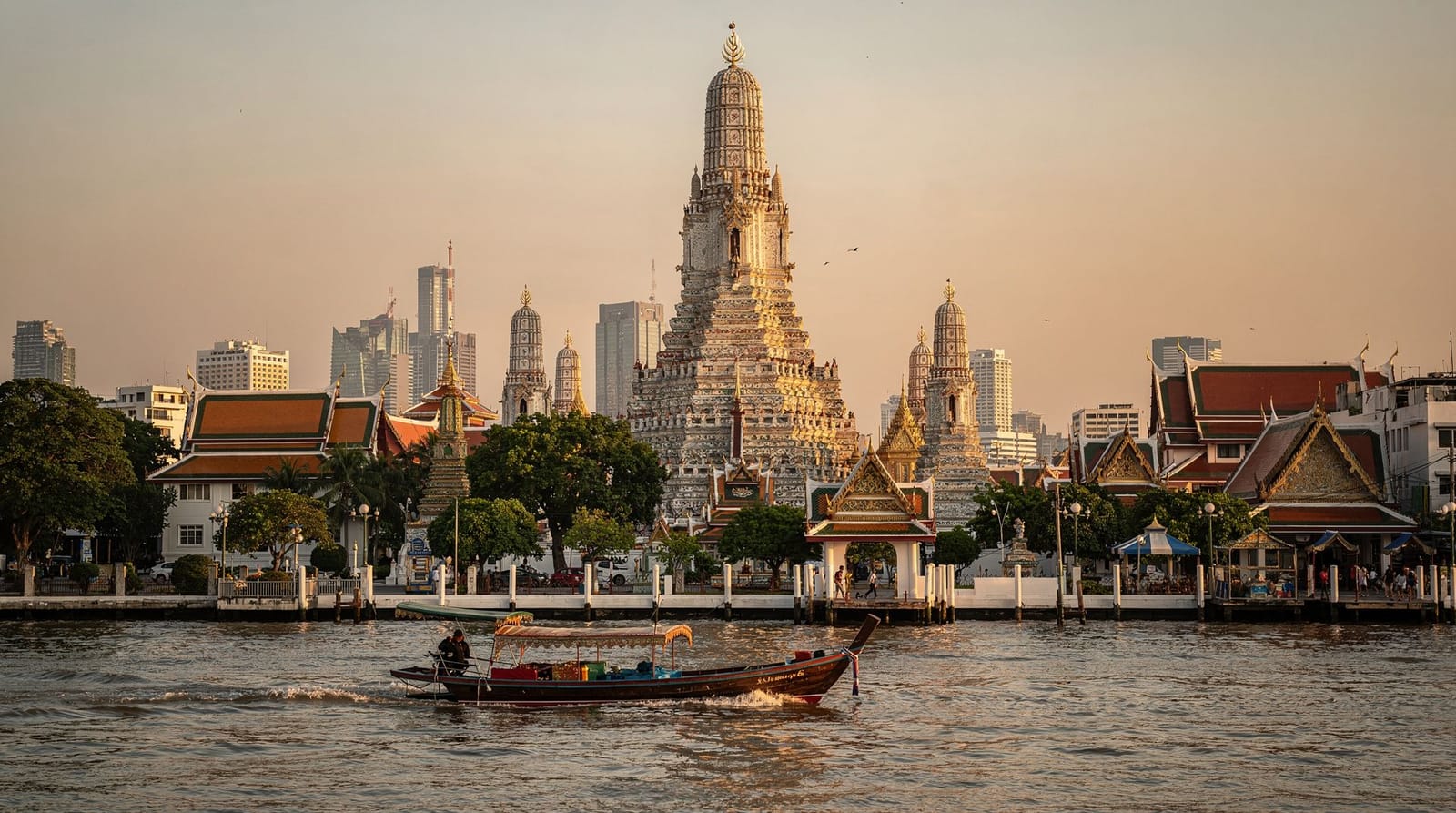
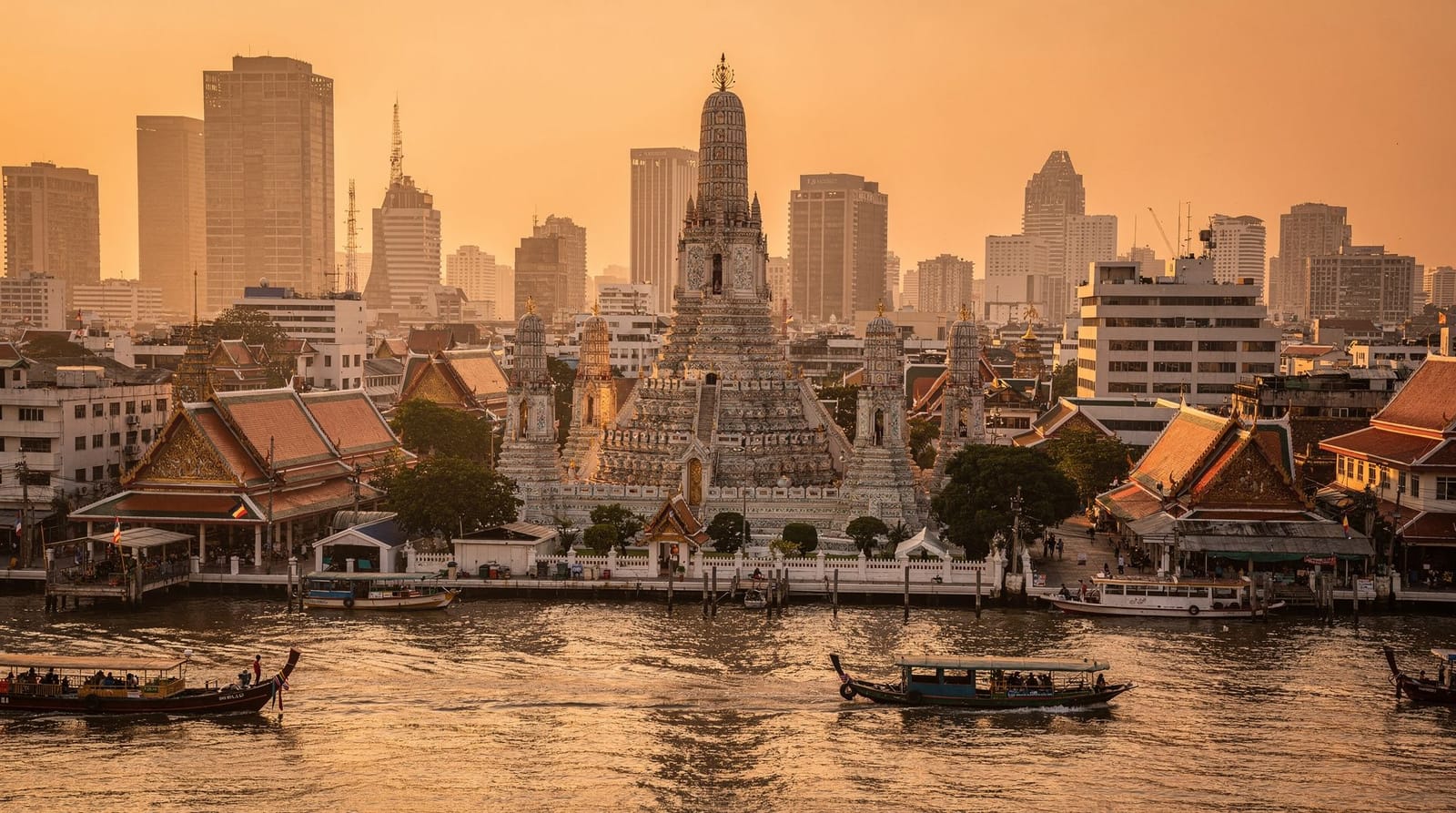
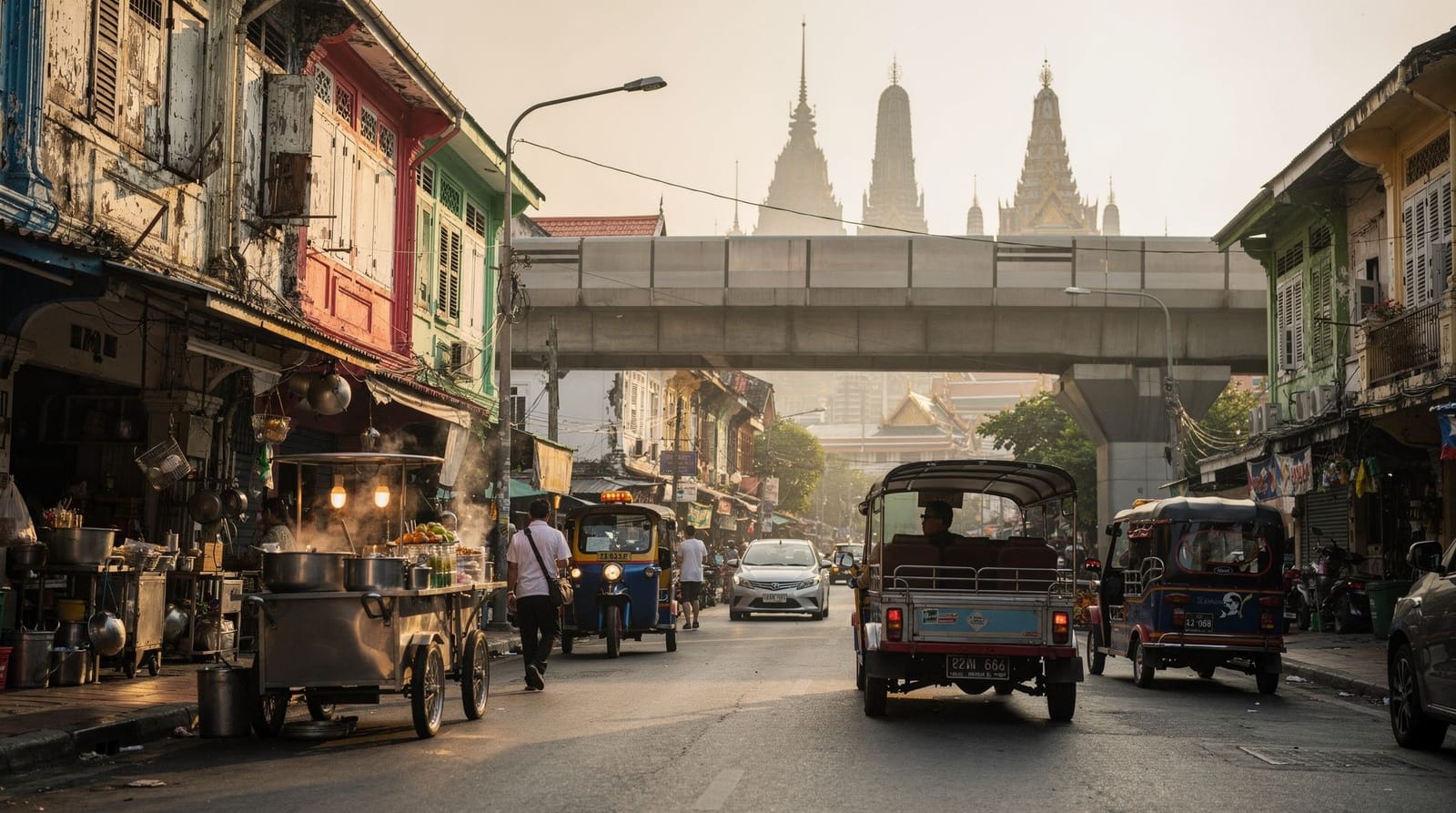
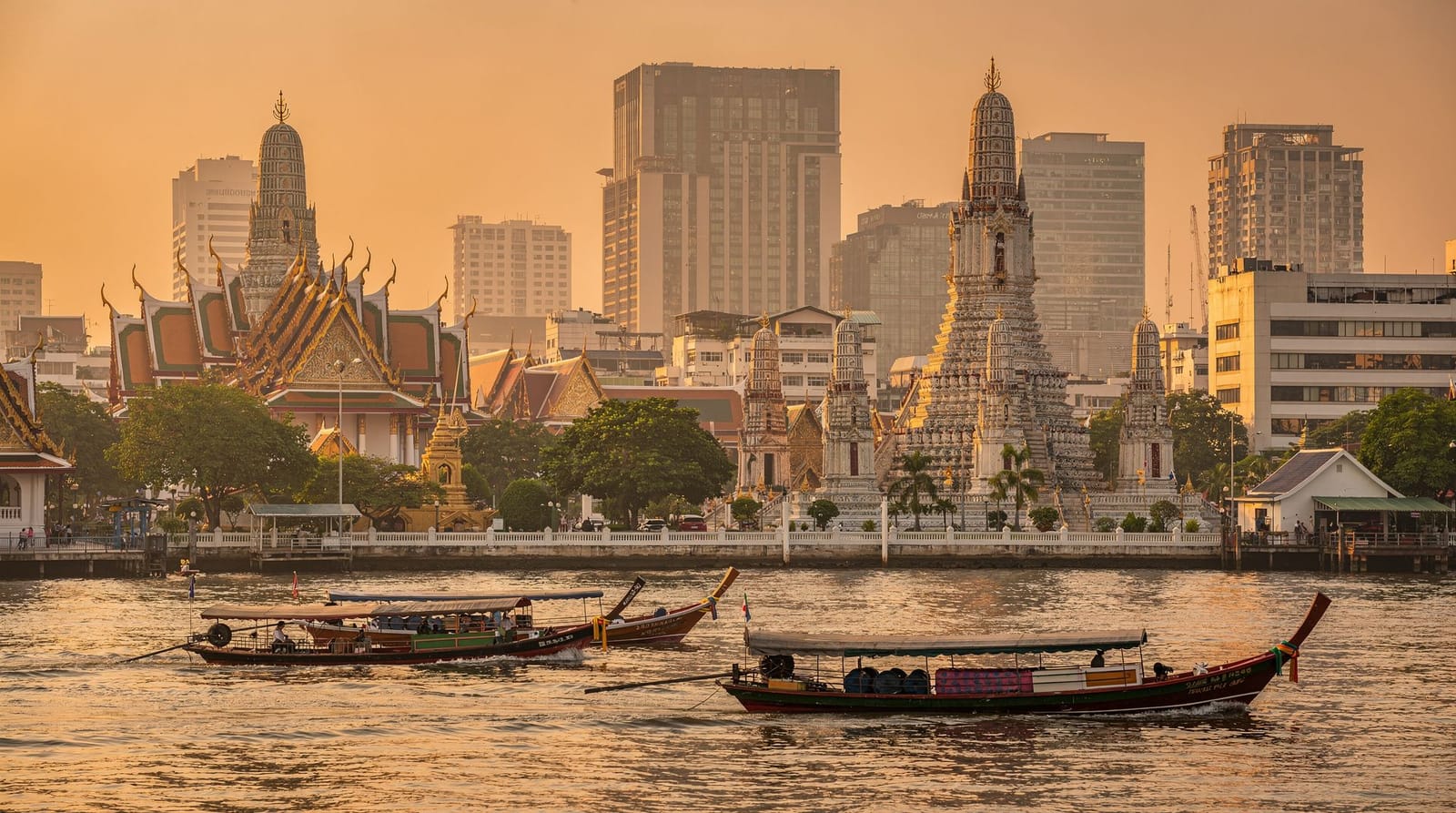
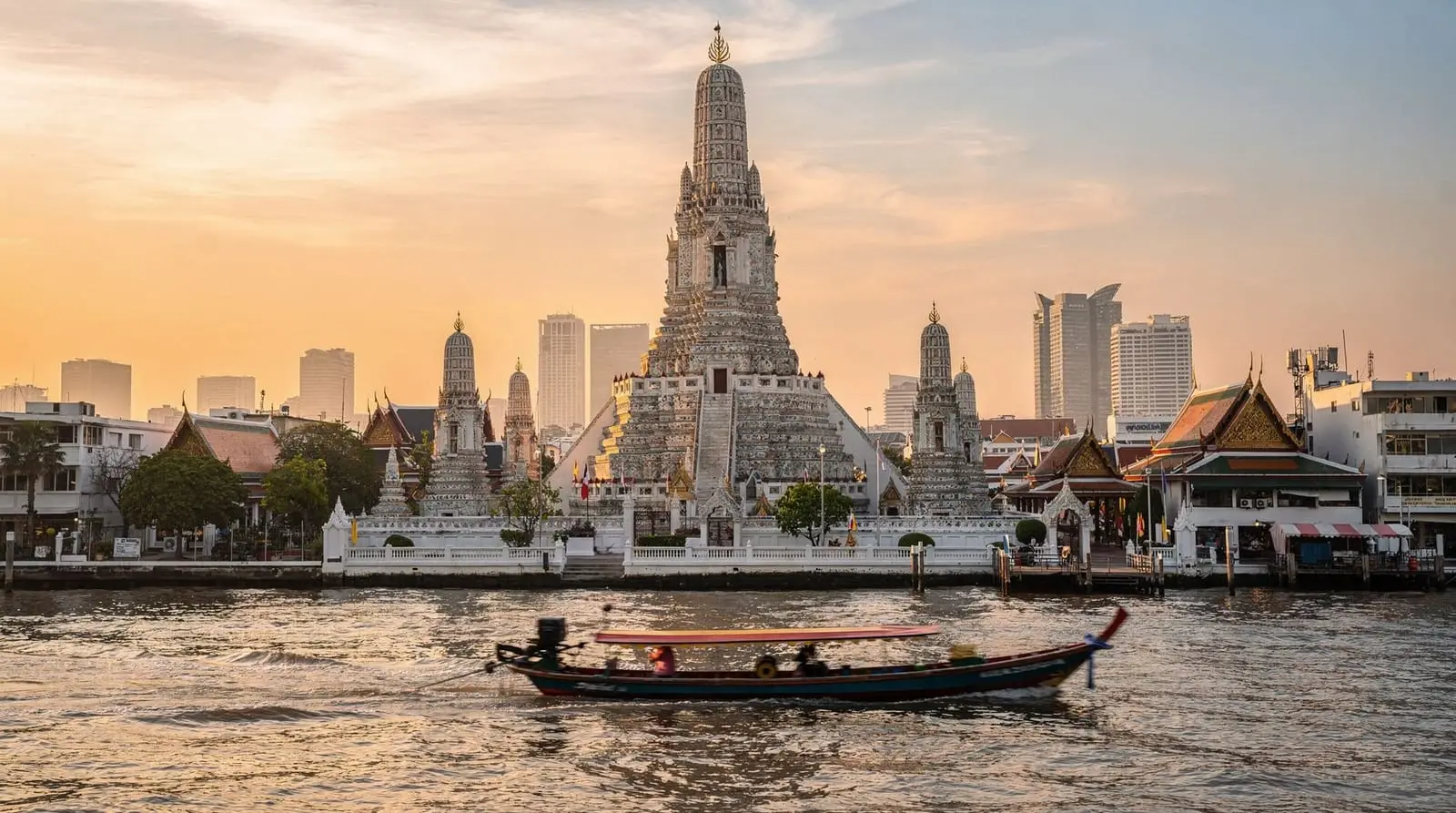
People love to ask me to rank Asian cities, and I always resist, because it is a bit like ranking your friends. But after years of bouncing around the region, I do have honest opinions about where Bangkok wins, where it loses, and who it is really for. So here is the comparison I would give a friend over a beer — Bangkok measured against the other great Asian city-breaks, category by category, with no pretending that any one place wins everything.
| Where Bangkok wins | Cost, food breadth, day trips, warmth of welcome |
| Where it loses | Order, cleanliness, transport completeness, safety-from-scams |
| Cost vs rivals | Roughly half of Singapore/Tokyo/Hong Kong for a comparable day |
| Best for | First-time Asia travellers, food lovers, budget-conscious trips |
| Minimum stay | 3 full days, ideally 5 with a day trip |
Bangkok vs Singapore: chaos vs order
This is the classic matchup, and the Bangkok versus Singapore comparison deserves its own full treatment, but the short version is this. Singapore is everything Bangkok is not: clean, orderly, efficient, safe to the point of sterility, and expensive. Bangkok is everything Singapore is not: chaotic, cheap, sensory, occasionally infuriating, and bursting with life. If you want a frictionless, polished, hyper-organised city break, Singapore wins. If you want to feel like you have actually travelled somewhere, with all the mess and wonder that implies, Bangkok wins. I love both, but I return to Bangkok far more often, because order is comfortable and chaos is alive. Singapore costs roughly two to three times as much for the equivalent trip, which settles the matter for a lot of travellers.
Bangkok vs Tokyo: depth vs accessibility
Tokyo is, to my mind, the most extraordinary city in Asia and possibly the world — but it is a harder, deeper, more demanding place than Bangkok. The food in Tokyo reaches heights Bangkok does not, but it does so at a price and with a formality that Bangkok’s joyous street-stall democracy never imposes. Tokyo is also dramatically more expensive, harder to navigate without some language effort, and more reserved. Bangkok is warmer, cheaper, easier to fall into, and more forgiving of the disorganised traveller. For a first big Asian trip, I would send most people to Bangkok; for a tenth, I would send them to Tokyo. They scratch different itches entirely.
Bangkok vs Hanoi: street food showdown
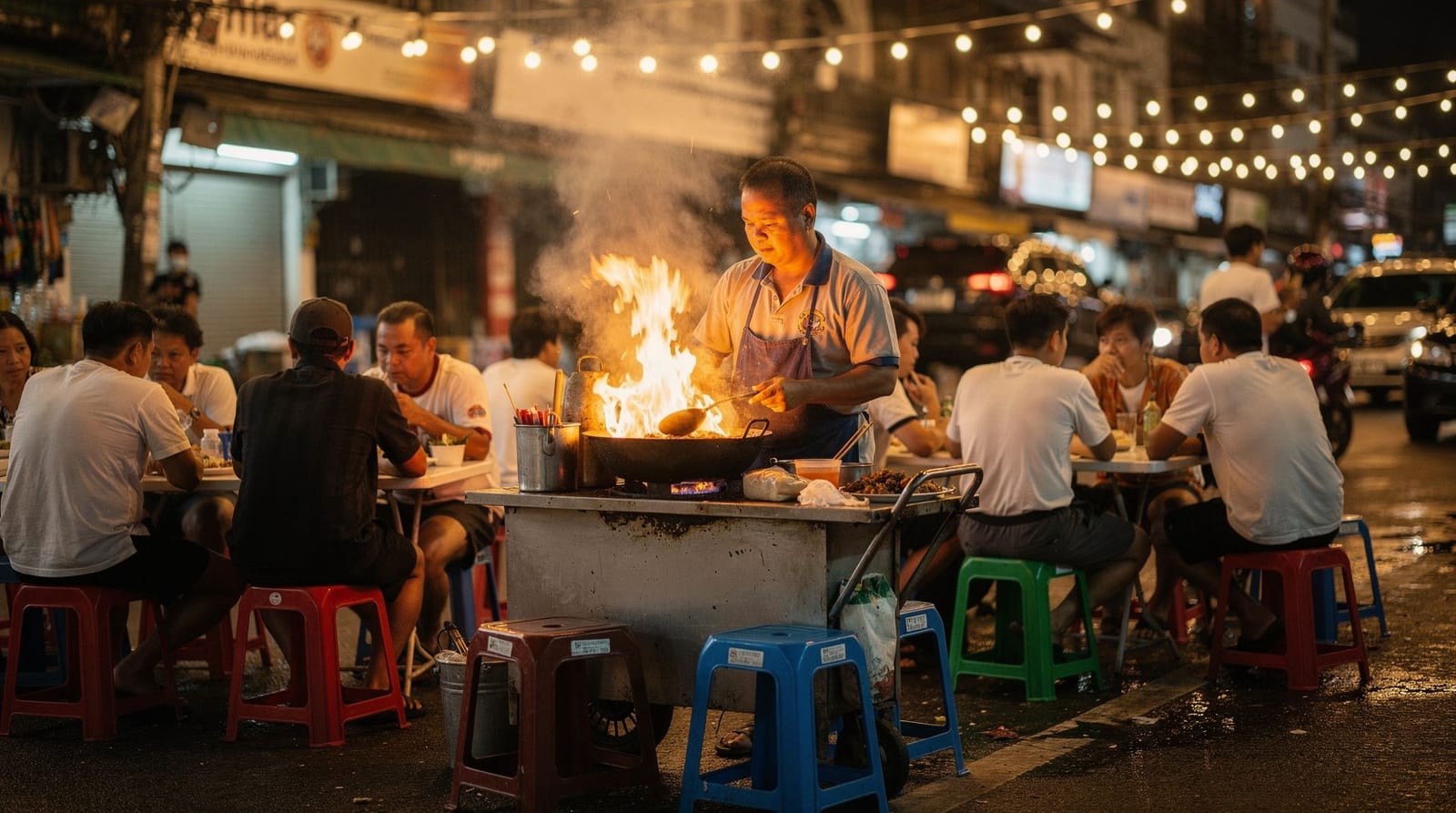
This is the food fight everyone wants to see. Hanoi’s street food is sublime — the pho, the bun cha, the egg coffee, eaten on tiny plastic stools — and it gives Bangkok a genuine run for its money. Where Bangkok pulls ahead is breadth and intensity: the sheer variety of street food, the night-market culture, the regional depth, the Chinese-Thai layer in Chinatown. Hanoi is more focused and arguably more refined within its narrower range; Bangkok is a sprawling, endless buffet. Bangkok is also a far more comfortable city to base yourself in for a week, with better transport and more variety beyond food. If you are coming purely to eat, do both. If you must choose one, Bangkok offers more to do around the meals.
Bangkok vs Kuala Lumpur: the underrated rival
Kuala Lumpur is the city most travellers underestimate, and it is genuinely excellent — cheaper than Singapore, more orderly than Bangkok, with phenomenal Malay, Chinese and Indian food and a striking skyline. But it lacks Bangkok’s critical mass of things to do, its temple density, its nightlife, and frankly its energy. KL is a great two- or three-day stop; Bangkok rewards a week and then keeps rewarding return visits. The things to do guide alone runs longer than KL’s entire highlight reel.
Bangkok vs Hong Kong: density and the day trips
Hong Kong is the most vertical, electric city in Asia, and on pure spectacle — the harbour, the Peak, the wall of skyscrapers rising out of the water — it can take your breath away in a way Bangkok rarely tries to. But it is also expensive, increasingly so, and for all its intensity it is a compact place you can see the headlines of in a few days. Bangkok spreads wider and runs cheaper, and crucially it sits at the centre of a country full of accessible escapes — ancient capitals, war history, beaches, national parks — whereas Hong Kong’s hinterland is far harder to tap for a casual traveller. The food fight is closer than people admit: Hong Kong’s dim sum and roast meats are sublime, but Bangkok’s street food breadth and price still give it the edge for me over a full week.
On cost: the number that decides most trips
If money is shaping your decision, this is the category that settles it, and the travel costs guide lays it out in detail. Roughly speaking, a comfortable mid-range day in Bangkok — a decent hotel, three good meals, transport and a couple of paid sights — runs me around 2,000 to 3,000 baht, which is somewhere near 55 to 85 dollars. The equivalent day in Singapore or Tokyo is easily double or triple that, and Hong Kong is not far behind them. Kuala Lumpur is the only major rival that competes with Bangkok on value, and even there Bangkok edges ahead on sheer quantity of cheap, brilliant food.
What makes Bangkok’s affordability so striking is that it does not feel like budget travel. You are not trading down to get the low prices — the 60-baht bowl of noodles is often better than a 600-baht plate elsewhere, the 1,500-baht riverside hotel room would cost five times as much in a comparable Tokyo neighbourhood, and the 17-baht train ride is clean and air-conditioned. Cheapness in Bangkok rarely means hardship, and that combination of low cost and high quality is, more than any single attraction, what keeps the city at the top of my list.
Where Bangkok genuinely loses
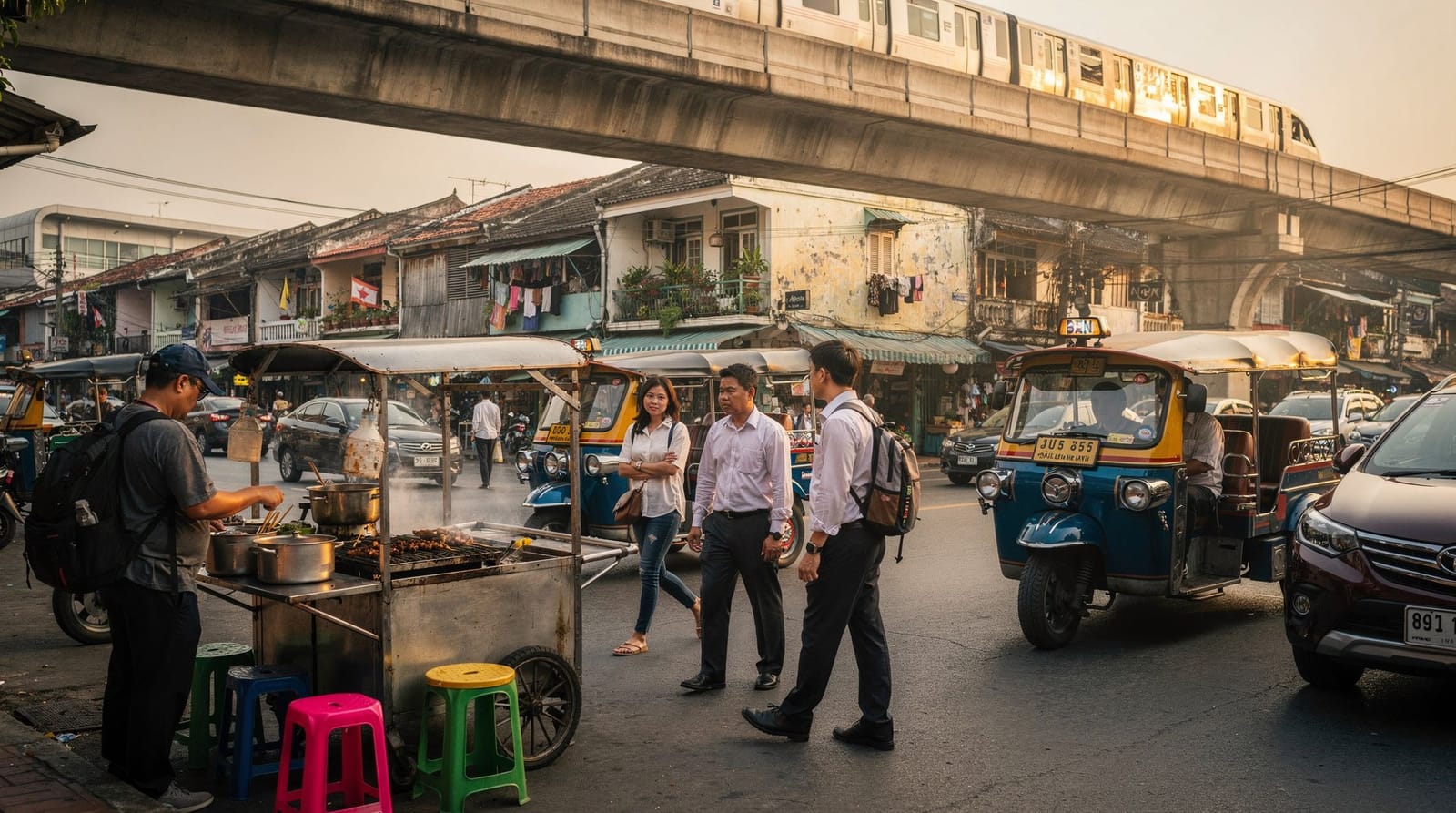
Let me be fair, because Bangkok is not perfect. It loses on cleanliness and order to Singapore and Tokyo, full stop — the broken pavements, the pollution, the flooding, the occasional grime are real. It loses on public transport completeness; the BTS and MRT are excellent but do not cover everything, and the traffic above ground is some of the worst on earth. It loses on the scam front — the tuk-tuk scams and gem-shop hustles that cleaner cities have largely engineered away are alive and well here. And for travellers who find heat and sensory overload genuinely stressful, Bangkok can be exhausting in a way that calmer cities are not. The first-timers guide is honest about all of this.
Where Bangkok wins decisively
But the wins are decisive. On value, Bangkok crushes almost every rival — the travel costs breakdown shows you can eat, sleep and explore here for a fraction of what Singapore or Tokyo demand. On food breadth and accessibility, it is unmatched. On warmth of people, it is among the best in the world. On the wealth of day trips from a single base — ancient capitals, war history, floating markets, beaches, national parks — nothing in the region competes. And on that intangible quality of feeling fully, vividly alive, Bangkok wins every comparison I have ever run.
If you are weaving Bangkok into a wider Asia trip and want one efficient, well-run introduction to the city before you compare it to anywhere else, a half-day guided city tour with temples covers the headline sights and lets you form your own opinion fast.
Who Bangkok is really for
Bangkok is for travellers who would rather feel something than be comfortable, who value warmth over polish, who measure a trip in meals and moments rather than efficiency. It is not the right pick for everyone, and that is fine. But for the kind of traveller who wants a city that gives generously, costs little, and refuses to be tamed, Bangkok beats every rival I know — not on every metric, but on the ones that, for me, matter most. Use the neighbourhoods guide to find your corner of it, and decide for yourself.
How to slot Bangkok into a wider Asia trip
Most people do not visit Bangkok in isolation; they fold it into a longer regional loop, and its geography makes that easy. It is a major budget-airline hub, with cheap flights radiating out to Singapore, Hanoi, Kuala Lumpur, Bali and beyond, often for under 100 dollars one way, which is why so many Southeast Asia itineraries route through it almost by default. My standard advice is to use Bangkok as the anchor: start here while you are still finding your feet in the region, because it is the most forgiving introduction, then branch out to the cities it loses to on order and refinement once you have your bearings.
Practically, I would give Bangkok a minimum of three full days on a first regional trip, ideally five if you want to fold in a day trip or two. The how many days guide breaks this down, and the first-timers guide is honest about the learning curve. If you are short on time and want one efficient orientation before deciding how Bangkok stacks up against the rest of your route, a guided half-day covering the headline temples does the job. The Grand Palace and Wat Pho are the obvious anchors, and the must-see for first-timers list rounds out a fast first pass.
Nightlife and safety, compared honestly
Nightlife is where Bangkok’s reputation runs furthest ahead of some rivals and behind others. Singapore and Tokyo run tighter, more tightly regulated nightlife scenes with less street hassle but also less spontaneity; Bangkok’s nightlife is louder, cheaper and far more varied, from rooftop bars to backpacker strips to genuinely excellent live-music venues, but it comes with real scam risk that calmer cities have mostly engineered away — the common Bangkok scams guide is worth reading before a night out anywhere in the city. On inclusivity, Bangkok is also one of the more welcoming major Asian cities for LGBTQ+ travellers, with an established, visible scene; the LGBTQ Bangkok guide covers this in more depth than most city comparisons bother to.
Which city for which traveller
Rather than one verdict, here is how I would actually advise different travellers. A first-time Asia visitor: Bangkok, for the ease and the warm welcome. A family with young kids: Bangkok also holds up well, provided you plan around the heat — see the Bangkok with kids guide. A budget backpacker: Bangkok or Hanoi, both unbeatable value; the budget guide lays out how far money stretches here. A traveller who wants maximum polish and minimum friction: Singapore or Tokyo, no contest. A digital nomad wanting good cafes and reliable infrastructure for a few weeks: Bangkok’s neighbourhood cafe culture, particularly in Ari, competes well with anywhere in the region on cost and quality of life.
The cities compared, side by side
| City | Cost vs Bangkok | Best for | Bangkok’s edge |
|---|---|---|---|
| Singapore | 2–3× more expensive | Polish, order, efficiency | Cost, character, energy |
| Tokyo | 2–3× more expensive | Food heights, depth | Ease, warmth, price |
| Hanoi | Similar or slightly cheaper | Focused, refined street food | Breadth, transport, day trips |
| Kuala Lumpur | Slightly cheaper | Two or three efficient days | Critical mass, week-long depth |
| Hong Kong | 1.5–2× more expensive | Skyline spectacle, density | Cost, day trips, food breadth |
Frequently asked questions about Bangkok versus other Asian cities
Is Bangkok better than Singapore?
It depends what you want. Singapore is cleaner, safer and more efficient but two to three times more expensive. Bangkok is cheaper, livelier and more characterful but chaotic. Most repeat travellers prefer Bangkok’s energy.
Does Bangkok have the best street food in Asia?
It is among the very best, rivalled mainly by Hanoi and Penang. Bangkok wins on sheer breadth, intensity and night-market culture, even if some rivals are more refined within a narrower range.
Is Bangkok good for a first trip to Asia?
Yes. It is warm, affordable, forgiving of disorganised travellers, well connected, and full of things to do. It is one of the easiest and most rewarding introductions to Asia, despite the heat and chaos.
Is Bangkok cheaper than Tokyo or Hong Kong?
Considerably. A comfortable mid-range day in Bangkok runs around 2,000 to 3,000 baht, roughly 55 to 85 dollars, where Tokyo and Hong Kong are easily double or triple that. Only Kuala Lumpur competes with Bangkok on value.
How many days should I spend in Bangkok on a regional trip?
At least three full days for a first visit, ideally five if you want to fit in a day trip or two. Bangkok works best as the anchor of a wider Southeast Asia loop thanks to its cheap budget-airline connections.
Is Bangkok or Hong Kong better?
Hong Kong wins on pure skyline spectacle and the harbour, but it is expensive and compact. Bangkok is cheaper, spreads wider, has greater street-food breadth, and sits at the centre of a country full of accessible day trips.
Is Bangkok safer than other Asian cities?
Violent crime is rare across the region, but Bangkok has more petty scam risk (tuk-tuk detours, gem shops) than tightly regulated Singapore or Tokyo. Basic awareness, covered in the common scams guide, neutralises most of it.
Which Asian city is best for a digital nomad?
Bangkok competes well thanks to its cafe culture, cost of living and connectivity, especially around Ari and Sukhumvit. Singapore is far more expensive; Hanoi and Kuala Lumpur are cheaper rivals with smaller cafe scenes.