Wellness in Bangkok: spas, yoga, saunas and retreats
Bangkok: Let's Relax Spa Central World E-Voucher
What wellness experiences should I try in Bangkok?
Bangkok's wellness scene goes well beyond massage. Core experiences include traditional Thai and spa massage (from 250 THB at a shop to 3,000 THB-plus at a luxury spa), yoga and meditation studios concentrated around Thonglor, Ekkamai and Ari, herbal steam saunas (often inside temples and spas), and longer wellness or detox retreats just outside the city. A typical wellness day pairs a morning yoga class with an afternoon massage and a herbal sauna. The city is one of the best-value wellness destinations in Asia.
Most visitors think of Bangkok wellness as one thing — the cheap, brilliant massage on every corner — but the city offers a far broader and better-value wellness scene than that reputation suggests. Alongside its deep massage culture sit international-standard yoga studios, Buddhist meditation centres, herbal steam saunas drawing on centuries of Thai medicine, and wellness retreats just beyond the city limits, all at prices that undercut almost anywhere else in the region.
| Where | Massage citywide; yoga in Thonglor/Ekkamai/Ari; retreats near Nakhon Pathom & Bang Krachao |
| Cost | From around 250 THB (street massage) to 6,000 THB+ (luxury spa day) |
| Time needed | 1 hour (massage) to a full day or multi-night retreat |
| Best time | Morning for yoga/meditation, afternoon for spa and sauna |
| Booking | Walk-in fine for massage shops; book studios and hotel spas ahead |
This guide maps the full picture honestly: massage and spas, yoga and meditation, herbal saunas, detox and retreats, and how to build a wellness day or a longer reset. It gives real THB and USD prices, points you to the right neighbourhoods, and flags the one thing to keep firmly separate from genuine wellness.
Massage and spas: the foundation
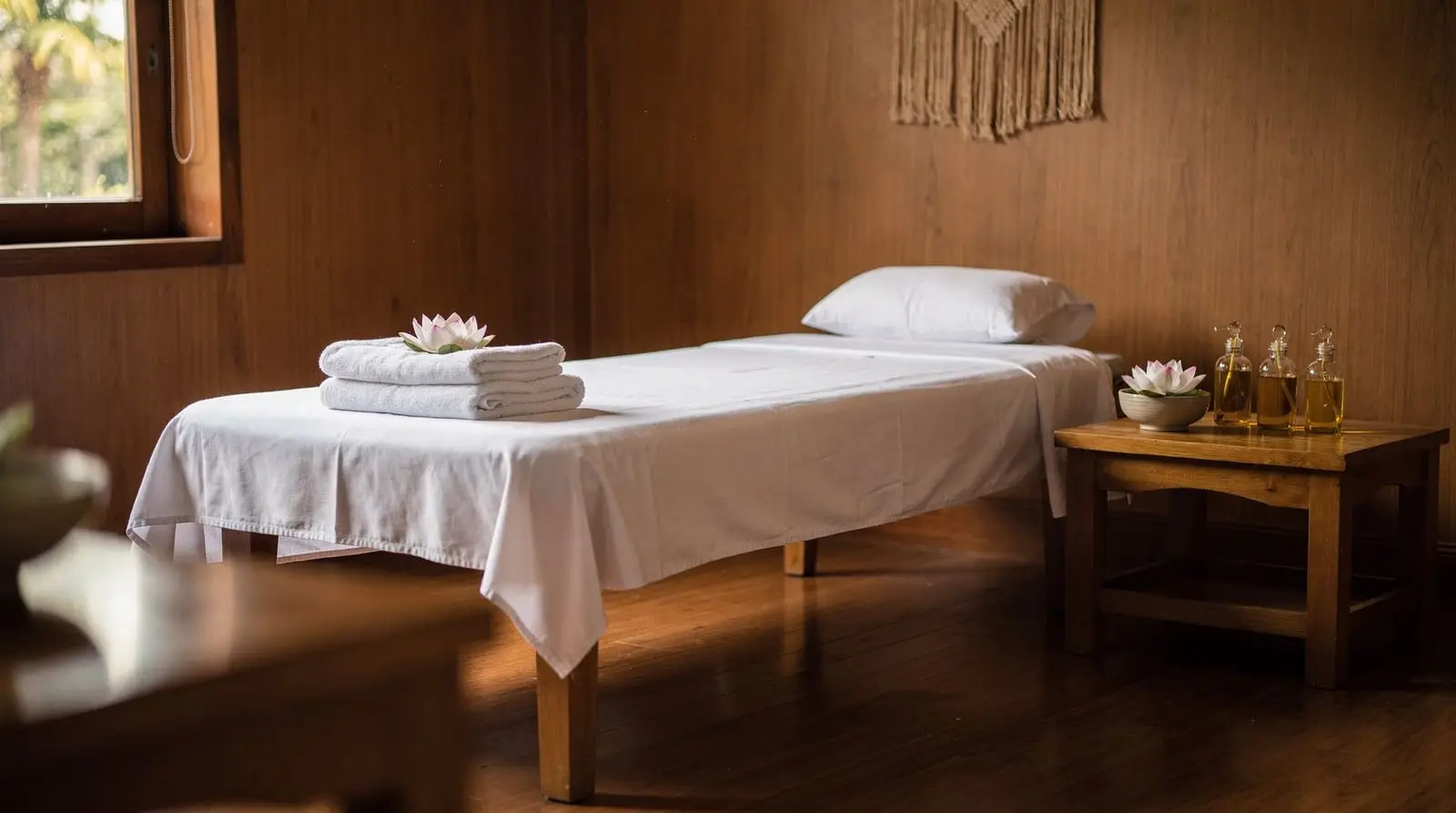
Massage is the cornerstone of Bangkok wellness, and the value is unmatched: a firm, expert traditional Thai massage costs 250–400 THB an hour at a neighbourhood shop, a polished mid-range spa session runs 1,000–2,500 THB, and a luxury hotel-spa ritual starts around 3,000 THB. The full breakdown of styles, prices and etiquette is in the Thai massage guide, the venue rankings are in the best spas in Bangkok guide, and the question of when to splurge is covered in the traditional versus luxury massage guide.
For the cultural roots — and the chance to learn the craft — the Wat Pho massage school guide covers the temple academy that is the home of traditional Thai massage. Massage is the easiest wellness experience to fit into any day, and for many visitors it is the whole wellness itinerary.
Let’s Relax Spa Central World e-voucher — an easy mid-range massage to anchor a wellness dayYoga and movement
Bangkok has a thriving, international-standard yoga scene concentrated in its lifestyle neighbourhoods. Studios cluster in Thonglor and Ekkamai, Phrom Phong and Ari, mixing global chains with independent studios and offering everything from vinyasa and hatha to hot yoga and aerial classes.
A single drop-in class typically costs 400–800 THB, with multi-class passes cheaper per session; most studios teach in English and welcome travellers. Many hotels also run rooftop or poolside yoga, and the Thonglor and Ekkamai guide and Ari neighbourhood guide map the surrounding café-and-juice-bar culture that makes these areas natural wellness bases. Book weekend morning classes ahead, as popular sessions fill up.
For movement outdoors, early mornings in Lumphini Park bring group tai chi, jogging and open-air aerobics — free, local and atmospheric. The Lumphini Park guide has the details, and a cycle through the green lung of Bang Krachao is the city’s best active escape.
Meditation and Buddhist practice
Meditation is woven into Thai Buddhist culture, and Bangkok’s temples are its natural home. Several temples and dedicated meditation centres welcome visitors for guided sessions and short courses, some taught in English, ranging from a single sitting to multi-day residential retreats. A few offer instruction free or by donation.
To take part, dress modestly with shoulders and knees covered, arrive early, and check whether a session needs pre-registration. The broader context — temple customs, the role of Buddhism in daily life — is covered in the temple etiquette guide and the Buddhism in Bangkok guide. Pairing a morning meditation session with a quiet temple visit makes for a genuinely restorative start to a day, and the best temples guide helps you choose a serene setting.
Herbal saunas and Thai medicine
A Thai herbal sauna infuses steam with medicinal herbs — lemongrass, kaffir lime, turmeric, camphor — traditionally used to ease muscles and clear the airways. You will find them inside spas, at some temples, and at dedicated herbal-medicine centres, and they pair beautifully with a massage. At simple venues a session costs just 100–300 THB; at upscale spas it is folded into a wider package.
This is one of the most authentically Thai and underrated wellness experiences in the city, drawing on the same herbal-medicine tradition taught at the Wat Pho school. A herbal steam followed by a traditional massage is a classic, restorative combination.
Getting the most from a treatment
A little preparation changes how good a massage or spa session feels. Arrive a few minutes early so you are not rushing, and say plainly if you have an injury, a sore spot or a preference for lighter or firmer pressure. Therapists in Bangkok are used to this and will adjust without fuss. Wear loose, comfortable clothing, because many traditional sessions are done fully clothed on a mat, and keep jewellery and valuables to a minimum. If it is your very first time, the first-time Thai massage story describes what to expect from the moment you walk in.
It also helps to think about timing. A herbal sauna or a strong massage straight after a big meal is uncomfortable, so plan lunch before or well after. Drink water afterwards, and give yourself a slow hour rather than sprinting to the next sight. Wellness works best when it is not squeezed between two tours.
Choosing your base and moving around
Where you sleep shapes how easy wellness is to fit in. If yoga, juice bars and quiet cafés matter to you, a base near the lifestyle districts keeps everything within a short ride, and the where to stay guide compares the areas. Most studios and spas sit close to a station, so the BTS Skytrain guide is the simplest way to reach them while avoiding road traffic, and the getting around guide covers the other options when you need them.
Travelling alone is no obstacle either. Studios, spas and temples are comfortable places for a solo visitor, and the solo travel guide offers broader advice on pacing a trip by yourself. If you are travelling with an older relative, the Bangkok with elderly travellers guide helps you choose gentler options, since a calm spa afternoon or a seated herbal steam suits many people better than a busy sightseeing day.
Weather, timing and what to pack
Bangkok is hot and humid for much of the year, and that affects wellness more than visitors expect. Early morning is the kindest time for yoga, tai chi or a walk in the park, while the hottest part of the afternoon is a natural moment to be indoors in a cool spa. The best time to visit guide and the month-by-month weather guide show how the seasons change the rhythm of your days.
Rain is not a problem for a wellness trip; it is an excuse. A downpour is the perfect cue for a long massage or a steam, and the Bangkok in the rain guide has more ideas for wet afternoons. Pack light, breathable clothing for classes, something modest to cover shoulders and knees for temple meditation, and a layer for air-conditioned spas, which can feel cold after the street. The what to pack guide gives a fuller list.
Eating well around your wellness day
Food is part of the picture. The lifestyle districts are full of cafés and juice bars, and many Thai dishes are naturally light, herb-led and fresh, so eating well is easy without any special effort. If you follow a plant-based diet, the vegetarian and vegan guide shows how to eat well across the city. Street food can be part of a healthy day too, provided you choose busy stalls with fresh ingredients, and the street food safety guide explains how to judge them.
Green escapes for body and mind
When the city feels heavy, the best reset is often a short step into green space. The parks guide lists the places where locals walk, stretch and breathe. Beyond the centre, the Bang Krachao green lung guide describes a leafy, slower-paced area reached by a short boat hop, and the Bang Krachao bike tour guide shows how to explore it on two wheels. A few hours of gentle cycling among trees and canals does as much for many people as a formal class, and it costs little.
A wellness day, built three ways
Value day (~1,500 THB). Morning drop-in yoga class in Ari, a healthy juice-bar lunch, an afternoon neighbourhood Thai massage, and a herbal sauna to finish. Brilliant value and entirely authentic.
Mid-range day (~3,000–4,000 THB). A studio yoga class, lunch at a wholefood café in Phrom Phong, then a 90-minute treatment at a chain spa like Let’s Relax or Divana with steam and herbal compress.
Luxury day (6,000 THB and up). A slow morning, then a half-day at a destination hotel spa built around a signature ritual, steam rooms and plunge pools.
Spa Botanica at The Sukhothai — the centrepiece of a luxury wellness dayFor couples or a special occasion, building the day around a luxury garden-villa spa turns wellness into a memorable shared experience.
Divana Divine Spa Thonglor — a garden-villa highlight for a couples’ wellness dayFor couples, the Bangkok for couples itinerary shows how to fold a shared spa session into a romantic few days, and the Bangkok travel costs guide helps you decide how much of your budget to give to wellness. Whichever version you choose, the best day is the one with space in it: one anchor activity in the morning, one in the afternoon, and time between them to rest, eat and simply sit.
A few habits make any version better. Book the fixed-time items first, such as a studio class or a hotel spa slot, and let the walk-in items, such as a neighbourhood massage or a herbal steam, fill the gaps. Keep the order sensible too: movement first, then heat, then massage, so your muscles are warm and your body is ready to be worked on. Finish with something quiet, like tea, a short walk or an early night, rather than a loud evening out.
Respect, etiquette and quiet manners
Wellness spaces in Thailand run on courtesy. Greet staff with a smile and a polite word, remove your shoes where asked, and keep your voice low in studios, spas and temples. The Thai customs and etiquette guide explains the small gestures that make a difference, and they apply as much in a spa lobby as in a temple hall. Therapists are skilled professionals, so treat the session as a service worth respecting, and tip according to the guidance in the massage guide rather than guessing.
Retreats and detox near Bangkok
The most famous fasting and detox retreats are on the islands, but several wellness retreats and day programmes operate in and around Bangkok and nearby provinces such as Nakhon Pathom, and within reach of the green lung at Bang Krachao. These run from single-day spa-and-yoga packages to multi-night programmes covering yoga, meditation, healthy cuisine and treatments. Prices vary widely by length and luxury, so research and book ahead. For a city-based “reset”, even a single day combining movement, a herbal sauna and a long massage delivers much of the benefit without leaving town.
What to keep separate from genuine wellness
The one essential caveat: Bangkok’s “soapy massage” sex trade operates from large, neon-lit “massage” parlours in specific nightlife sois, and it has nothing whatsoever to do with the wellness scene described here. Yoga studios, day spas, hotel spas, herbal-sauna centres and meditation temples are all bright, professional and transparently priced. Stick to those and you will never cross paths with it; the Thai massage guide explains exactly how to spot the difference if you are ever unsure.
To weave wellness into a wider trip, see the things to do in Bangkok guide, and for a slow, restorative neighbourhood to base yourself in, the Thonglor and Ekkamai guide and Sukhumvit guide are the natural starting points.
Frequently asked questions about Wellness in Bangkok: spas, yoga, saunas and retreats
Is Bangkok a good wellness destination?
Where do I find yoga classes in Bangkok?
What is a Thai herbal sauna or steam treatment?
Are there wellness or detox retreats near Bangkok?
How much does a wellness day in Bangkok cost?
Can I learn meditation in Bangkok?
Is the Bangkok wellness scene safe and legitimate?
Top experiences
Bookable activities with verified prices and instant confirmation on GetYourGuide.