Wat Pho massage school: courses, treatments and prices
Bangkok: Klai Thai Traditional Massage & Workshop Experience
What is the Wat Pho massage school and can I take a course there?
The Wat Pho Thai Traditional Medical School, attached to the temple that is the home of traditional Thai massage, is Thailand's most respected massage academy. It teaches certified courses — from a 5-day general Thai massage foundation to advanced and oil-massage modules — at its Salaya and Tha Tien (near the temple) branches. Anyone can enrol; the foundation course is the most popular with travellers. You can also simply receive a treatment at the temple's massage pavilion for around 480 THB per 30 minutes without taking a course.
| Course | 5-day foundation, ~30 hours, ~9,500–12,000 THB |
| Treatment only | ~480 THB / 30 min at the temple pavilion |
| Branches | Tha Tien (central) or Salaya (Nakhon Pathom) |
| Experience needed | None for the foundation course |
| Booking | Confirm dates and English instruction ahead |
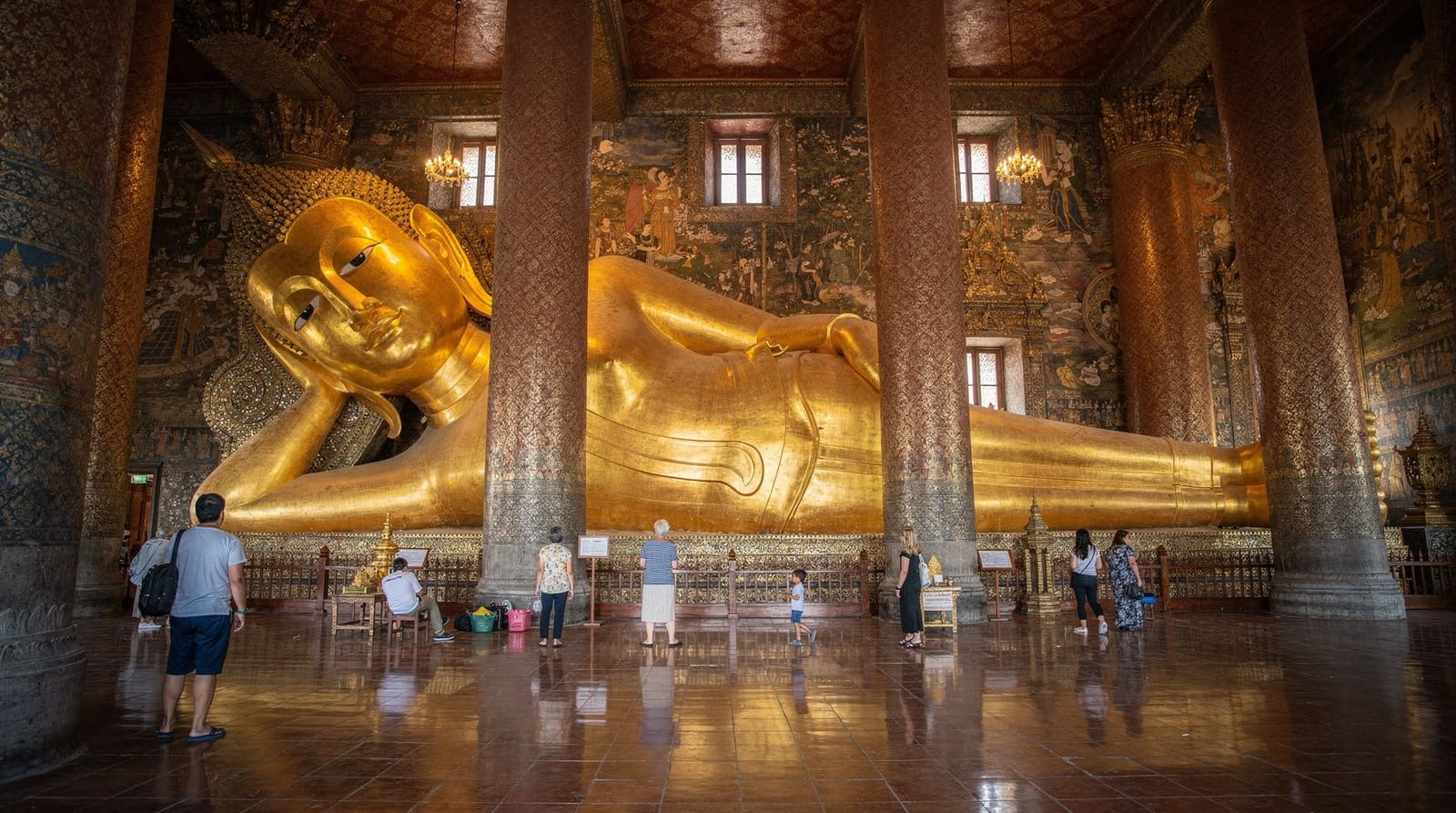
Wat Pho is not only one of Bangkok’s most beautiful temples and the home of the reclining Buddha — it is the spiritual and educational home of traditional Thai massage itself. Inscribed within the temple grounds are the medical texts and diagrams that codified nuad Thai centuries ago, and today the temple runs Thailand’s most respected massage academy, the Wat Pho Thai Traditional Medical School. For travellers, that opens two doors: take a certified course and learn the craft, or simply receive a treatment at the temple’s own massage pavilion.
This guide explains both paths honestly — what the school teaches, the courses and their real (if variable) prices, the difference between the Tha Tien and Salaya branches, how the temple massage pavilion works and what it costs, and whether either is worth your time and baht. It pairs naturally with a visit to the temple, covered in the Wat Pho guide.
Why Wat Pho is the home of Thai massage
Wat Pho — properly Wat Phra Chetuphon — sits in the Rattanakosin old city beside the Grand Palace, and it has been a centre of learning since the early 19th century, when King Rama III had it inscribed with epigraphs and diagrams covering medicine, astrology and the practice of massage. Those diagrams, mapping the body’s energy lines (sen), effectively preserved and standardised traditional Thai massage at a time when the knowledge risked being lost. This is why the temple is universally described as the birthplace of nuad Thai, the tradition UNESCO recognised as Intangible Cultural Heritage in 2019.
The modern Wat Pho Thai Traditional Medical School grew out of that heritage and is now the benchmark certification in the field — a Wat Pho qualification carries weight throughout the Thai massage industry, which is precisely why students travel from all over the world to earn it. For the full background on the tradition itself, see the Thai massage guide.
The school’s courses
The school teaches structured, certified courses across several disciplines. Anyone can enrol — no prior experience is needed for the foundation course, and travellers make up a meaningful share of each class.
General Thai massage (the foundation course). The flagship offering and the one most travellers take: a roughly 5-day, approximately 30-hour course teaching the full sequence of traditional Thai massage, practised on fellow students throughout. It ends with a completion certificate. This is the natural starting point.
Foot massage / reflexology. A shorter module, typically 2–3 days, focused on the foot reflexology techniques you see in every Bangkok shop.
Oil and aromatherapy massage. A separate module covering the oiled, draped style distinct from clothed traditional Thai massage.
Advanced and therapeutic courses. Longer programmes for those pursuing massage professionally, including therapeutic applications and Thai herbal medicine.
Classes run on fixed cycles rather than every day, and English-language instruction should be booked in advance, so confirm start dates and language directly with the school when planning. If a full multi-day course is more commitment than you want, a half-day workshop that teaches the basics and includes a treatment is a gentler introduction.
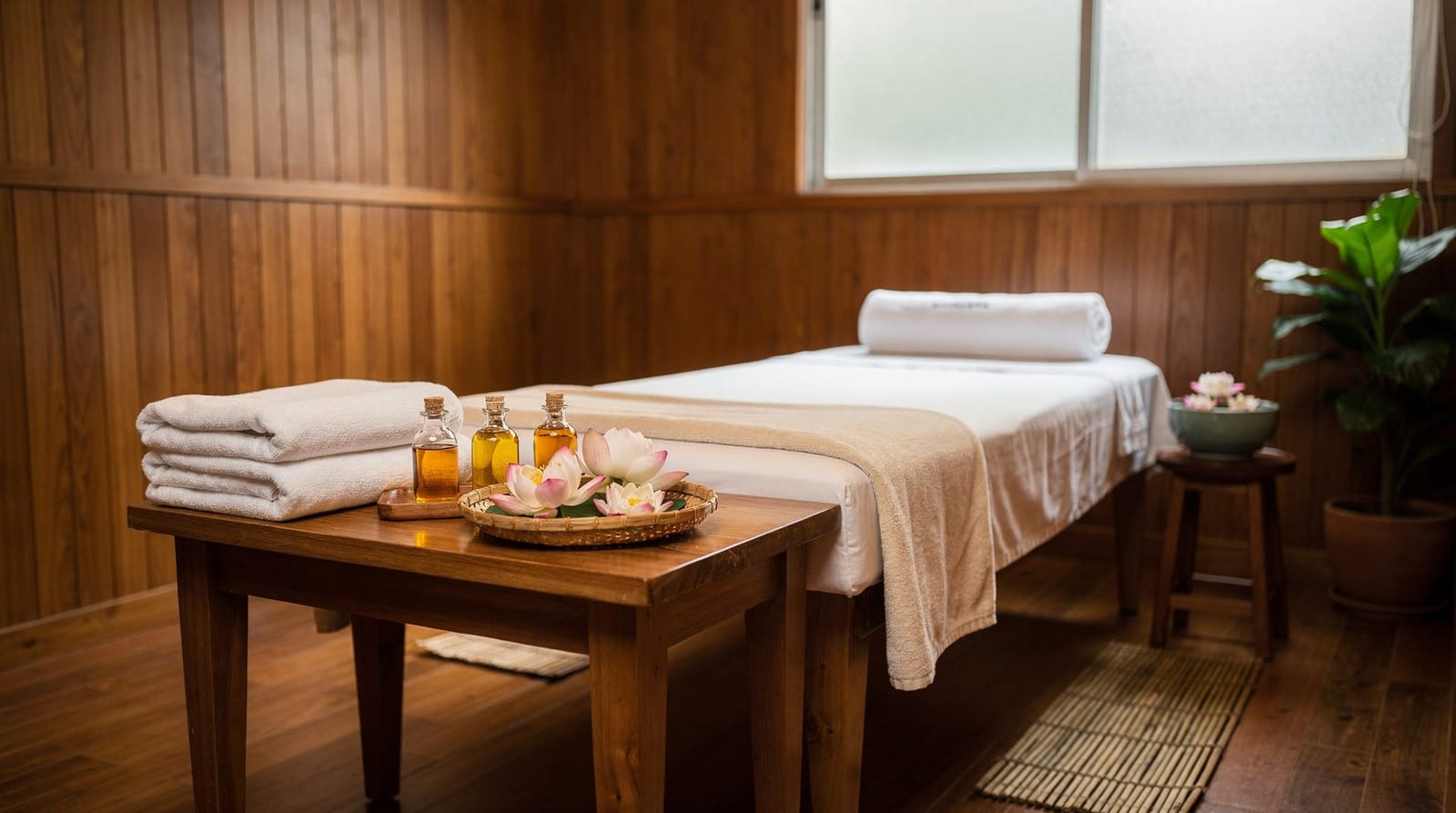
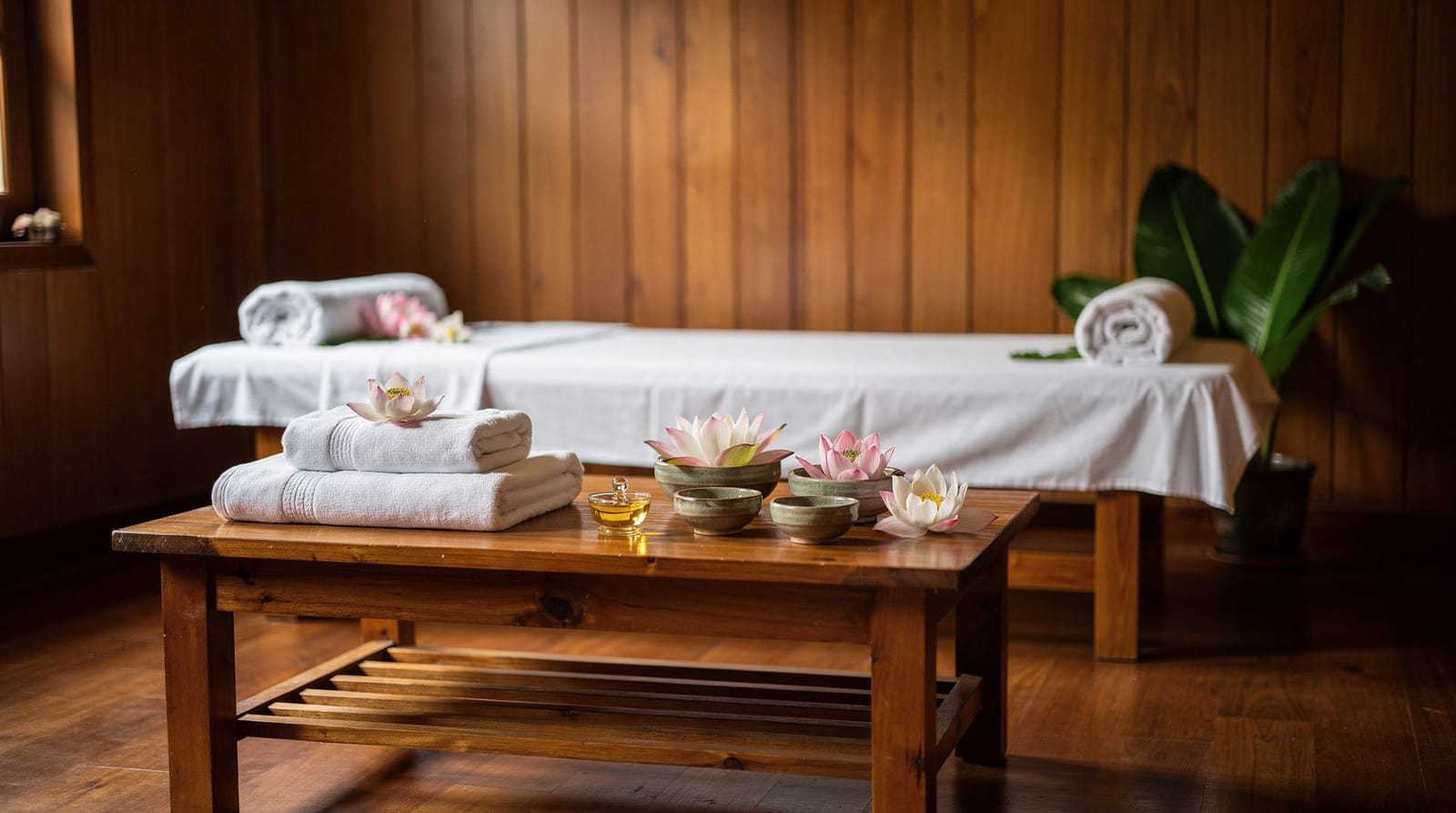
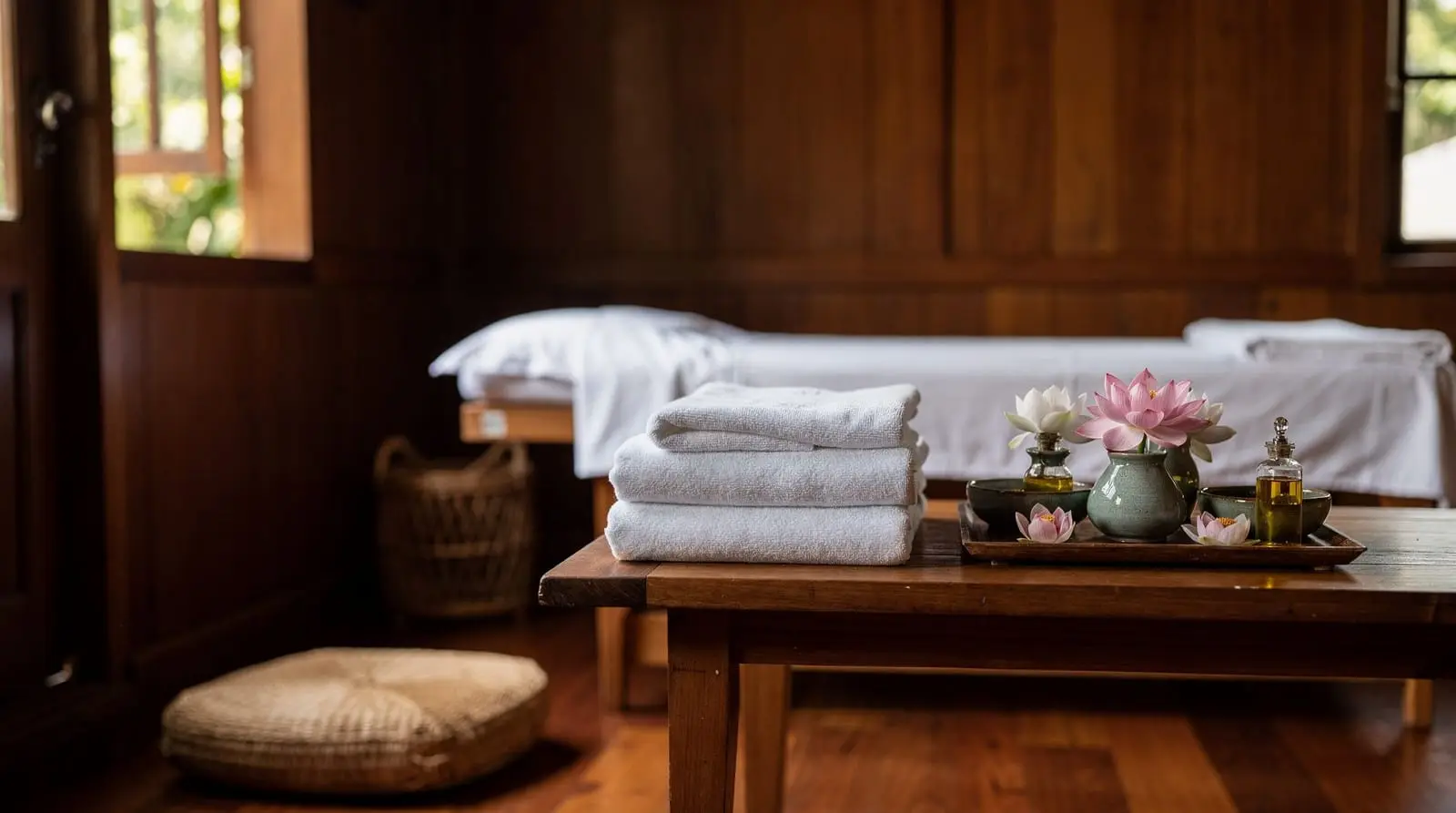
Klai Thai traditional massage and workshop — learn the fundamentals and receive a full sessionCourse prices, honestly
Course fees vary by module and are revised periodically, so always confirm current rates with the school before enrolling. As a 2025–2026 guide, at roughly 33 THB to the US dollar:
- General Thai massage foundation (5 days, ~30 hours): typically in the region of 9,500–12,000 THB (about USD 290–360).
- Foot reflexology module: less than the foundation course, scaled to its shorter length.
- Oil / aromatherapy module: similar mid-range pricing.
- Advanced and herbal courses: higher, reflecting their length and depth.
Fees usually include a course manual and the completion certificate. Treat these figures as indicative only — the school publishes current rates, and they should be your reference. For a sense of how these costs compare with simply receiving treatments around the city, see the traditional versus luxury massage guide.
The two branches: Tha Tien vs Salaya
The school operates from two main locations, and choosing between them is mostly about convenience.
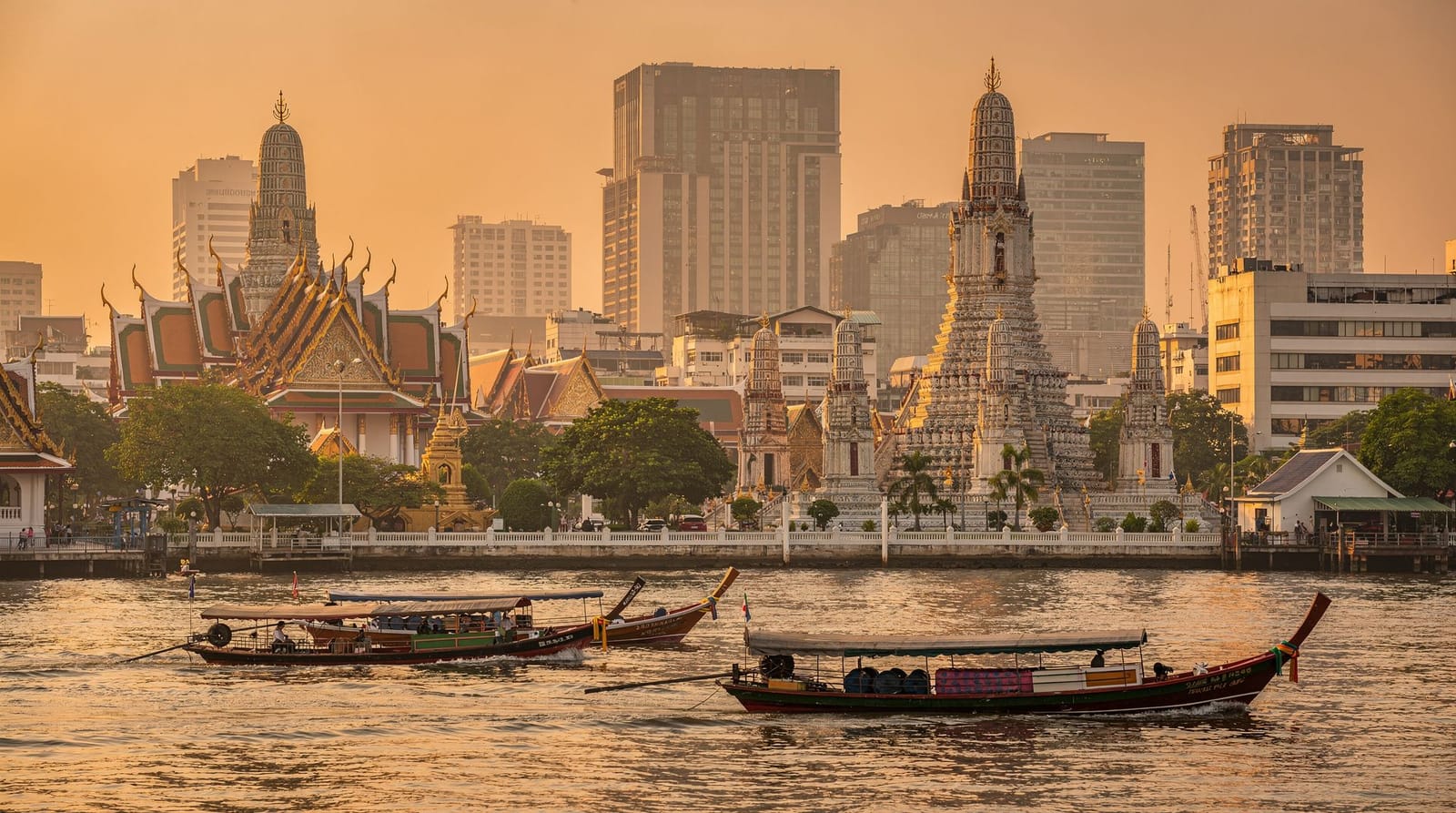
Tha Tien (near the temple). Right by Wat Pho in the old city, a short walk from the Wat Arun area across the river and easily combined with Grand Palace sightseeing. This is the branch most visitors use for short courses and treatments because of its central location and the obvious appeal of studying at the source.
Salaya (Nakhon Pathom). The larger main campus, west of Bangkok in Nakhon Pathom province. It offers the full course range with more capacity and suits students enrolling in longer or specialised programmes. Reaching it takes more effort from the city centre, so it is the practical pick mainly for serious or extended study.
For a short foundation course or a treatment slotted into a day of temples, Tha Tien is the obvious choice; Salaya rewards those committing to deeper training.
| Tha Tien | Salaya | |
|---|---|---|
| Location | Old city, beside the temple | Nakhon Pathom, west of the city |
| Best for | Short courses, treatments, sightseeing days | Longer or specialised training |
| Travel time | Walkable from Wat Pho / Rattanakosin | Requires dedicated travel from central Bangkok |
| Capacity | Smaller, central branch | Larger main campus |
What a training day actually involves
For anyone considering the foundation course, it helps to know what the days feel like rather than just the headline “5 days, 30 hours.” Sessions typically run across a morning and afternoon block with a lunch break, mixing short teacher demonstrations with hands-on practice as students work in pairs, giving and receiving throughout. You build the sequence gradually — one sen line, one stretch, one technique at a time — before stringing it together into a full treatment by the later days. Expect to be kneeling, stretching and using your body weight repeatedly, so wear loose, comfortable clothing and be ready for some muscle soreness of your own by the end of the week. Most students describe it as physically tiring but genuinely rewarding, especially the moment the individual pieces click into a coherent full-body sequence.
The temple massage pavilion
If you do not want to take a course at all, you can simply receive a massage at the temple’s own pavilion, performed by school-trained therapists. Current pricing is roughly 480 THB for 30 minutes of traditional Thai or foot massage. It is first-come, first-served and can have a wait around midday when temple crowds peak, so arrive early or time it for the end of your visit.
Is it worth it? Honestly, it costs more per minute than a neighbourhood shop, where an hour runs 250–400 THB. What the pavilion adds is the experience of being massaged at the home of the tradition, by therapists trained in its most respected school. As a one-off cultural moment paired with your temple visit, it is genuinely worthwhile; as your everyday massage, a local shop wins on value. Many visitors do both. The temple itself, including the reclining Buddha and the murals, is detailed in the Wat Pho guide, and you can fold the whole thing into a broader day using the things to do in Bangkok guide or a temple-hopping route.
Let’s Relax Ekkamai — a polished spa alternative when you want comfort over heritagePractical tips for visiting
Combine it with sightseeing. Wat Pho sits beside the Grand Palace and a short ferry from Wat Arun, so a treatment or short course fits naturally into an old-city day. Dress respectfully for the temple — covered shoulders and knees — per the temple etiquette guide.
Book courses ahead. Classes run on cycles and English instruction needs arranging, so plan around the school’s schedule rather than turning up.
Arrive early for the pavilion. Midday brings the crowds; mornings are calmer.
Carry cash. Have THB ready for the pavilion and small notes for a tip — 50–100 THB is customary even here.
If you want to go deeper into Bangkok’s broader wellness scene — yoga, meditation retreats, herbal saunas — see the wellness in Bangkok guide, and for venue-by-venue spa recommendations, the best spas in Bangkok guide. For an indulgent contrast to the temple’s austere heritage, a luxury spa makes a memorable second wellness day.
Divana Divine Spa Thonglor — a luxury counterpoint to the temple traditionFrequently asked questions about Wat Pho massage school: courses, treatments and prices
What is the Wat Pho massage school?
How much does a Wat Pho massage course cost?
Can I just get a massage at Wat Pho without taking a course?
What is the difference between the Tha Tien and Salaya branches?
Do I need experience to take a Thai massage course at Wat Pho?
How long is the Wat Pho Thai massage course?
Is the Wat Pho massage pavilion worth it, or should I go to a normal shop?
What does a typical day look like on the Wat Pho foundation course?
Top experiences
Bookable activities with verified prices and instant confirmation on GetYourGuide.