Traditional vs luxury massage in Bangkok: which to choose
Bangkok: Let's Relax Ekkamai
Should I get a traditional Thai massage or a luxury spa treatment in Bangkok?
Choose traditional neighbourhood Thai massage (250–400 THB per hour) for unbeatable value and an authentic, firm therapeutic treatment after a day of sightseeing. Choose a luxury hotel or destination spa (3,000 THB and up) when you want a serene, ritualistic half-day experience with steam rooms, oils and impeccable service. Mid-range chains like Let's Relax sit in between at 1,000–2,500 THB. The right answer depends on your budget, your mood, and whether you want a treatment or an experience.
In Bangkok you can have a genuinely excellent massage for 300 THB or for 5,000 THB, and the gap between the two is not really about the quality of the hands — it is about everything around them. A neighbourhood shop and a luxury hotel spa both employ skilled therapists; what separates them is ambience, ritual, privacy and price. Understanding that distinction is the key to spending your baht where they actually buy you something.
This guide compares the two ends of the Bangkok massage spectrum honestly — traditional street-front Thai massage versus the luxury hotel and destination spa — across price, the actual experience, hygiene, and the occasions each suits best. It is written to help you decide, not to push you upmarket.
| Traditional shop | 250–400 THB/hour, no booking needed, everyday choice |
| Mid-range chain | 1,000–2,500 THB, book same-day, air-conditioned |
| Luxury spa | 3,000 THB+, book a day ahead, half-day ritual |
| Tipping | 50–100 THB traditional; 100–200 THB or ~10% luxury |
| Best for couples | Mid-range or luxury with a private suite |
The two experiences, side by side
The fastest way to choose is to understand what each one actually is.
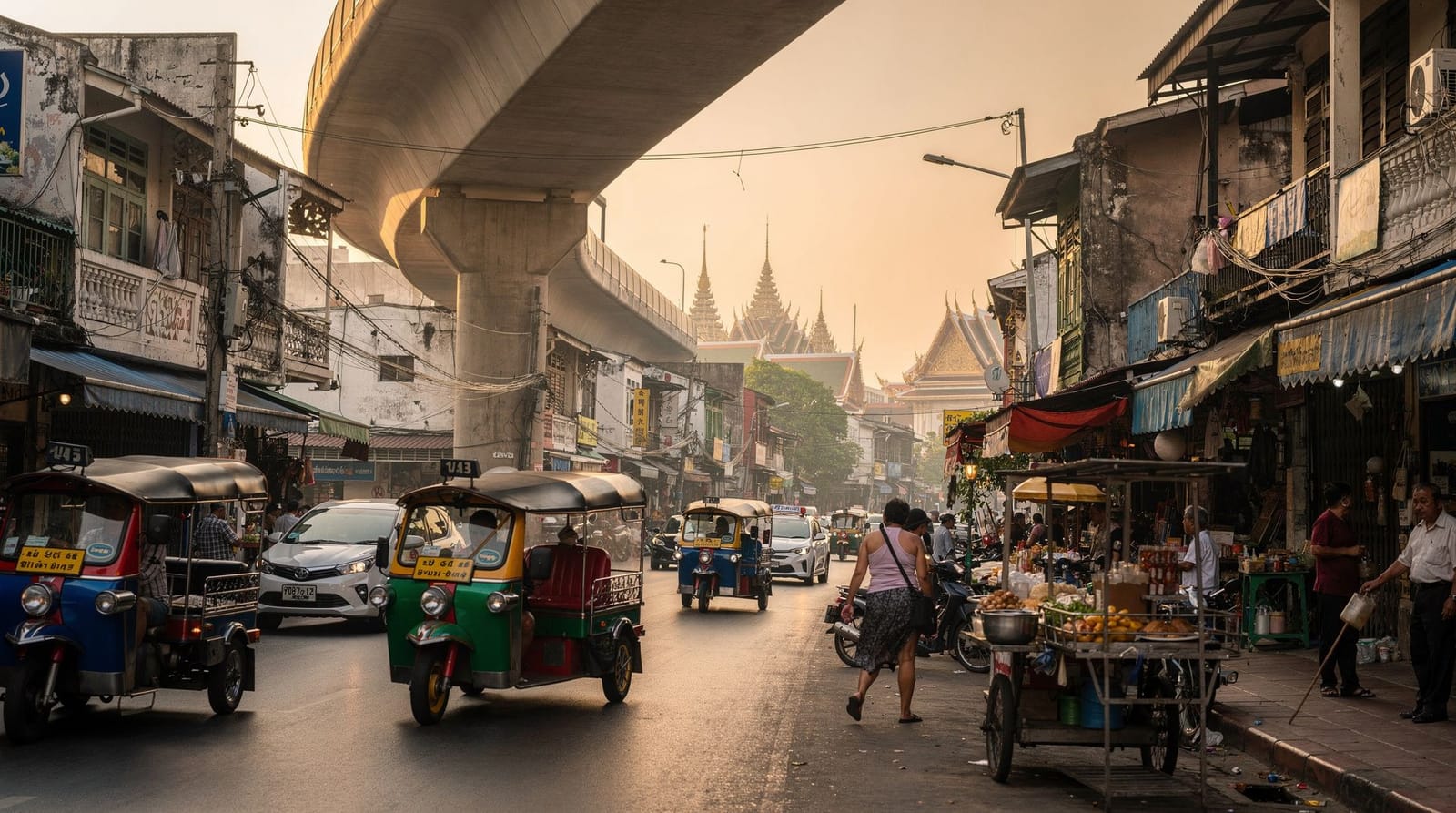
Traditional neighbourhood Thai massage is the everyday treatment most Thais get. It is firm, oil-free and performed fully clothed on a padded mat, usually in a simple open room or behind a curtain. The therapist works deep along the body’s energy lines and folds you into assisted stretches. It is therapeutic rather than soothing, and it costs 250–400 THB (about USD 8–12) an hour. For the full picture of what this treatment involves, see the Thai massage guide.
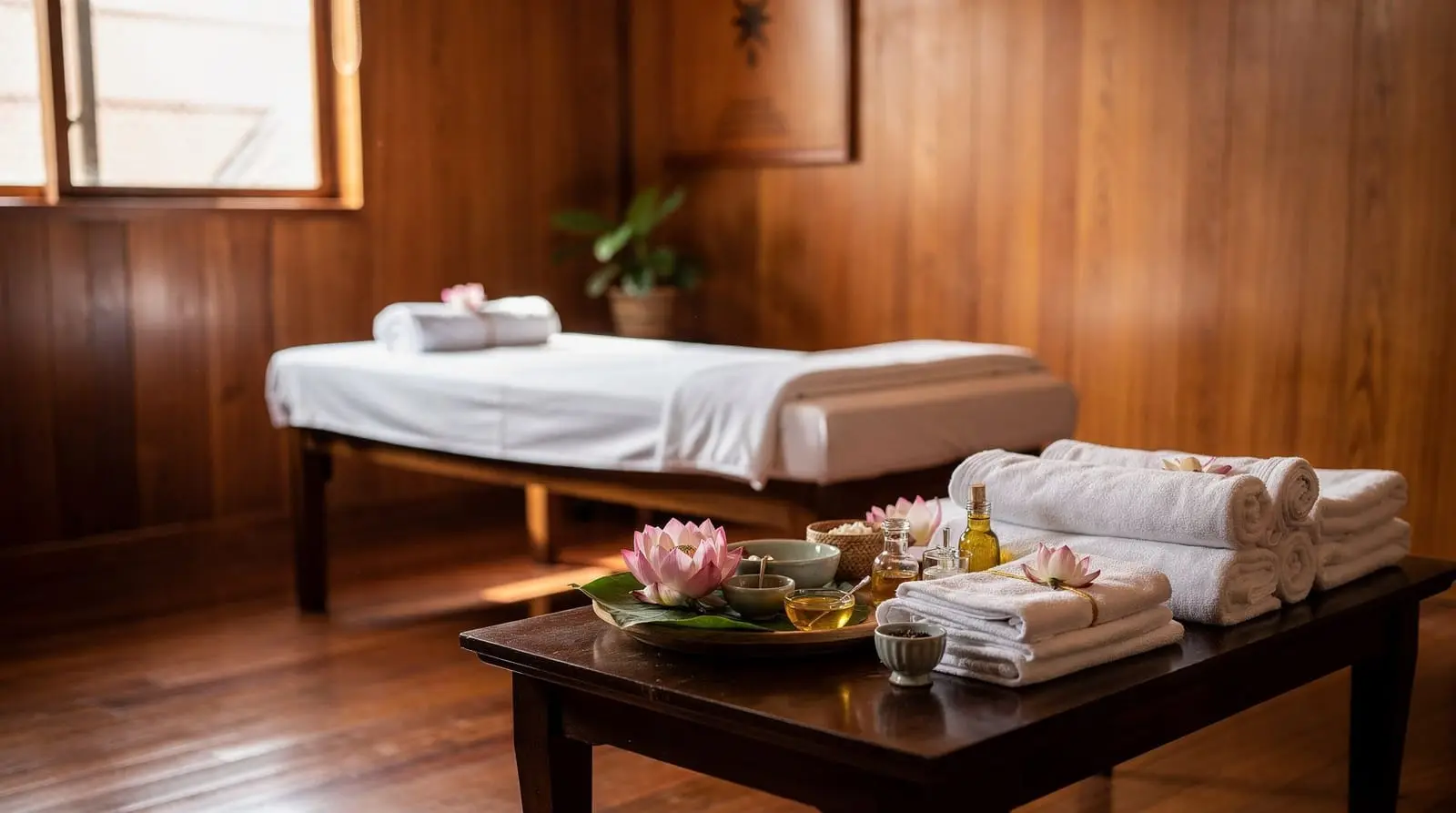
Luxury spa treatment is an indulgence. You are shown to a private, dimly lit room, undress to your underwear, and receive an oiled aromatherapy or signature massage that is generally gentler and more sensory. It comes wrapped in a ritual — tea on arrival, a foot wash, steam rooms, plunge pools, a quiet relaxation lounge afterwards — and costs 3,000 THB and up. The full venue rankings are in the best spas in Bangkok guide.
Between them sits the mid-range chain — Let’s Relax, Health Land, Divana’s lighter packages — offering an air-conditioned, polished version of the treatment for 1,000–2,500 THB, which is where most visitors land most often.
Price, honestly
Here is the spread, at roughly 33 THB to the US dollar and reflecting 2025–2026 conditions.
| Tier | Typical price | Duration | Booking |
|---|---|---|---|
| Neighbourhood Thai or foot massage | 250–400 THB (USD 8–12) | 1 hour | Walk in |
| Neighbourhood oil massage | 350–600 THB | 1 hour | Walk in |
| Wat Pho temple pavilion | around 480 THB | 30 minutes | Walk in, expect a wait |
| Mid-range chain (Let’s Relax, Health Land) | 1,000–2,500 THB (USD 30–75) | 90 minutes | Same-day online |
| Luxury hotel / destination spa | 3,000–6,000 THB+ (USD 90+) | 90–120 minutes | A day or more ahead |
The honest headline: a 300 THB street massage is one of the best-value treatments on earth, and the jump to a luxury spa multiplies the cost roughly tenfold for ambience rather than for substantially better technique. That is not an argument against luxury — it is simply what your extra baht buys.
Let’s Relax Ekkamai — the reliable mid-range middle ground between street and luxuryThe experience compared
Setting. Traditional shops are functional and often a little noisy — air-conditioning, street sounds, fellow clients nearby. Luxury spas are designed for serenity: gardens, water features, soft music, treatment rooms sealed off from the world. If the environment is part of why you want a massage, this matters.
The treatment itself. Traditional Thai massage is firm, dynamic and clothed; you may leave feeling worked-over and limber. Luxury spa massage is usually oiled, slower and more soothing; you may leave feeling melted. Neither is objectively superior — they target different moods. Many visitors want the firm traditional version after a day on their feet around the old city, and the indulgent version on a slow evening in Thonglor.
Facilities. This is where luxury earns its keep. Steam rooms, herbal saunas, plunge pools, relaxation lounges and elaborate signature rituals simply do not exist at a neighbourhood shop. If you want the full day-spa experience, you are paying for the building, not just the massage.
Privacy. Traditional shops often place clients side by side in an open room. Spas give you a private room and, for couples, a dedicated suite. For a romantic or self-conscious occasion, the spa wins.
Spa Botanica at The Sukhothai — when you want the full luxury ritual, not just a massageHygiene and safety at both ends
Cleanliness is not a luxury-only feature. Reputable neighbourhood shops use fresh linen for each client, keep mats and towels clean, and display a Ministry of Public Health certificate. Luxury spas are, of course, immaculate. At either end, trust your eyes: a tidy room, clean linen and a posted price list are the signals that matter.
A note that applies to both tiers: legitimate therapeutic massage — whether street-level or five-star — has nothing to do with the “soapy massage” sex trade. That operates from a distinct kind of venue: large, neon-lit “massage” buildings with touts at the door and women seated behind glass, concentrated in specific nightlife sois. Genuine massage has bright, ordinary lighting, posted prices and no door pressure. The Thai massage guide covers how to tell them apart at a glance, and the Nana and Soi Cowboy explainer maps the nightlife zones.
Which should you choose?
Choose traditional neighbourhood massage if you want unbeatable value, an authentic firm treatment, and a quick, restorative session after sightseeing. It is the right default for most days and most budgets, and the everyday choice of locals across Silom and Sathorn, Sukhumvit and beyond.
Choose a mid-range chain if you want reliability, air-conditioning, herbal compresses and a calm room without splurging. Let’s Relax and Health Land are the safe, consistent picks.
Choose a luxury spa if the occasion calls for it — a honeymoon, an anniversary, a celebratory slow day, or simply the desire to spend a few hours being thoroughly pampered with steam, oils and ritual. Book ahead.
Divana Divine Spa Thonglor — a garden-villa indulgence for a special occasionFor couples specifically, the upper-mid-range and luxury tiers with private suites are worth the premium. For the cultural roots of the traditional treatment, see the Wat Pho massage school guide, and for the wider wellness scene — yoga, meditation, herbal saunas — the wellness in Bangkok guide. To slot a massage into a wider itinerary, see the things to do in Bangkok guide.
Booking, timing and what to bring
Neighbourhood shops need no planning: walk in, point at the price list, and you are usually on the mat within minutes, though a popular shop in the evening rush can mean a short wait. Mid-range chains are more comfortable booked a few hours ahead by phone or app, particularly for a 19h00–21h00 slot after a day of sightseeing. Luxury spas and any couples’ suite should be booked at least a day ahead — weekends and holiday periods fill the best rooms and times first, and a same-day walk-in at a five-star spa often means whatever slot is left, not the one you wanted.
Arrive with loose, comfortable clothing you do not mind creasing for a traditional session, since you stay dressed. For an oiled luxury treatment, wear something easy to change out of; most spas provide a robe and disposable underwear. Skip a heavy meal beforehand, arrive 10–15 minutes early to fill in a short health form (especially if pregnant or with injuries — say so, as therapists adjust pressure and stretches accordingly), and silence your phone. A thai cooking class in Bangkok or a morning at Lumphini Park pairs naturally with an afternoon massage slot, letting you book the treatment as the reward at the end of an active day.
Frequently asked questions about Traditional vs luxury massage in Bangkok: which to choose
What is the real difference between traditional and luxury massage in Bangkok?
Is a luxury spa worth the extra money in Bangkok?
Is traditional street massage in Bangkok hygienic?
How much should I tip at each type of massage?
Which is better for a couple — traditional or luxury massage?
Can I get a luxury experience without staying at a five-star hotel?
How do I avoid the sex-trade 'massage' parlours when choosing?
Do I need to book a massage in advance in Bangkok?
Top experiences
Bookable activities with verified prices and instant confirmation on GetYourGuide.