My first Songkran: getting soaked and loving it
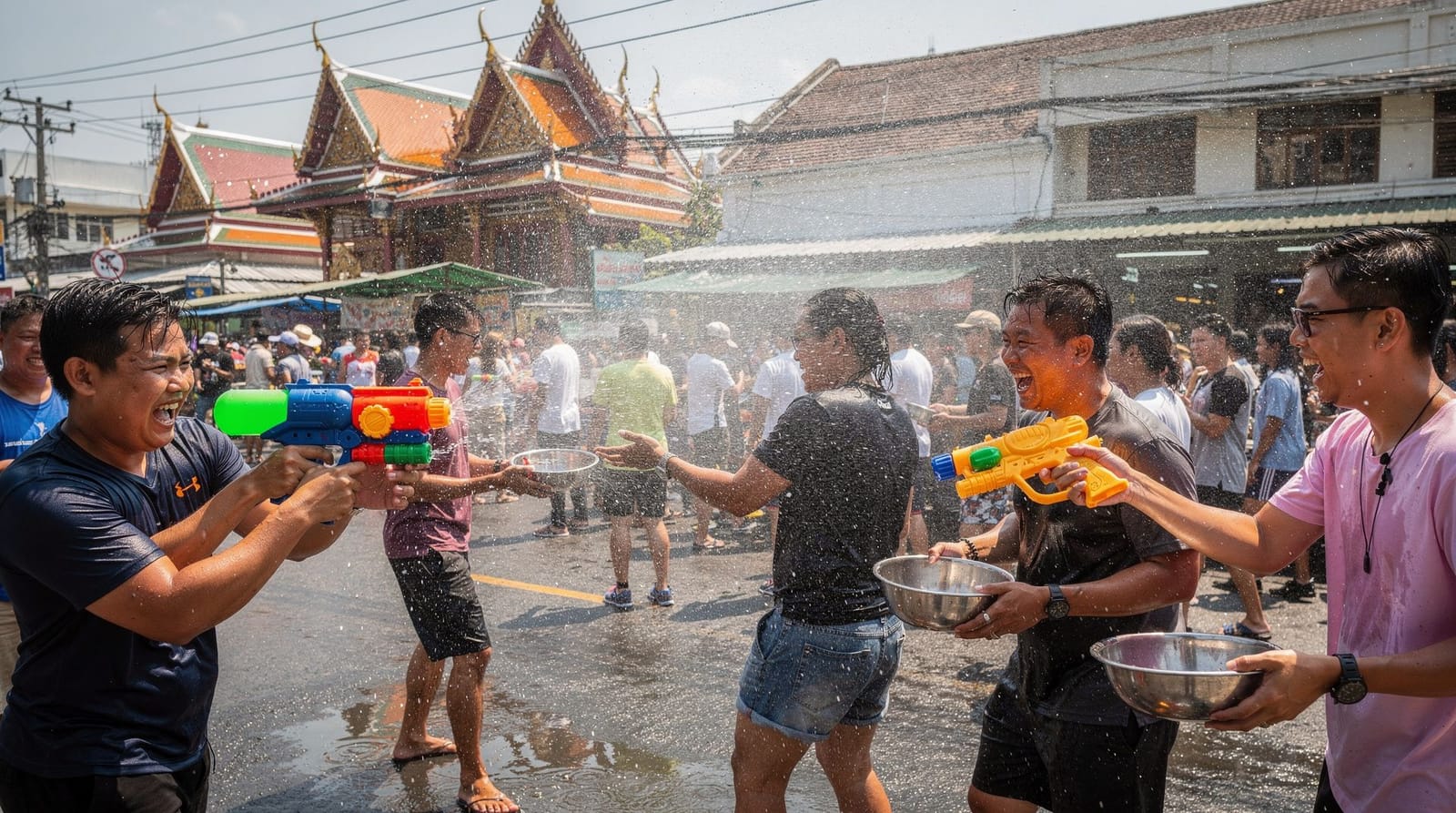
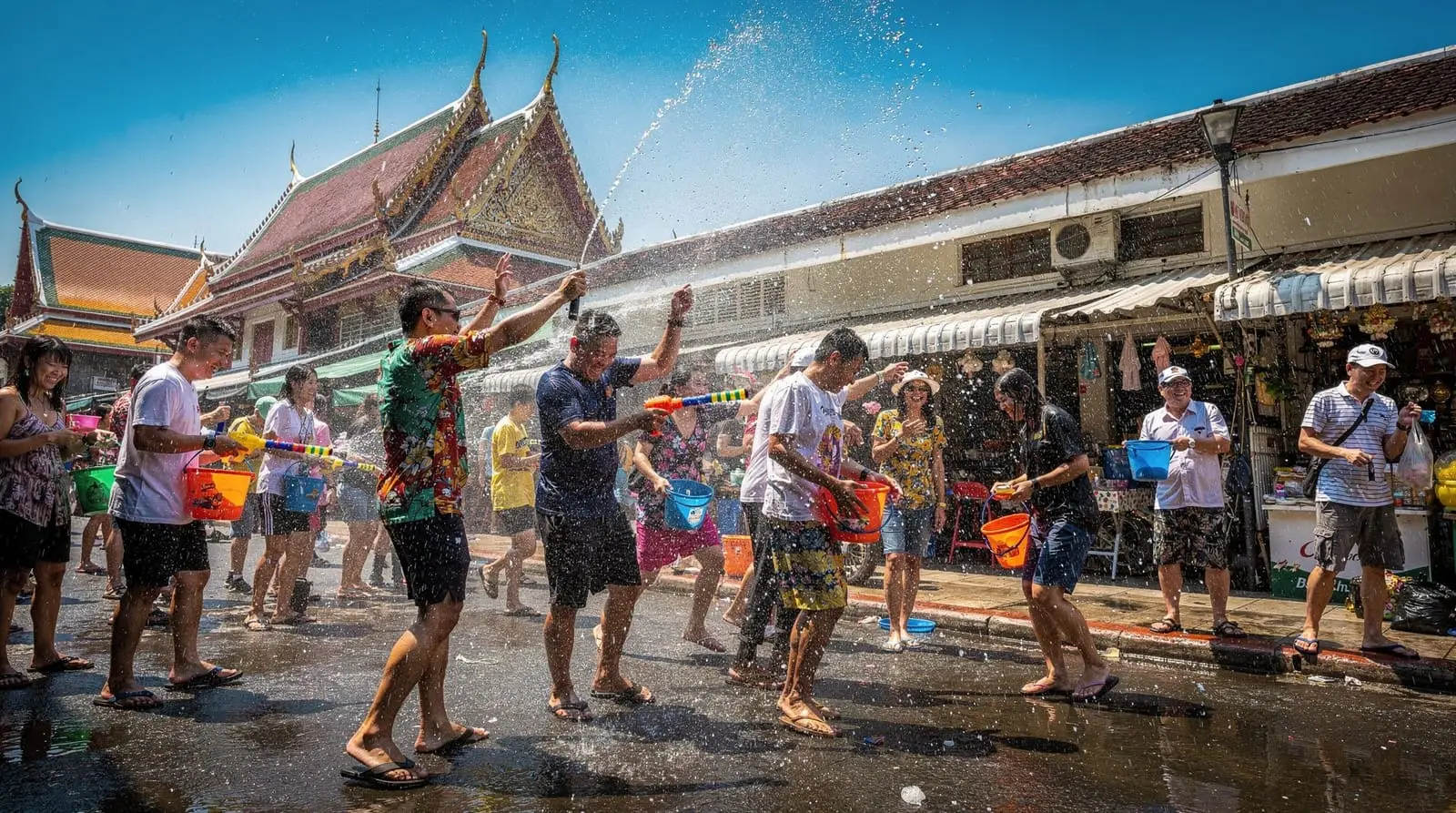
Nobody adequately prepared me for the moment a stranger smeared cool white clay across my cheeks, grinned, said “Happy New Year,” and emptied a bucket of iced water down my back. It was 2pm on April 13th, the first day of Songkran, and I had naively walked toward Khao San Road carrying my phone in my pocket and wearing a shirt I cared about. Both decisions were wrong. What followed was three days of the most gleeful, drenched, sunhinged public celebration I have ever been part of, and I would do it all again tomorrow.
| When | April 13–15, every year |
| Best zones | Khao San (intense), Silom (parade-style), a temple at dawn (traditional) |
| What it costs | Around 150 baht for a water gun, 50 baht for a waterproof phone pouch |
| Getting around | BTS/MRT only — roads gridlock and the streets flood with water |
| Book ahead | Accommodation, since it is peak season for the old city |
What Songkran actually is
Strip away the water fights and Songkran is the Thai New Year, traditionally a time of cleansing, merit-making and visiting family. The water began as a respectful ritual — gently pouring scented water over the hands of elders and over Buddha images to wash away the past year. In Bangkok that gentle ritual has, in the public squares at least, evolved into a city-wide water battle of biblical scale. Both versions coexist: a quiet, reverent Songkran in the temples and family homes, and a roaring, soaking one in the streets. The Songkran guide explains the cultural roots properly, and the Songkran in Bangkok page tells you exactly where each version happens.
It falls every year on April 13th to 15th, smack in the hottest, most punishing stretch of the Thai calendar, which is precisely why being soaked feels less like an assault and more like salvation. The festivals calendar marks it as the year’s biggest event, and the city more or less shuts down for it.
Day one: total ambush at Khao San
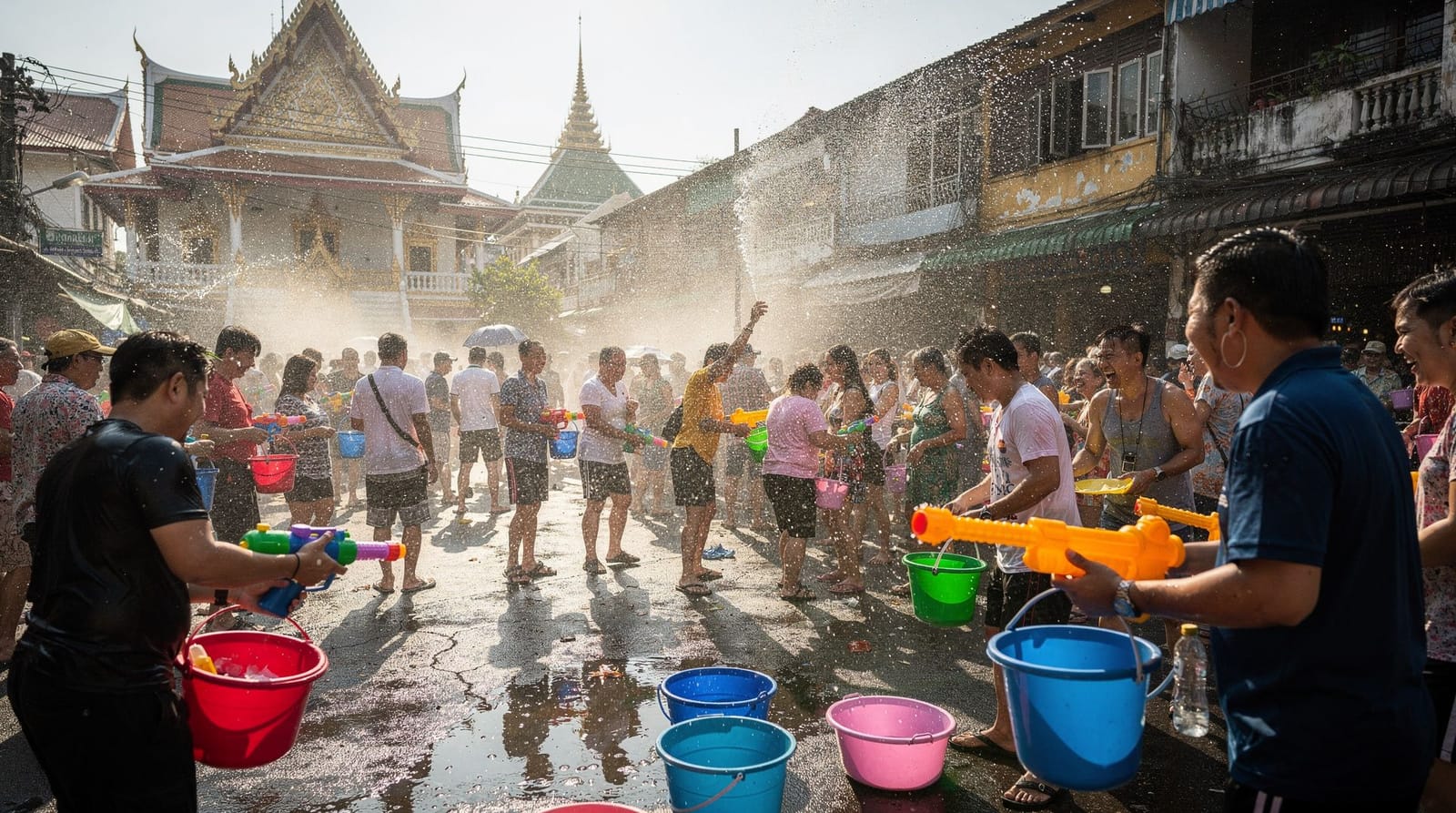
I had read that Khao San Road was the epicentre, so of course I went straight there, and of course I was unarmed. Khao San during Songkran is a 400-metre gauntlet of water guns, hoses, ice buckets and foam, packed shoulder to shoulder with travellers and locals all soaking each other indiscriminately. Within ninety seconds I was drenched to the bone. Within five minutes I had bought a cheap water gun from a street vendor for 150 baht and joined the chaos with the zeal of the converted.
The Khao San Road guide describes the area’s general carnival energy; multiply that by ten and add water and you have Songkran. It is loud, it is wet, it is occasionally overwhelming, and it is enormous fun if you arrive with the right spirit and the wrong clothes.
What I learned the hard way
Three lessons from day one that shaped the rest of my Songkran. First: waterproof your phone. A 50-baht plastic pouch on a lanyard saved my second day after my first phone spent an afternoon perilously close to a bucket of ice. Second: wear clothes and shoes you do not care about, ideally quick-drying ones, and leave anything valuable at the hotel. Third: the white clay paste smeared on your face is part of the ritual, a blessing of sorts, so do not flinch when a smiling stranger reaches for your cheeks.
The water itself is the great equaliser. Monks, grandmothers, tourists, tuk-tuk drivers, police — over those three days everyone is fair game, and there is something genuinely joyful about a whole city agreeing to abandon its dignity simultaneously.
A fourth lesson worth its own line: the water guns matter more than you would think. The cheap 150-baht pistols sold on every corner run dry in seconds and crack within a day; if you are going to commit, the 300-to-500-baht backpack-reservoir guns the serious players carry are worth the upgrade, holding enough water to last a proper street battle. And the buckets of iced water dunked into the public barrels are the secret weapon — refilling from a shared barrel of ice water at the roadside is free, communal and exactly how the locals do it. I also learned that the festival is best in short, intense bursts rather than marathon sessions: two or three hours of full battle, then a dry change of clothes and a meal, then back in. Trying to stay soaked from noon to midnight is a recipe for exhaustion and waterlogged feet.
Day two: Silom, the long wet corridor
On day two I went to Silom, where the city closes several lanes of road and fire trucks spray the crowds while music thunders from every bar. Silom’s Songkran is more of a parade-route format than Khao San’s pressure-cooker, and the LGBTQ+ scene around there throws some of the most spirited parties of the festival. I walked the length of it getting hit from every direction and loving every second.
By day two I had also discovered the quieter side. I ducked into a temple in the morning before the battles began and watched families gently bathing Buddha images and pouring water over elders’ hands, and it recalibrated my sense of the whole thing. The chaos is fun, but it grows out of something tender, and the Thai customs and etiquette guide is worth reading so you understand which is which.
The etiquette I wish I’d known
Songkran has rules, even amid the anarchy. Do not throw water at monks, the elderly, or anyone clearly trying to stay dry, like people in business clothes or on motorbikes — though the last group is fair game in the designated zones. Do not use ice water aggressively on strangers; a splash is fun, a soaking with iced water is a step too far for some. Be gentle with the clay. And remember that the roads are genuinely dangerous during the festival, with traffic accidents spiking, so getting around is best done on foot or by BTS rather than by motorbike.
Day three: the quieter, kinder Songkran
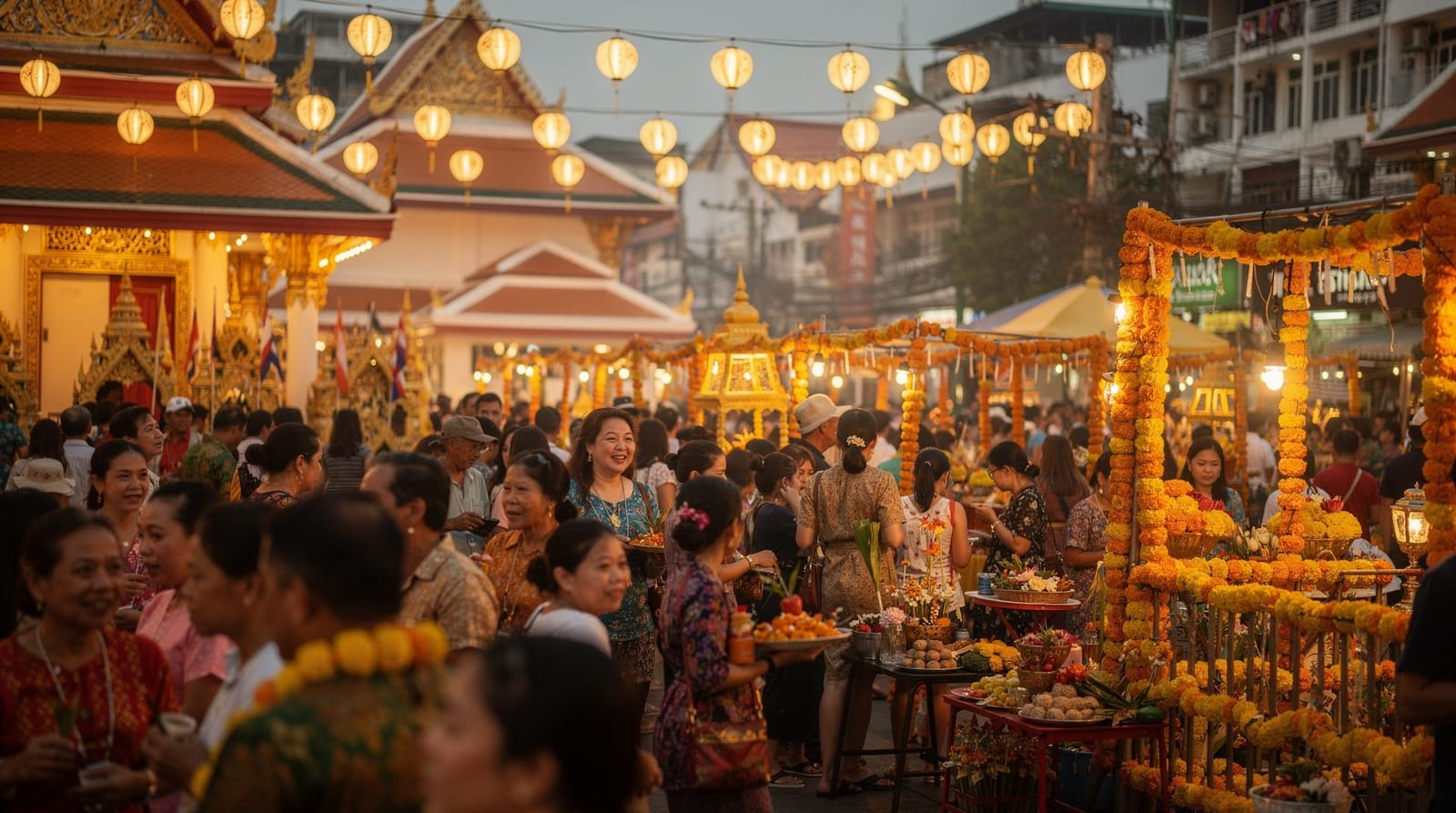
By the third day my arms ached from carrying a water gun and my enthusiasm for ambushing strangers had mellowed into something gentler. So I spent the morning seeking out the version of Songkran that the water fights grew from. I went to a temple near Banglamphu and watched a slow, beautiful ritual: people pouring small bowls of scented water over Buddha images, building little sand stupas in the temple grounds, and gently bathing the hands of elderly monks and relatives in a gesture called rod nam dam hua, a request for blessing and forgiveness. There was no shouting, no ice, no foam — just water as a quiet act of respect.
It reframed the whole festival for me. Songkran is, at its heart, about renewal and cleansing as the old year washes into the new, and the street battles are simply that idea turned up to maximum volume. Understanding the Thai customs and etiquette behind it made the soaking feel less like a foam party and more like participating in something genuinely old. If you can spare a morning, do both: the temple at dawn, the street battle by afternoon. The contrast is the point. The songkran guide and the deeper dive into Buddhism in Bangkok are both worth reading to understand what you are stepping into.
Practical Songkran logistics nobody mentions
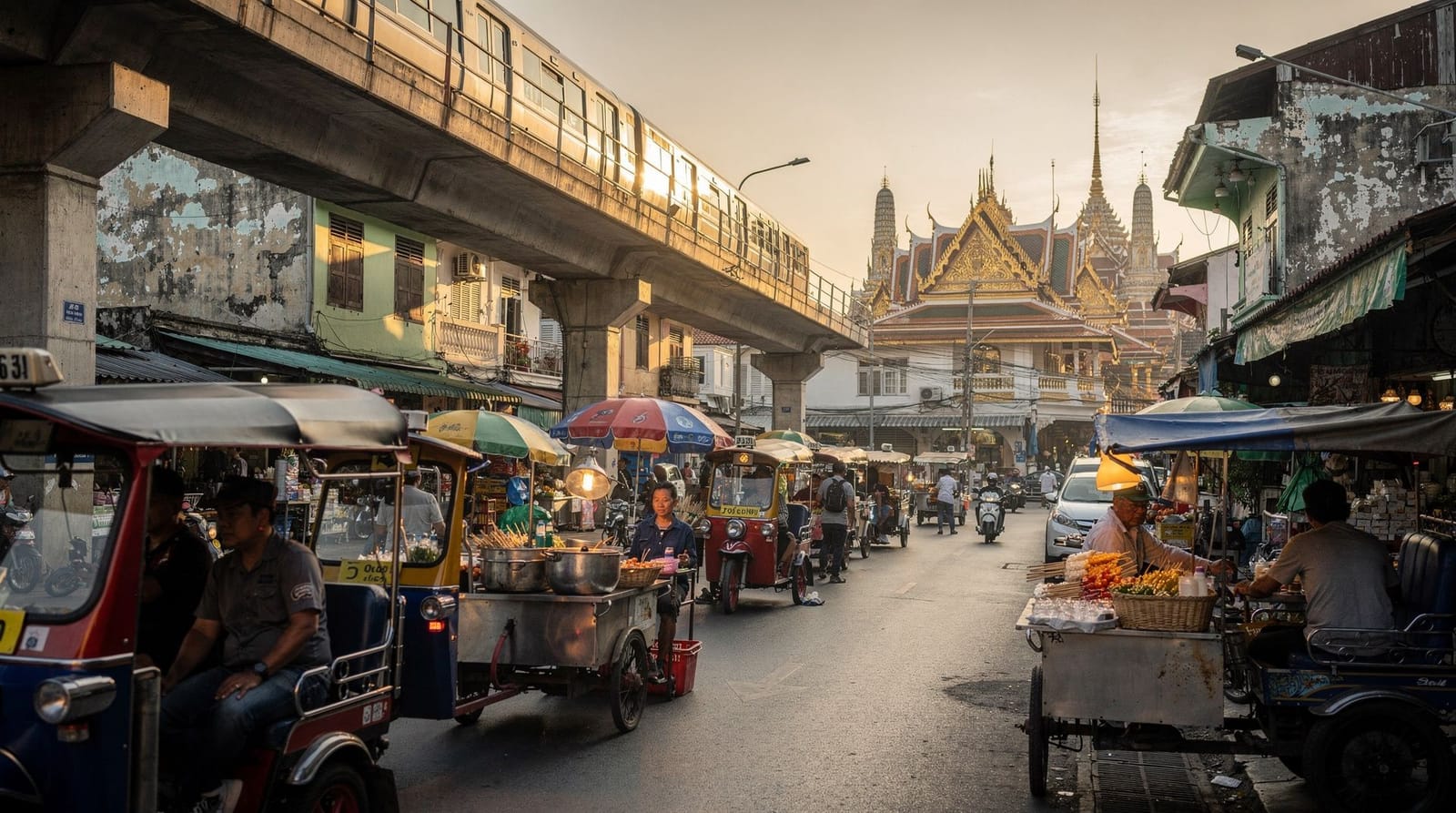
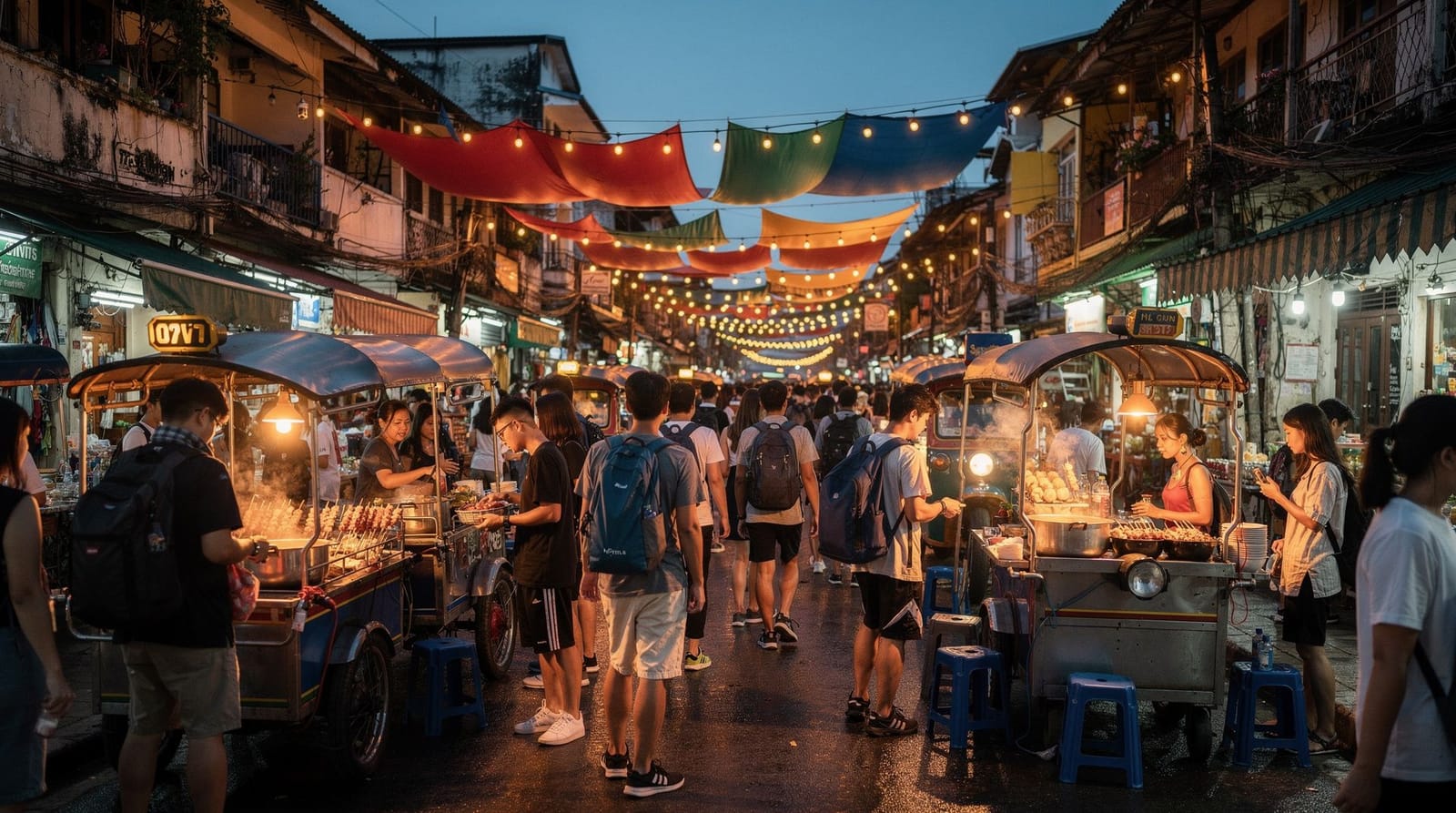
A few hard logistics that shaped my three days and will shape yours. Transport first: do not even attempt a Grab or taxi near the festival zones, because the roads close and the traffic seizes solid — the elevated BTS Skytrain is your lifeline, sailing above the chaos and depositing you dry at the edge of the action. Cash second: ATMs near Khao San run dry and many shops close, so draw out what you need beforehand and keep it sealed in your waterproof pouch with your phone. Accommodation third: book early, because Songkran is peak season for the old city and prices spike. And know that a great many restaurants, shops and even some attractions shut for the three days as staff travel home to their families, so the city you experience is genuinely a holiday city, not a business-as-usual one.
One more thing on safety: the festival period unfortunately sees the year’s worst spike in road accidents, much of it drink-related, so if you are travelling between towns avoid night buses and motorbikes during the holiday. The festivals calendar and the best time to visit guide both flag this, and it is worth taking seriously.
Choosing a base for the festival
Where you sleep matters more during Songkran than at any other time of year. Staying inside Khao San and Banglamphu drops you in the loudest part of the battle — brilliant if that is what you want, exhausting if you would rather retreat when you have had enough, since you cannot escape the noise until it stops outside your window. Basing yourself in Silom or Sathorn instead puts you near a different flavour of street party with an easier BTS-served retreat to a quiet hotel room. The where to stay guide is worth reading with Songkran specifically in mind, because the neighbourhood that suits a normal trip may not suit three days of citywide water war.
The zones, compared
| Zone | Vibe | Intensity | Best for |
|---|---|---|---|
| Khao San Road | Packed, foam and hoses, backpacker energy | Very high | First-timers wanting the full chaos |
| Silom | Parade-style, fire trucks, LGBTQ+ street party | High | A wider, less claustrophobic battle |
| Siam / RCA | Music-festival crowd, younger | High | Nightlife-focused travellers |
| A temple at dawn | Quiet, ritual, families | None | Understanding what the water means |
Would I recommend it?
Wholeheartedly, with caveats. If you want to experience Bangkok at its most exuberant, plan your trip around mid-April and dive in. If you came for serene temple mornings and tranquil river cruises, know that Songkran will completely take over the city for three days and many businesses close. There is no neutral Songkran — you either join the water fight or you hide from it, and hiding seems like a waste. I came to Bangkok expecting temples and street food and left having had a bucket of ice water poured over my head by a delighted seventy-year-old woman, which remains, years later, one of my favourite travel memories.
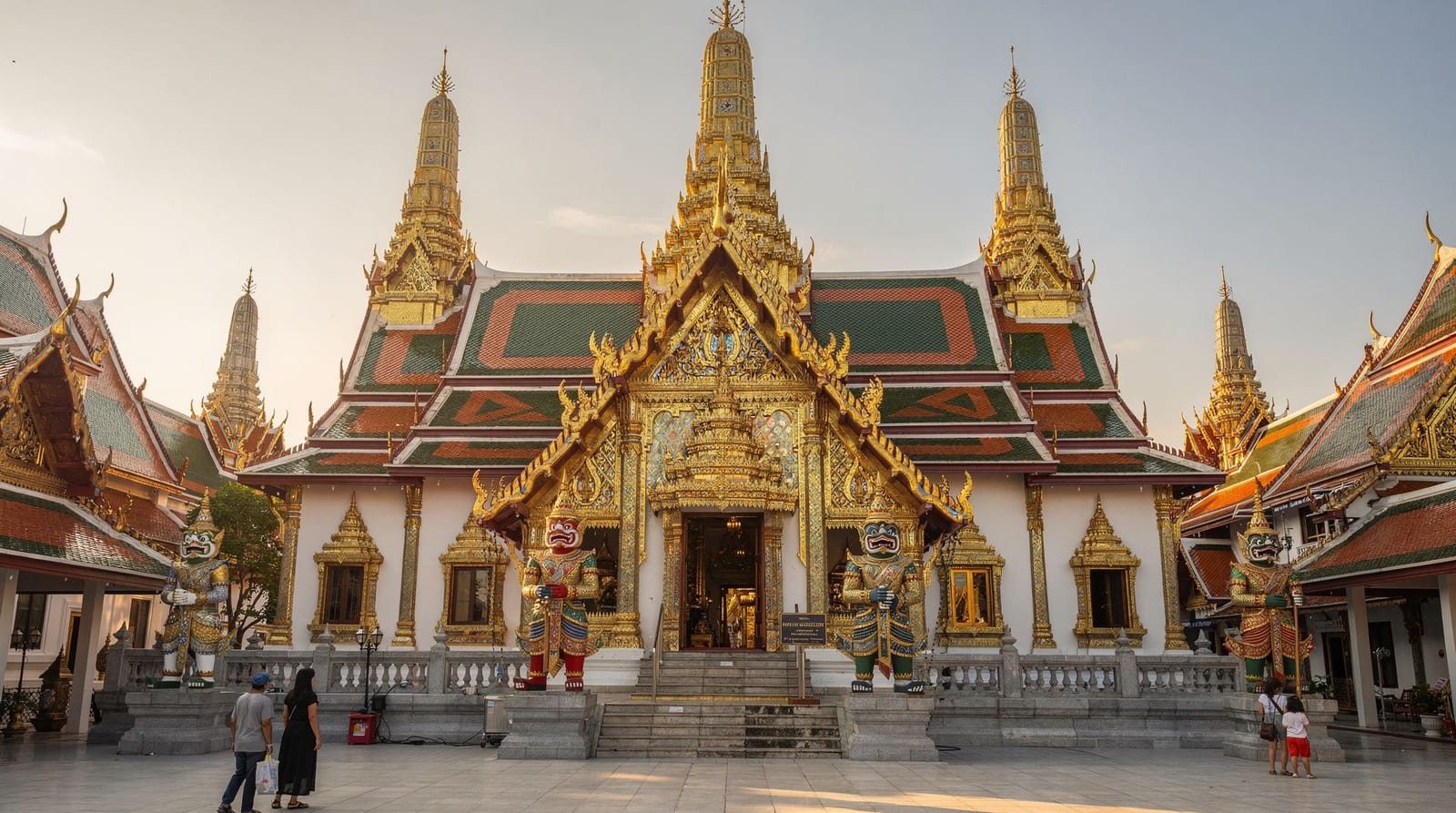
If you would rather experience the city’s calmer face after the soaking subsides, a guided loop of the Grand Palace, Wat Pho and Wat Arun is the perfect dignified counterpoint once your clothes have finally dried.
Frequently asked questions about Songkran in Bangkok
When is Songkran in Bangkok?
Songkran falls every year on April 13th to 15th, the Thai New Year and the hottest stretch of the year. Some neighbourhood celebrations spill over by a day or two on either side.
Where is the best place for Songkran in Bangkok?
Khao San Road is the loudest epicentre, Silom hosts a huge street party, and RCA and Siam draw younger crowds. For the traditional side, visit a temple in the early morning before the water battles begin.
How do I protect my phone during Songkran?
Buy a waterproof pouch with a lanyard for around 50 baht from any street vendor, and leave anything you cannot replace at your hotel. Assume everything you carry will get soaked.
Is Songkran a good time to visit Bangkok?
It depends what you want. For sheer exuberance it is unbeatable, but the city is hot, crowded and partly shut down, with many shops and restaurants closed for the holiday. If you came for serene temples and quiet river cruises, the best time to visit guide may steer you to another month.
How do I get around Bangkok during Songkran?
Use the elevated BTS Skytrain and the MRT, which run normally above the closed and flooded streets. Avoid taxis and Grab near festival zones, where traffic seizes up, and never ride a motorbike during the holiday, when road accidents spike sharply.
What should I wear for Songkran?
Quick-drying clothes and shoes you do not mind soaking and rinsing — think a rash vest or synthetic t-shirt and sandals with a heel strap. Leave anything valuable or precious at the hotel and assume every item on you will be drenched within minutes.