Bangkok airport layover hacks: making the most of a stopover
Bangkok is one of Asia’s great connecting hubs, which means a lot of people pass through it on a layover without ever leaving the airport — and a fair number of them are missing a genuine opportunity. With the right hack, a long Bangkok stopover can become a mini-trip: a temple, a meal, a massage, and back to your gate. But it only works if you do the maths correctly, because Bangkok’s traffic and its two distant airports can swallow time alive. Here is the honest layover playbook — how long you really need, how to get in and out, and what is actually achievable.
| Minimum layover | 6 hours (8+ recommended) |
| Suvarnabhumi to city | Airport Rail Link, ~30 min, ~45 baht |
| Don Mueang to city | No train — bus/taxi/Grab, allow more time |
| Visa | Usually visa-free, but TDAC required |
| Best quick win | Massage + one great meal near a BTS stop |
The first question: how long is your layover?
Everything depends on this. As a rough rule, you need a minimum of six hours between flights before it is worth leaving the airport, and ideally eight or more, because Bangkok’s traffic is genuinely unpredictable and you must build in a generous buffer for the return. With under six hours, stay airside and enjoy the lounges and the food courts. With six to eight, you can do one focused thing near the city centre. With eight-plus, you can do a proper highlights loop. The layover itinerary breaks this down hour by hour and is the place to start planning.
Critical caveat: if your bags are checked through and you have a single ticket, leaving is straightforward. If you must collect and re-check bags, or you are on separate tickets, factor that extra time and faff in carefully.
The visa reality
Most visitors can enter Thailand visa-free for short stays, which makes a layover excursion possible without any advance visa — but you do need to clear immigration to leave the airport, and Thailand now requires the digital arrival registration (the TDAC) before entry, so sort that out in advance. The Thailand visa and TDAC guide explains exactly what is needed. Going through immigration and back out takes time too, so build it into your buffer. Check your own nationality’s rules before counting on visa-free entry.
Suvarnabhumi vs Don Mueang: know your airport
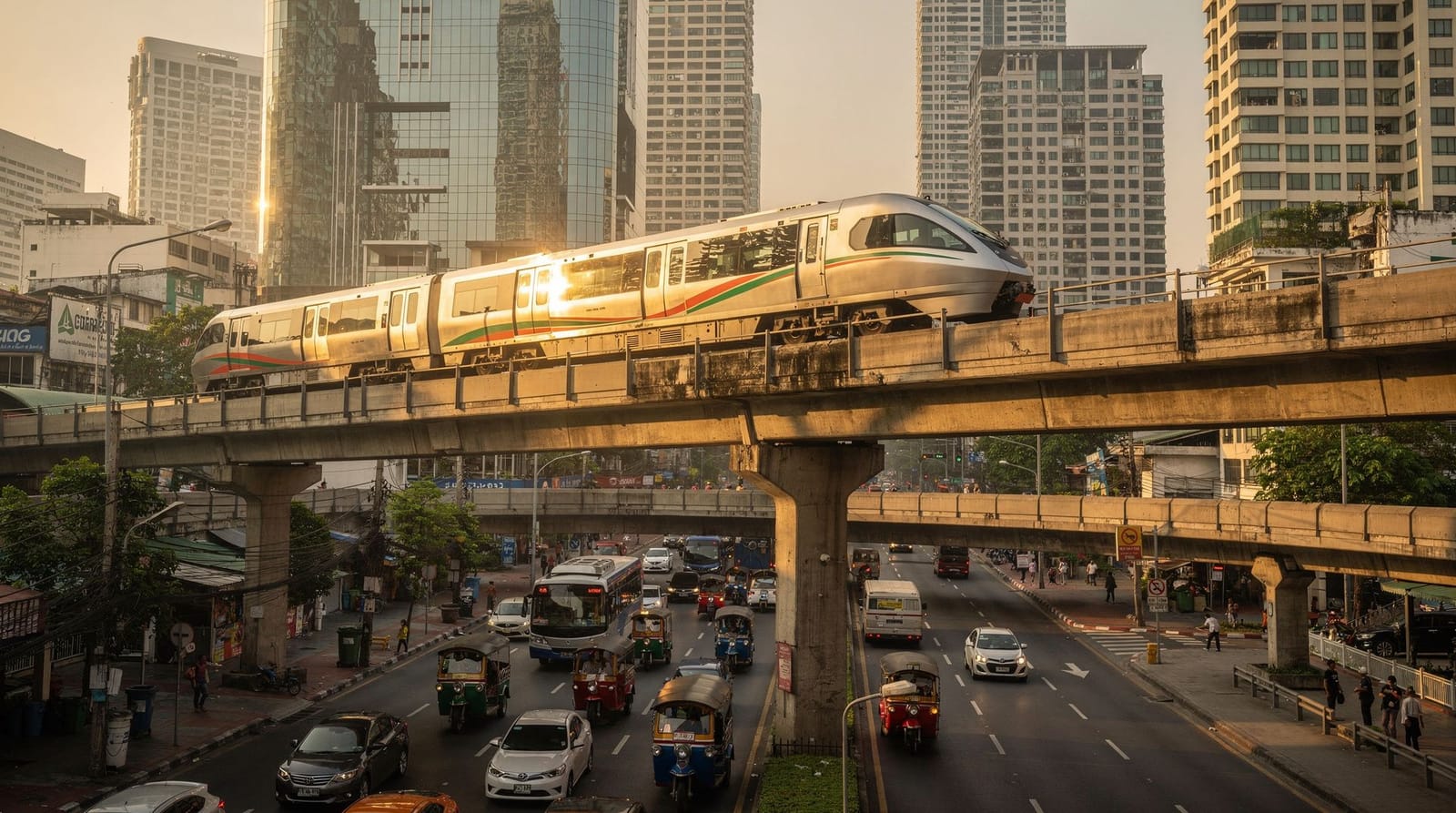
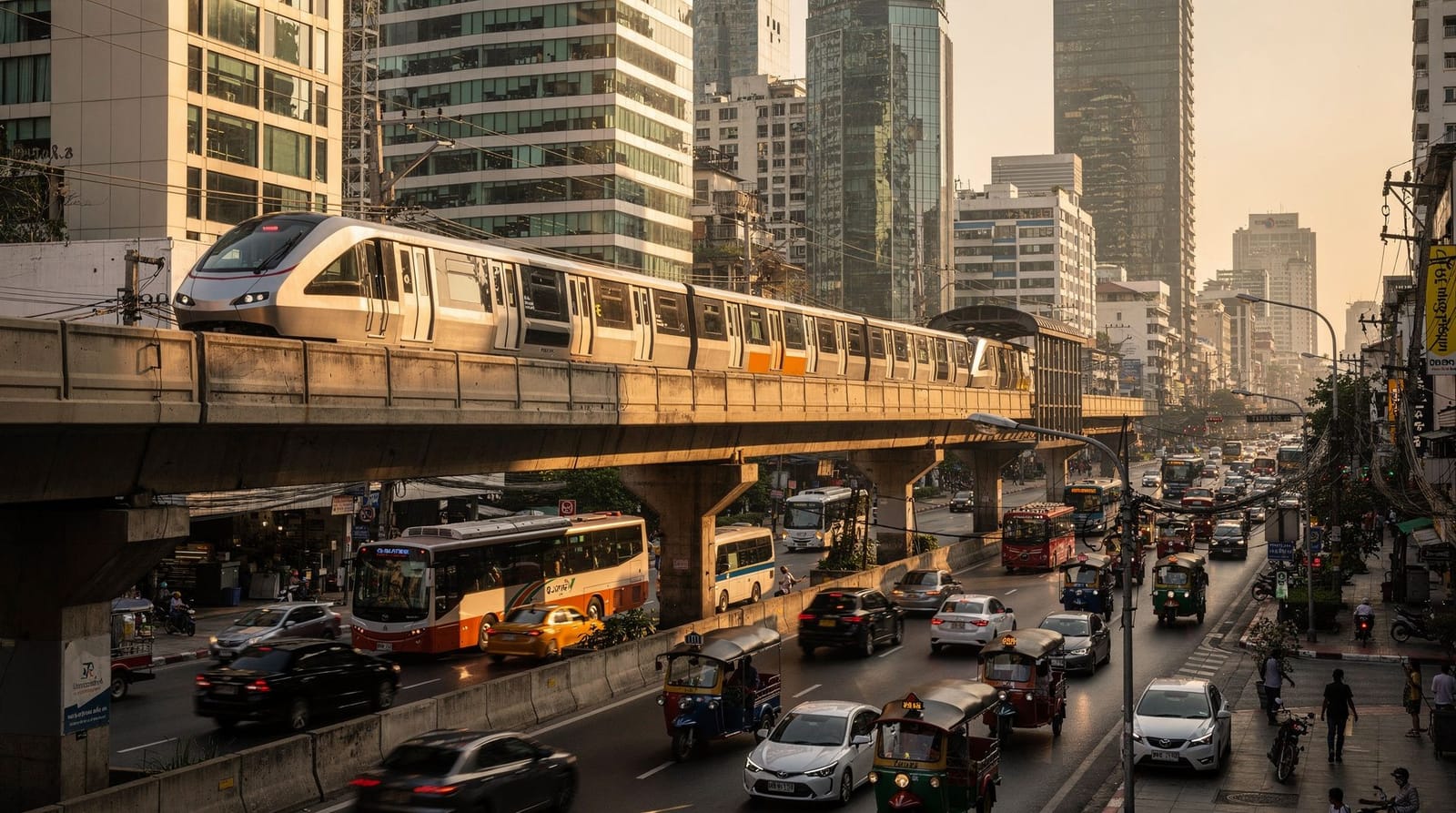
Bangkok has two airports, far apart, and which one you land at completely changes your hacks. Suvarnabhumi (BKK), the main international hub to the east, connects to the city via the Airport Rail Link, which runs into town in around 30 minutes for about 45 baht and crucially bypasses the road traffic — this is the single best layover hack at Suvarnabhumi. The Suvarnabhumi to city guide covers it. Don Mueang (DMK), the older airport to the north used mostly by budget airlines, has no direct train and relies on buses, taxis and Grab through often-heavy traffic, so it is trickier and demands a longer layover to be worth leaving. The Don Mueang to city guide explains your options there.
What is achievable in a layover
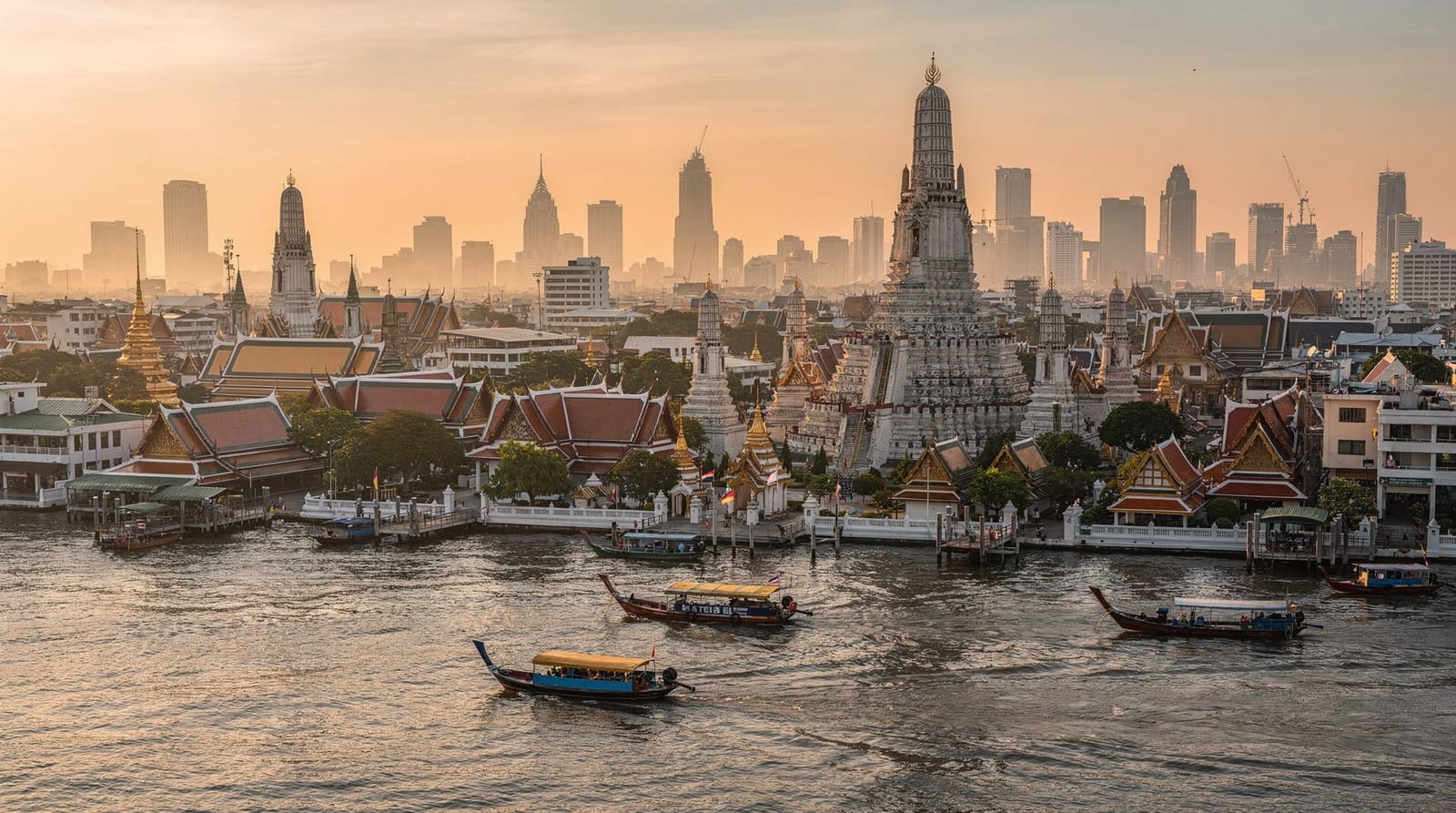
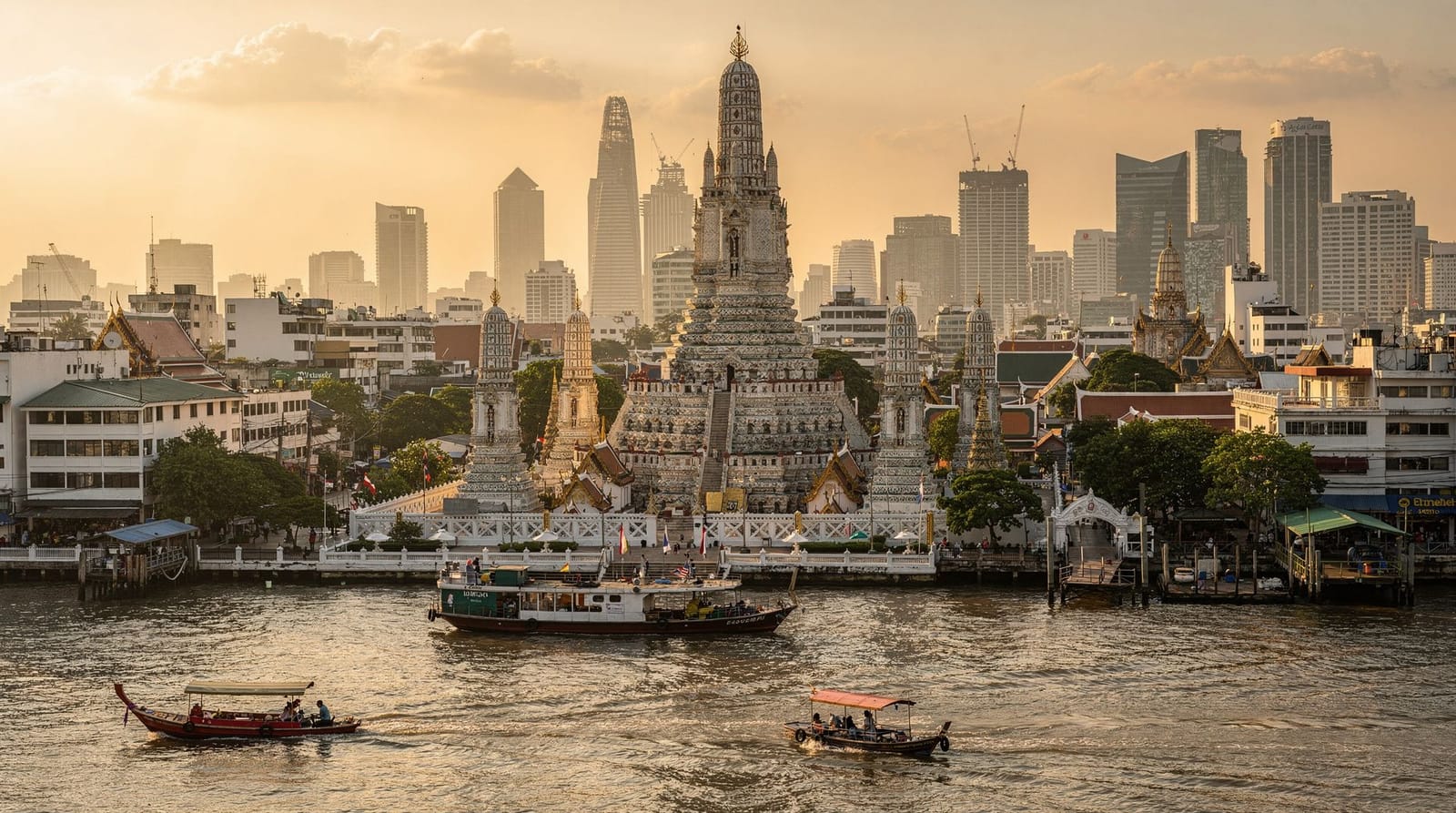
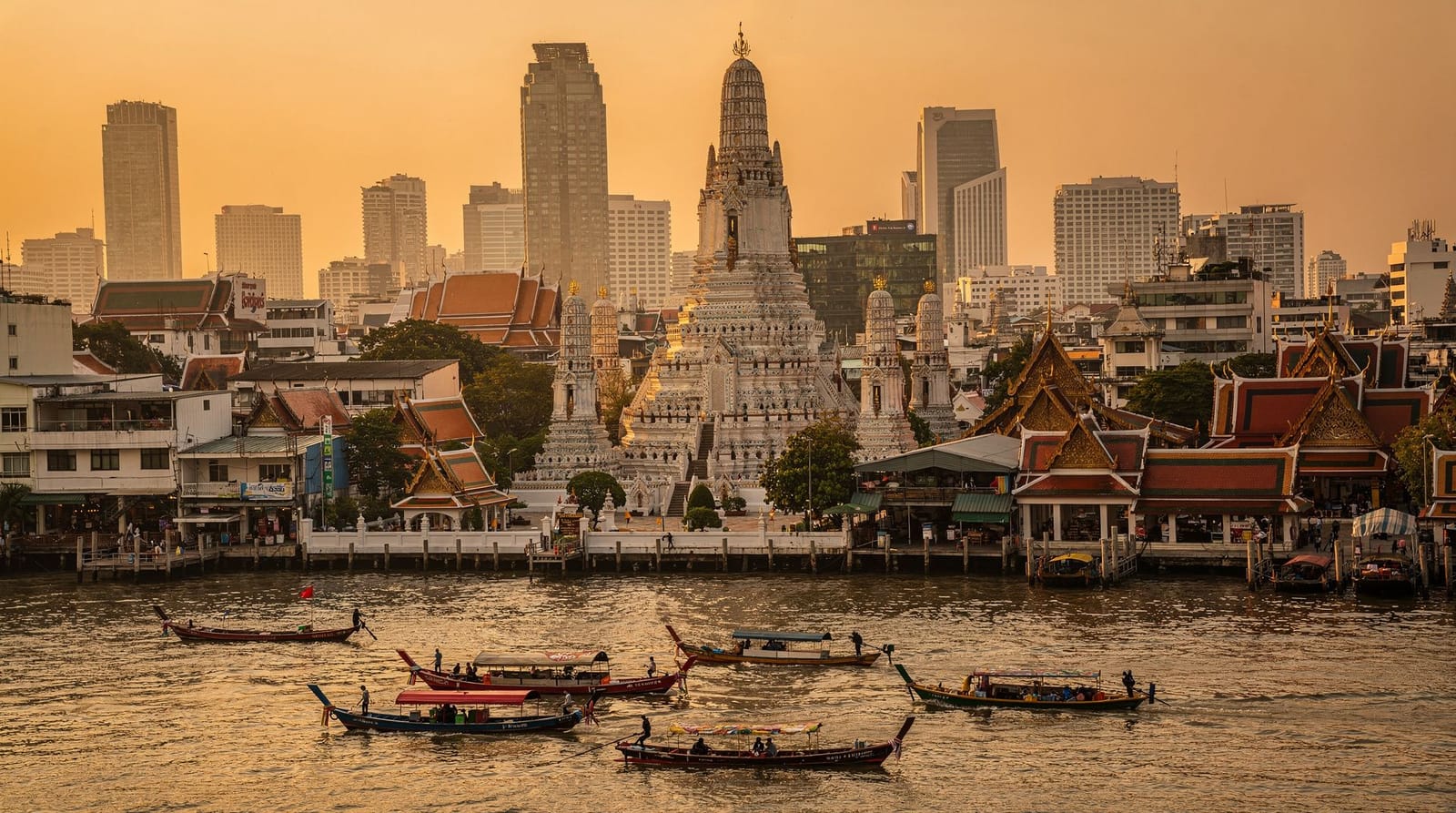
Here is the realistic menu by time. With six to eight hours from Suvarnabhumi: take the Airport Rail Link in, do one thing — a quick temple, a great meal, an hour-long Thai massage near a station — and head straight back. With eight to ten hours: a tighter version of the classic highlights, perhaps Wat Pho or the riverside, plus a proper Thai meal. The must-see first time guide helps you prioritise the single most worthwhile sight. Do not try to cram the full Grand Palace circuit into a layover — the ticket queues and dress-code logistics eat time you do not have, and a rushed temple march is a poor introduction.
My personal favourite layover hack is the simplest: take the rail link in, get an hour-long Thai massage for 300 baht somewhere near a BTS station to undo the flight, eat one spectacular bowl of noodles, and head back relaxed and fed. It is achievable in a six-hour window from Suvarnabhumi and beats the lounge every time.
A worked example: the six-hour Suvarnabhumi run
Let me make it concrete, because the abstract advice only gets you so far. Say you land at Suvarnabhumi at 10am with a 4pm onward flight — six hours, the absolute minimum. Here is how I would actually spend it. Clear immigration (15 to 40 minutes depending on the queue; the morning long-haul bank can be slow), having already done your TDAC online. Walk down to the basement and catch the Airport Rail Link — trains every 10 to 15 minutes, about 30 minutes and 45 baht to Phaya Thai, where you can change to the BTS. By around 11am you are in the city. Spend two hours on one focused thing: a 300-baht Thai massage near a BTS station and a single great meal, or a quick look at one riverside temple if you are organised. Be back on the platform heading airport-bound by 1:30pm at the latest, which lands you back at the terminal around 2:15pm — a full 1 hour 45 before your flight, exactly the buffer you want for re-entering, security and the walk to a distant gate. Tight, but entirely doable, and infinitely better than six hours staring at a departure board. If you only have five hours, do not attempt it; stay airside and rest.
Avoiding the classic layover mistakes
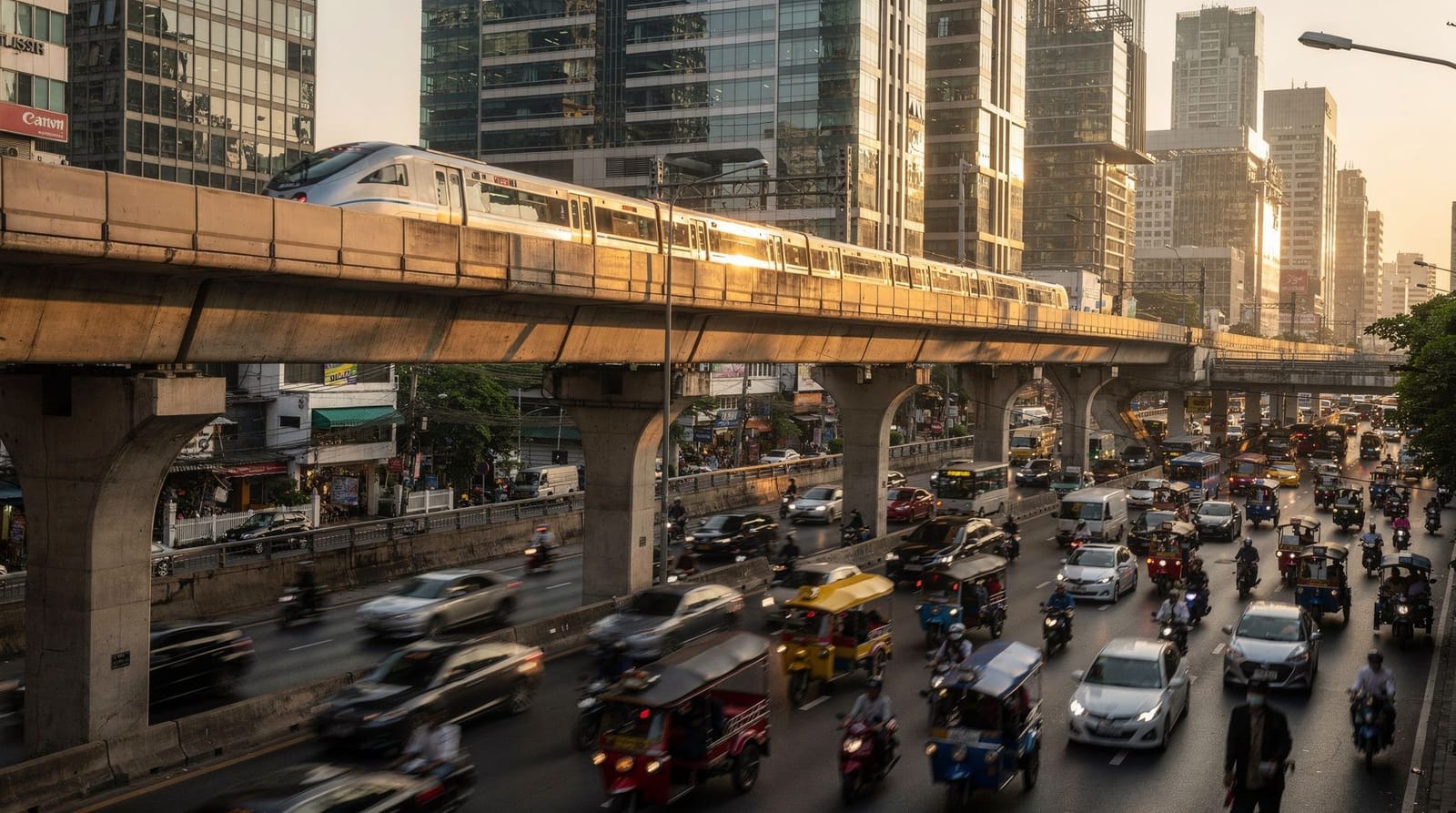
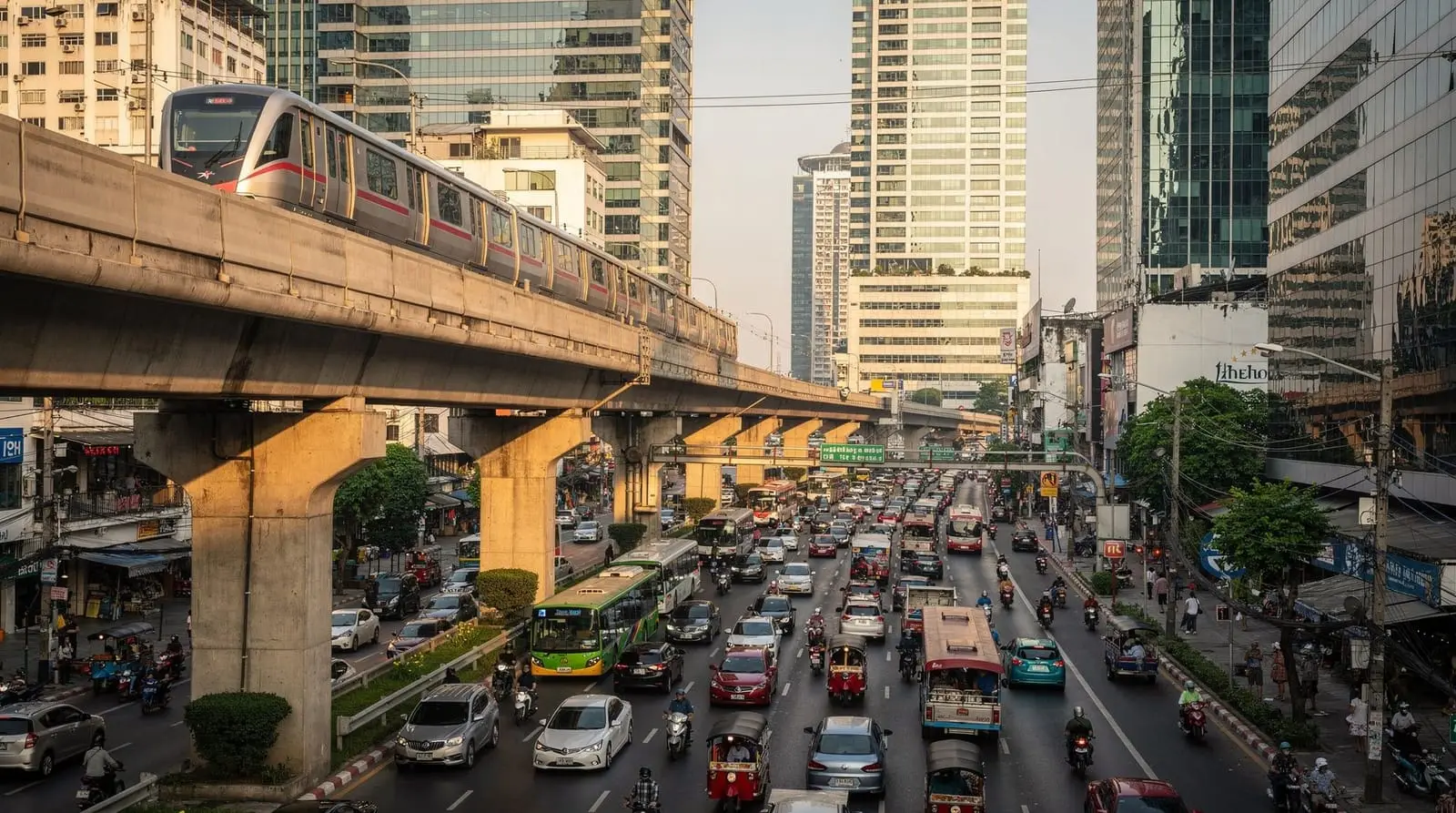
I have made most of the avoidable errors, so learn from them. The first is under-budgeting the return — Bangkok traffic and immigration queues are wildly variable, and the one time you cut it fine is the time the Rail Link has a delay or the security line is twenty minutes deep. Always pad generously. The second is landing at Don Mueang and assuming it behaves like Suvarnabhumi; it has no train, so a city run there genuinely needs eight-plus hours and a tolerance for traffic, and on a tight connection it is often not worth leaving at all. The third is trying to do too much — the Grand Palace in particular is a trap, with its ticket queues, strict dress code and sheer scale eating far more time than a layover allows; save it for a real visit. The fourth is forgetting that on separate tickets you must collect and re-check bags, which can add an hour of faff. And the fifth, smallest but real, is not having a little Thai cash and a TDAC sorted before you land, both of which cost you precious minutes at the worst moment. Get those five right and a Bangkok layover becomes a gift rather than a gamble.
What I always pack in my carry-on for a layover run
A few small things make the difference between a smooth layover run and a stressful one. I keep a change of shirt in my carry-on — Bangkok heat and humidity mean you will sweat through whatever you’re wearing within twenty minutes of leaving air conditioning, and re-boarding a long-haul flight feeling grimy is miserable. I also make sure my phone has a working SIM or eSIM before I land, not after, so I can call a Grab or check the Rail Link timetable the second I clear immigration rather than hunting for airport wifi; the Bangkok SIM and eSIM guide covers the fastest options. Cash matters too — have a little Thai baht on hand for the Rail Link ticket machine and street food, since not everything takes cards. None of this is complicated, but forgetting it costs you the precious minutes a layover doesn’t have to spare.
Doing it with kids or a group
Everything above assumes a solo or two-person dash, and honestly, that’s the layover profile this hack suits best. With kids or a larger group, the calculus changes: immigration takes longer with more passports to process, everyone moves slower in the heat, and the margin for something going wrong multiplies with each extra person. If you’re travelling with children on a layover, I’d add at least two hours to every time estimate above, and lean toward the guided-tour option below rather than the DIY train-and-walk version — a driver who knows the clock removes a lot of the risk. The Bangkok with kids guide has more on pacing a day with children in the heat, most of which applies directly to a layover.
My go-to layover meal
If I only get one Bangkok meal on a layover, it’s a bowl of noodles or a plate of pad thai from a proper stall, not a hotel restaurant or anything airside. It’s the fastest way to feel like you’ve actually been to Thailand rather than just its airport. I stick to busy stalls with high turnover, which is the simplest rule of thumb covered in the street food safety guide, and if there’s time for a second stop, mango sticky rice from a market vendor is the dessert version of the same instinct — five minutes, unmistakably Thai, and worth rearranging a tight schedule for. Check the best pad thai in Bangkok guide if you want a specific stall to aim for rather than wandering and hoping.
The smart, stress-free option
If the idea of navigating immigration, trains and traffic on a tight clock makes you anxious — and it reasonably might — a pre-booked layover tour removes all the risk by handling transport, timing and the return to the airport for you, with a driver watching the clock so you do not have to. A must-visit highlights tour with a guide can be tailored to a layover window and gets you to the headline sights and back without you ever touching a map. The getting around guide covers the independent alternatives if you would rather DIY it.
If you stay at the airport
There is no shame in staying airside, especially on a short or overnight layover. Both airports have lounges, decent food, and Suvarnabhumi has a transit hotel within the terminal for paid rest by the hour if you need to sleep between flights — book ahead. The food courts serve genuinely good, cheap Thai food even airside, so you can at least eat well without leaving. Sometimes the smartest layover hack is simply a hot meal, a shower in a lounge, and a few hours of rest before the next leg.
The verdict
A Bangkok layover is an opportunity, not just a wait — but only if you respect the clock. Six hours minimum, eight is better, sort your TDAC and visa, use the Airport Rail Link if you are at Suvarnabhumi, pick one or two focused things rather than a frantic checklist, and always over-budget your return time. Get it right and you turn dead airport hours into a genuine taste of Bangkok — a temple, a massage, a perfect bowl of noodles — that might just convince you to come back and do it properly.
Frequently asked questions about a Bangkok layover
How long a layover do I need to leave Bangkok airport?
At least six hours, ideally eight or more, to allow for immigration, the journey into the city, and a generous buffer for unpredictable traffic on the return. Under six hours, stay airside.
How do I get from Suvarnabhumi airport into the city?
The Airport Rail Link runs into central Bangkok in about 30 minutes for roughly 45 baht, bypassing the road traffic. It is the fastest and most reliable option, and the best layover hack at Suvarnabhumi.
Can I leave the airport on a Bangkok layover without a visa?
Most nationalities can enter Thailand visa-free for short stays, but you must clear immigration and complete the digital TDAC arrival registration in advance. Check your own country’s rules before counting on it.
Is a Don Mueang layover worth leaving the airport for?
Less so than Suvarnabhumi. Don Mueang has no direct train into the city, relying on buses, taxis and Grab through heavy traffic, so you really need eight or more hours to make a city run worthwhile. On tighter connections, it is often better to stay airside.
What can I realistically see on a Bangkok layover?
One or two focused things, not a full sightseeing day. A Thai massage and a great meal fit a six-hour Suvarnabhumi window; with eight-plus hours add a single temple like Wat Pho or a riverside stroll. Skip the Grand Palace — its queues and dress code eat too much time.
Can I store luggage during a Bangkok layover?
Yes. Both airports have left-luggage counters charging by the piece per day, so if your bags are not checked through you can stash them and travel light into the city. Confirm the desk hours against your flight times before relying on it.
For the deeper logistics, see the Bangkok layover itinerary, the Suvarnabhumi to city and Don Mueang to city transfer guides, the Thailand visa and TDAC guide, and the BTS skytrain guide and thai massage guide for the in-city part.