Wat Traimit and the solid gold Buddha of Chinatown
Bangkok: Chinatown and Wat Traimit Self-Guided Walking Tour
What is the Golden Buddha at Wat Traimit?
Wat Traimit, on the edge of Bangkok's Chinatown, houses the world's largest solid-gold Buddha — 5.5 tonnes of gold, three metres tall. For most of its life it was hidden under plaster and only revealed in 1955 when the stucco cracked during a move. Entry to the temple is 40 THB, or 100 THB with the heritage museum, and it opens 8:00-17:00. Its Yaowarat location makes it an easy pair with a Chinatown street-food walk.
Wat Traimit holds the most quietly astonishing object in Bangkok: a three-metre Buddha cast from 5.5 tonnes of solid gold, hidden for centuries under plaster and only revealed by accident in 1955. It is the largest solid-gold Buddha in the world, it costs 40-100 THB to see, and it sits at the gateway to Chinatown — making it the perfect curtain-raiser or full-stop to a Yaowarat street-food crawl. This guide covers the statue, its incredible backstory, the heritage museum, and how to combine it with Chinatown.
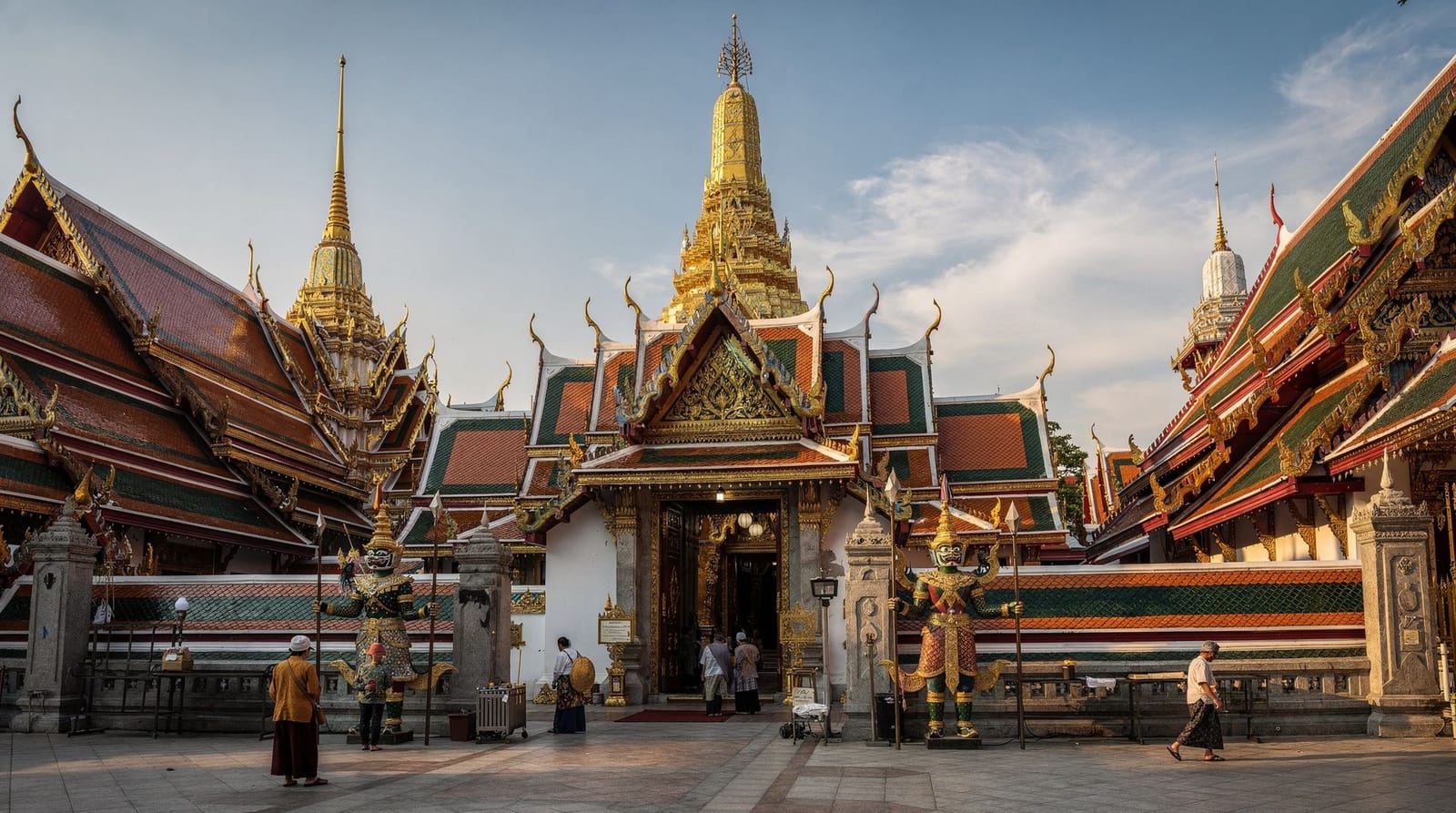
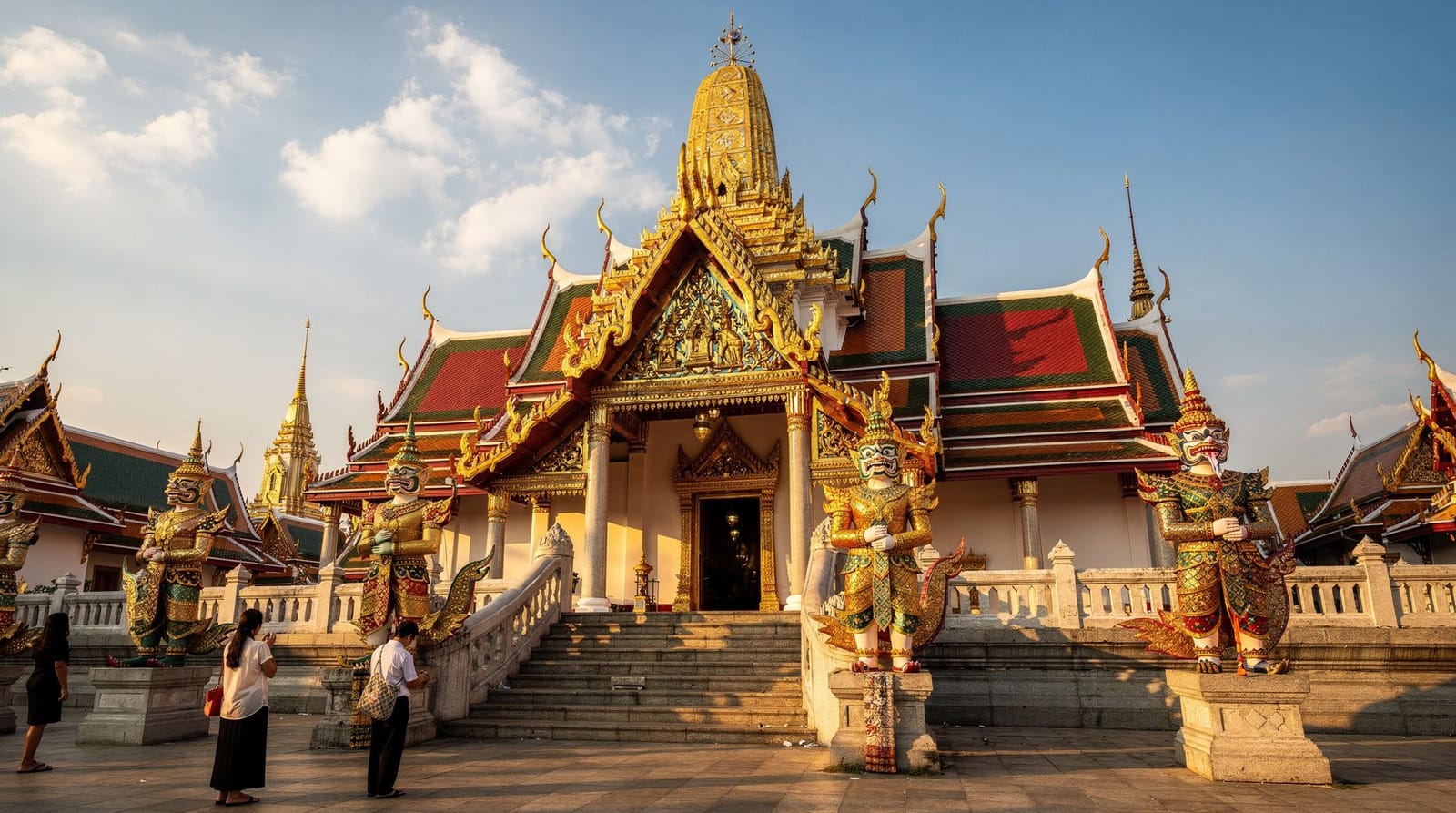
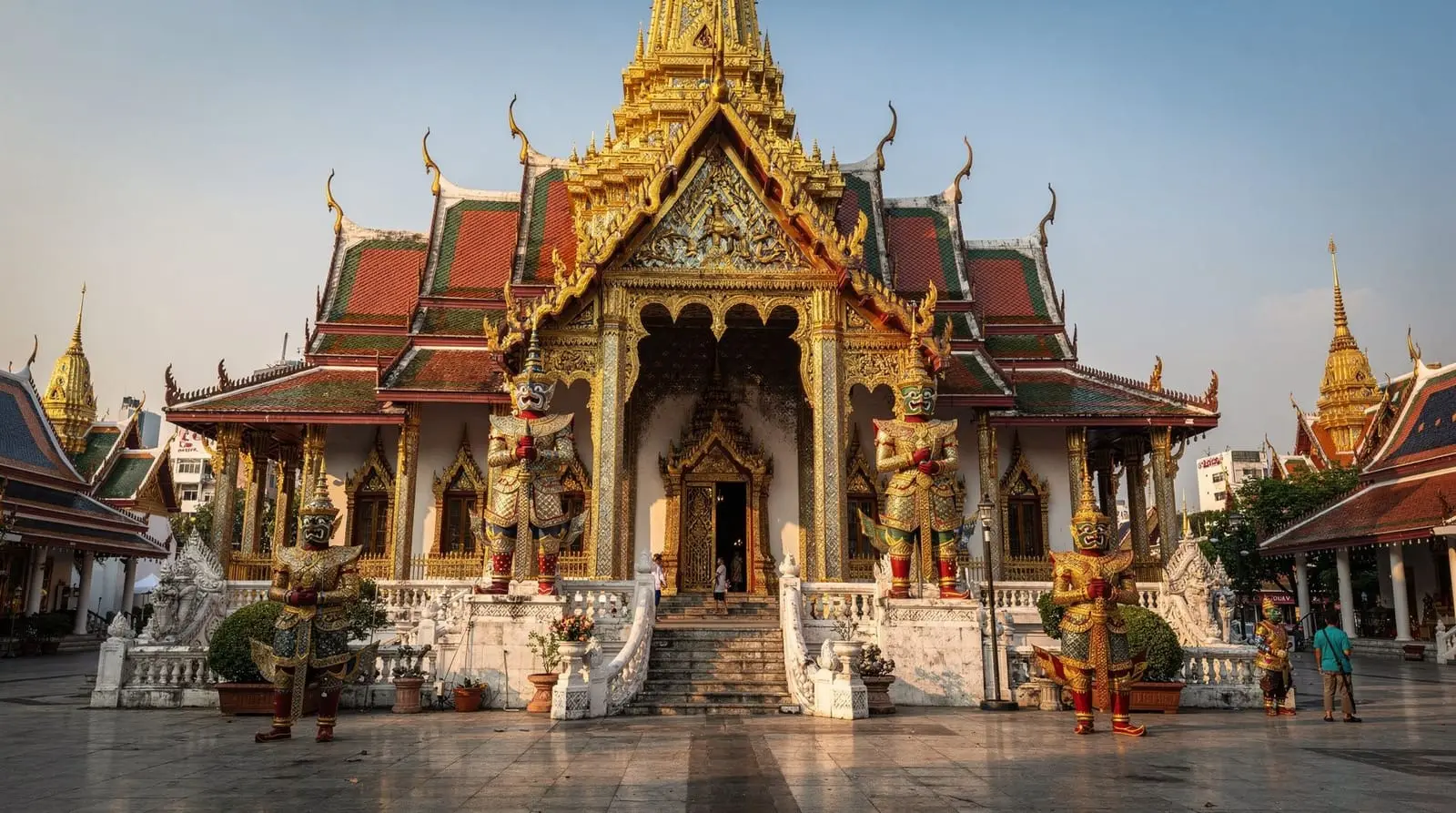
The temple sits at the western edge of Yaowarat, Bangkok’s Chinatown, in a modern white-and-gold marble building (a 2009 replacement for the older hall) topped with the Golden Buddha chamber. Despite the contemporary architecture, the statue itself is centuries old, dating to the Sukhothai era.
Wat Traimit at a glance
| Tickets | 40 THB (Golden Buddha only) or 100 THB (with heritage museum); Thais free |
| Hours | Daily, 8:00-17:00 |
| Getting there | Hua Lamphong MRT (Blue Line), short walk |
| Time needed | 30-45 minutes, up to 1.5 hours with the museum |
| Best for | A quick, remarkable stop bolted onto a Chinatown food crawl |
The Golden Buddha — and its lost-and-found story
The Phra Phuttha Maha Suwan Patimakon is cast from roughly 5.5 tonnes of solid gold, around 60% pure in the body and richer in places, and stands three metres tall in the graceful, flame-haloed Sukhothai style. The gold is not plating — the entire figure is gold, valued in the hundreds of millions of dollars at metal prices alone.
Its history reads like a thriller. At some point — most likely as the Burmese threatened Ayutthaya — the statue was encased in plaster and coloured glass to disguise its value from looters. The disguise was so effective that its golden core was forgotten entirely. For decades it sat as an unremarkable stucco Buddha. In 1955, while being moved to Wat Traimit, the ropes slipped, the statue fell, and the plaster cracked to reveal solid gold beneath. The story of the rediscovery, with photographs of the cracked plaster, is told in the museum.
The heritage museum and exhibition
Inside the same building, two upper floors house exhibitions. One tells the story of the Golden Buddha itself — the disguise, the fall, the rediscovery. The other is the Yaowarat Chinatown Heritage Centre, a well-presented museum on the history of Bangkok’s Chinese community: their migration from southern China, the founding of Yaowarat, the gold trade, and daily life in old Chinatown.
The 100 THB combined ticket includes both, and it is genuinely worth the extra over the 40 THB temple-only ticket — it gives you the context to read Chinatown’s streets when you step back outside. See the Chinatown Bangkok guide for the wider district.
Tickets, hours and getting there
Entry: 40 THB (Golden Buddha only) or 100 THB (with museum) · Thais free for the temple Hours: 8:00-17:00 daily Nearest transit: Hua Lamphong MRT (Blue Line), a short walk
Wat Traimit marks the western gateway to Chinatown near Hua Lamphong station. Buy tickets at the building entrance with cash. See the Chinatown Yaowarat destination guide for orientation.
Combining Wat Traimit with Chinatown and other temples
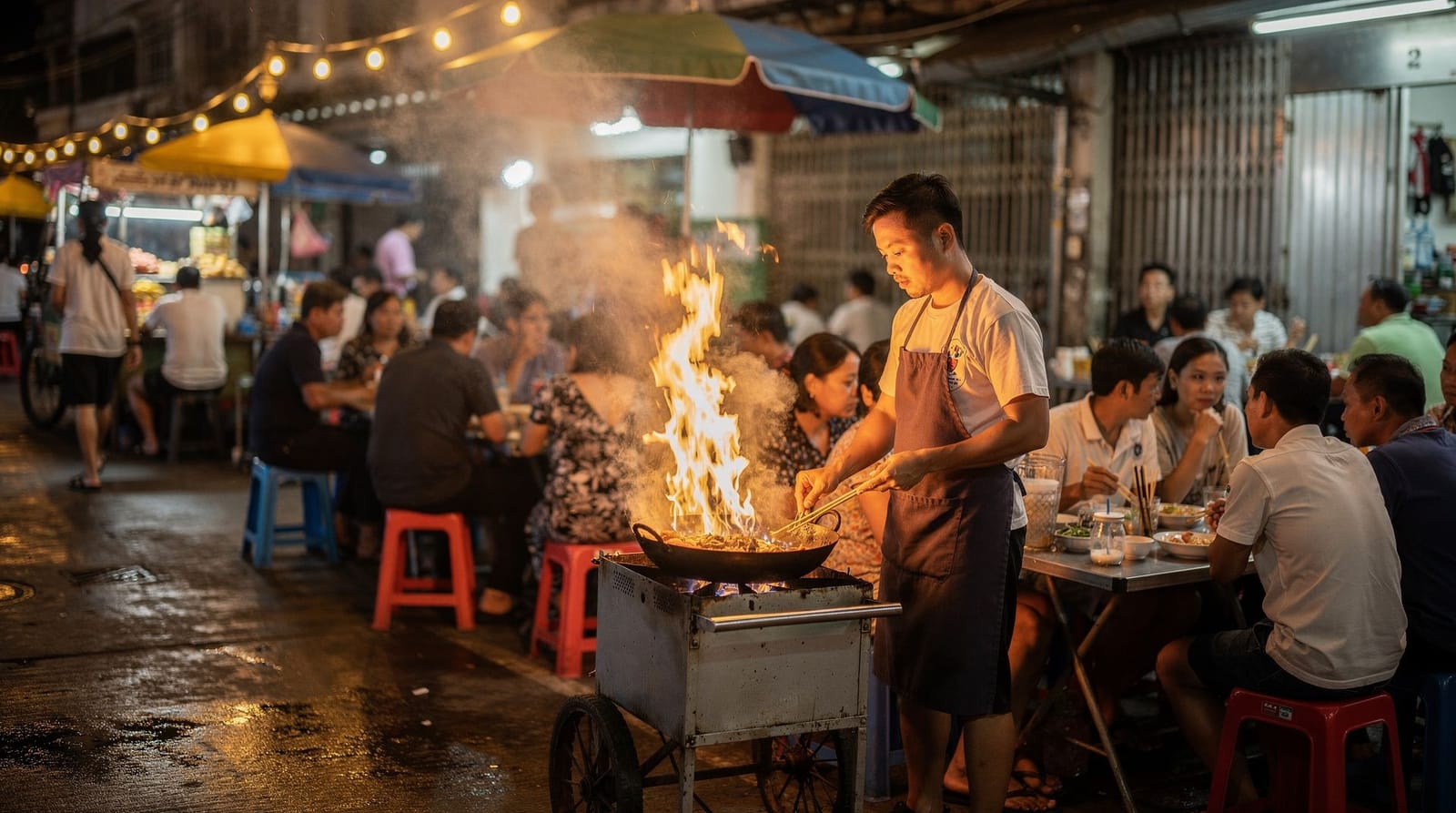
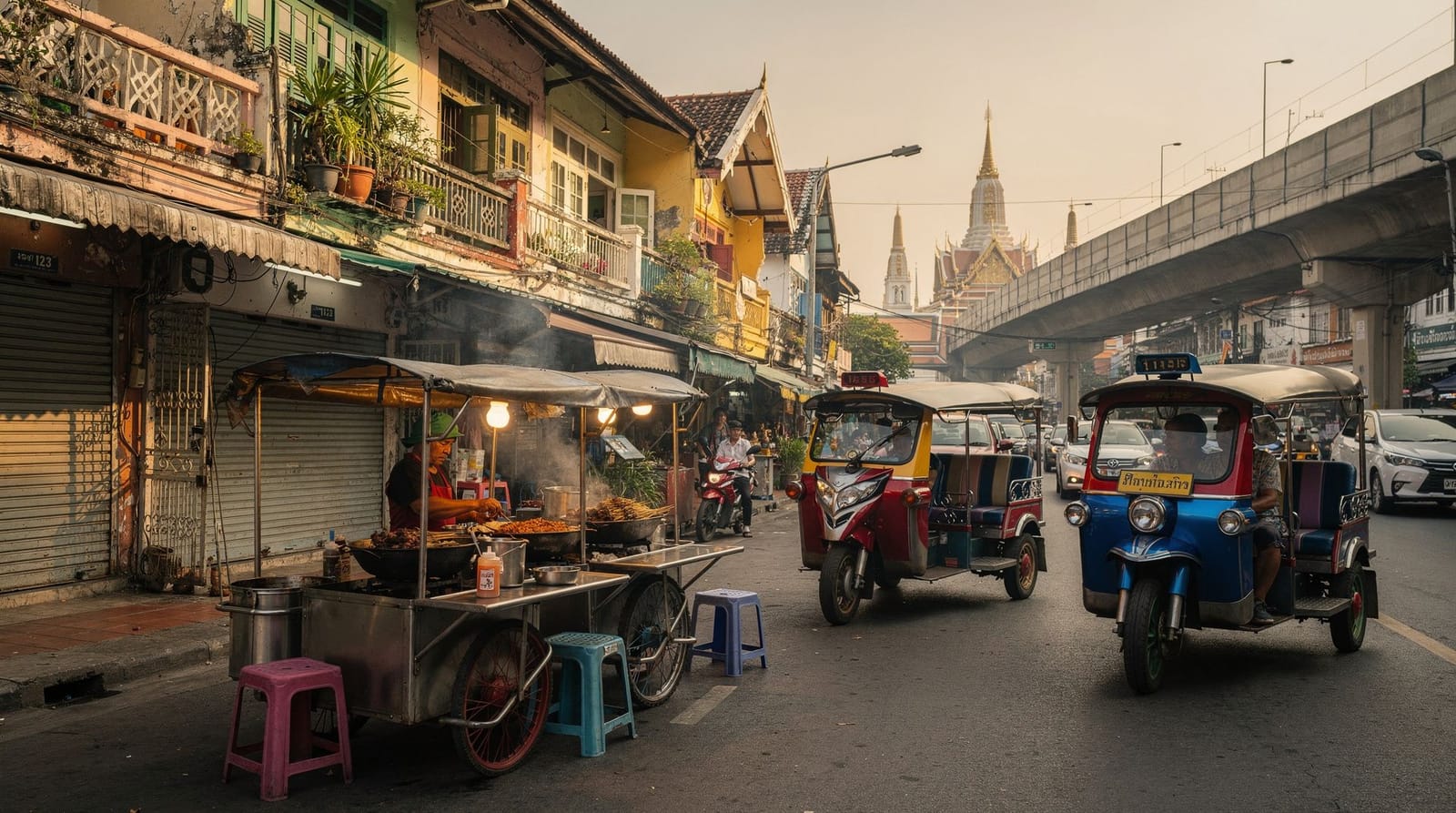
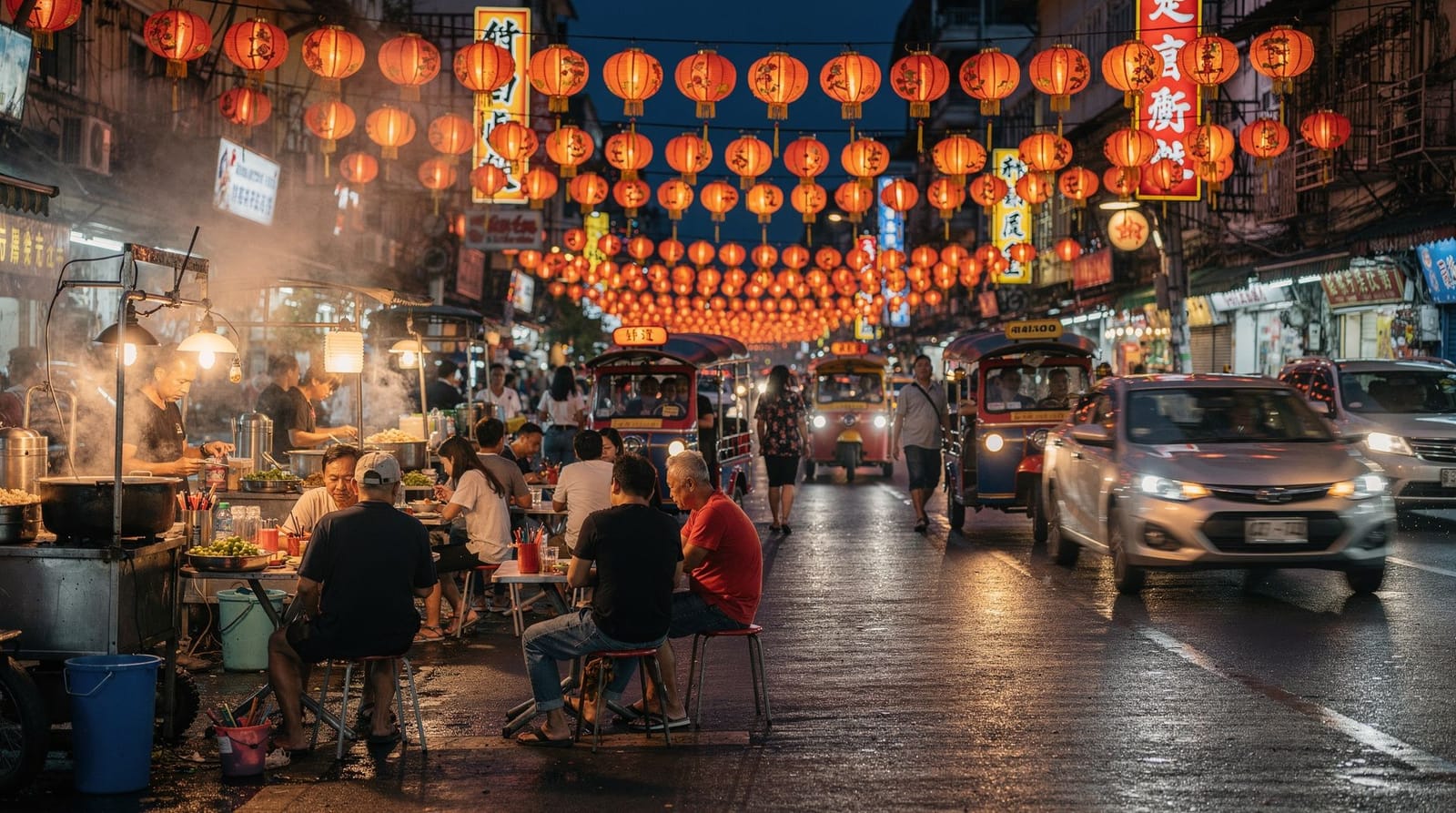
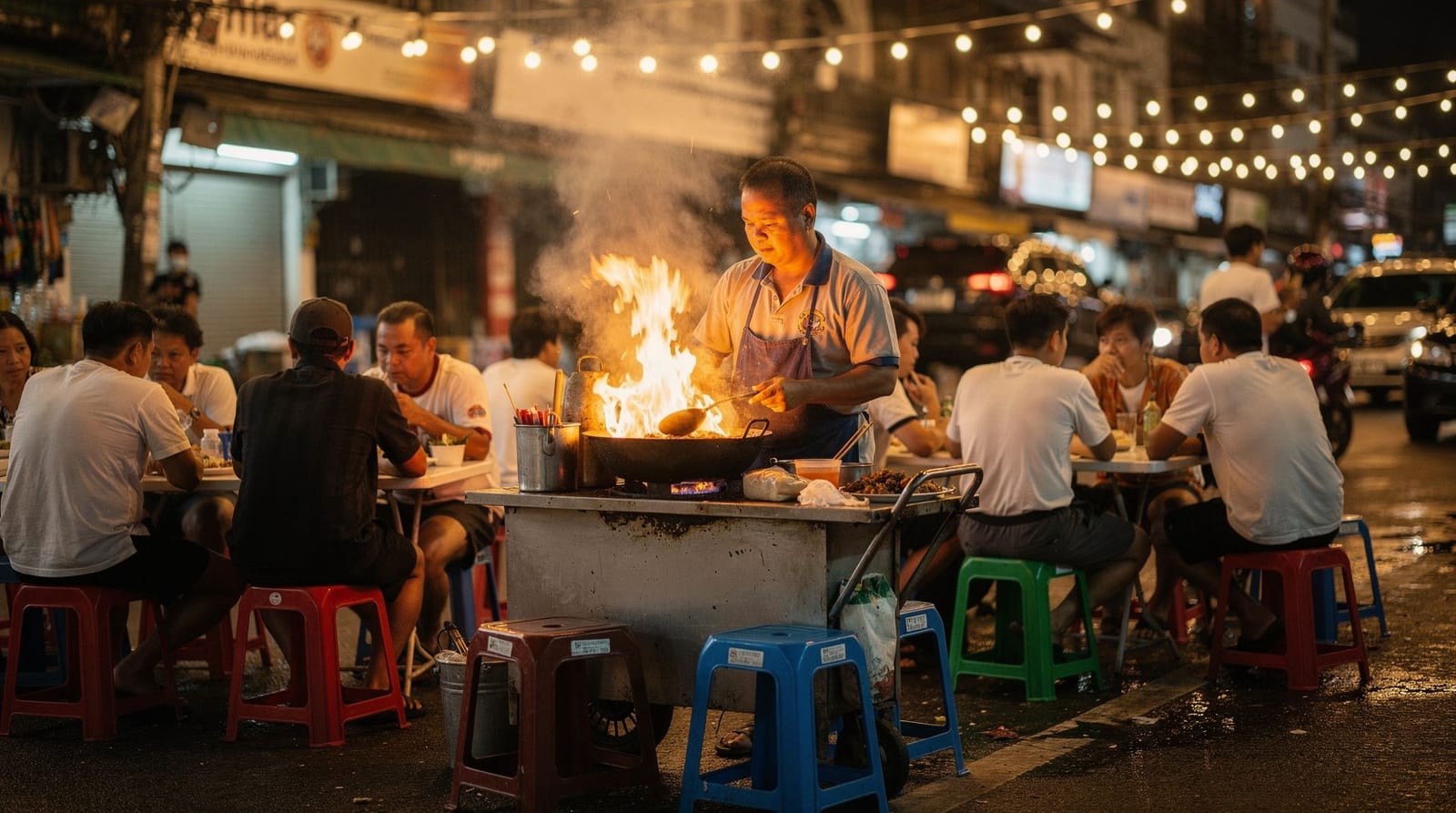
The smartest plan pairs Wat Traimit with a Yaowarat street-food walk — the temple is a 10-minute stroll from the heart of the food district, and the natural order is temple by day, food crawl as the stalls fire up in the evening. The Yaowarat Chinatown food guide and Bangkok street food guide cover what to eat.
For temple-focused days, Wat Traimit combines with the old-city temples a short ride away. A guided Chinatown and Wat Traimit walking tour ties the temple to the district on foot, and a Wat Traimit, Wat Pho and Benchamabophit tour links it with the Reclining Buddha and the Marble Temple. The temple-hopping route guide and best temples in Bangkok guide put it in the wider context.
How it compares to Bangkok’s other famous Buddhas
Bangkok has three headline Buddha statues, and each earns its fame differently:
| Statue | What makes it famous | Time needed | Entry |
|---|---|---|---|
| Wat Traimit Golden Buddha | Largest solid-gold Buddha in the world (5.5 tonnes) | 30-45 min | 40-100 THB |
| Emerald Buddha (Wat Phra Kaew) | Carved from a single jade block; Thailand’s most sacred image | 1.5-2 hrs (with Grand Palace) | 500 THB |
| Reclining Buddha (Wat Pho) | Largest reclining figure, 46 metres long, gold-leafed | 45-60 min | 300 THB |
Wat Traimit is the shortest and cheapest of the three, which is exactly why it works so well as an add-on to a Chinatown evening rather than a half-day temple outing on its own. See the Grand Palace guide and the Wat Pho guide for the other two, and the Grand Palace versus Wat Pho comparison if you are choosing between a full temple day and a lighter one.
Dress code and how long to spend
Cover shoulders and knees; remove shoes before entering the Golden Buddha hall. Wat Traimit is relaxed but modest dress is expected. Allow 30-45 minutes for the statue, or up to 1.5 hours with the museum. Because it is a compact, multi-storey building rather than a sprawling compound, it slots easily into a Chinatown or temple day. The temple etiquette and dress code guide has the general rules.
Frequently asked questions about Wat Traimit and the solid gold Buddha of Chinatown
How much does Wat Traimit cost?
Is the Wat Traimit Buddha really solid gold?
Why was the Golden Buddha hidden under plaster?
What is the heritage museum at Wat Traimit?
How do you get to Wat Traimit?
How long do you need at Wat Traimit?
What is the dress code at Wat Traimit?
Is Wat Traimit worth visiting?
How does the Golden Buddha compare to Bangkok's other famous Buddha statues?
Top experiences
Bookable activities with verified prices and instant confirmation on GetYourGuide.