Muay Thai class for beginners in Bangkok: what to expect
Bangkok: 60-90 Minute Muay Thai Boxing Class for Beginners
Can a complete beginner do Muay Thai in Bangkok?
Yes. Many Bangkok gyms run drop-in beginner classes of 60 to 120 minutes that assume no experience, covering stance, basic punches, kicks, knees and elbows, and finishing with pad work. Gloves and wraps are usually lent or rented for a small fee. Expect to pay roughly 500 to 1,500 THB per session and to leave drenched in sweat but hooked.
Taking a Muay Thai class is one of the most rewarding things a first-time visitor can do in Bangkok, and it is far more accessible than the intensity of a stadium fight night suggests. Drop-in beginner classes assume zero experience, run 60 to 120 minutes, and cover the fundamentals, stance, the basic strikes, and pad work, with gloves and wraps usually lent or rented. You will sweat through your shirt and probably wake up sore, but you will also understand the sport in a way no amount of watching can teach. This guide explains exactly what to expect, what to bring, what it costs, and how to choose a gym.
The honest pitch: even if you never throw another kick after this, a single class is a brilliant hour or two, and it makes a subsequent stadium night infinitely more rewarding to watch.
| Where | Gyms citywide; a good concentration around Sukhumvit |
| Cost | 500–1,500 THB per drop-in session |
| Time needed | 60–120 minutes |
| What’s included | Trainer-led session, gloves and wraps (lent or rented) |
| Booking | Advance booking recommended for popular gyms |
What a beginner class is actually like
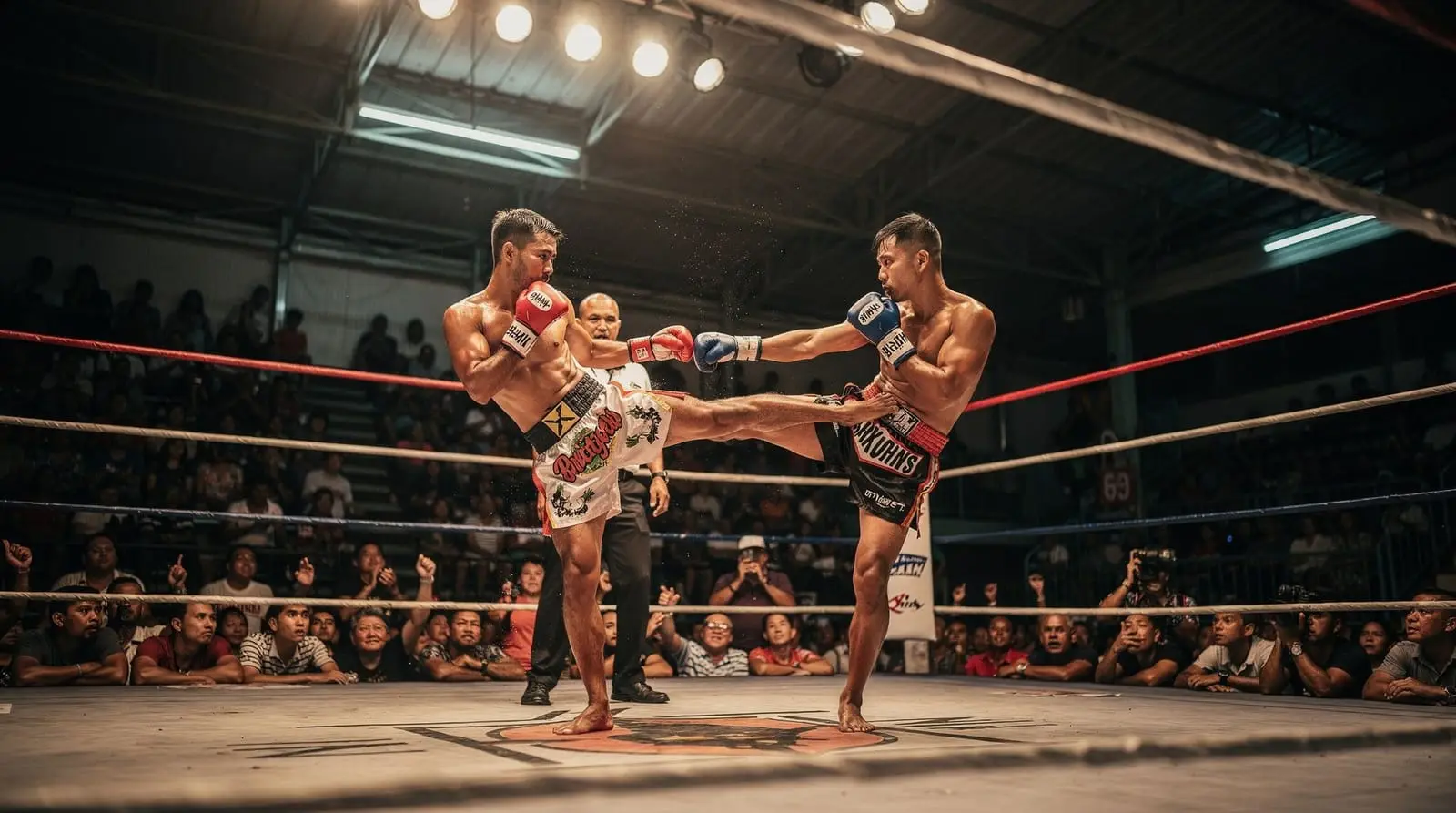
A typical drop-in session follows a clear arc. It opens with a warm-up, skipping, light shadow boxing, mobility, to loosen you up in the Bangkok heat. Then the trainer walks you through the basics: the Muay Thai stance and guard, the jab and cross, the signature roundhouse kick, knees and elbows. You drill each movement slowly before putting it together.
The heart of the class is pad work. A trainer straps on focus mitts and Thai pads and calls combinations for you to throw, holding the pads to absorb your strikes and giving instant feedback on your form. This is the fun part, hitting hard against a moving target, with a coach reading your level and pushing you just enough. It is safe because you are striking pads, not a person; sparring is optional and reserved for those who progress.
Expect a real workout. Your shins, hips and shoulders will feel it, and the heat amplifies everything, so hydrate and rest when you need to. The trainers pace beginner classes for newcomers and tourists, so do not worry about being unfit or uncoordinated; they have seen it all.
A beginner Muay Thai class booked in advance is the simplest way to secure a spot and a trainer, with gear sorted on arrival.
What separates muay thai from kickboxing is the clinch and the use of elbows and knees, and neither can be picked up by watching: a muay thai introduction class for beginners spends its time on those rather than on the punches you already know.
What it costs
Pricing is reasonable by Western standards. A single drop-in beginner session typically runs 500 to 1,500 THB, roughly 15 to 45 USD, depending on the gym, the class size, and whether it is a group session or one-on-one. Hand wraps and gloves are often included or rented for around 100 to 200 THB if you do not have your own.
If you plan to train more than once, multi-session passes and weekly packages bring the per-class cost down significantly, and dedicated camps offer daily or residential programmes for serious students. For a single tourist class, the standalone drop-in price is what to budget. This fits comfortably within most travellers’ plans, see the Bangkok travel costs and Bangkok on a budget guides for context on where it sits in a day’s spending.
What to wear and bring
Keep it simple. Wear light, breathable workout clothes, shorts and a t-shirt are perfect, plus athletic socks. Bangkok gyms are hot and humid and you will sweat heavily, so bring a spare shirt for afterwards and plenty of water. A small towel helps.
Most gyms provide or rent the technical kit, gloves, hand wraps and shin guards, so you do not need to buy your own for a first class. If you are unsure, message the gym ahead and ask what is included. Tell the trainer about any injuries or limitations before you start so they can adapt the session. That is genuinely all the preparation a beginner needs.
How to choose a gym and where they are
Bangkok has gyms across the city, from polished, English-speaking studios aimed at tourists and expats to hardcore traditional camps where local fighters train. For a single beginner class, you want somewhere accessible, welcoming to first-timers, and used to teaching foreigners.
A good concentration of beginner-friendly gyms sits in and around Sukhumvit, the Sukhumvit, Nana and Asok corridor, which is convenient for most visitors and easy to reach by BTS, see the BTS Skytrain guide for the lines. There are also options near the river, in Thonglor and Ekkamai, and in the suburbs, plus dedicated training camps further out for those who want immersion. For a tourist class, a central, BTS-accessible gym usually makes the most sense.
If you want a more serious, fighter-focused session, a professional-gym training experience puts you in a working camp environment with experienced trainers, a step up in intensity from a casual drop-in.
Combining training with a real fight
The ideal Muay Thai itinerary pairs doing with watching. Take a beginner class early in your trip to feel the technique in your own body, then go to a professional card at a historic stadium, Rajadamnern in the Old City or Lumpinee in the north, to see it executed at the highest level. Having thrown the strikes yourself, you will read the fights completely differently, recognising the setups, the clinch work, and the timing that a first-time spectator misses.
The full picture on watching, including which stadium to choose and how to avoid the touts, is in the muay-thai pillar guide, the Rajadamnern vs Lumpinee comparison, and how to watch Muay Thai in Bangkok. For securing your fight-night seat, the Muay Thai ticket guide covers the tiers and pricing.
Group vs private class: which to choose
| Group class | Private session | |
|---|---|---|
| Price | Lower, often 500–900 THB | Higher, often 1,000–1,500 THB+ |
| Pace | Set by the group | Fully tailored to your fitness |
| Attention | Shared with other beginners | One-on-one coaching throughout |
| Best for | Solo travellers, couples, a fun social hour | Anyone with an injury, low fitness, or a specific goal |
Most first-timers do perfectly well in a group class — the energy of training alongside other beginners is part of the fun. Choose private only if you have a specific concern you want a trainer’s full attention on, or if you simply prefer not sharing pad time with strangers.
Fitness level, injuries and what if you’re unsure
You do not need to be fit to take a beginner class — trainers scale the intensity to whoever is in front of them, and a slower pace with more rest is always an option, not a failure. If you have a current injury, a chronic joint issue, or a condition that affects balance or impact tolerance, tell the gym when you book and again when you arrive; most trainers will happily adapt the session, skipping kicks that stress a bad knee or focusing on upper-body pad work instead. Pregnant travellers and anyone recovering from surgery should check with a doctor before booking, and be upfront with the trainer regardless. The honest reassurance: gyms that run tourist drop-in classes see complete beginners of every fitness level daily, and nobody will push you past what feels sensible unless you ask them to.
Is one class enough
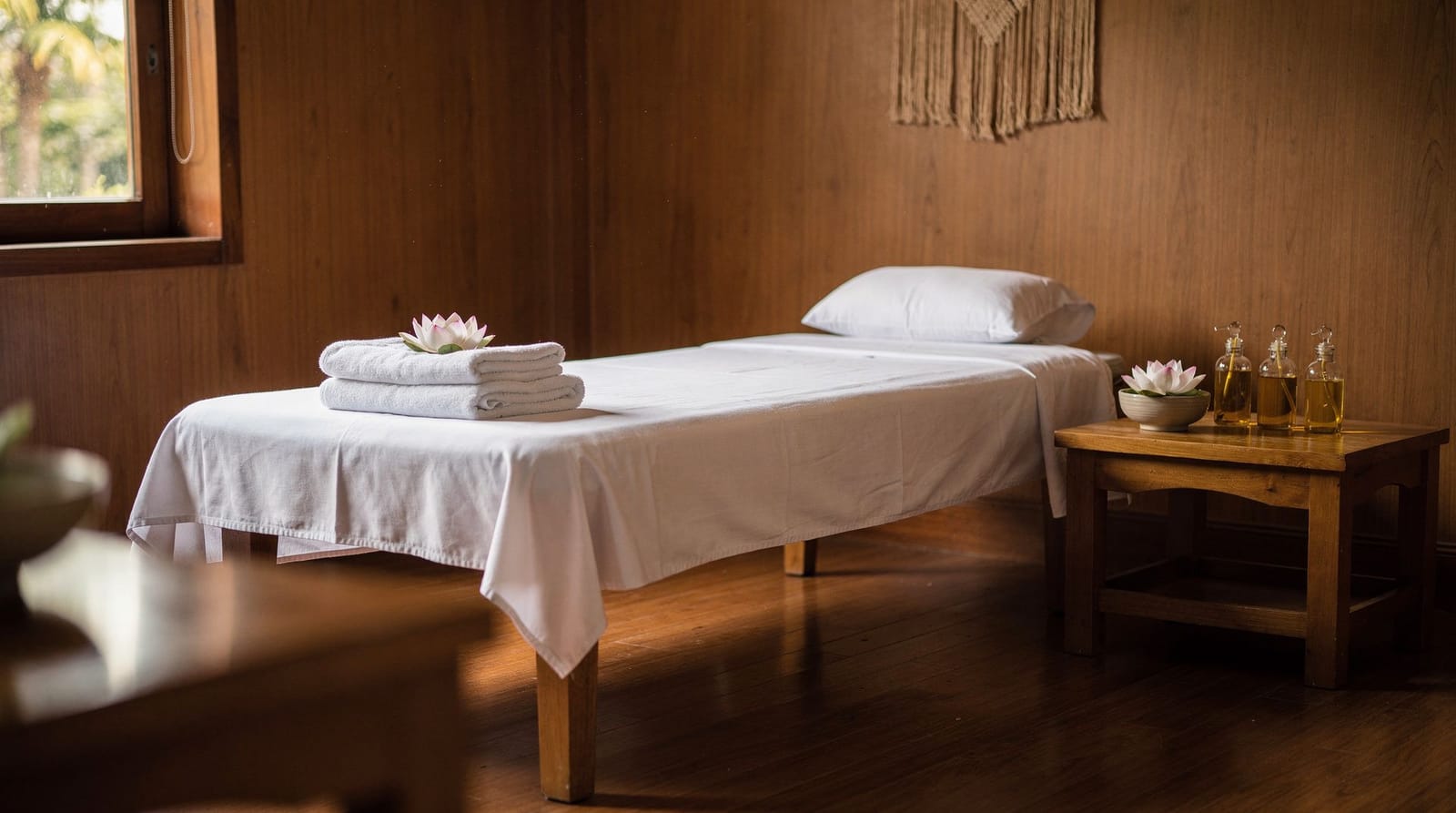
For most visitors, yes. A single drop-in session delivers the experience, the workout, and the understanding, and works perfectly as a one-off tourist activity. It also slots neatly into a wider wellness-focused Bangkok day, paired afterwards with a traditional Thai massage to soothe the inevitable soreness.
If the bug bites, and it does for many, gyms offer multi-day packages, intensive courses and residential camps where you can train daily for the rest of your trip. Plenty of travellers arrive intending to do one class and end up training every morning. Either way, start with a single beginner session; you can always add more.
A Muay Thai class is also a natural fit for solo travellers looking for a structured, sociable activity, and older kids can usually join too — check the Bangkok with kids guide for age-appropriate framing before booking a family session. Pack light athletic wear rather than anything heavy; the what to pack for Bangkok guide covers the basics for the heat. Afterwards, a traditional massage at the historic school inside Wat Pho is a fitting, very Bangkok way to work out the soreness. This single activity sits comfortably within the wider things to do in Bangkok guide as one of the city’s most rewarding hands-on experiences.
Frequently asked questions about Muay Thai class for beginners in Bangkok: what to expect
Do I need any experience to take a Muay Thai class in Bangkok?
How much does a Muay Thai class cost in Bangkok?
What should I wear to a Muay Thai class?
How long is a beginner Muay Thai session?
Will I get hurt taking a Muay Thai class?
Where are the best areas in Bangkok for Muay Thai gyms?
Can I do Muay Thai training and still see a real fight?
Is one Muay Thai class enough or should I do more?
Top experiences
Bookable activities with verified prices and instant confirmation on GetYourGuide.