Bang Pa-In Royal Palace: the summer palace guide
From Bangkok: Bang Pa-In Palace & Ayutthaya Private Trip
What is Bang Pa-In Royal Palace?
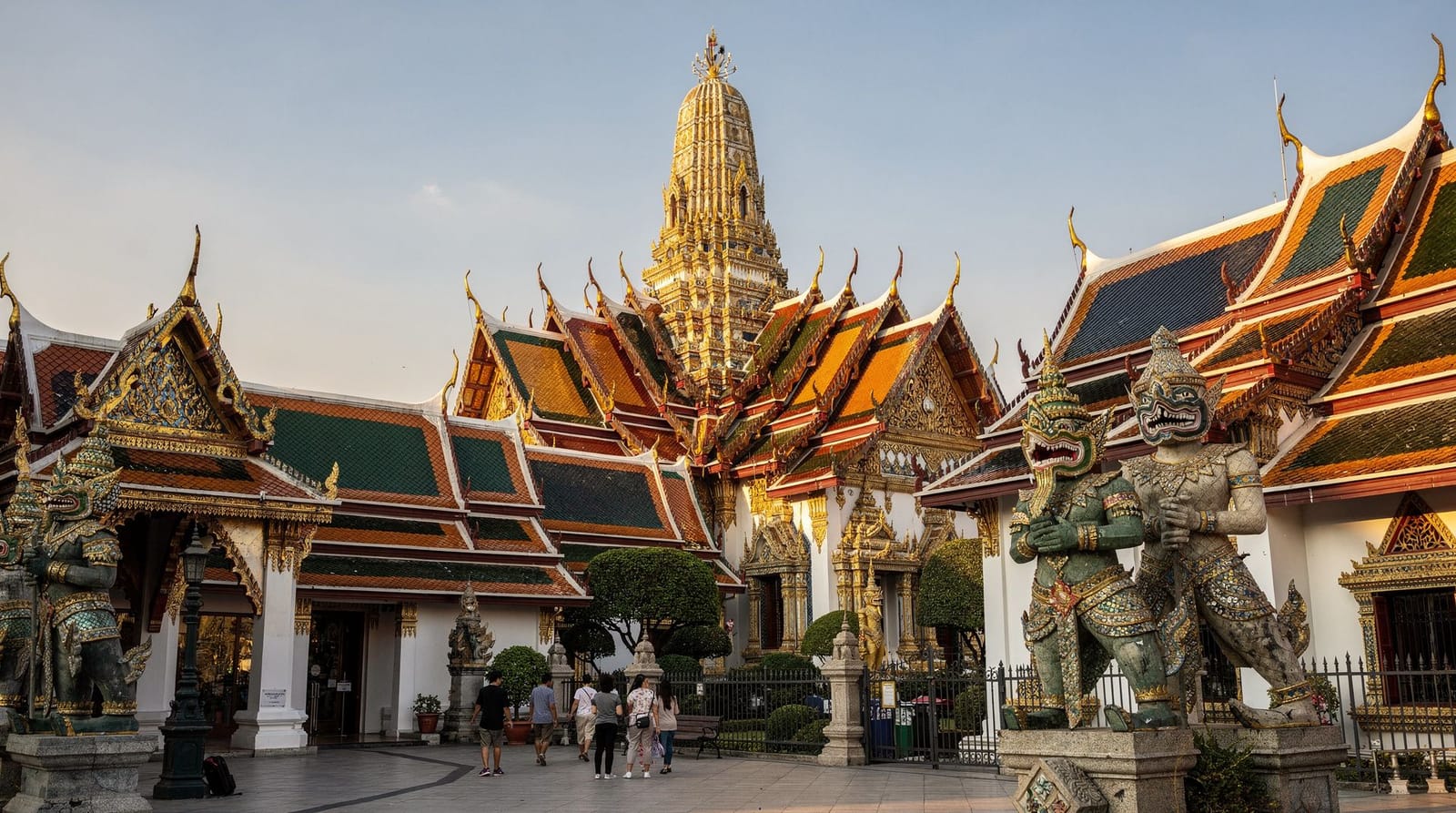
Bang Pa-In is the royal summer palace just south of Ayutthaya, about 60km north of Bangkok — a graceful ensemble of Thai, Chinese and European pavilions set around ornamental lakes and gardens. Its most famous building is the Aisawan Thiphya-Art, a delicate Thai-style pavilion sitting on the water. Used by Thai kings as a country retreat, it is often combined with the Ayutthaya ruins as a shaded, elegant contrast to the sun-baked temples.
Bang Pa-In is the elegant counterpoint to Ayutthaya’s haunting ruins — a royal summer palace just south of the old capital, about 60km north of Bangkok, where Thai kings escaped the heat of the city among ornamental lakes, topiary gardens and a fairy-tale collection of pavilions in Thai, Chinese and European styles. Its signature building, the Aisawan Thiphya-Art, is a slender Thai-style pavilion that appears to float on the water and is one of the most photographed royal structures in Thailand. Visited on its own it is a short, pretty stop; combined with the Ayutthaya ruins, as it usually is, it adds graceful, shaded variety to a day trip otherwise spent under the sun.
At a glance
| Tickets | ~100 THB foreign adult; golf-buggy rental ~400 THB per buggy |
| Hours | Daily, roughly 08:00–16:00 (grounds close earlier than a full day) |
| Getting there | Northern-line train to Bang Pa-In station, or combined with an Ayutthaya tour |
| Time needed | 1–1.5 hours |
| Best time | Early-to-mid afternoon, after a morning at the Ayutthaya ruins |
| Dress code | Shoulders and knees covered — active royal site |
A palace of many styles
What makes Bang Pa-In distinctive is its deliberate eclecticism. Rebuilt and expanded by King Rama V (Chulalongkorn) in the late nineteenth century, the palace reflects the era’s fascination with European ideas alongside Thai and Chinese tradition. The Aisawan Thiphya-Art, the Thai pavilion on the central lake, is the postcard image. The Phra Thinang Wehart Chamrun is a striking Chinese-style royal residence, a gift from Chinese merchants. The Withun Thatsana is a brightly coloured observation tower, and the Warophat Phiman hall shows clear European influence. Wandering between them, across bridges and through manicured gardens, is a study in how nineteenth-century Siam absorbed the wider world — see the Bangkok culture guide for more on this period of openness to outside influence.
How to read the palace as you walk
The easiest way to enjoy Bang Pa-In is to stop treating it as a checklist and see it as a sequence of small scenes. Each pavilion was built to be looked at from somewhere else: across a pond, from the far end of a bridge, or through a gap in the clipped hedges. Start at the central lake and let the Aisawan Thiphya-Art set the tone, then walk outward and notice how the mood changes. The Thai pavilion is light and open, the Chinese-style residence is heavier, richly furnished and more enclosed, and the European-influenced halls feel like a different country altogether.
Take your time at the water. The lakes are what hold the whole composition together, and the reflections, the shaded benches and the quiet corners are as much a part of the visit as the buildings. Visitors who rush from pavilion to pavilion often leave remembering only a handful of photos; those who pause tend to remember the atmosphere, which is the real reason the Thai court chose this place as a retreat.
Some of the buildings can only be admired from outside, and a few interiors are open only at certain times or not at all. Don’t be disappointed if a door is closed. The exteriors, the gardens and the sightlines between them are the main attraction, and a guide or a short read beforehand makes the closed doors matter far less. If the architecture of the period interests you, the Grand Palace guide and the Wat Phra Kaew and Emerald Buddha guide show the more formal, ceremonial side of Thai royal building, which makes Bang Pa-In’s relaxed, garden-like character stand out even more.
Getting there
Bang Pa-In is about 60km north of Bangkok, just south of Ayutthaya. Trains on the northern line stop at Bang Pa-In station, a short taxi or songthaew ride from the palace, and minivans also serve the area. But most visitors see it as part of an Ayutthaya tour with hotel pickup or on a private-car day trip, since the palace and the ruins pair so naturally.
Bang Pa-In Palace and Ayutthaya private day trip from BangkokSee the day-trip transport guide for train and minivan details.
Tickets, timing and getting around
Foreign adult admission is around 100 THB, with a golf-buggy rental (around 400 THB per buggy) available to tour the extensive grounds — worthwhile given the size and the heat. On a guided tour the entry fee is usually included. Allow about 1–1.5 hours, which is why Bang Pa-In is almost always combined with the nearby ruins rather than visited alone. For wider planning, see Bangkok travel costs.
Dress code
As an active royal site, Bang Pa-In enforces modest dress: shoulders and knees covered, no sleeveless tops, short shorts or revealing clothing. Sarongs are sometimes available to borrow at the entrance if you arrive underdressed. Treat it exactly as you would the Grand Palace or a temple — dress respectfully and behave quietly throughout the grounds. See the broader temple etiquette guide for context.
Behaviour inside the grounds
Beyond clothing, the same quiet courtesy applies here as at other royal sites. Keep your voice low, don’t climb on railings, statues or ornamental structures, and follow any signs or staff instructions about where photography is allowed, especially near interiors. Staff here are used to visitors from everywhere and are generally patient, but they do expect people to respect the rules. If you want to understand why, read the monarchy and respect guide before you go; it explains the cultural context in plain terms and takes only a few minutes.
Drones, loud music and posed photo shoots with elaborate props are a poor fit for a working royal property. If you want a styled portrait session in Bangkok, the photoshoot guide covers better-suited places. For general good manners across the country, the Thai customs and etiquette guide is a useful companion.
Combine with Ayutthaya
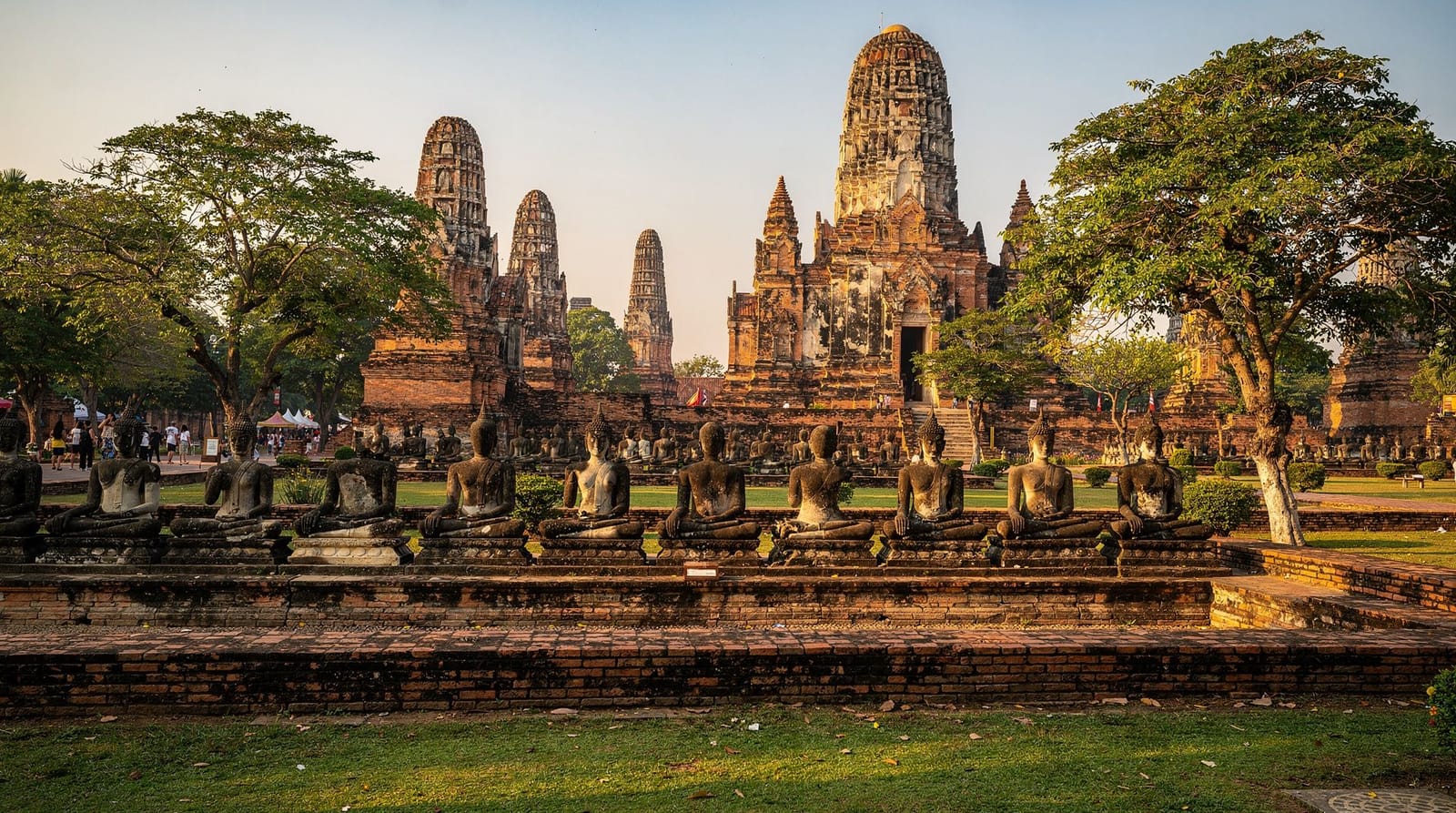
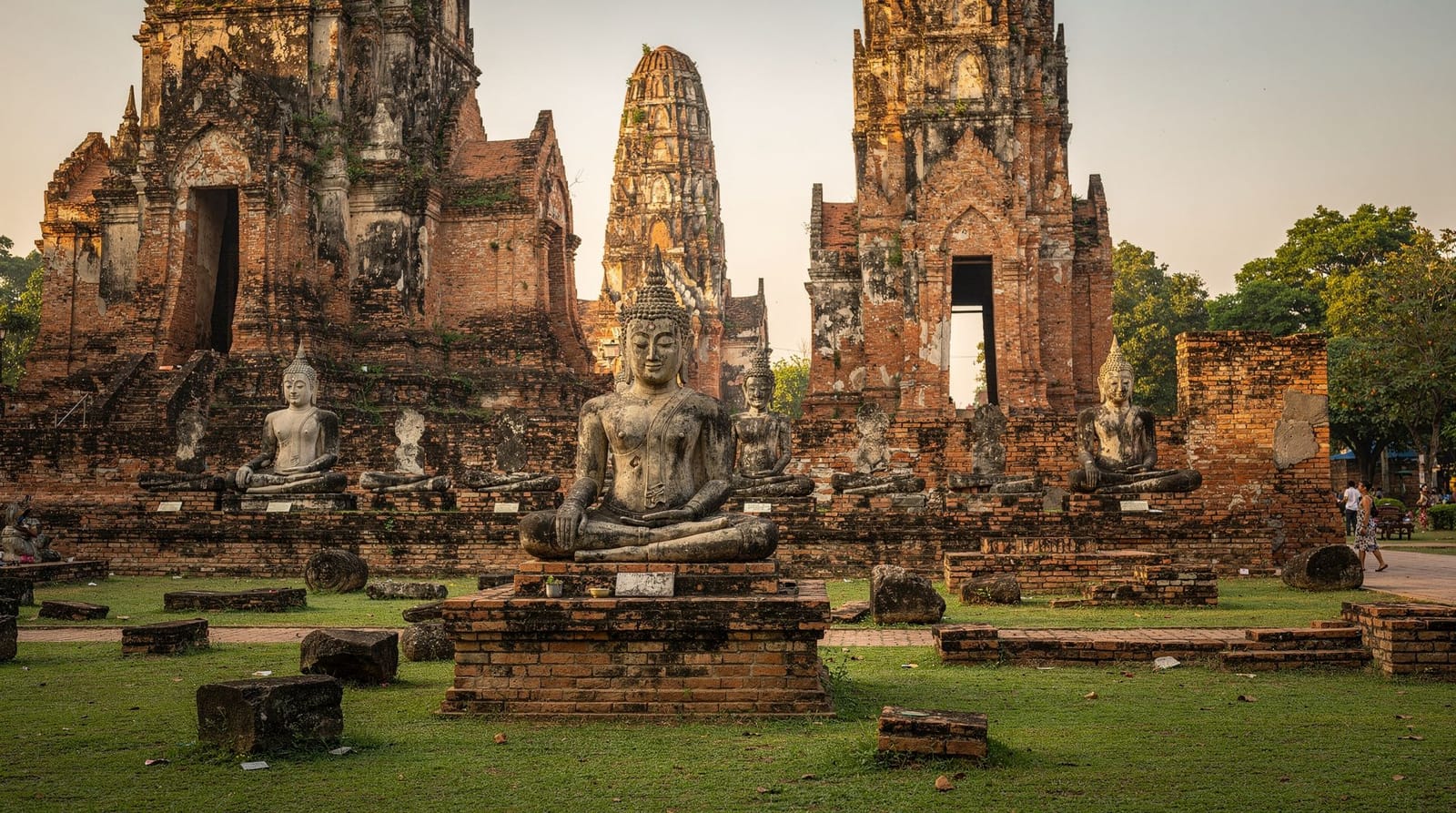
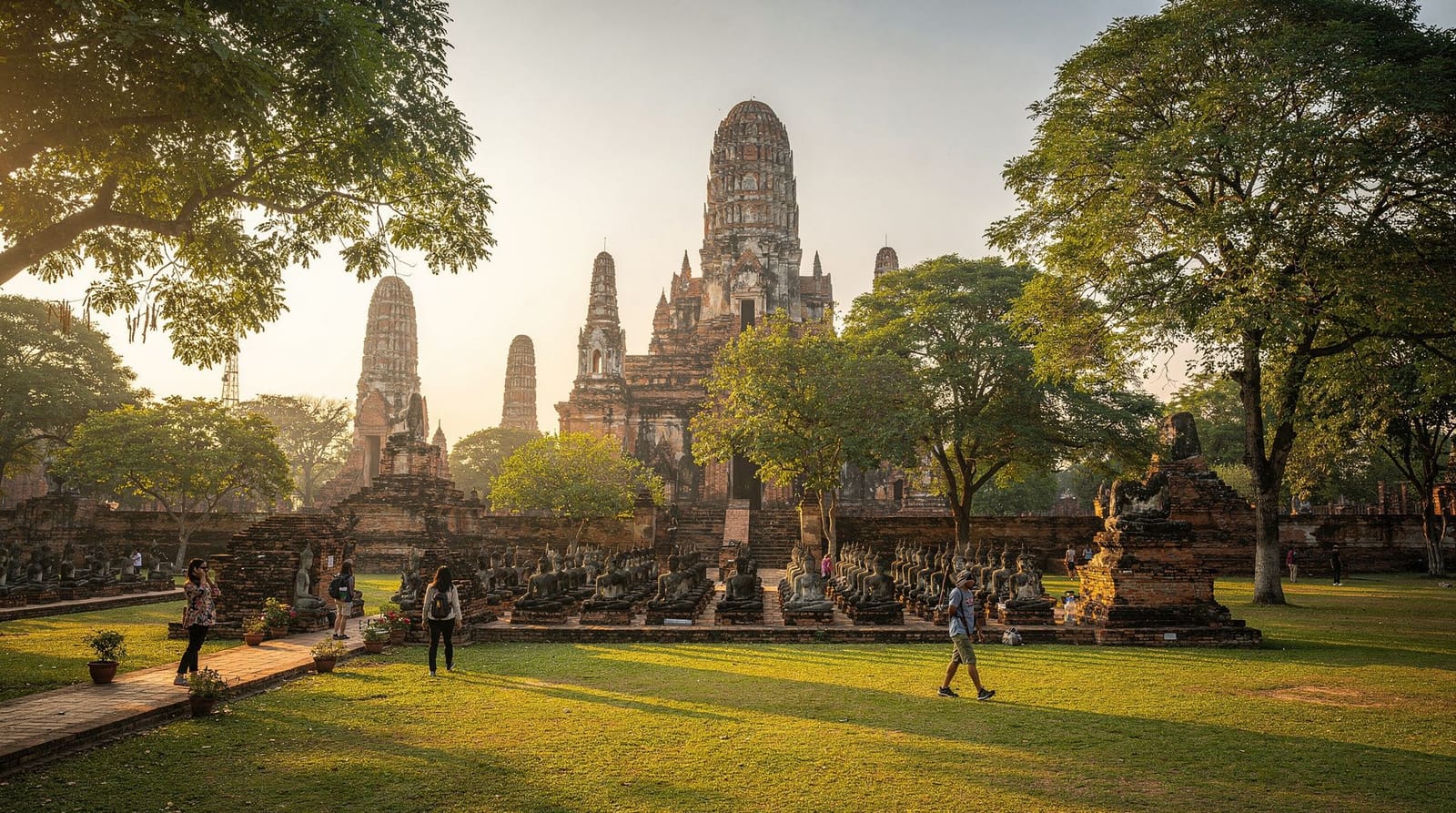
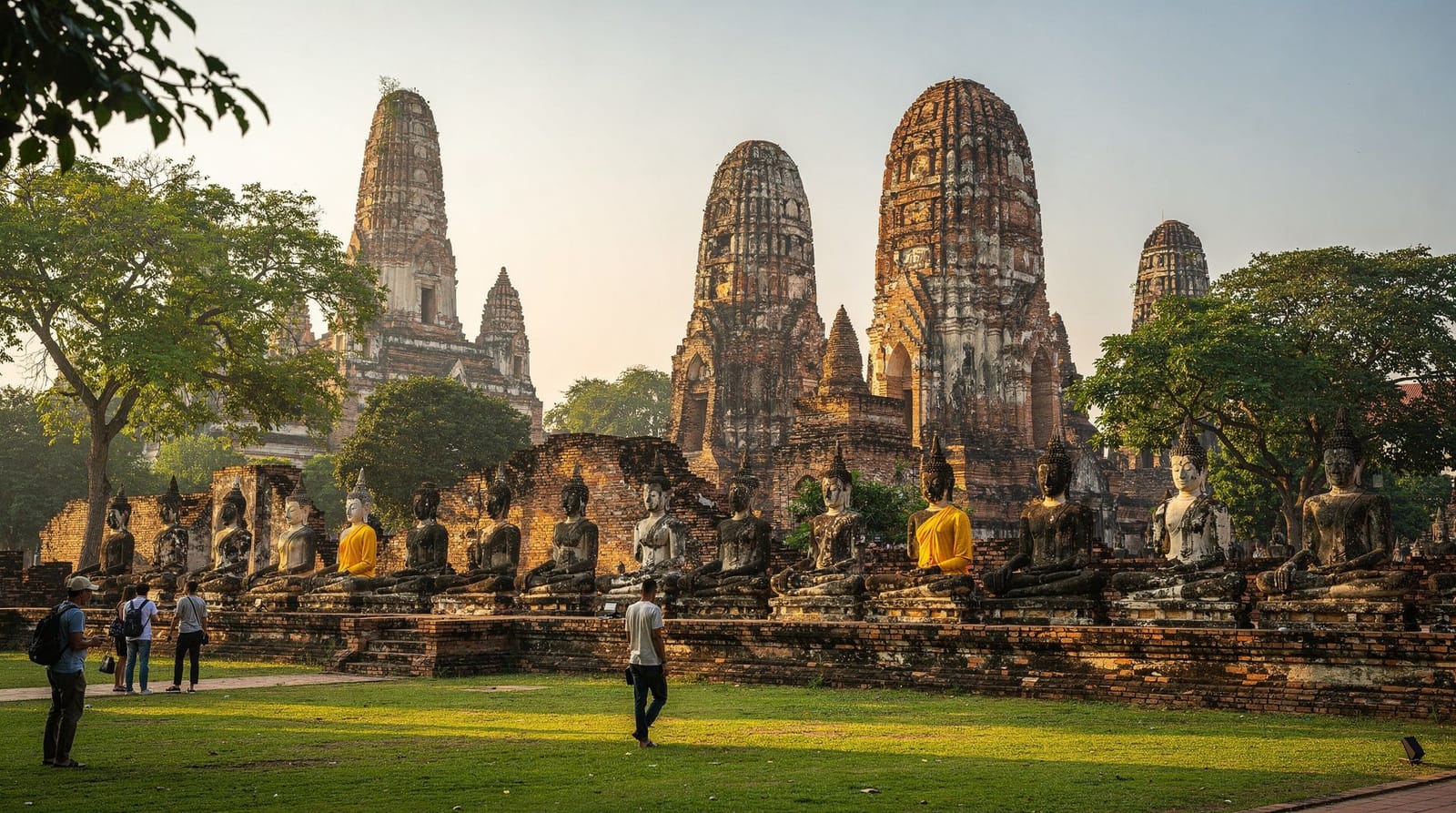
Pairing Bang Pa-In with the Ayutthaya ruins is the standard, recommended way to visit, and it makes for a well-balanced day: the evocative, sun-exposed temples for history, and the shaded, intact summer palace for elegance and respite. Many itineraries visit the ruins in the cooler morning and the palace in the early afternoon. Whether you go DIY or on a tour, Bang Pa-In rounds out the day.
A workable split for a self-planned day: two to three hours at the Ayutthaya ruins in the morning, lunch near the historic centre, then Bang Pa-In in the early afternoon before heading back to Bangkok in time for dinner. This keeps the shadeless ruins in the cooler part of the day and saves the shaded, lake-side palace for when the sun is at its harshest — the reverse order works too, but most visitors find it noticeably more comfortable this way round.
Ayutthaya temples guided tour with lunch from BangkokPlanning the day around the heat
The biggest practical variable on this trip is the weather, not the distance. On a hot, humid day the open ruins in Ayutthaya can be draining, and the palace gardens, while greener and more shaded, are still largely outdoors. Build in slow moments: a cold drink in the shade, a bench by the water, a pause before you move on. Pack a light, breathable outfit that still meets the dress code, such as loose long trousers or a long skirt with a top that covers the shoulders, so you are not forced to choose between comfort and respect.
In the rainy months, showers tend to arrive suddenly and pass quickly. Carry a compact umbrella or light rain jacket, and treat a downpour as a reason to sit and wait rather than abandon the visit; the gardens often look their best just afterwards. The rainy season guide and the Bangkok in the rain guide explain what to expect and how to adapt, while the best time to visit Bangkok guide helps if you are still choosing dates.
If you are comparing this outing with other excursions, the Ayutthaya day trip guide covers the ruins in detail, and the day trips from Bangkok overview lays out the alternatives. The Kanchanaburi Death Railway guide is a very different, more sombre option for travellers with a full day to spare.
Who will enjoy it most
Bang Pa-In suits travellers who like architecture, gardens, history and a slower pace. It is a good fit for photographers, for couples who want a relaxed and pretty stop, and for anyone who finds temple ruins tiring after a few hours. It is less compelling for visitors who want big, dramatic sights or lots of hands-on activity, in which case the ruins and other excursions will serve you better.
Families can enjoy it too, particularly with the space to run around and the novelty of the buggies, though younger children may tire of the quiet atmosphere and the rules about behaviour. The Bangkok with kids guide offers ideas for balancing sights like this with livelier stops. Older travellers will appreciate the flat paths, the shade and the option of riding rather than walking; the Bangkok with elderly travellers guide has more on pacing a trip comfortably.
Solo travellers will find the palace easy and calm to visit, and it pairs naturally with a guided day if you prefer company; see the solo travel in Bangkok guide for general advice on getting out of the city on your own.
Photography and what to bring
The mix of styles makes Bang Pa-In one of the more photogenic royal sites near Bangkok, and the Aisawan Thiphya-Art pavilion in particular photographs best in the soft light of mid-morning or late afternoon, when the water is calm and the reflections are clearest — avoid the flat glare of midday if you can. Bring water and a hat, since much of the walk between pavilions is unshaded, and comfortable shoes if you skip the golf buggy — the what to pack for Bangkok guide has the fuller checklist. For more on capturing Thailand’s royal and religious architecture respectfully, see the temple photography tips guide and the best photo spots in Bangkok guide, both of which apply directly to Bang Pa-In’s pavilions and gardens.
Best time to go
Visit Bang Pa-In in the early-to-mid afternoon, after a morning among the Ayutthaya ruins — the temples reward the softer early light, while the palace’s shaded pavilions and lake breezes suit the hotter part of the day better. The grounds are large and mostly open, so a golf buggy is worth it in hot months — check the Bangkok weather by month guide if you are choosing your travel dates around comfort. Weekdays are noticeably quieter than weekends.
Is it worth it?
Choosing between a private trip and a shared tour
Both formats work, and the right one depends on how you like to travel. A private car gives you control over timing, which matters here because the best order is ruins first and palace later, and it lets you linger by the water without watching a group schedule. A shared guided tour usually costs less per person and removes the logistics, though you move at the group’s pace and may have less time at the palace than you would like. The private tours in Bangkok guide and the best Bangkok tours guide compare the options in more detail.
Going independently by train is the cheapest route and has its own charm, but it demands more planning and leaves you reliant on local transfers between the station, the palace and the ruins. If you are tempted, read the Ayutthaya by train blog post for a first-hand feel of how that day unfolds, and the Bangkok getting around guide for general transport tips. Whatever you choose, start early, carry water, and keep the afternoon free for the palace.
Before you leave the palace
A few small habits make the visit smoother. Check the closing time when you arrive and plan your last stretch accordingly, since the grounds close before the end of a typical afternoon. Keep your ticket handy in case you are asked for it again, and agree a meeting point with your driver or group before you wander off, because the grounds are large and signal can be patchy. Take a last look at the lake before you go; it is the view most people wish they had spent longer on.
Once you are back in the city, you may want to balance the quiet of the palace with something livelier. The things to do in Bangkok guide and the Bangkok at night guide have plenty of ideas for the evening.
On its own Bang Pa-In is a pleasant but relatively short visit; as part of an Ayutthaya day trip it earns its place by adding variety — manicured gardens and ornate, intact pavilions after the ruined temples. If you appreciate architecture and royal history, or simply want a shaded, photogenic stop, it rounds out the day beautifully. Slot it into the Bangkok with day trips itinerary, and return to the day trips from Bangkok overview for the bigger picture.
Frequently asked questions about Bang Pa-In Royal Palace: the summer palace
How do I get to Bang Pa-In from Bangkok?
How much does Bang Pa-In Palace cost?
Is there a dress code at Bang Pa-In?
What are the highlights of Bang Pa-In?
How long do you need at Bang Pa-In?
Can I combine Bang Pa-In with Ayutthaya in one day?
Is Bang Pa-In worth visiting?
Top experiences
Bookable activities with verified prices and instant confirmation on GetYourGuide.