Songkran survival guide: how to enjoy the water war
Songkran, the Thai New Year and the world’s largest water fight, is one of the most joyful experiences Bangkok offers — and one of the easiest to do badly if you arrive unprepared. I have now done several Songkrans, from soaked-to-the-bone amateur to reasonably seasoned veteran, and the difference between a magical festival and a miserable one comes down to a handful of practical decisions made before you ever pick up a water gun. This is the survival guide I wish I had read before my first one: where to go, what to wear, how to protect your stuff, and how to stay safe and respectful in the chaos.
| When | April 13–15, every year |
| Best zones | Khao San (intense), Silom (parade-style), temples (traditional) |
| What to bring | Waterproof phone pouch (50–150 baht), quick-dry clothes, cash |
| Getting around | BTS/MRT only — roads gridlock and flood |
| Book ahead | Accommodation — peak season pricing hits the old city hardest |
When and what it is
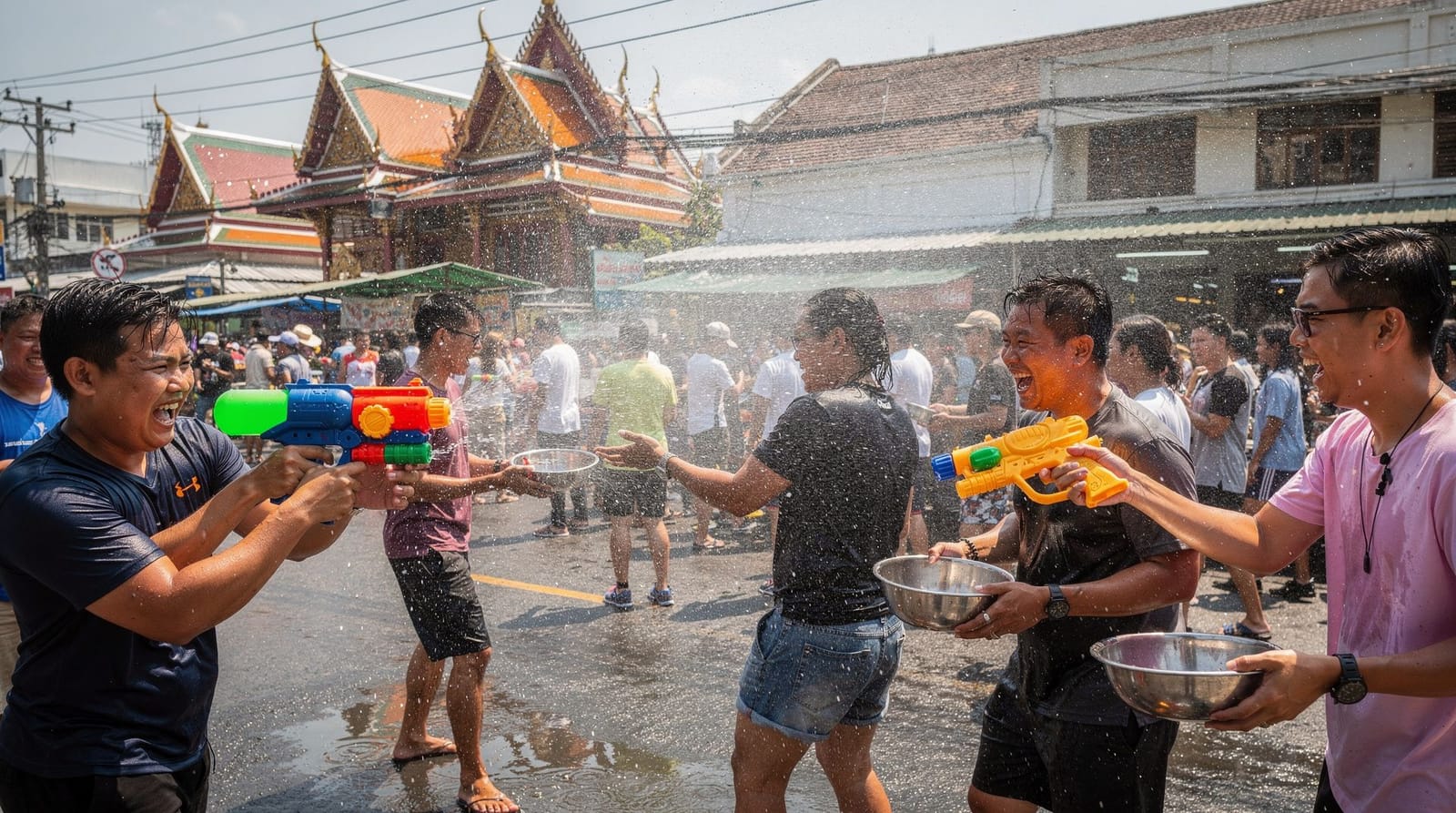
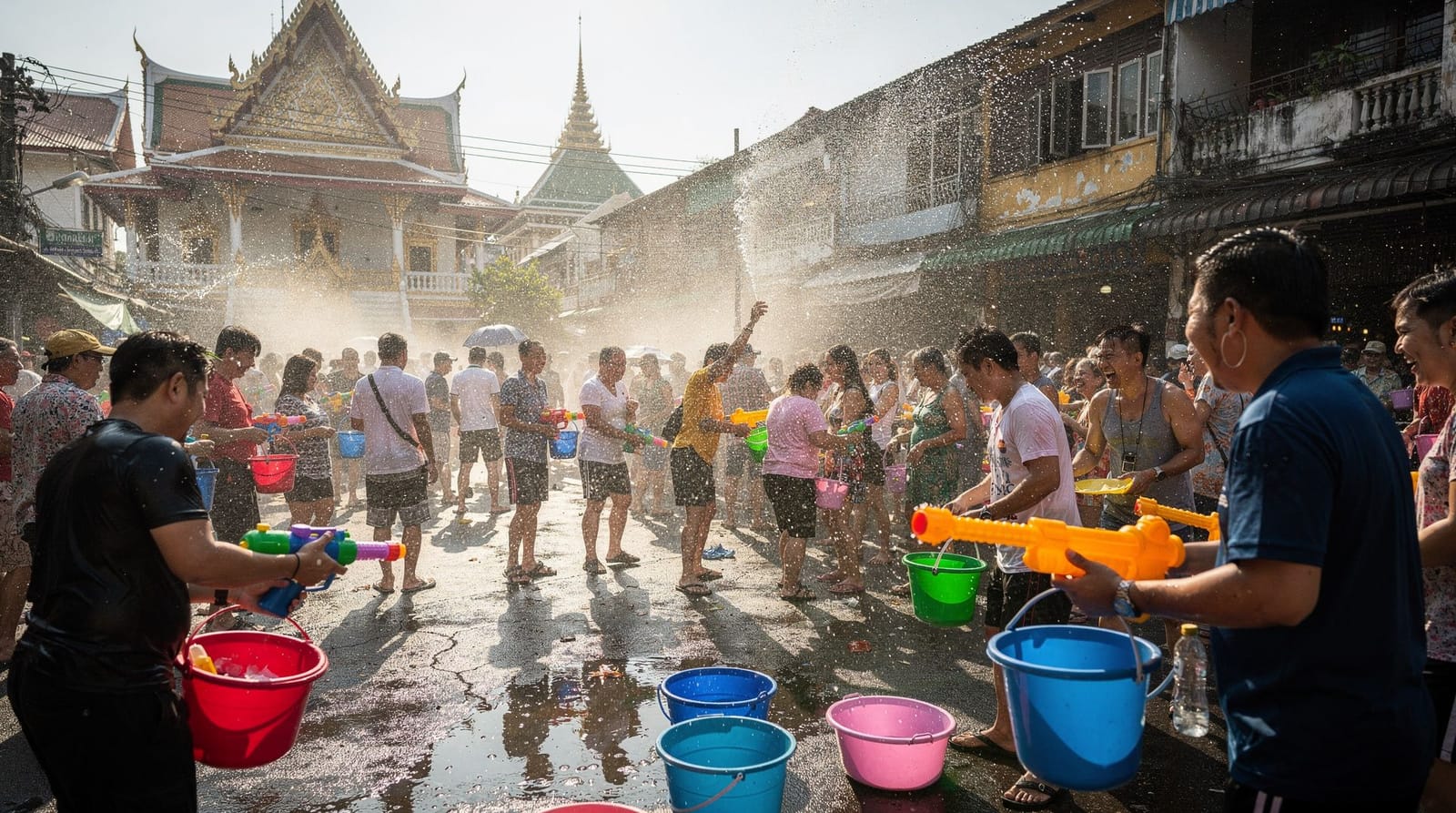
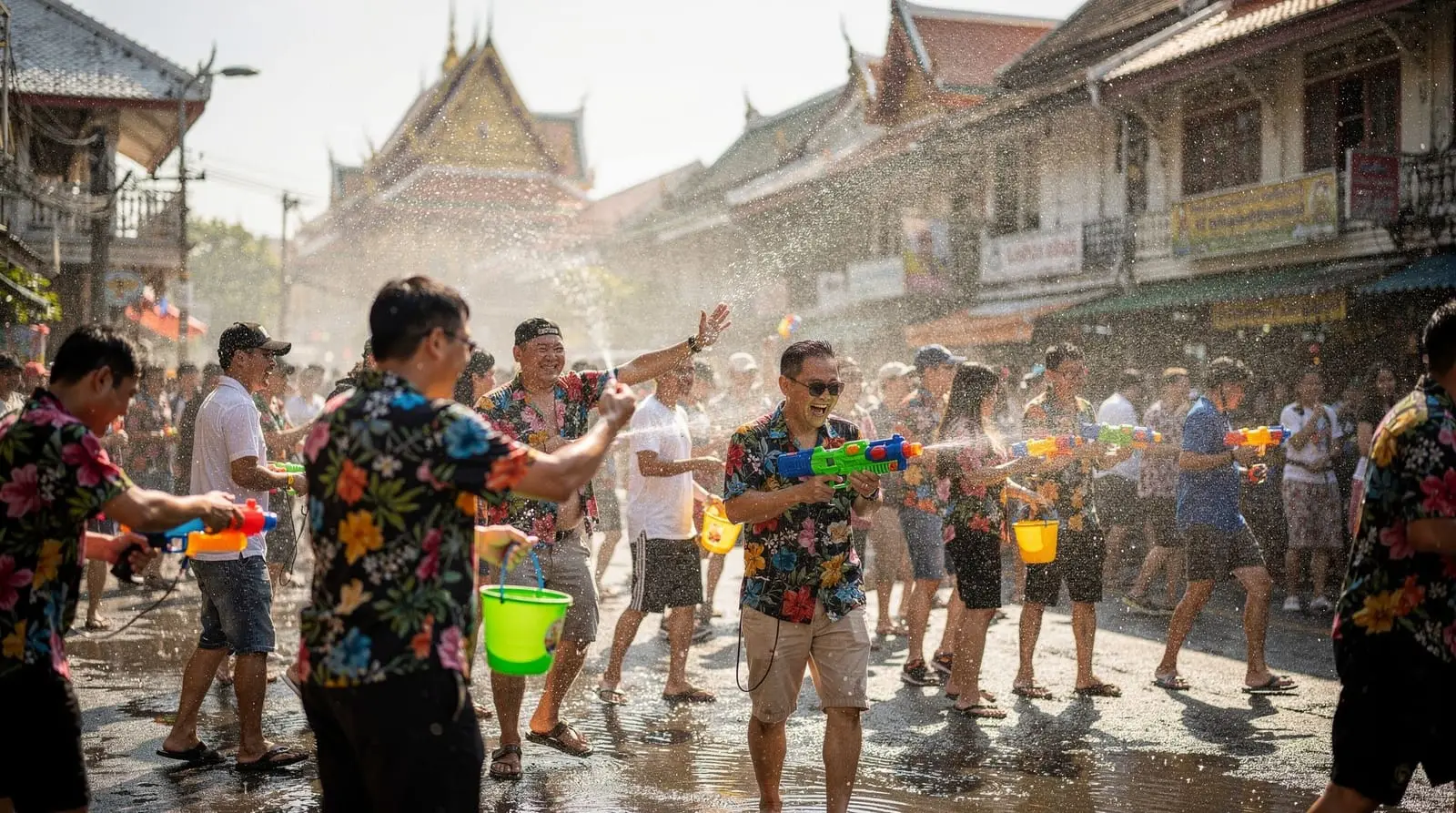
Songkran falls every year on April 13th to 15th, the hottest stretch of the Thai calendar, which is exactly why a city-wide water fight feels like deliverance rather than assault. At its heart it is a New Year cleansing ritual — gently pouring water to wash away the old year’s misfortunes — that has, in the public squares, evolved into a three-day water war fought with guns, hoses and buckets by basically everyone. The Songkran guide covers the cultural roots, and the festivals calendar confirms it is the biggest event of the Thai year, when much of the city shuts down to play.
Where to go (and what each spot is like)
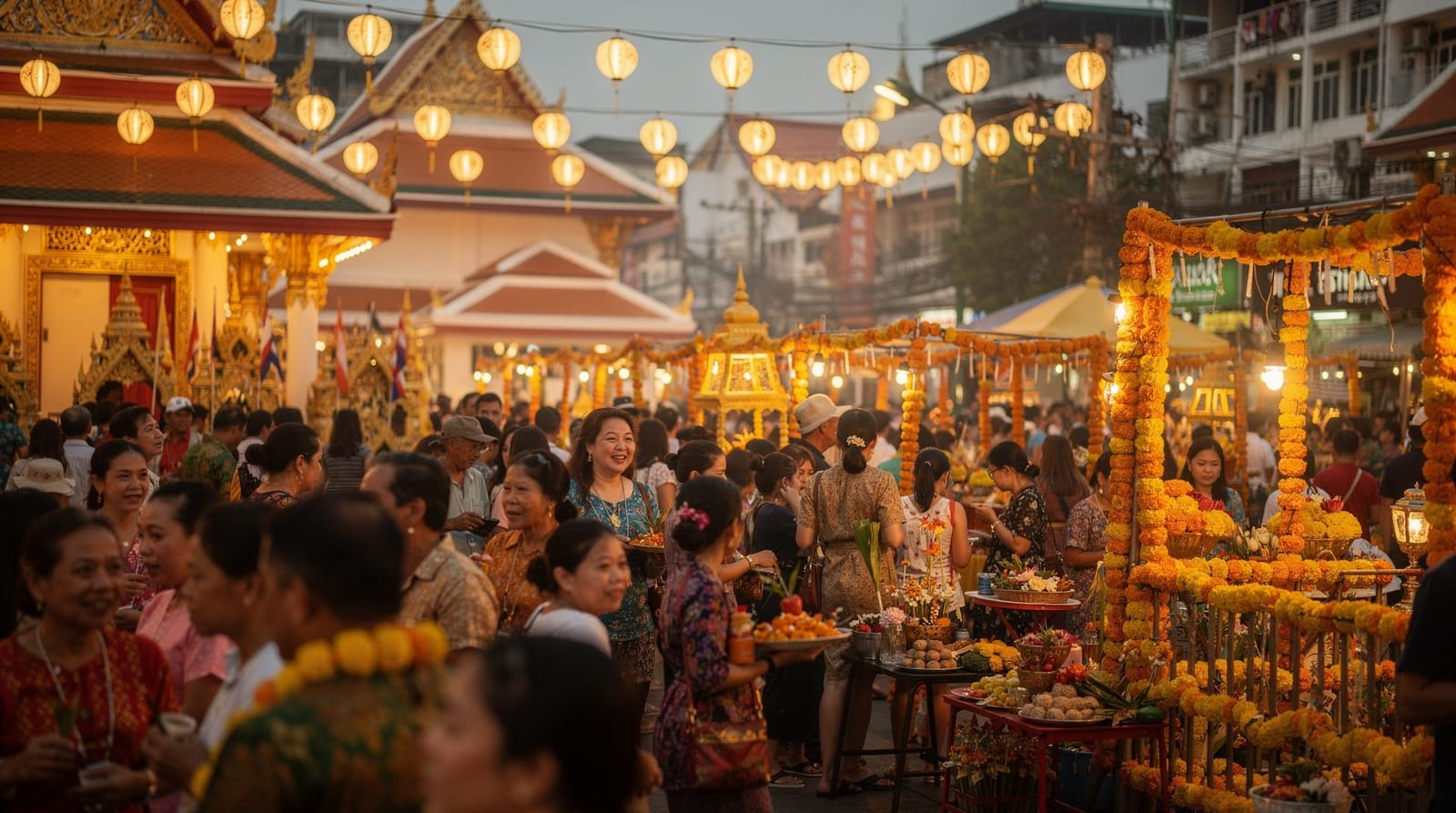
Choosing your battlefield matters. The Songkran in Bangkok guide maps them all, but here is the quick rundown. Khao San Road is the legendary epicentre — a packed, intense, 400-metre gauntlet of foam, water guns and travellers, brilliant fun but overwhelming and best in short bursts. Silom closes several road lanes for a vast, parade-style street party with fire trucks spraying the crowds, more spread out than Khao San and home to some of the festival’s most spirited celebrations. Siam and RCA draw a younger, music-festival crowd. For the gentle, traditional side, visit a temple in the early morning before the battles begin, where families bathe Buddha images and pour scented water over elders’ hands. Many travellers do both — chaos by afternoon, ritual by morning.
What to wear
Dress for total saturation. Quick-drying synthetic clothes, not cotton, which stays heavy and sodden for hours. Footwear you can soak and that will not slip — sport sandals or old trainers, never flip-flops that fly off in a crowd. Bring a change of clothes for after, and assume everything you wear into the festival is going to get drenched and possibly stained by the clay paste people smear on faces. Leave anything valuable or precious at the hotel. A swimsuit under your clothes is a reasonable base layer. The point is to dress like you are going swimming in your clothes, because functionally you are.
Protecting your phone and valuables
This is the single most important survival tip, and the one most people learn the hard way. Buy a waterproof phone pouch with a lanyard — they sell for around 50 to 150 baht from every street vendor during the festival — and wear it around your neck under your shirt. Carry only the cash you need, ideally in a waterproof pouch too, and leave cards, passport and anything you cannot replace locked away. Assume that anything in your pockets will get soaked. I lost a phone to overconfidence on my first Songkran; I have never made that mistake again.
One hard-won detail on the pouches: test yours in a sink before you trust it with your phone. The cheap ones sometimes leak around the seal, and the touchscreen response through the plastic varies — some let you shoot photos through the window, others fog up uselessly. I now buy two, double-bag the phone if I want to film, and accept that some footage will be lost to condensation. Better still, I leave the good phone at the hotel entirely and bring a cheap backup for the day, which removes the anxiety completely and lets me actually enjoy the chaos rather than guarding a pocket the whole time. Hotel safes are your friend here: passport, cards, and any real valuables go in the safe before I leave the room, and I carry a photocopy of my passport plus a few hundred baht and nothing else.
Getting around during the festival
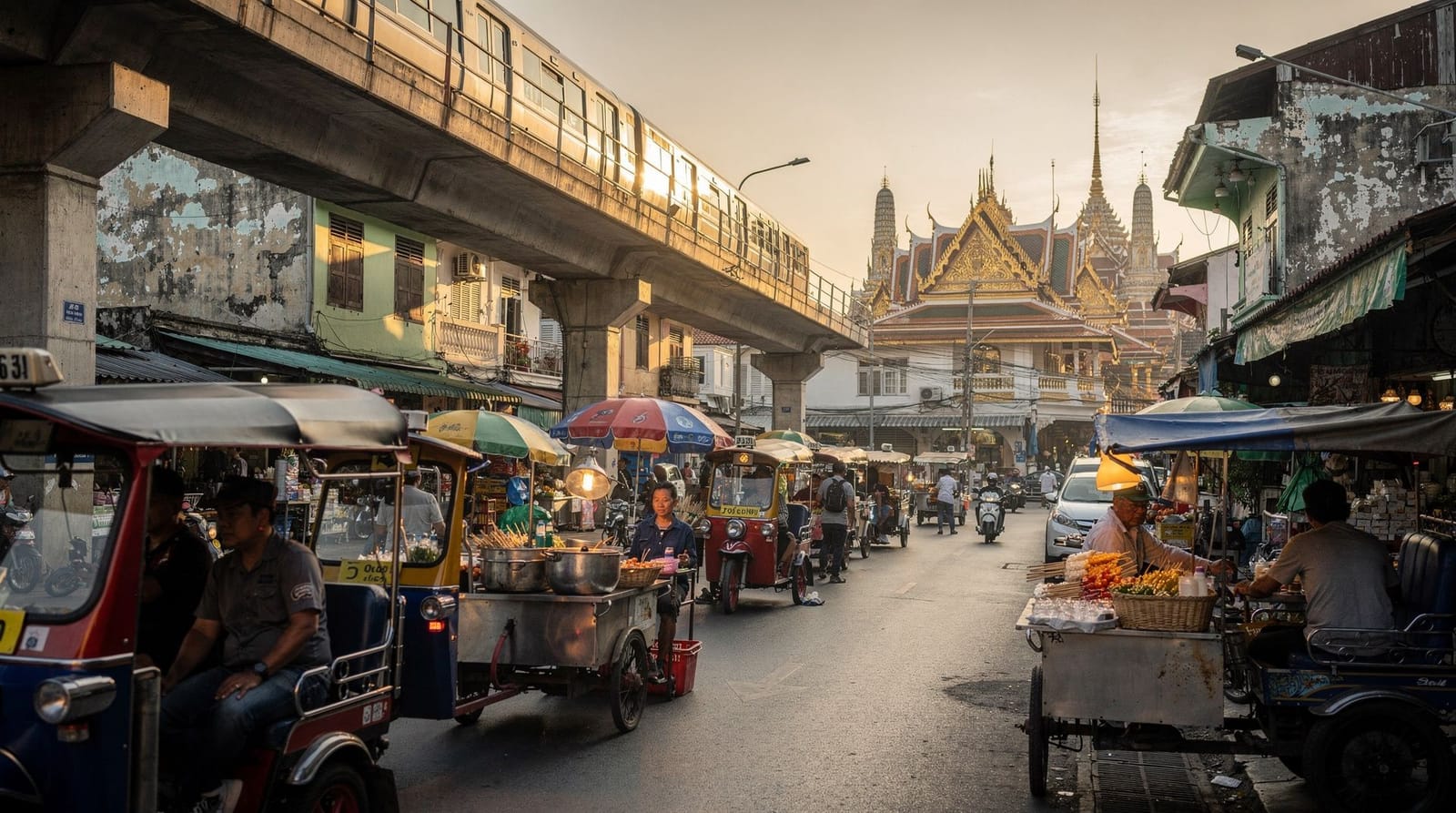
Movement is its own challenge over Songkran, and planning it badly can cost you hours. The elevated BTS and underground MRT are your salvation — they run above and below the soaking streets, stay reasonably dry inside, and bypass the gridlock that grips the roads when whole districts close for the water battles. A single-journey BTS fare runs roughly 17 to 62 baht depending on distance, or use a Rabbit card to skip the queues. Taxis and Grab become slow and scarce as roads shut, and tuk-tuks, while fun, leave you fully exposed to every bucket and hose you pass — charming once, exhausting as a way to actually get somewhere. I plan my days around BTS stations: pick a battle zone near a station, play, then duck back into the system to move on. Note that the busiest stations near Silom and Siam get packed during the festival, so allow extra time and keep your dry change of clothes sealed in a bag for the ride home.
A day-by-day pacing plan
Three days of water war sounds endless until you are in it, at which point it can burn you out fast. Here is how I pace it now. Day one, the 13th, I go in gently — an afternoon at a single spot, Silom or a quieter neighbourhood street party, to find my feet and test my waterproofing without committing to the full Khao San gauntlet. Day two, the 14th, is the big one: I commit to the chaos properly, hit Khao San or Silom at peak energy, and lean in. Day three, the 15th, I deliberately take lighter — a morning temple visit for the traditional, gentle side of Songkran before the streets fill, then maybe one last splash in the afternoon. Crucially, I build in dry recovery time each day rather than staying soaked from noon to midnight; a hot shower, a change of clothes, and an air-conditioned meal midway through resets you completely. The travellers who melt down by day two are almost always the ones who tried to do all three days at full intensity without a break.
The three days, at a glance
| Day | Focus | Intensity |
|---|---|---|
| Day 1 (13th) | Ease in — one spot, test your waterproofing | Gentle |
| Day 2 (14th) | The big one — Khao San or Silom at peak energy | Full commitment |
| Day 3 (15th) | Morning temple ritual, lighter afternoon splash | Wind down |
Solo versus in a group
The festival changes shape depending on who you bring. Solo, Songkran is easier to keep light — you can duck out the moment you have had enough, choose your own pace between Khao San and a quiet temple, and nobody minds if you disappear for an hour of air-conditioned recovery. In a group, the water fights get considerably more fun and more strategic — a squad with backpack-reservoir guns holding a corner is a different experience entirely from one person dodging buckets alone — but it also means agreeing on pace, since not everyone tires or overheats at the same rate. My rule for groups: pick a meeting point near a BTS station in advance, because phones die, signal drops, and reuniting in a soaked crowd of thousands is genuinely hard otherwise. Basing a group in Silom or Sathorn rather than deep in the Khao San crush also makes regrouping easier if people scatter.
The etiquette that keeps it fun
Songkran has rules even amid the anarchy, and respecting them is what separates a welcome guest from an obnoxious one. Do not throw water at monks, the elderly, babies, or anyone clearly trying to stay dry, like commuters in work clothes or people on motorbikes outside the play zones. Do not use ice water aggressively — a splash is fun, a bucket of iced water in someone’s face is hostile. The white clay paste smeared gently on your cheeks is a blessing, so accept it graciously rather than recoiling. And read the room: the joy is consensual, and the moment someone signals they are done, leave them be. The Thai customs and etiquette guide is worth reading so you can tell the playful from the sacred.
Staying safe
A few genuine safety notes. Road accidents spike dramatically during Songkran — it is statistically the most dangerous time of year to be on Thai roads, with alcohol and wet conditions a deadly mix — so do not rent a motorbike, and get around on foot or by the elevated BTS, which runs above the soaking streets. Stay hydrated with drinking water, not just beer, in the brutal April heat. Watch your footing in the crush, especially on wet, foam-slicked surfaces. Keep an eye on your group and agree a meeting point, because phones get lost and crowds get dense. And pace yourself across the three days rather than burning out on day one.
After the water: recovering
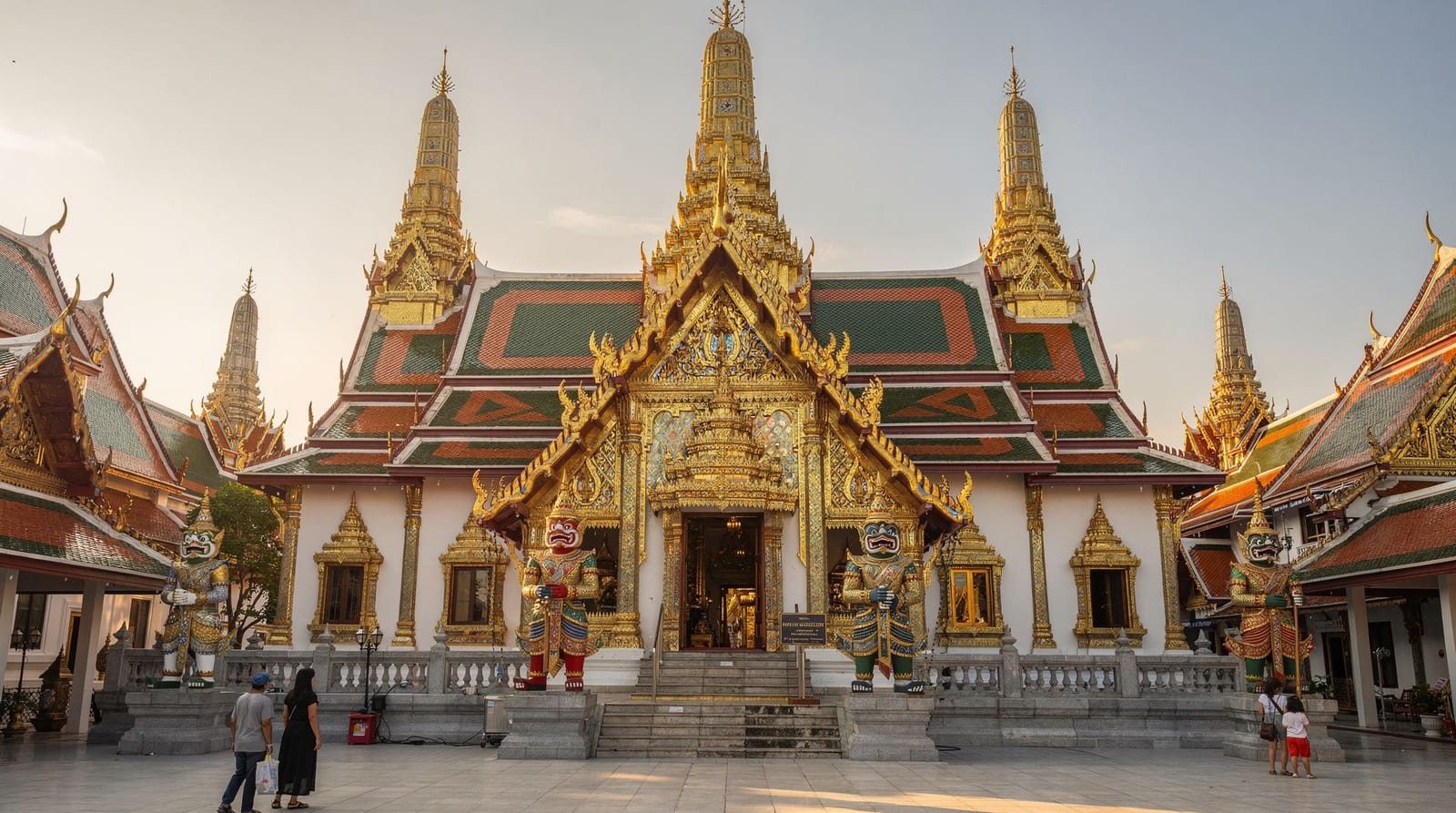
When you have finally had enough of being soaked, Bangkok’s calmer pleasures are the perfect counterpoint, and many of them stay open and pleasantly quiet while the city plays in the streets. A long Thai massage to recover, an air-conditioned mall, or a serene temple visit once the crowds thin all hit differently after three days of water warfare. A guided loop of the Grand Palace, Wat Pho and Wat Arun makes a dignified, dry contrast once your clothes have finally stopped dripping — just check opening days, as some sites adjust hours over the holiday.
The verdict
Songkran is, for my money, the most purely joyful festival I have experienced anywhere — a whole city agreeing to abandon its dignity at once, in the name of washing away the old year. But the magic depends entirely on preparation. Waterproof your phone, dress for the soaking, mind the etiquette, stay off the roads, and dive in with the right spirit, and you will have one of the best days of your travelling life. Arrive unprepared, and you will spend it mourning a dead phone in wet jeans. The choice, genuinely, is yours.
Frequently asked questions about surviving Songkran
How do I protect my phone during Songkran?
Buy a waterproof pouch with a lanyard for around 50 to 150 baht from any street vendor and wear it under your shirt. Carry minimal cash, leave valuables at the hotel, and assume your pockets will get soaked.
Where is the best place to celebrate Songkran in Bangkok?
Khao San Road is the intense epicentre, Silom hosts a huge street party, and Siam and RCA draw younger crowds. For the traditional side, visit a temple early before the water battles begin.
Is Songkran dangerous?
The water itself is harmless fun, but road accidents spike sharply over the holiday due to wet conditions and alcohol. Avoid motorbikes, use the BTS, stay hydrated, and watch your footing in the slippery crowds.
How do I get around Bangkok during Songkran?
Use the elevated BTS and underground MRT, which stay dry and bypass the road closures and gridlock. Plan your day around stations, keep dry clothes sealed in a bag for the ride, and avoid taxis and tuk-tuks, which get slow, scarce and soaked.
What should I wear to Songkran?
Quick-drying synthetic clothes, never cotton, and footwear you can soak that will not slip off — sport sandals or old trainers, not flip-flops. A swimsuit underneath works as a base layer. Bring a sealed dry change of clothes for after, and leave anything precious at the hotel.
Can I avoid the water if I do not want to get wet during Songkran?
Largely, yes. Stay out of the obvious battle zones like Khao San and Silom, use the BTS and MRT, and visit indoor sights, malls and temples in the early morning. Commuters in work clothes and people clearly trying to stay dry are generally left alone by the etiquette.
For planning around the dates and the season, the best time to visit Bangkok, Bangkok weather month by month and Bangkok festivals calendar guides are useful, as are the BTS skytrain guide, the Khao San Road guide and the Thai customs and etiquette guide for staying respectful in the chaos.