Wat Pho Bangkok: is it worth it? Honest 2026 review
Bangkok: Reclining Buddha (Wat Pho) Self-Guided Audio Tour
Worth it? The honest verdict upfront
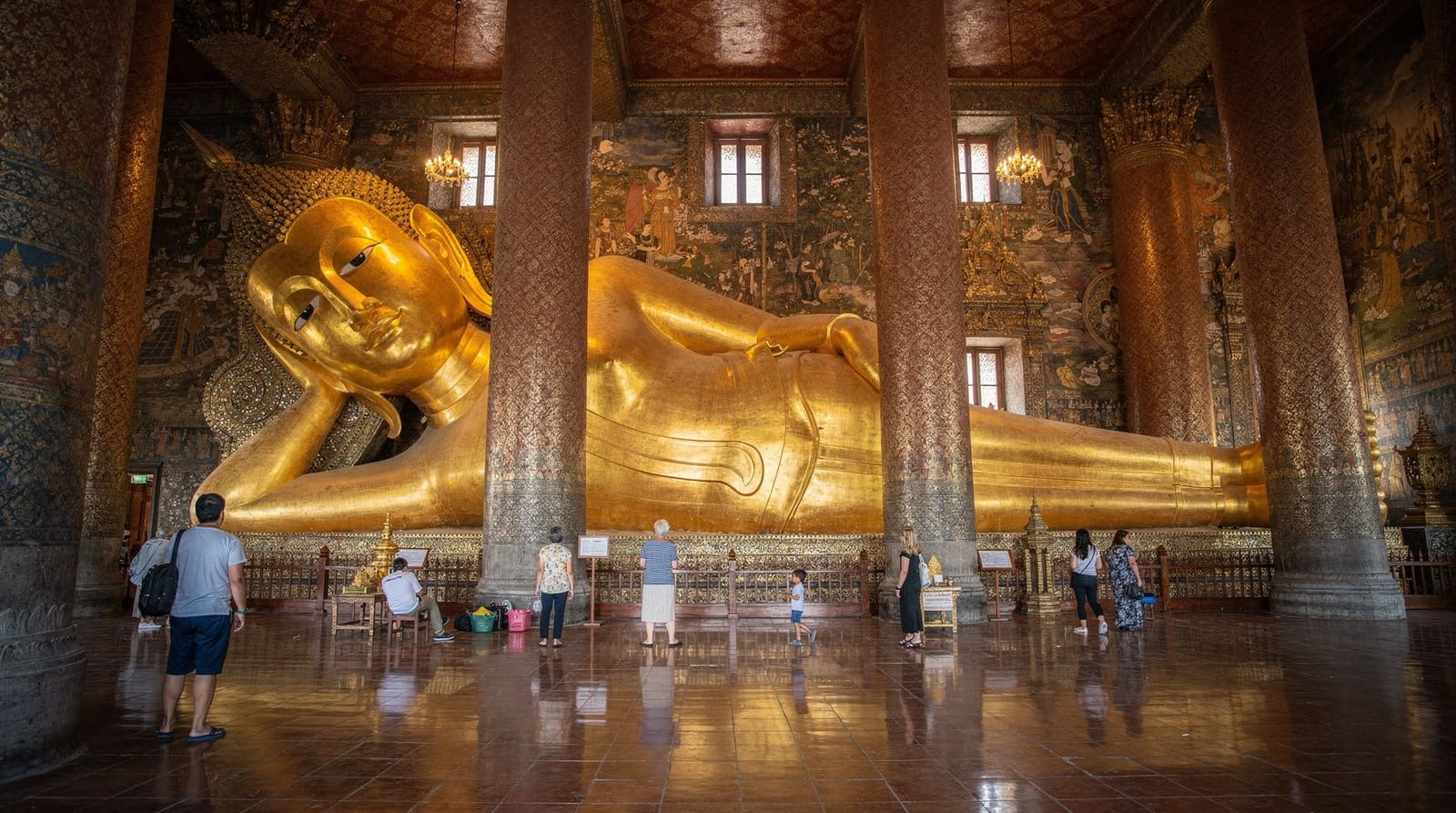
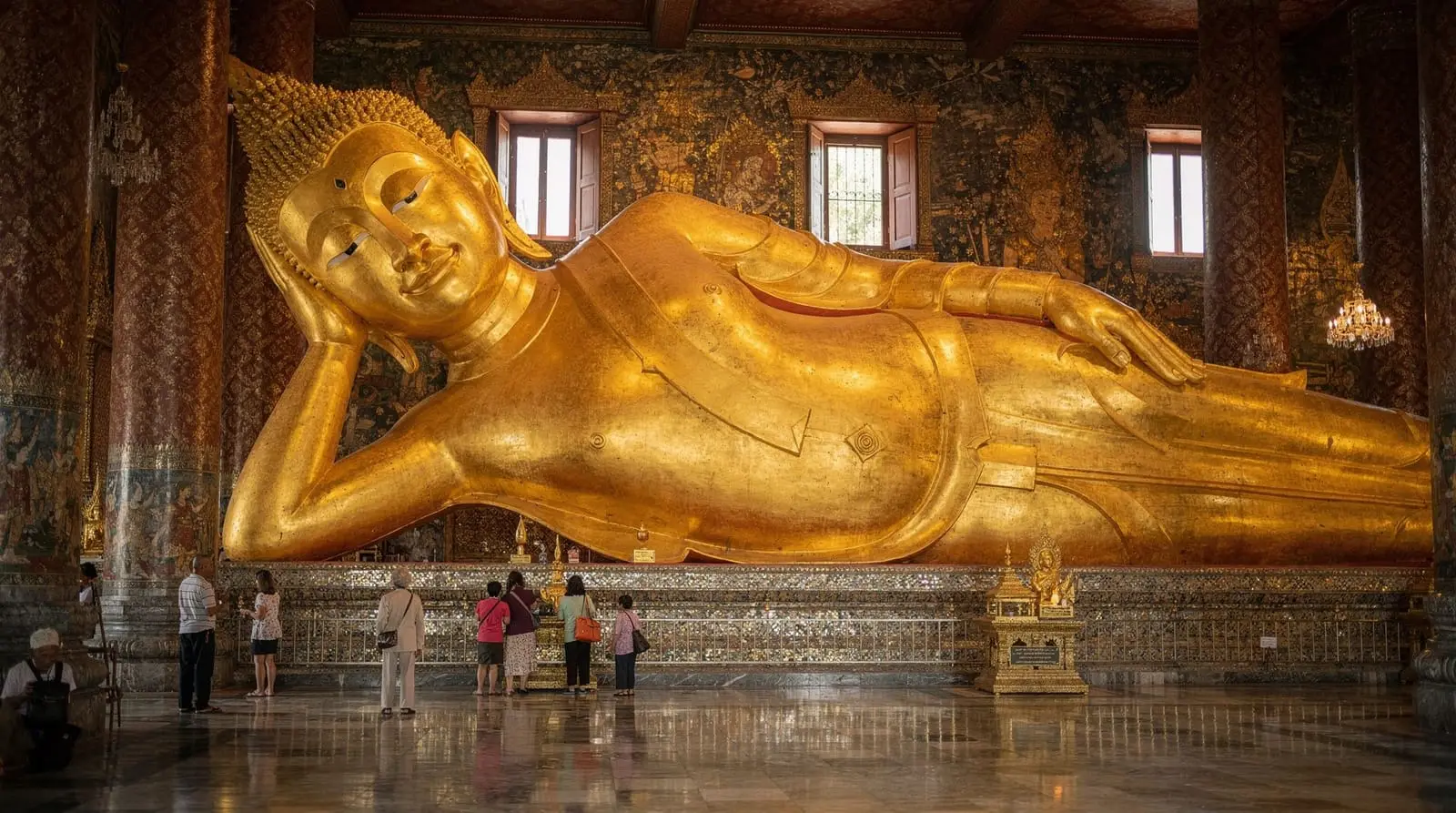
Yes, and arguably more so than its famous neighbour. Wat Pho gives you Bangkok’s most jaw-dropping single statue — the 46-metre gilded Reclining Buddha — plus a sprawling, atmospheric temple complex that most visitors underrate, all for 300 THB versus the Grand Palace’s 500 THB. It is calmer, cheaper and easier to enjoy, and it doubles as the home of traditional Thai massage.
The only honest caveat is that the Reclining Buddha hall itself gets crowded and the photo everyone wants takes patience. But step into the surrounding courtyards — the rows of mosaic-clad chedis, the quiet cloisters lined with Buddha images — and the crowds thin dramatically. That contrast is exactly why Wat Pho rewards the unhurried visitor.
Most people pair it with the Grand Palace and Wat Arun in one morning. If you want the headline statue with proper context and no queue, the Reclining Buddha at Wat Pho with audio guide is the lean, self-paced option. For a richer combined visit, the Grand Palace and Wat Pho half-day private tour links both with a guide.
What’s included
Independent entry (300 THB) includes:
- Full access to the Wat Pho complex, including the Reclining Buddha hall
- A small bottle of water handed out with your ticket
- The chedi gardens, ordination hall and Buddha galleries
A guided or audio option adds:
- Commentary on the temple’s role as Thailand’s first public university and the home of Thai medicine and massage
- Context for the Reclining Buddha’s symbolism and the mother-of-pearl footprints
- A licensed guide (private and small-group tours) or a rented audio device
Not included: the massage (paid separately at the on-site school), food, and tips.
What to expect
The Reclining Buddha hall. This is the centrepiece and where everyone heads first. The statue is so large it is hard to photograph whole; you walk its length from the serene golden head to the intricately inlaid soles of the feet, decorated with 108 mother-of-pearl symbols. Along the back wall, 108 bronze alms bowls invite you to drop small coins for good fortune — buy a bowl of coins at the entrance for around 20 THB if you want to take part.
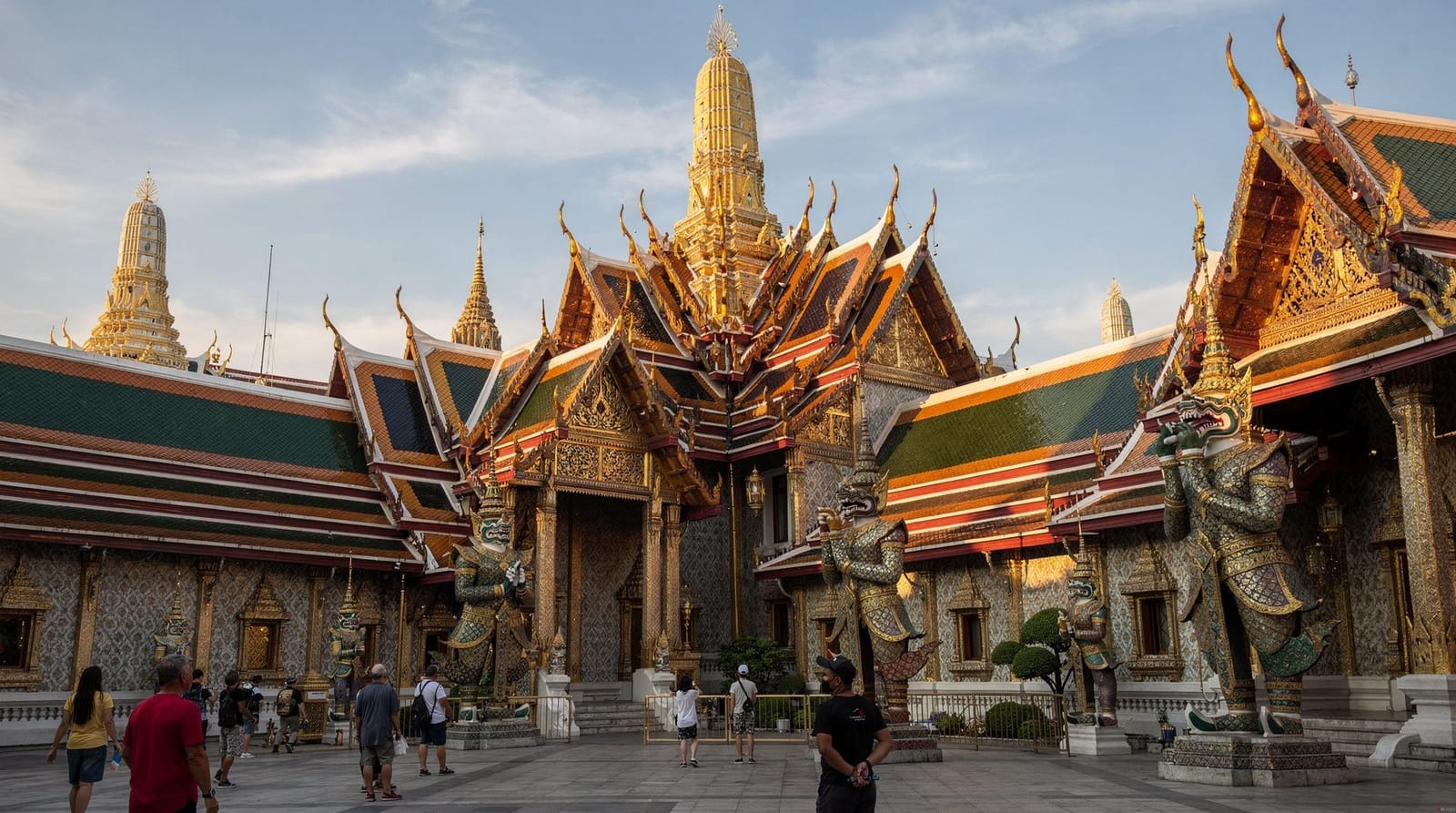
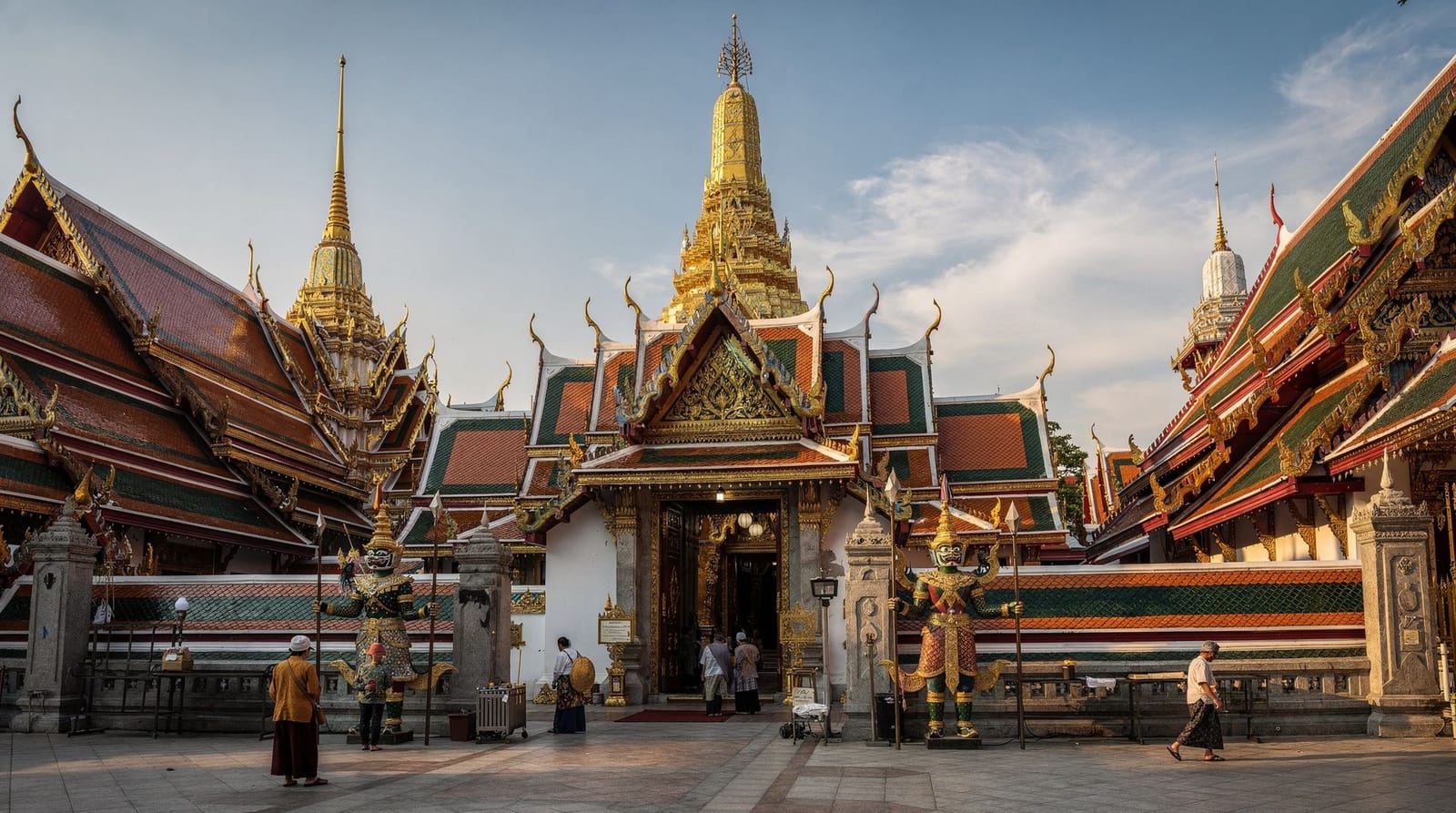
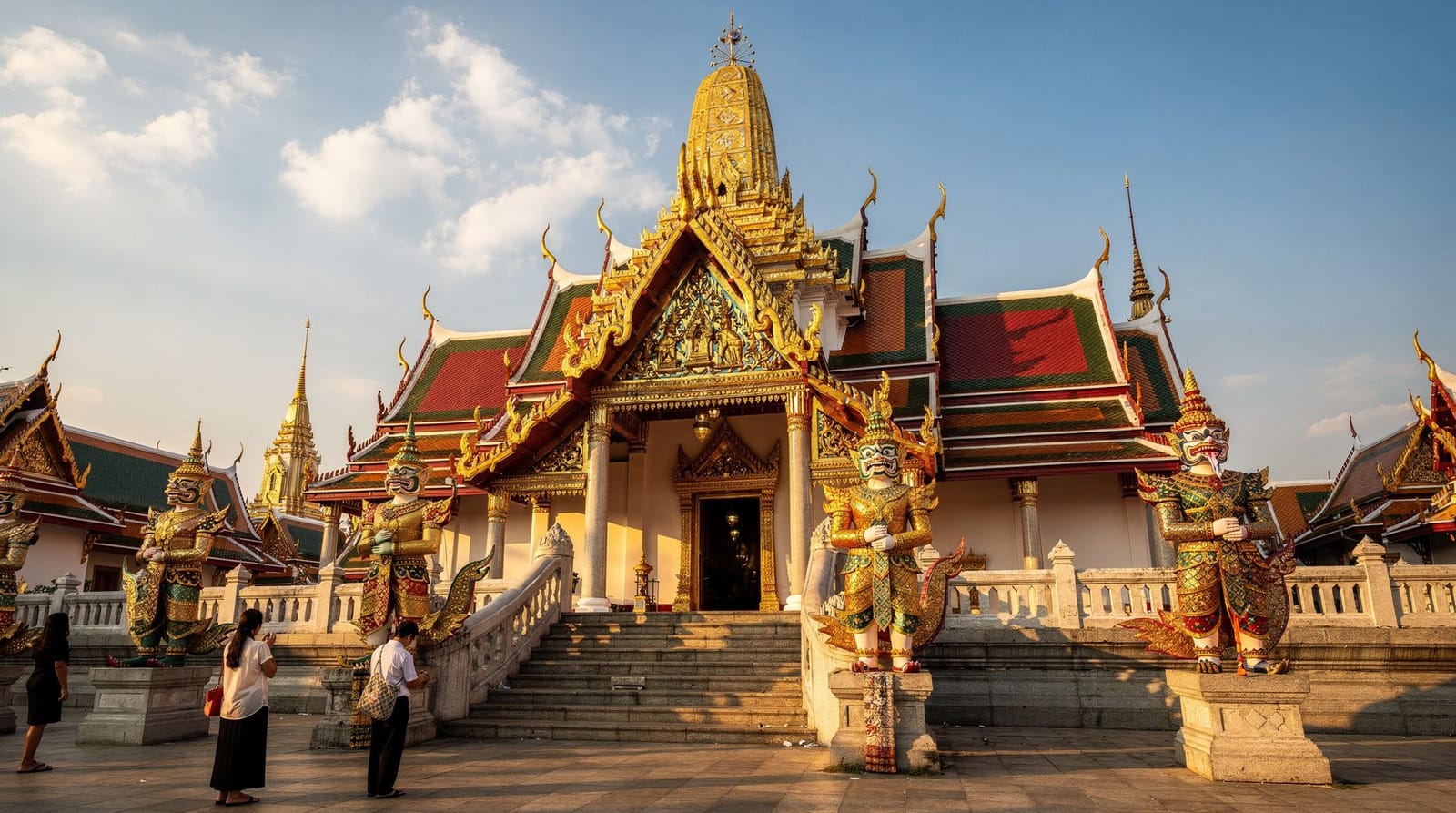
The chedi courtyards. This is the part people skip and shouldn’t. Four large royal chedis sit clad in glittering ceramic-flower mosaic, surrounded by dozens of smaller ones. The cloisters hold nearly four hundred gilded Buddha images. Early morning or late afternoon light here is some of the best temple photography in the city — see our temple photography tips.
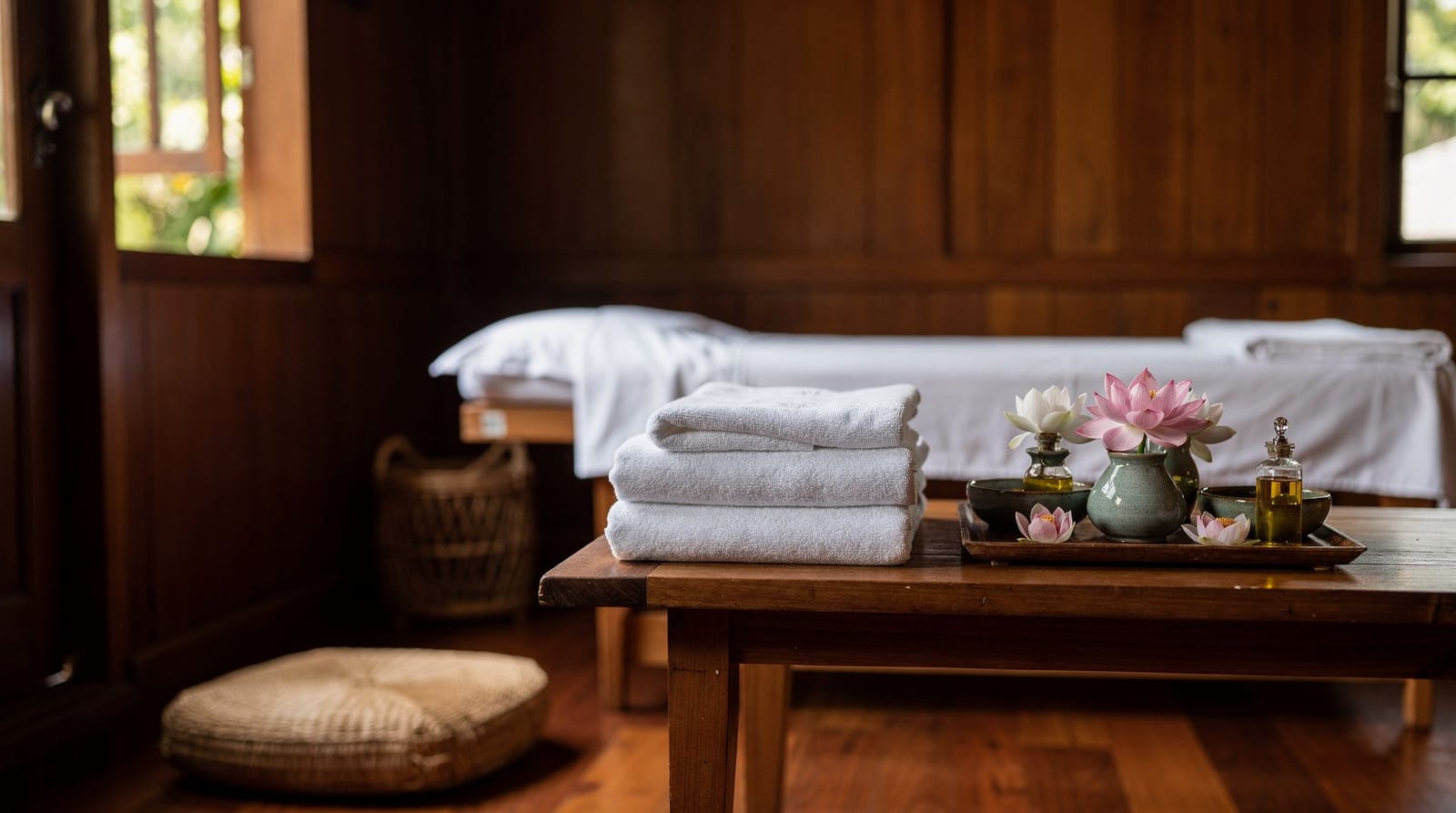
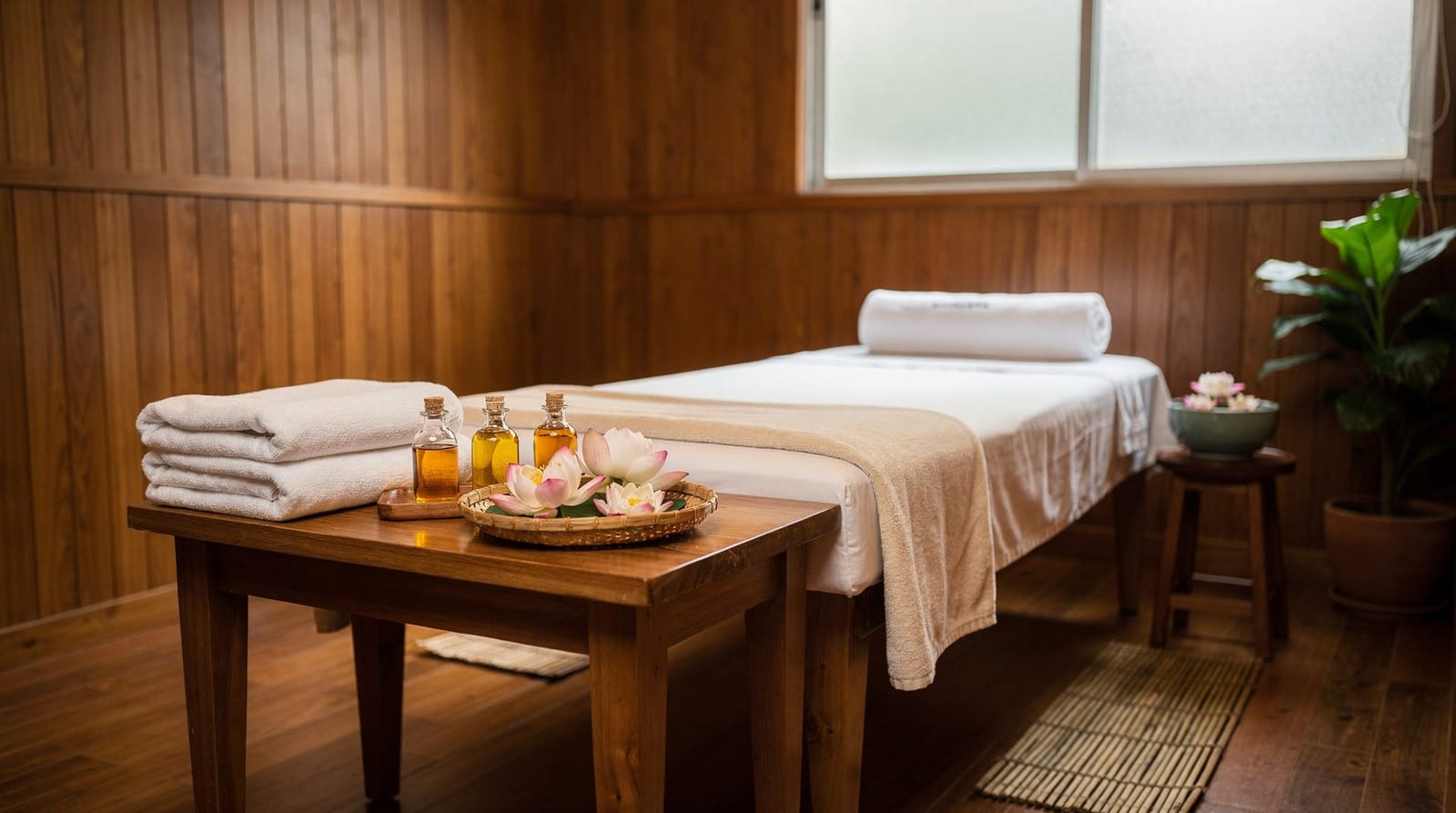
The massage school. Wat Pho is the recognised birthplace of traditional Thai massage, and the on-site school offers genuine treatments. It is busier than a back-street shop but authentic, with firm, traditional technique. Our wat pho massage school guide covers prices and booking.
Crowds and timing. Wat Pho opens at 08:00 and closes 18:30 — longer than the Grand Palace. If the morning is busy, come in the late afternoon when tour groups have left and the light softens.
Real prices and what they buy you
- Independent entry: 300 THB (about USD 8.50), water included.
- Coin bowl for the 108 bowls: about 20 THB.
- Thai massage on site: from 280 THB (30 min) to 480 THB (60 min).
- Guided combination tours (with Grand Palace etc.): roughly 1,000–1,800 THB depending on group size and inclusions.
At 300 THB, Wat Pho is one of Bangkok’s best-value major attractions.
Who it’s for
Everyone visiting Rattanakosin: it is a near-essential pairing with the Grand Palace.
Budget travellers: cheaper than the Grand Palace and, for many, just as memorable. See bangkok on a budget.
Anyone curious about Thai massage: there is no more authentic place to try it.
Photographers: the mosaic chedis in soft light are a highlight — see best photo spots in Bangkok.
Scam and overpricing warnings
Wat Pho attracts fewer scams than the Grand Palace, but the same gate-area tricks circulate nearby:
- “The temple is closed”: false. Wat Pho keeps long hours and does not close mid-day. Walk to the official entrance.
- Tuk-tuk “tours” steering to gem or tailor shops: the classic commission trap — see tuk-tuk scams and the gem scam guide.
- Overpriced “official guides” loitering outside: book a licensed guide in advance instead of hiring a stranger at the gate.
The 300 THB ticket is fixed; there is no cheaper local price.
Alternatives and how it compares
The Grand Palace next door is grander, busier and pricier — our grand palace vs wat pho comparison helps you decide which to prioritise if time is short. Wat Arun across the river is the photogenic third temple, reached by a 4 THB ferry from Tha Tien. To bundle two contrasting temples efficiently, the two-temple golden and marble tour works well, and the Grand Palace, Wat Pho and Wat Arun guided tour covers the full classic trio in one go. For self-guided routing, see best temples in Bangkok.
How to book and get there
Getting there: Sanam Chai MRT station (Blue Line) is the closest, a 5-minute walk to the entrance — the easiest arrival. By river, Tha Tien pier on the Chao Phraya Express Boat is a 5-minute walk; read the chao phraya boats guide.
Booking: no advance booking is needed for the 300 THB entry; pay at the gate. Pre-book only for a guide, audio device or a combined temple tour. For wider planning, see bangkok for first-timers and the bangkok temples itinerary.
Practical tips for a smoother visit
A handful of small decisions improve a Wat Pho visit considerably:
- Use the long opening hours to your advantage. Wat Pho is open 08:00 to 18:30, later than the Grand Palace, so a late-afternoon visit dodges both the morning coach groups and the midday heat, and the low light on the mosaic chedis is the best of the day.
- Don’t rush past the chedi courtyards. Most visitors photograph the Reclining Buddha and leave; the quiet courtyards of ceramic-clad chedis and the cloisters of gilded Buddhas are the real reward and the most peaceful corner of the complex.
- Buy the coin bowl. For about 20 THB you get a bowl of coins to drop into the 108 bronze bowls behind the Reclining Buddha — a small, atmospheric ritual that supports the temple.
- Dress modestly and wear slip-on shoes. Shoulders and knees covered, and footwear you can remove easily for the Reclining Buddha hall. See temple etiquette and dress code.
- Build in time for a massage. If you want to try Thai massage at its birthplace, allow an extra hour and expect a firm, traditional style — our wat pho massage school guide covers booking.
- Combine smartly. Wat Pho is a 10-minute walk from the Grand Palace and a short ferry from Wat Arun; the temple-hopping route links all three without backtracking.
Approached unhurried, Wat Pho rewards more than its famous statue suggests, and it anchors a relaxed temple afternoon in Rattanakosin. For travellers planning a full temple day, the bangkok temples itinerary places it in sequence with the city’s other highlights, and best temples in Bangkok sets it in the wider context of where it ranks.