Maeklong railway market: is it worth it? Honest 2026 review
Bangkok: Damnoen Saduak Market and Maeklong Railway Market
Worth it? The honest verdict upfront
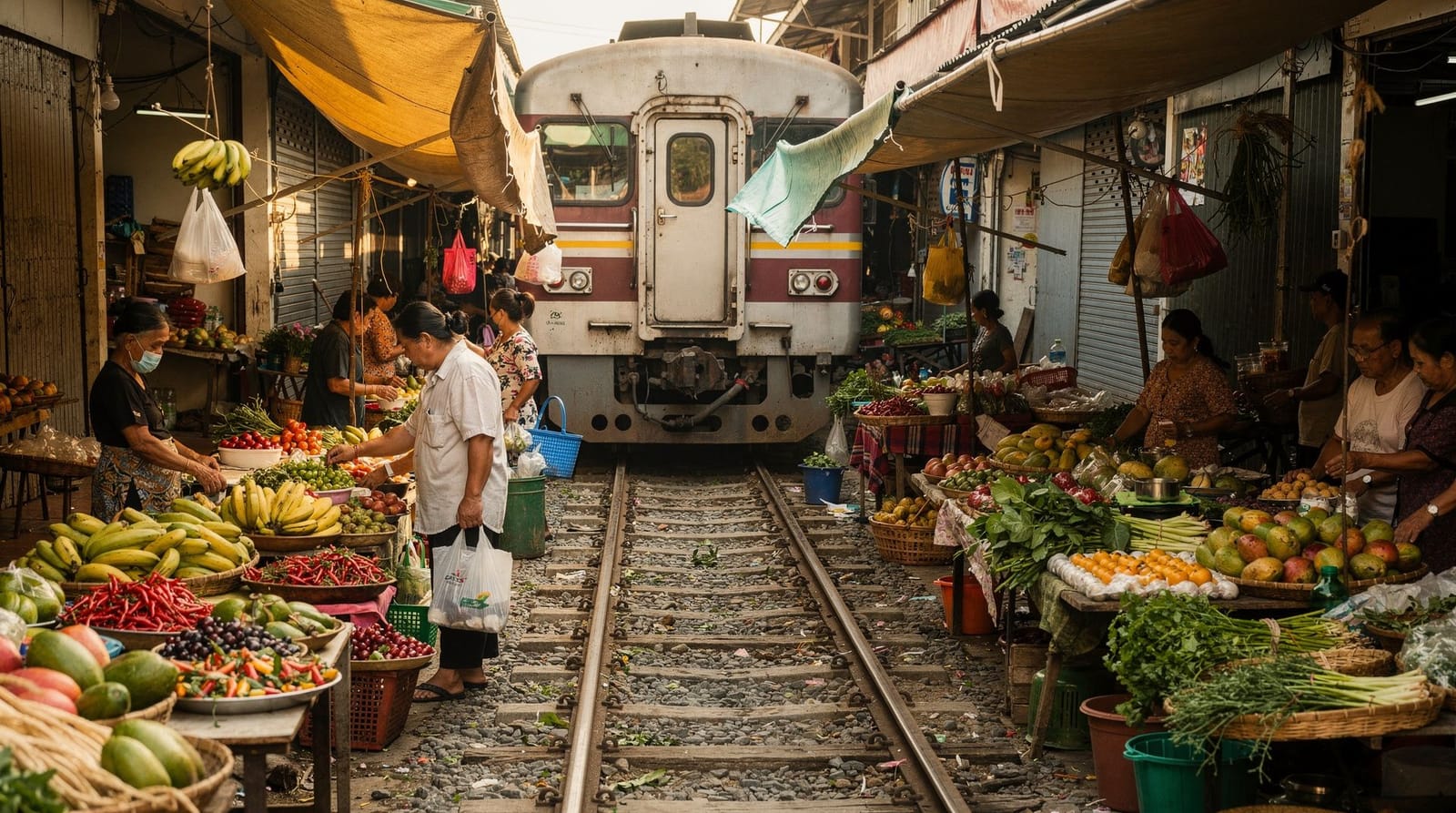
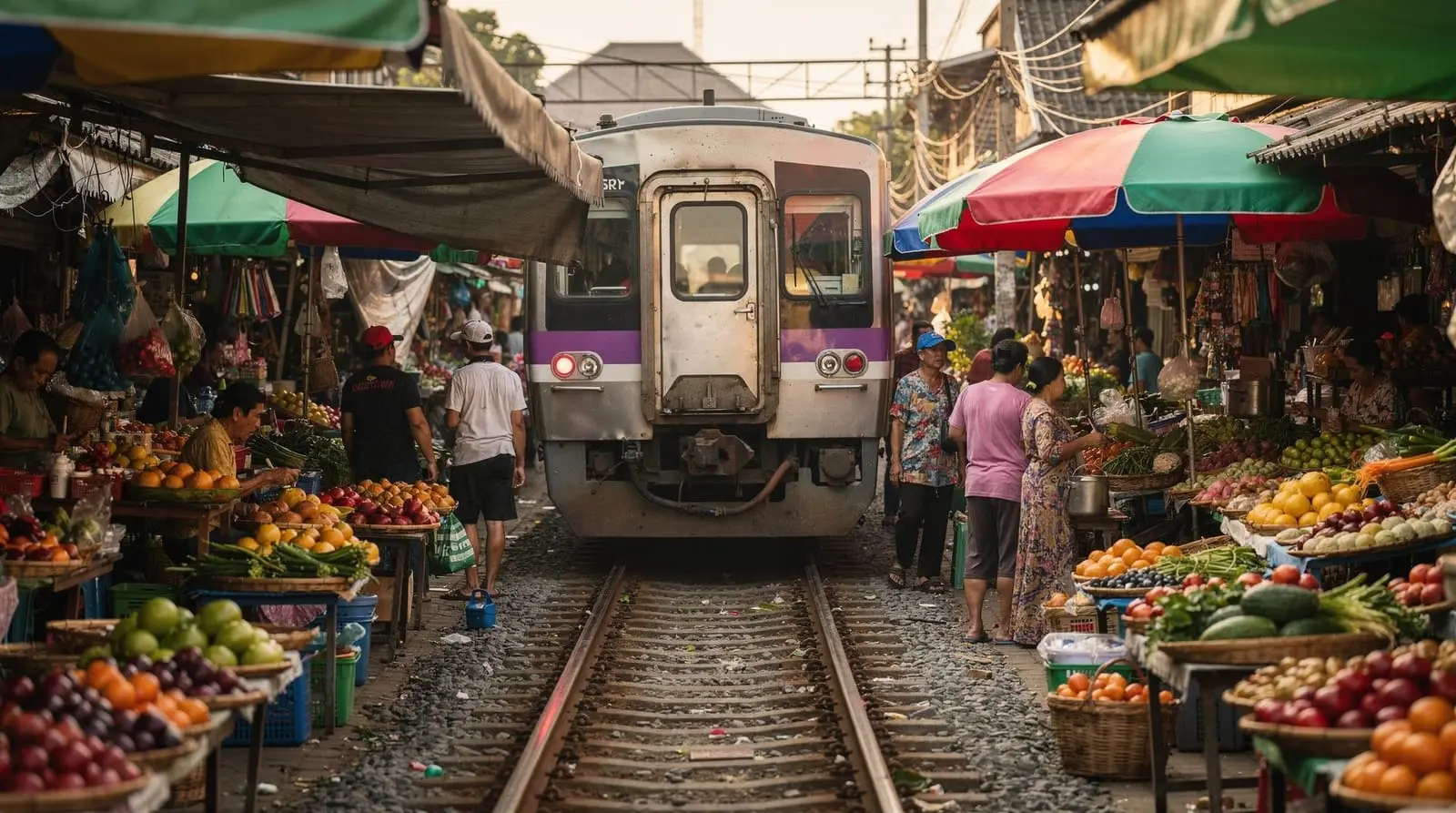
Yes — the Maeklong railway market is one of the most genuinely unique sights near Bangkok, and it earns its reputation. This is the “umbrella pulldown market,” where vendors set up fruit, vegetables and seafood directly on a live railway track, then retract their awnings and goods in seconds as a train rumbles through inches from the stalls, several times a day, before reopening as if nothing happened. Watching the train ease through the market is a true only-in-Thailand moment, and unlike the floating markets, this is a real working market with honest local prices.
The honest caveats are two: it is far from Bangkok, so you almost always visit it as part of a combined day trip; and you must time your visit to the train schedule, because without seeing a train pass you miss the whole point. Manage both and it is a highlight.
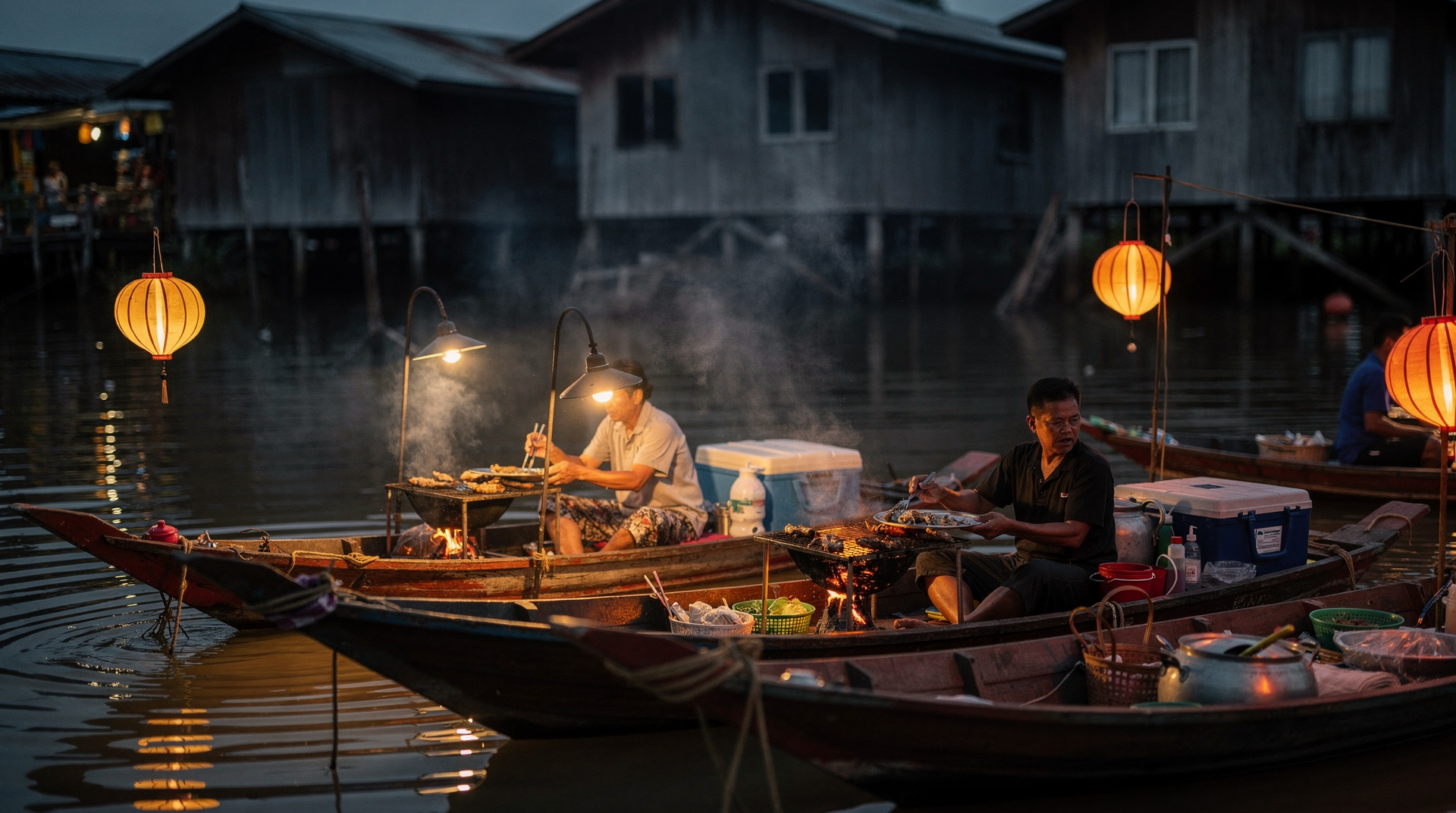
Because of the distance, Maeklong is best booked combined with a floating market. The Damnoen Saduak and Maeklong railway market tour is the classic pairing, handling transport and timing. If you would rather combine it with the more authentic Amphawa, the Maeklong and Amphawa floating market day tour works well.
What’s included
A combined Maeklong day trip typically includes:
- Return transport from Bangkok (about 90 minutes each way)
- A guide who times your visit to a train pass
- A floating market stop (Damnoen Saduak or Amphawa)
- Hotel pickup on many packages
Not included: the market itself is free to walk through, so you only pay for any food and goods you buy, plus lunch (unless stated) and tips. The boat ride at the paired floating market may be an extra — confirm when booking.
What to expect
The arrival. Tours time their visit so you reach the market shortly before a scheduled train pass. You walk the narrow covered track, lined on both sides with stalls of fresh produce, seafood and snacks set right up to the rails.
The train moment. A signal sounds, and in a swift, practised routine the vendors pull back their awnings and slide their goods clear of the track. The train then crawls through the market, often close enough to touch, while tourists film from behind the line. Seconds after it passes, the stalls spill back over the rails and trade resumes. It is over in a couple of minutes but it is the moment everyone comes for. See best photo spots in Bangkok for capturing it.
The market itself. Between trains, Maeklong is a genuine local wet market — fresh fruit, fish on ice, spices, snacks — at honest community prices, far more authentic than the tourist-priced floating markets. It is a good place to graze on fresh fruit and local treats.
The crowds. Around train times the track fills with visitors jostling for the best angle. Arrive 15–20 minutes early to claim a spot, then explore once the crowd disperses.
Real prices and what they buy you
- Combined tour with Damnoen Saduak: about 1,000–2,000 THB (USD 28–56), transport and guide.
- Combined with Amphawa: similar range, often with an afternoon firefly cruise.
- Private car tour: higher, with control over which train pass you target.
- The market itself: free to enter; you pay only for food and goods, which are cheap.
The value is in the transport and the timing around the train schedule, which a tour handles for you.
Who it’s for
Anyone who loves a unique spectacle: the train-through-the-market is unforgettable.
Photographers and videographers: a standout shot — see best photo spots in Bangkok.
Day-trippers combining markets: the natural partner to a floating market visit.
Authenticity-seekers: more genuine and better-priced than the tourist floating markets.
Scam and overpricing warnings
Maeklong itself is low-risk because it is a real local market, but the combined trip has the usual day-trip pitfalls:
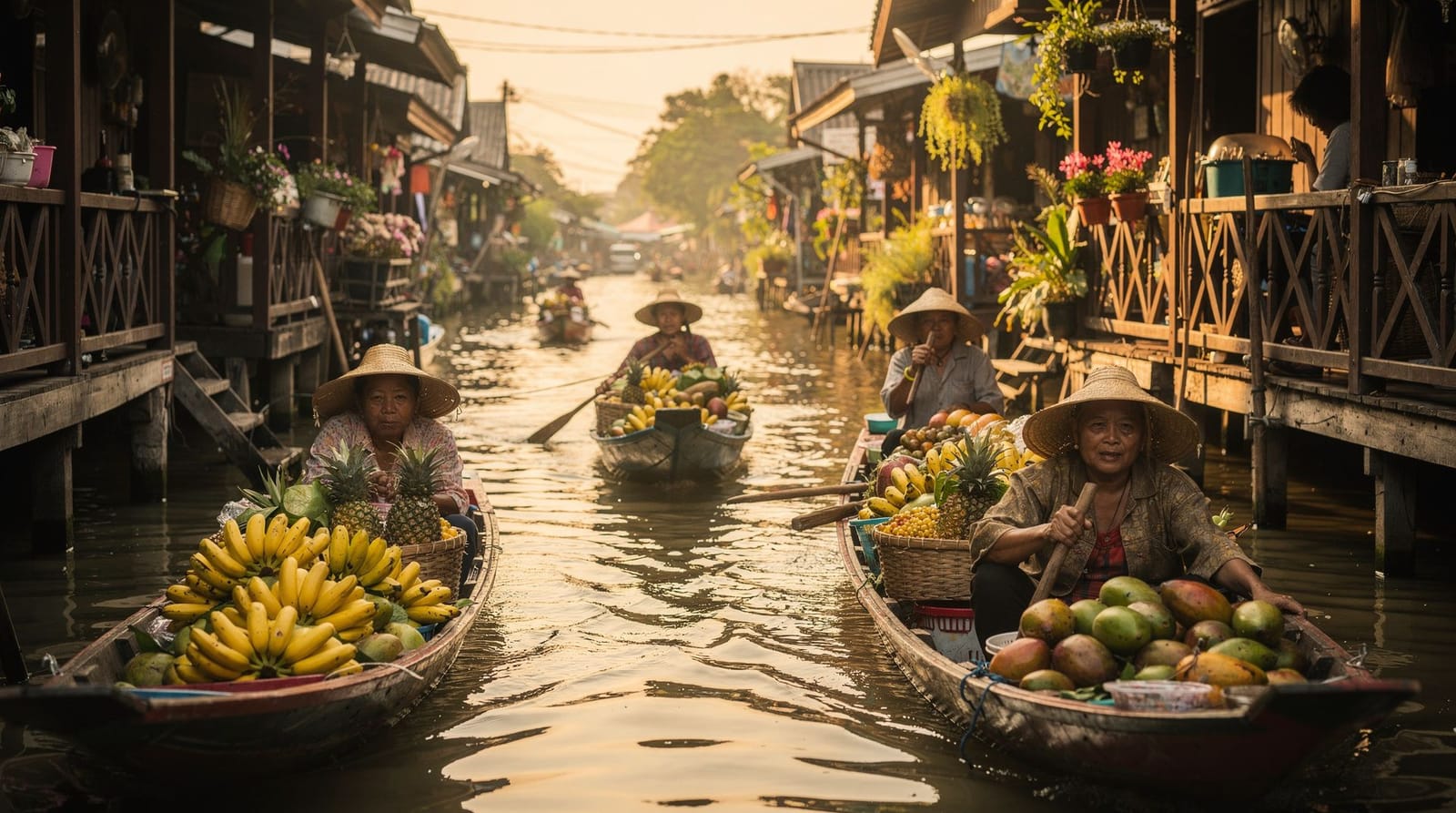
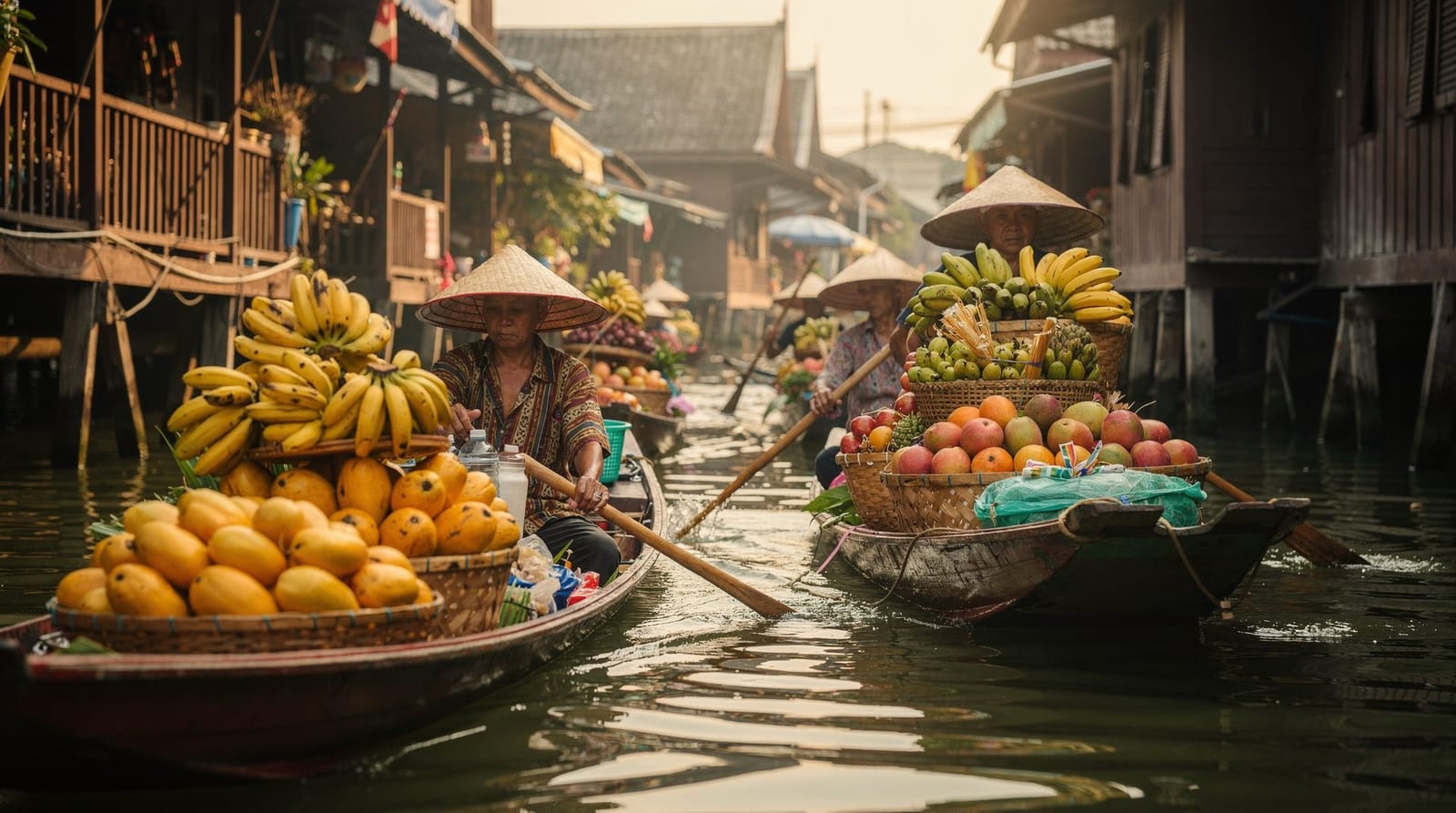
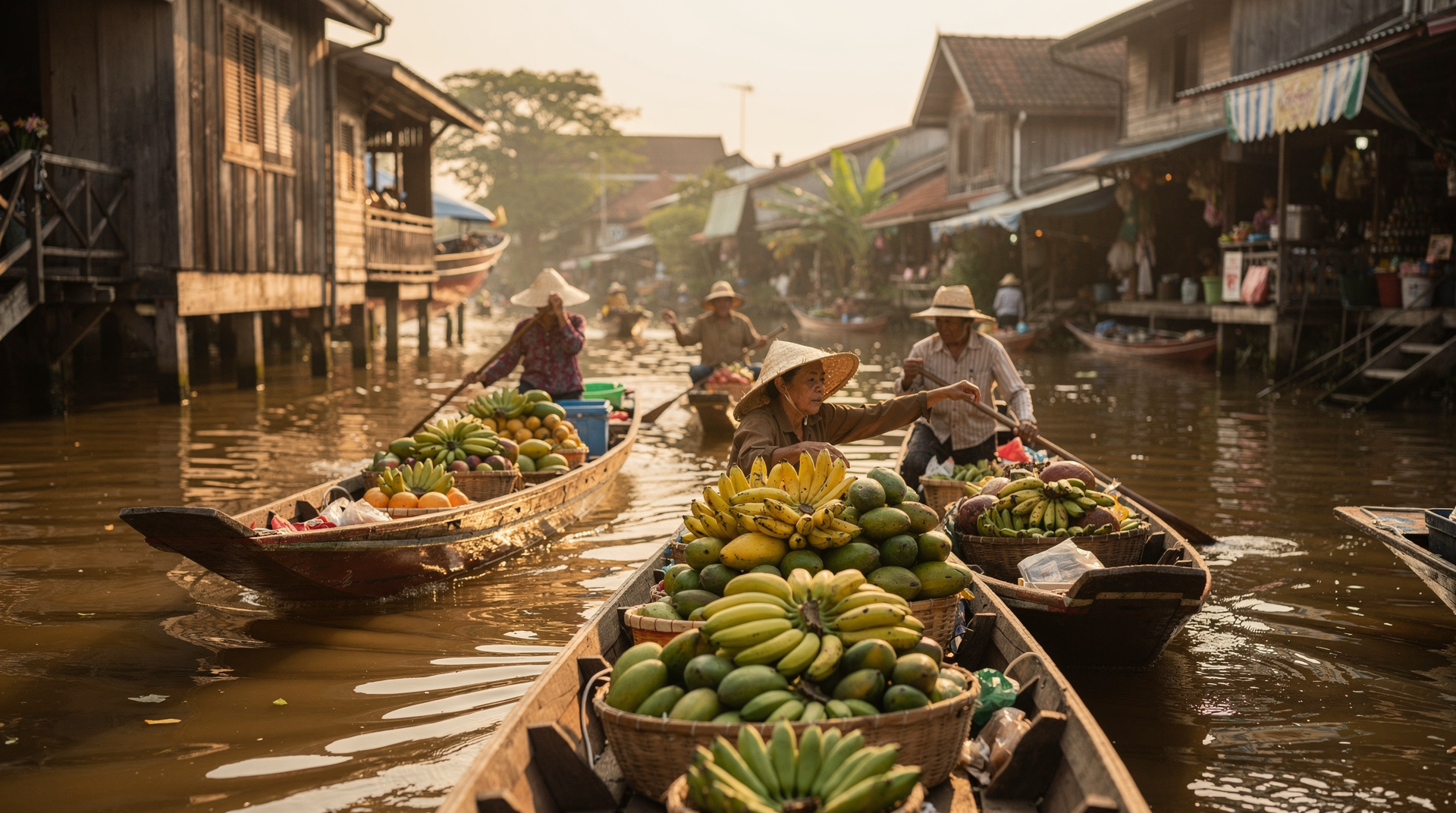
- Boat-fee overcharging at the paired floating market: the main trap is at Damnoen Saduak, not Maeklong — see our floating market review.
- Surprise commission stops: some cheap tours add snake farms or gem shops. Check the itinerary. See bangkok tourist traps.
- Transfer overcharging if going independently: agree fares in advance — grab, taxi and tuk-tuk explains the norms.
- Crowd-pushing for photos: keep your phone in hand but your feet behind the line; do not lean into the track as the train nears.
The market goods themselves are honestly priced.
Alternatives and how it compares
Maeklong is rarely a standalone trip; it is the unique counterpoint to a floating market. Pair it with Damnoen Saduak for the iconic-floating-market combo, or with Amphawa for a more authentic afternoon-and-evening experience with fireflies. The Maeklong railway and floating market half-day tour is a shorter option, while the old Siam, Damnoen Saduak and Maeklong tour adds a heritage angle. See floating markets in Bangkok and day trips from Bangkok for the full picture.
How to book and get there
By tour: strongly recommended, because the value lies in timing your visit to a train pass — something a guide manages. Book online in advance and confirm whether the paired floating market boat ride and lunch are included.
Independently: it is reachable by train (a charming if slow journey involving a connection at Ban Laem and a short ferry) or by minivan from the Southern Bus Terminal, but coordinating the train schedule yourself is fiddly. Most visitors take a tour. See bangkok to day-trips transport.
For planning, see day trips from Bangkok and the bangkok with day trips itinerary.
Practical tips for a smoother visit
A little planning ensures you actually catch the moment everyone comes for:
- Time your visit to a train pass. This is everything — without seeing the train ease through the market you miss the whole point. Tours handle the timing; independent visitors must check the current schedule carefully and arrive 15–20 minutes before a scheduled pass.
- Claim a viewing spot early. Around train times the narrow track fills fast. Get into position ahead of the crowd, capture the train moment, then explore the stalls once it thins.
- Stay behind the line as the train nears. The train moves slowly and vendors clear the track precisely, but keep your feet, bags and lens clear of the rails and follow the vendors’ cues.
- Buy fresh fruit and snacks here. Unlike the tourist-priced floating markets, Maeklong is a real local market with honest prices — a good place to graze cheaply.
- Combine for value. Because it is far from Bangkok, pair it with Damnoen Saduak or Amphawa in one efficient day trip.
- Go on a weekday if you can. Weekdays are marginally less crowded than weekends around the train times.
Maeklong is the unique counterpoint to a floating-market morning, and the two together make one of the most popular day trips from Bangkok — see day trips from Bangkok. The bangkok with day trips itinerary fits the combined market trip into a longer stay so you experience Thailand’s two most famous markets without sacrificing your city sightseeing.