Kanchanaburi death railway: is it worth it? 2026 review
Bangkok: Kanchanaburi, River Kwai & Death Railway Tour
Worth it? The honest verdict upfront
Yes — for anyone with an interest in history, the Kanchanaburi death railway is one of the most meaningful day trips from Bangkok. It is not a fun day out; it is a sombre, moving encounter with one of the darkest episodes of the Second World War. The railway was built in 1942–43 by Allied prisoners of war and conscripted Asian labourers under brutal Japanese forced labour, costing the lives of an estimated 100,000 people. The bridge over the River Kwai, the immaculately kept war cemetery, the museums and the cliff-edge railway itself are genuinely affecting.
The honest verdict: go if the history matters to you, and treat it with the seriousness it deserves. The riverside setting is beautiful, the train ride along the original line is unforgettable, and Hellfire Pass — if you have time — is the most powerful site of all. It is a long day, about 2 to 2.5 hours each way, so an early start and good planning are essential.
For a tour that covers the bridge, the cemetery, the museums and a stretch of the railway, the Kanchanaburi River Kwai and death railway tour is the core experience. To go deeper into the human story with the most affecting site, the death railway with Hellfire Pass and lunch tour adds the rock cutting.
What’s included
A guided death railway day trip typically includes:
- Return transport from Bangkok (about 2–2.5 hours each way)
- A licensed guide with historical commentary
- The bridge over the River Kwai
- The Kanchanaburi (Allied) War Cemetery
- A war museum (JEATH or the Thailand-Burma Railway Centre)
- A ride on the historic death railway, often including the Wampo viaduct
- Lunch and hotel pickup on many packages
- Hellfire Pass or the Erawan waterfalls on extended itineraries
Not included: drinks beyond lunch, tips, and any optional add-ons such as elephant interactions (research ethics first — see ethical elephant tourism).
What to expect
The morning drive. Tours leave early to make the most of the distance, around 06:30–07:30. The route heads west into greener countryside than the city.
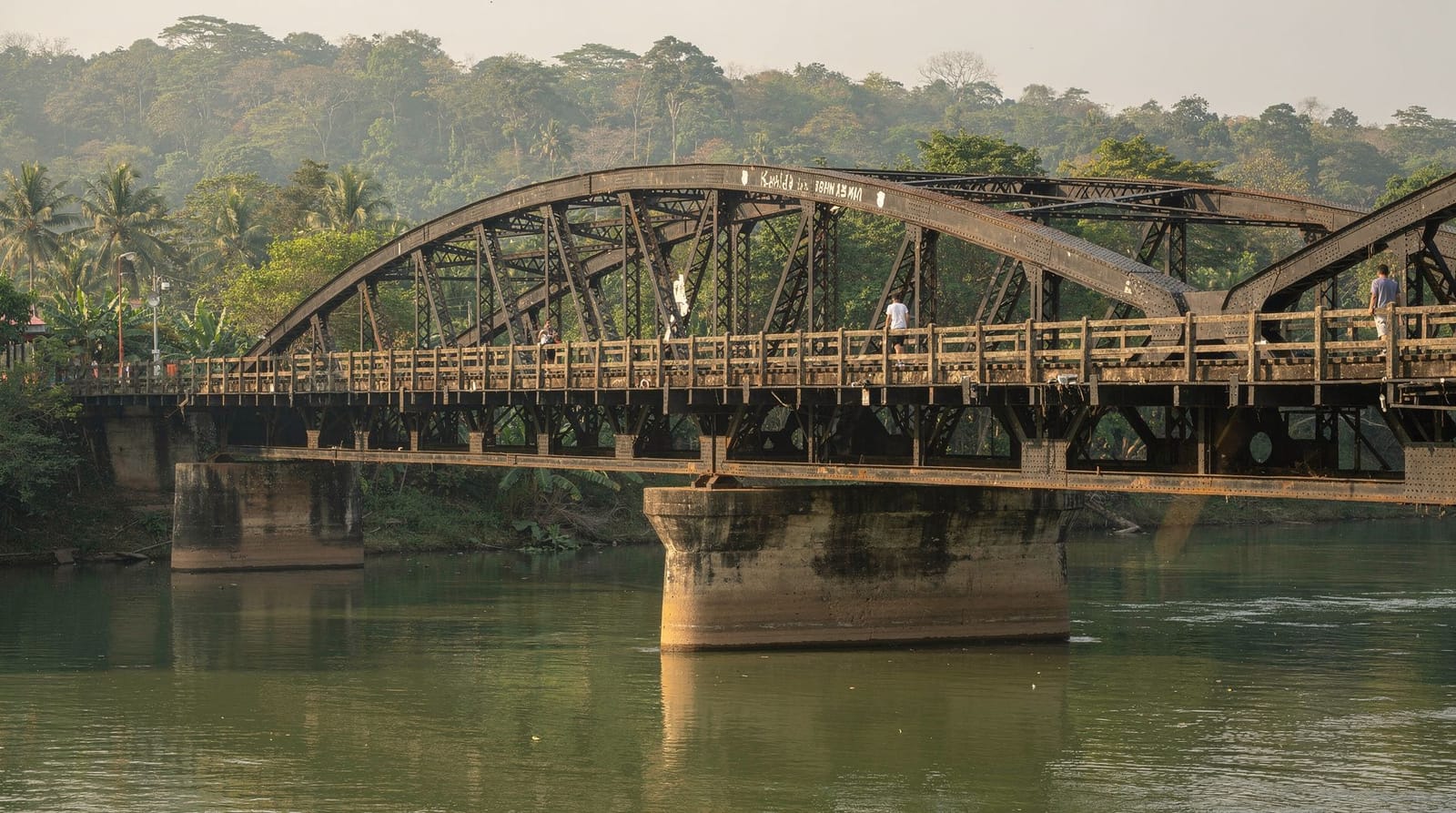
The bridge over the River Kwai. The famous black steel bridge, partly original, spans the river and can be walked across (step into the safety bays when a train passes). It is the iconic image, though the surrounding area is touristy.
The war cemetery and museums. The Allied War Cemetery, beautifully maintained, holds the graves of thousands of POWs and is a quietly devastating place. The museums lay out the construction, the conditions and the human cost with photographs, artefacts and survivor accounts. Read kanchanaburi death railway reflections for a first-person sense of the day.
The train ride. A stretch of the original railway is still in service. The highlight is the Wampo (Tham Krasae) viaduct, a wooden trestle hugging a cliff above the river. Riding the line the prisoners built by hand, through the rock they cut, is the most powerful moment for many visitors.
Hellfire Pass (extended tours). The deep rock cutting excavated by hand, with its excellent memorial museum and walking trail, is the most affecting site on the railway and worth the extra time if your itinerary includes it.
Real prices and what they buy you
- Standard guided day trip: about 1,300–2,200 THB (USD 36–61), with lunch.
- With Hellfire Pass or Erawan waterfalls: about 1,800–2,800 THB.
- Private tour: higher, with flexibility and pace control.
- DIY by train: the historic ride along the line costs around 100 THB; transport and timing are on you.
The premium over DIY buys context, the museum sequence, lunch and a curated stretch of the railway.
Who it’s for
History enthusiasts: essential — the most significant WWII site in Thailand.
Thoughtful travellers: a meaningful, reflective day, not a light one.
Train lovers: the cliff-edge railway ride is unforgettable.
Families with older children: doable, especially with the Erawan waterfalls added for balance; less suited to young kids given the heavy subject matter.
Scam and overpricing warnings
Kanchanaburi is comparatively low on scams, but a few notes:
- Surprise add-on stops: some cheap tours bolt on commission stops. Check the itinerary covers the genuine historical sites.
- Elephant ride upselling: widely offered in the area but ethically problematic. Avoid riding — see ethical elephant tourism.
- Transfer overcharging if going independently: agree fares in advance — grab, taxi and tuk-tuk explains local norms.
- Touristy bridge-area stalls: prices near the bridge are inflated; the history is free and dignified, the souvenirs are not essential.
Alternatives and how it compares
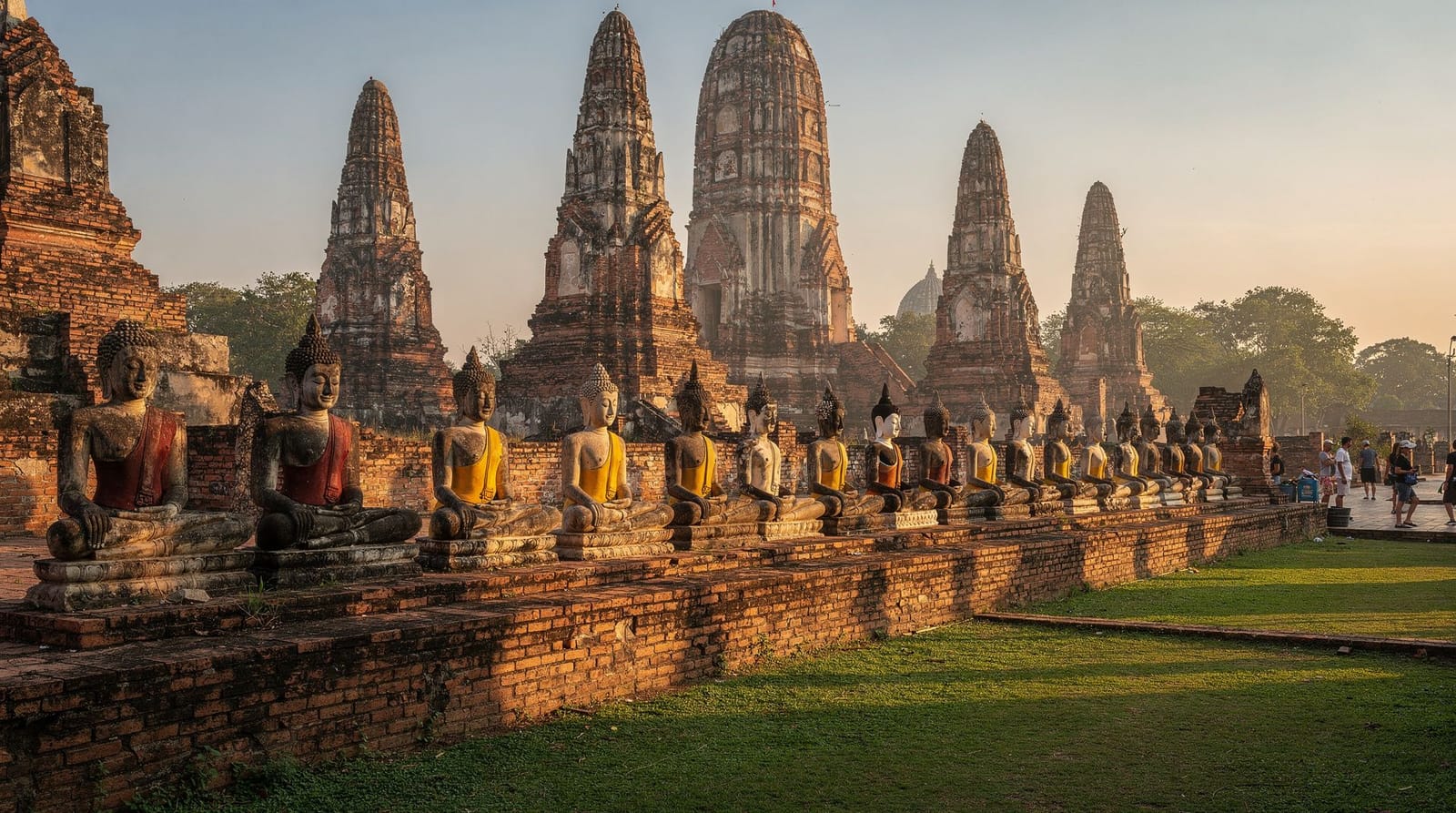
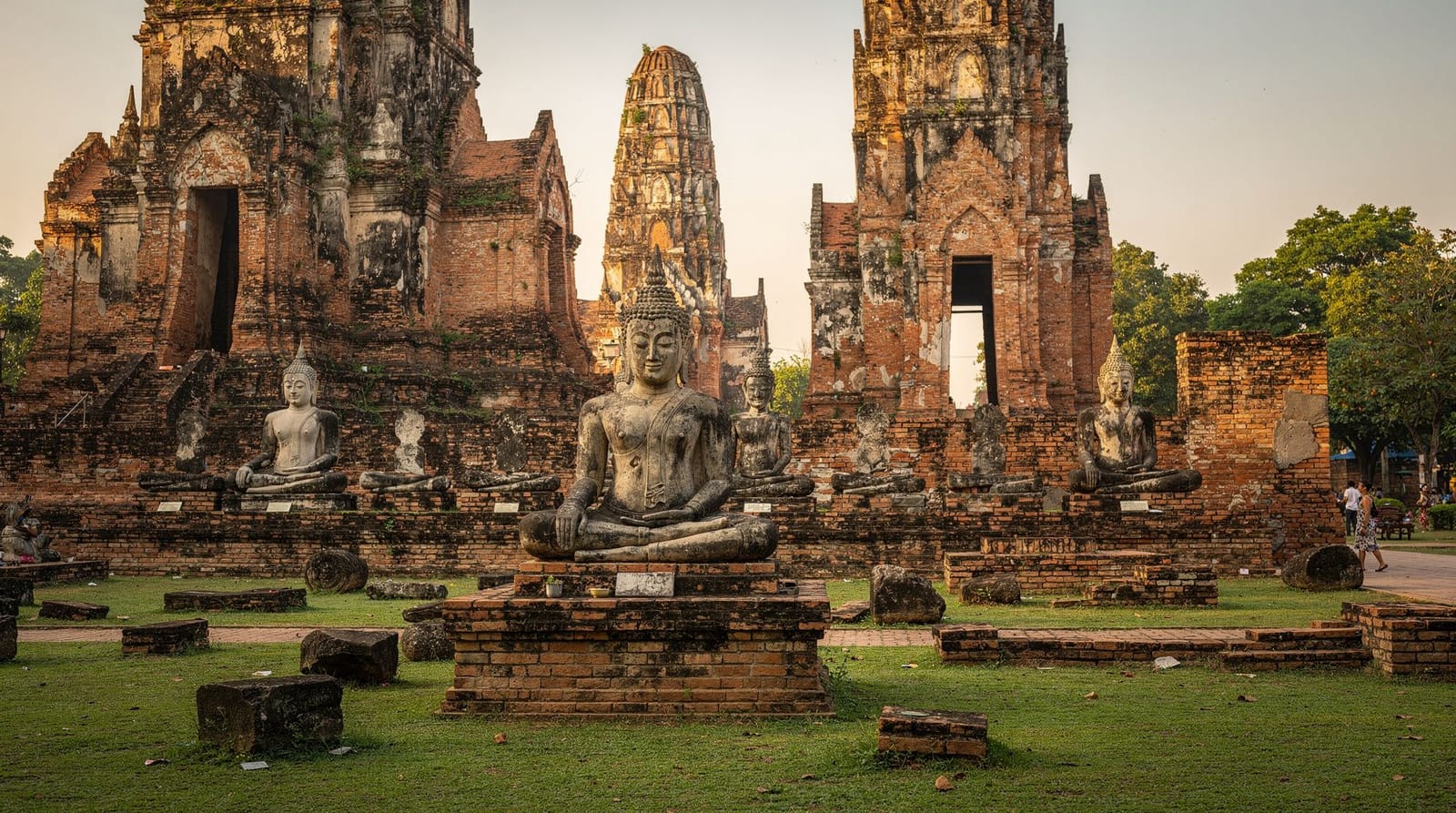
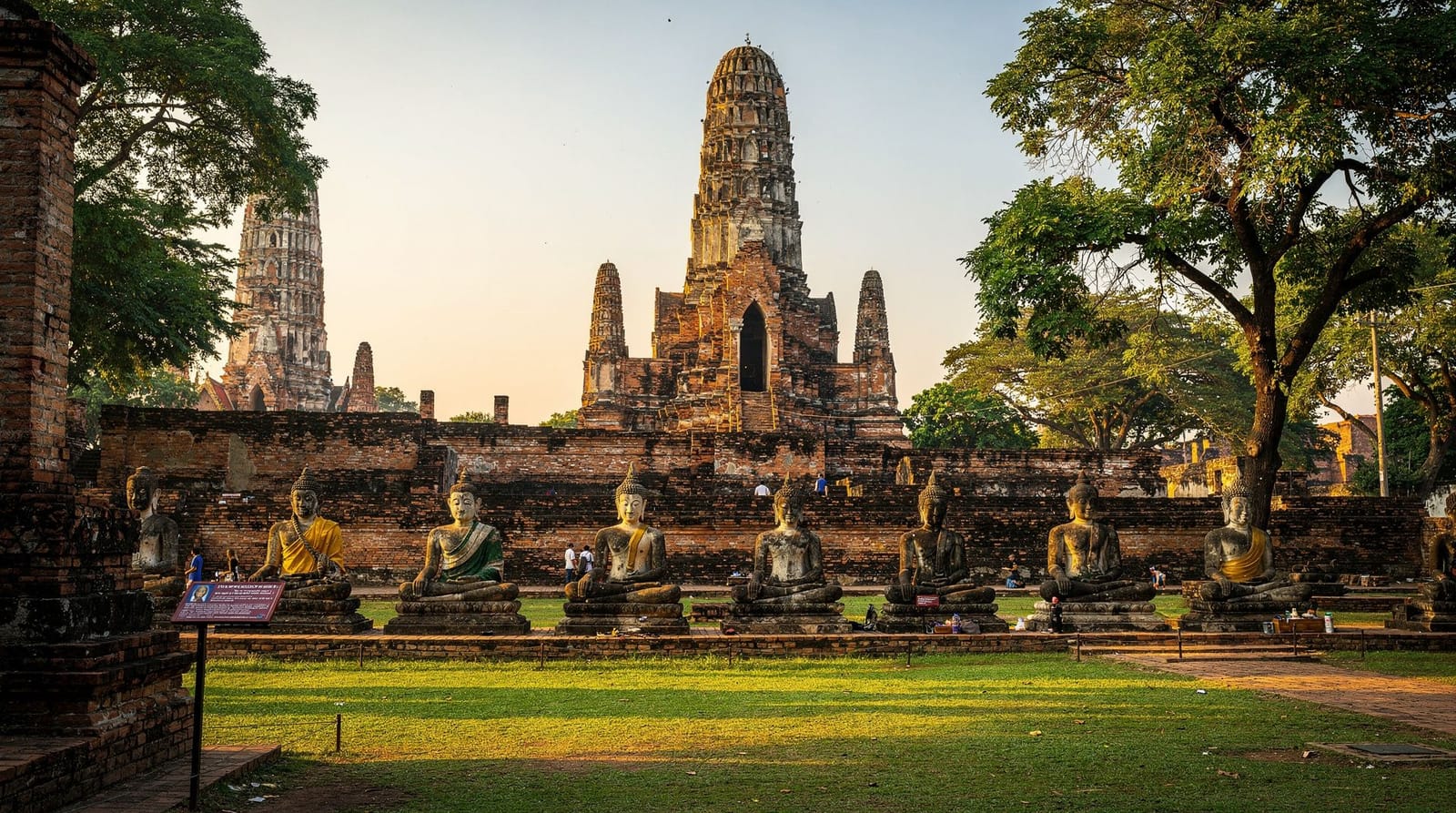
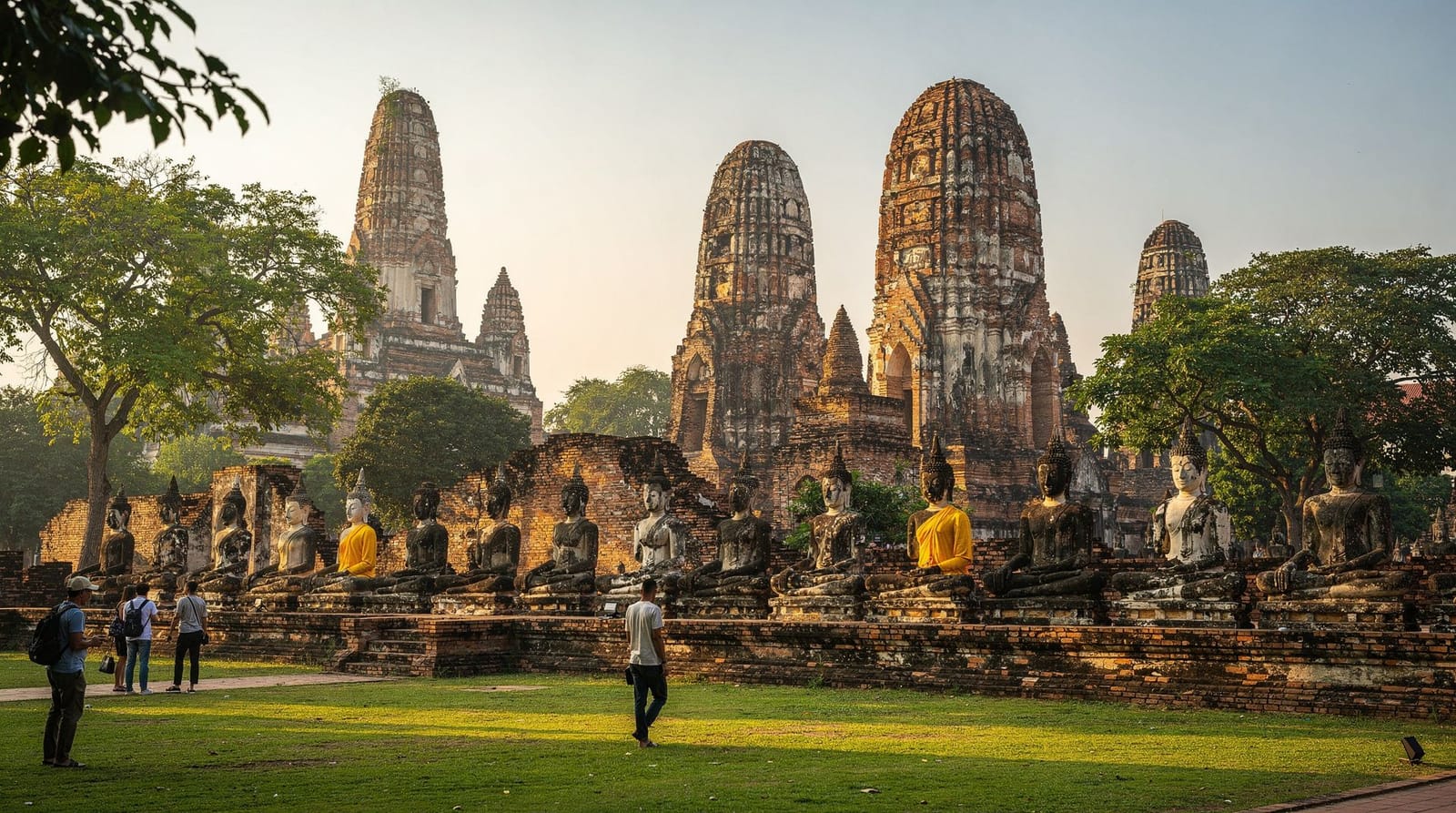
If you want history plus a swim and a lighter mood, choose a version that adds the Erawan waterfalls. For the deepest historical focus, the war cemetery and death railway tour and the historical River Kwai tour concentrate on the wartime sites. For a contrasting day trip, Ayutthaya offers ancient ruins rather than modern history. See day trips from Bangkok and the bangkok with day trips itinerary to plan around it.
How to book and get there
By tour: the most efficient option given the distance and the number of sites. Book online in advance, and choose whether you want the Hellfire Pass or Erawan waterfalls add-on. A private tour suits families wanting flexibility — see private tours in Bangkok.
By train (DIY): trains run from Bangkok’s Thonburi station to Kanchanaburi and onward along the death railway over the Wampo viaduct, a slow but scenic and historically resonant journey for very little money. You then arrange local transport to the museums and cemetery. See bangkok to day-trips transport.
For trip planning, see how many days in Bangkok and the bangkok with day trips itinerary.
Practical tips for a smoother day
A long, history-heavy day rewards preparation and the right mindset:
- Start early and expect a full day. With 2 to 2.5 hours’ drive each way and several sites, this is a 10 to 12-hour day. An early departure is essential to do the bridge, the cemetery, the museums and the railway justice.
- Add Hellfire Pass if you can. The hand-cut rock cutting and its memorial museum are the most affecting part of the whole railway; for visitors who want to understand the human story properly, it is worth the extra time.
- Ride the original railway. The stretch over the Wampo viaduct, the wooden trestle clinging to the cliff above the River Kwai, is the most evocative moment — make sure your tour or DIY plan includes it.
- Approach it with the seriousness it deserves. This is a wartime tragedy, not a fun outing. The war cemetery in particular is a quietly devastating place; treat it respectfully.
- Balance the heaviness if travelling with family. A version that adds the Erawan waterfalls gives a refreshing, swimmable contrast to the sombre history — bring swimwear if so.
- Avoid elephant rides offered in the area; favour ethical viewing only — see ethical elephant tourism.
For the depth it deserves, read kanchanaburi death railway reflections before you go, and use the bangkok with day trips itinerary to give Kanchanaburi a full day in your plan rather than squeezing it. A private tour suits families wanting flexibility and pace control — see private tours in Bangkok.